Oestrogen and Menopause: Supplements That May Help Reduce Symptoms Naturally

As oestrogen levels decline during perimenopause and menopause, many women experience symptoms such as hot flushes, mood swings, trouble sleeping, vaginal dryness, and changes in skin or energy. Hormone Replacement Therapy (HRT) is effective for many women, but others prefer natural, non-hormonal support.

The good news: Several supplements have been researched for their ability to gently ease menopause symptoms by supporting hormone balance, nervous-system regulation, and vaginal or skin moisture.

Here’s a clear guide to what works — and how each supplement helps.


⭐ Understanding Menopause Symptoms

Most menopause symptoms are caused by:

  • Lower oestrogen and progesterone
  • Changes in brain neurotransmitters (serotonin, GABA)
  • Temperature-control instability in the hypothalamus
  • Inflammation and oxidative stress
  • Reduced collagen and skin hydration

The supplements below target these root causes.


1. Black Cohosh — Popular Natural Relief for Hot Flushes

Black cohosh is one of the most researched herbal options for menopause symptoms.

How it may help

  • Reduces hot flush frequency and intensity
  • Helps with sleep disturbances
  • May support mood and irritability
  • Acts on serotonin receptors and the hypothalamus (not an oestrogen mimic)

Best for:

Hot flushes, night sweats, mood swings.

Typical dose:

20–40 mg extract twice daily.

Safety:

Generally well-tolerated.
⚠ Avoid if you have significant liver disease (rare cases of liver stress reported).


2. Red Clover — Natural Phytoestrogens for Gentle Balance

Red clover contains isoflavones, plant-based compounds that behave similarly to mild oestrogens.

How it may help

  • Reduces hot flushes
  • Supports bone density
  • May improve vaginal dryness
  • Gentle oestrogenic activity without strong hormonal effects

Best for:

Women who want mild, plant-based hormone support.

Typical dose:

40–80 mg isoflavones/day.

Safety:

Avoid during hormone-sensitive cancers unless approved by your doctor.


3. Evening Primrose Oil — Skin, Hormones & Tender Breasts

Rich in gamma-linolenic acid (GLA), evening primrose oil supports hormonal and skin health.

How it may help

  • May reduce hot flushes in some women
  • Improves skin dryness and elasticity
  • Helps with breast tenderness
  • Supports mood balance

Best for:

Dry skin, mood symptoms, mild hot flushes.

Typical dose:

500–1,300 mg/day.


4. Sage Extract — Effective for Sweats & Hot Flushes

Sage has long been used for temperature regulation and menopausal sweating.

How it may help

  • Reduces hot flush frequency
  • Helps calm excessive sweating
  • May improve night sweats and sleep
  • Supports mental clarity

Best for:

Women experiencing strong temperature swings.

Typical dose:

200–400 mg/day of sage extract or tincture equivalents.


5. Maca Root — Energy, Mood & Libido Support

Maca is an adaptogen, meaning it helps the body cope with stress and hormonal fluctuations.

How it may help

  • Improves energy and stamina
  • Supports mood and emotional stability
  • May help libido and sexual wellbeing
  • Balances stress hormones (cortisol), which affect menopause symptoms

Best for:

Fatigue, mood swings, low libido.

Typical dose:

1,000–2,000 mg/day (powder or capsules).


6. Vitamin E — Supports Skin & Vaginal Moisture

Vitamin E acts as an antioxidant and deeply hydrating nutrient.

How it may help

  • Reduces vaginal dryness
  • Supports skin moisture and elasticity
  • May reduce hot flush severity in some studies

Best for:

Dryness, skin changes, vaginal discomfort.

Typical dose:

200–400 IU/day.


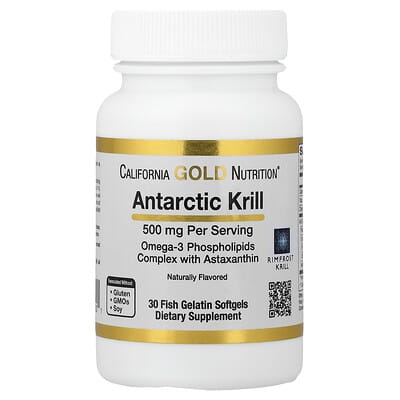
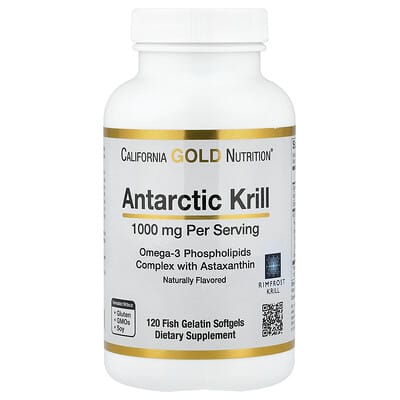
7. Omega-3 Fatty Acids — Mood, Heart, & Inflammation Support

Omega-3s help balance inflammation, support brain function, and improve mood stability.

How they may help

  • Reduce inflammation that worsens flushes
  • Support mood stability
  • Help with joint stiffness and pain
  • Support heart health (important after menopause)

Best for:

Mood swings, inflammation, joint pain.

Typical dose:

1,000–2,000 mg/day EPA + DHA.


8. Magnesium Glycinate — The Calm-Your-System Mineral

Magnesium plays a major role in sleep, mood, nervous-system regulation, and muscle relaxation — all essential during menopause.

How it may help

  • Improves sleep quality
  • Reduces anxiety and irritability
  • Supports energy production
  • May help restless legs and muscle tension
  • Works well alongside omega-3s

Best for:

Poor sleep, anxiety, irritability.

Typical dose:

200–400 mg/day (glycinate is gentle and well-absorbed).


Combining Supplements Safely

A gentle, effective menopause-support routine might look like:

  • Morning:
    • Red clover or black cohosh
    • Omega-3 fatty acids
    • Magnesium (if it makes you calm, take in evening instead)
  • Evening:
    • Evening primrose oil
    • Sage extract
    • Vitamin E
    • Optional: Maca for mood or energy

Start slowly and introduce one supplement at a time.


Answer Capsule: Quick Summary

Natural supplements that may help ease menopause symptoms:

  • Black cohosh
  • Red clover (phytoestrogens)
  • Evening primrose oil
  • Sage extract
  • Maca root
  • Vitamin E
  • Omega-3s
  • Magnesium glycinate

How they help:
They target hot flushes, night sweats, mood swings, dryness, skin changes, sleep issues, and energy.

Best for readers who:
Prefer non-HRT solutions or want to complement lifestyle changes with gentle, evidence-supported supplements.


FAQ: Natural Support for Menopause Symptoms

1. Can these supplements replace HRT?

No. They help reduce symptoms but don’t restore hormone levels like HRT.

2. How long before I feel a difference?

Most women notice improvements within 2–8 weeks, depending on the supplement.

3. Are phytoestrogens safe?

Generally yes, but women with hormone-sensitive cancers should speak to their doctor first.

4. Can I combine multiple supplements?

Yes — many women use 2–4 at once. Introduce them gradually.

5. Which is best for hot flushes?

Black cohosh, sage, and red clover have the strongest evidence.

6. Which is best for mood and sleep?

Omega-3s and magnesium glycinate.

7. What helps vaginal dryness most?

Vitamin E, omega-3s, and topical moisturisers/lubricants.

Bookmark the permalink.

Leave a Reply