Slippery elm (Ulmus rubra) is one of the most effective natural remedies for soothing and repairing the digestive tract. Its healing power comes from its mucilage-rich inner bark — a soft, gel-like fibre that coats irritated tissues, calms inflammation, and supports the integrity of the gut lining.
For people with IBS, reflux, gastritis, or intestinal irritation, slippery elm can provide fast relief by cushioning sensitive tissues and supporting long-term repair.
This guide explains how it works and why it’s recommended in many gut-healing protocols.
⭐ What Makes Slippery Elm So Effective? (The Power of Mucilage)
When slippery elm bark is mixed with water, it forms a thick, soothing gel called mucilage. This mucilage does three essential things:
1. Coats and protects the gut lining
It creates a temporary protective barrier that shields tissues from:
stomach acid
digestive enzymes
irritating foods
inflammation
2. Reduces irritation and inflammation
It calms distressed intestines, reduces cramping, and helps regulate bowel movements.
3. Supports natural repair
By reducing irritation, the gut lining can repair itself more effectively — essential for IBS, gastritis, and reflux.
Slippery elm acts like a “bandage” for the digestive tract.
⭐ How Slippery Elm Helps IBS, Reflux & Intestinal Repair
Below are the key gut-health benefits backed by traditional use and modern understanding.
🌿 1. Helps IBS (Irritable Bowel Syndrome)
IBS involves a combination of:
abdominal pain
bloating
constipation and/or diarrhoea
sensitive intestines
food-triggered flare-ups
Slippery elm can help by:
✔ Soothing irritated intestinal tissue
Its mucilage calms spasms and reduces the burning or “raw” feeling associated with IBS.
✔ Regulating bowel movements
Acts as a mild bulking agent to help diarrhoea
Softens stool to reduce constipation
Helps stabilise inconsistent motility
✔ Supporting the gut barrier (“leaky gut”)
By protecting the intestinal lining, slippery elm reduces inflammation and improves digestion tolerance.
Many people with IBS notice improvements within a few days to a few weeks.
🌿 2. Relieves Acid Reflux & Heartburn
Reflux occurs when stomach acid irritates the esophagus. Slippery elm helps by:
coating the esophagus to reduce burning
neutralising some acidity
protecting tissues from repeated acid exposure
calming inflammation of the upper digestive tract
supporting healing after flare-ups
Taking it before meals and at bedtime is especially helpful for reflux sufferers.
🌿 3. Supports Healing in Gastritis & Stomach Lining Irritation
Gastritis involves inflammation or thinning of the stomach lining. Slippery elm supports healing by:
forming a protective gel over the stomach lining
reducing acid irritation
calming inflammation
encouraging mucosal regeneration
improving comfort after eating
Because it is gentle, it may be used even when the stomach is highly sensitive.
🌿 4. Helps Repair the Intestinal Wall (“Leaky Gut”)
Intestinal permeability — often called “leaky gut” — occurs when the gut lining becomes inflamed or damaged.
It is frequently included in gut-healing blends alongside L-glutamine, zinc carnosine, and marshmallow root.
🌿 5. Encourages Healthy Bowel Regularity
Slippery elm works for both diarrhoea and constipation, making it a universal gut regulator.
For diarrhoea:
firms stool by absorbing excess water
For constipation:
mucilage softens stool
increases lubrication
makes passage easier and more comfortable
This dual action makes slippery elm ideal for people with IBS-mixed type.
🌿 6. Reduces Gut Inflammation
Inflammation drives many digestive issues, including:
IBS
reflux
gastritis
ulcer irritation
autoimmune gut symptoms
Slippery elm contains antioxidants and plant compounds that calm inflammatory signalling, helping reduce discomfort and bloating.
🌿 7. Supports Autoimmune & Post-Infection Gut Conditions
Slippery elm is not a cure for autoimmune diseases, but it can support symptom management for conditions like:
ulcerative colitis
Crohn’s disease (mild forms)
celiac-related irritation
post-antibiotic gut damage
post-infection IBS
It assists by protecting the mucosa, improving stool consistency, and calming flare-related irritation.
Always use alongside medical treatment, not instead of it.
⭐ How to Take Slippery Elm for Gut Health
The powder form works best for coating the gut, but all forms can help.
📌 Powder (Most Effective)
Mix ½–1 teaspoon in:
warm water
smoothies
herbal tea
Take 1–3 times daily depending on severity.
📌 Capsules
Convenient for daily maintenance. Typical dose: 400–500 mg, 2–3× daily
📌 Lozenges
Useful for reflux or throat irritation.
⭐ Best Times to Take It
30 minutes before meals (reflux)
Before bed (overnight soothing)
Between meals (IBS flare-up support)
⚠️ Safety: How to Use Slippery Elm Properly
Slippery elm is very safe, but here are important guidelines:
1. Separate from medications
The mucilage can reduce absorption. Take meds 1–2 hours before or after slippery elm.
2. Start small
Some people experience mild bloating as the gut adjusts.
3. Stay hydrated
Slippery elm absorbs water — always take with fluid.
4. Allergies are rare but possible
Avoid if allergic to elm trees.
5. Pregnancy & breastfeeding
Use only with practitioner guidance due to limited research.
6. Not a standalone treatment for serious disease
Seek medical support for ulcers, severe reflux, unexplained pain, or GI bleeding.
⭐ Answer Capsule: Quick Summary
Slippery elm is one of the best natural remedies for gut health because it:
protects and repairs the gut lining
reduces acid and soothes reflux
calms IBS symptoms
regulates diarrhoea and constipation
reduces inflammation
supports intestinal healing
Best for: IBS, reflux, gastritis, leaky gut, sensitive digestion, and post-infection gut repair.
How to take: ½–1 tsp powder in warm water or 400–500 mg capsules, taken away from medications.
Most popular sponsored products
Mybrainco Gut Repair Powder Berry 300g | Healthylife Mybrainco Offer now available for the Mybrainco Gut Repair Powder Berry 300g | Healthylife. On sale with world wide delivery. . Browse our extensive range of products. Found on the safe and secure website healthylife.com.au.
Bonvit Natural Slippery Elm Bark Powder 125g | Healthylife Bonvit Bonvit Natural Slippery Elm Bark Powder 125g. Powdered supplement (125g) Available from Healthylife; check current product details, price and availability before ordering.
Lotus Slippery Elm Bark Powder 250g | Healthylife Lotus Lotus Slippery Elm Bark Powder 250g. Powdered supplement (250g) Available from Healthylife; check current product details, price and availability before ordering.
Nature's Own Slippery Elm 400mg (60 Capsules) | Healthylife Nature's Own Nature's Own Slippery Elm 400mg (60 Capsules). Capsule supplement (400mg, 60 Capsules) Available from Healthylife; check current product details, price and availability before ordering.
Honest to Goodness Slippery Elm Powder 100g | Healthylife Honest Honest to Goodness Slippery Elm Powder 100g. Powdered supplement (100g) Available from Healthylife; check current product details, price and availability before ordering.
Inner Health IBS Control Probiotics 30 Capsules | Healthylife Inner Health Inner Health IBS Control Probiotics 30 Capsules. Capsule supplement (30 Capsules) Available from Healthylife; check current product details, price and availability before ordering.
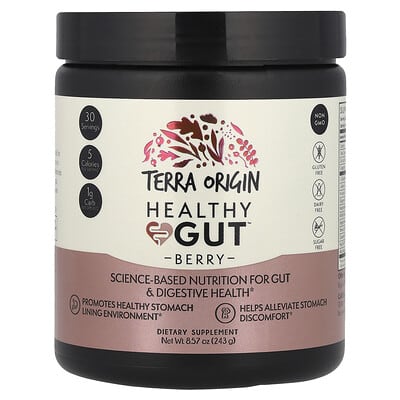
Quick take: iHerb makes it easy to browse supplements, protein, wellness products, and healthy pantry staples in one place. It’s a handy option for comparing ingredients, brands, and customer reviews before choosing what suits your goals.
Quick take: iHerb makes it easy to browse supplements, protein, wellness products, and healthy pantry staples in one place. It’s a handy option for comparing ingredients, brands, and customer reviews before choosing what suits your goals.