The Complete Guide to CoQ10: Benefits, Dosage, and Safety
What Is CoQ10?
Coenzyme Q10 (CoQ10) is described by Healthylife as a vitamin-like compound found in every cell of the human body. Healthylife also explains that CoQ10 exists in two forms (states of oxidation): ubiquinone (oxidised) and ubiquinol (reduced), each with distinct roles.
Naturecan AU describes CoQ10 as a naturally occurring nutrient in the body that is also found in foods, and states it is a required nutrient found in every cell and is vital for providing energy to cells while helping protect against oxidation (as described on their product page).
Healthylife breaks CoQ10’s functions down by its two forms:
Ubiquinone (oxidised CoQ10): Located within cellular mitochondria (described as the “energy factories” of cells), where it participates in aerobic cellular respiration and helps generate ATP (a key cellular energy source).
Ubiquinol (reduced CoQ10): Found outside cells, in the blood and on cell membranes, where it functions as an antioxidant that scavenges free radicals and helps protect proteins and mitochondrial DNA from oxidative damage.
Healthylife also describes ubiquinone and ubiquinol as a “redox pair,” meaning each form can be converted to the other by the body.
Separately, an iHerb AU product listing (NOW Foods) describes CoQ10 as a “vitamin-like compound” with a central role in cellular energy production, stating it is found throughout the body and is especially concentrated in the heart, liver and kidney, with production found to decline with age (as stated on that product page).
Important: The points below reflect what the sources report. If a source does not provide a clear evidence grade for a claim, it is marked accordingly.
1) Heart function and congestive heart failure (CHF): research summary on Healthylife
Healthylife reports that CoQ10 is highly concentrated in heart muscle cells due to high energy demands and that much clinical work has focused on heart disease—specifically congestive heart failure (CHF). Healthylife describes multiple studies and meta-analyses, including a 2006 meta-analysis where CoQ10 doses ranged from 60 to 200 mg/day over one to six months, and reports findings including a net improvement in ejection fraction and increased cardiac output (as reported on that page). Healthylife also describes an open trial involving up to 150 mg/day showing benefit and lack of toxicity (as reported on that page).
2) Antioxidant support / oxidative stress: product-positioned benefits
Naturecan AU states that a 2019 study suggested CoQ10 could act as an antioxidant, and explicitly notes that further research is needed to confirm the effects (as written on their product page). Naturecan also describes CoQ10 as helping protect cells and blood from oxidation and as having potential overall health benefits as an antioxidant (with “more studies needed” to fully understand benefits). The NOW Foods iHerb listing describes CoQ10 as a potent free radical scavenger in cell membranes and within blood vessels, and states research shows it helps maintain a healthy heart and vascular system (as stated on that page).
3) Statins and CoQ10 depletion (product listing note)
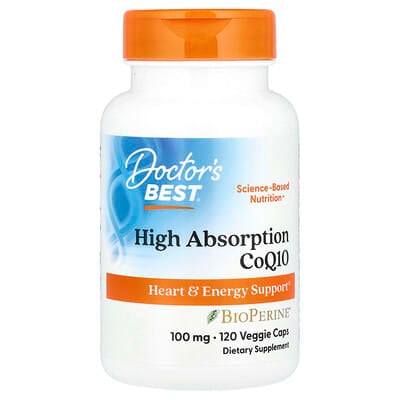
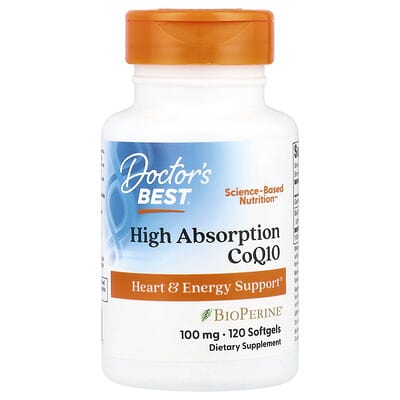
An iHerb AU listing for Doctor’s Best states the product “helps restore CoQ10 that may be depleted by aging and statin drugs,” and also includes a note that CoQ10 is not intended as a replacement for statin therapy and you should not discontinue prescribed medications while supplementing (as stated on that page).
Clinical protocols (who should take it alongside statins, optimal dose, expected outcomes): Not specified on the source page.
Who Might Benefit Most
People researching heart-related use cases: Healthylife focuses heavily on CHF research and reports study findings and dose ranges used in that setting.
People seeking antioxidant support: Naturecan and an iHerb listing position CoQ10 around antioxidant/free-radical support.
People comparing CoQ10 forms: Healthylife explains the difference between ubiquinone (energy production role) and ubiquinol (antioxidant role), and discusses formulation/bioavailability considerations.
A single “best” CoQ10 dosage for all goals: Not specified on the source page. Dosage guidance varies by study context and product label.
Study dosing examples (CHF context): Healthylife reports that in a 2006 meta-analysis, CoQ10 doses ranged from 60 to 200 mg/day with treatment periods from one to six months. Healthylife also describes an open trial using up to 150 mg/day (as reported on their page).
Label dosing examples (product directions):
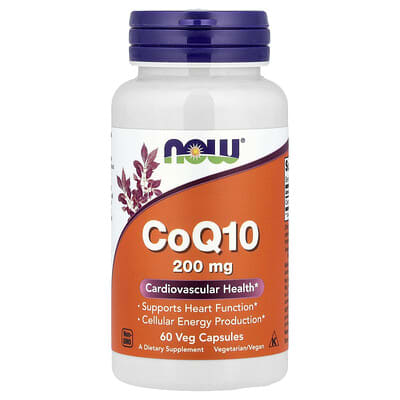
NOW Foods CoQ10 100 mg (iHerb): Take 1 softgel 1 to 2 times daily with food (as stated on that page).
Doctor’s Best CoQ10 100 mg (iHerb): Take 1 softgel daily, preferably with food for maximum absorption (as stated on that page).
Naturecan CoQ10 Capsules: Consume one capsule per day with a glass of water, at whatever time suits your needs best (as stated on that page).
Best Time to Take CoQ10 (Timing and With/Without Food)
Morning vs evening timing: Not specified on the source page.
With/without food depends on the product. Two iHerb AU listings (NOW Foods and Doctor’s Best) explicitly recommend taking CoQ10 with food. Naturecan states once daily at whatever time suits your needs best (as stated on their page).
Ubiquinone vs ubiquinol: Healthylife explains ubiquinone (oxidised) is associated with mitochondrial energy production (ATP), while ubiquinol (reduced) functions as an antioxidant in blood and cell membranes. Healthylife also discusses that solubilised formulations can have greater bioavailability than non-solubilised powder-based products, and that solubilised ubiquinol may be better than solubilised ubiquinone (as described on that page).
Label examples from iHerb AU:
NOW Foods CoQ10: lists 100 mg CoQ10 per softgel, plus notes about being “pharmaceutical grade” and “all-trans” form produced by fermentation (as stated on that page).
Doctor’s Best High Absorption CoQ10: lists CoQ10 (ubiquinone) 100 mg per softgel and includes BioPerine® (black pepper extract) to enhance absorption/bioavailability (as stated on that page).
Independent third-party testing comparisons across brands and an evidence-ranked “best CoQ10 in Australia” list: Not specified on the source page.
Healthylife states CoQ10 is “very safe” and reports no serious adverse effects even with long-term use, while noting that gastrointestinal effects (abdominal discomfort, nausea, vomiting, diarrhoea, anorexia) have occurred, and that allergic rash and headache have also been reported (as stated on that page). Healthylife also notes CoQ10’s antiplatelet effect may increase bleeding risk for high-risk patients.
Healthylife states that because safety during pregnancy and lactation has not been proven, CoQ10 should not be used during these times unless potential clinical benefit outweighs risks (as stated on that page).
Healthylife states CoQ10 supplements are generally well tolerated with relatively few adverse effects or potential drug interactions, but also notes an antiplatelet effect that may increase bleeding risk for high-risk patients (as stated on that page). Specific drug-by-drug interaction lists: Not specified on the source page.
If you use medications that affect bleeding risk, or if you have a bleeding disorder, discuss CoQ10 with your clinician before starting.
1) What’s the difference between ubiquinone and ubiquinol?
Healthylife explains ubiquinone is the oxidised form located in mitochondria involved in generating ATP (cellular energy), while ubiquinol is the reduced form found in blood and cell membranes where it functions as an antioxidant. Healthylife describes them as a redox pair that can be converted into each other by the body.
Healthylife lists meat, fish, nuts and some oils as the richest nutritional sources, with much lower levels in most dairy products, vegetables, fruits and cereals (as stated on that page).
A universal dose for all goals: Not specified on the source page. Healthylife reports CHF research includes doses ranging from 60–200 mg/day, while product labels vary (for example, NOW Foods suggests 1 softgel 1–2 times daily with food, and Doctor’s Best suggests 1 softgel daily with food; Naturecan suggests 1 capsule daily).
Healthylife states CoQ10 is very safe with no serious adverse effects reported even with long-term use, while noting some gastrointestinal effects and occasional rash or headache. Healthylife also notes an antiplatelet effect that may increase bleeding risk for high-risk patients and states safety in pregnancy/lactation has not been proven.
[Browse CoQ10 on iHerb AU: https://au.iherb.com/search?kw=coq10]
[Naturecan AU CoQ10 Capsules: https://www.naturecan.com.au/products/q10-capsules]
Disclaimer: This article is general information only and is not medical advice. If you are pregnant or breastfeeding, under 18, have a medical condition, or take prescription medication, speak with your GP or pharmacist before starting supplements.
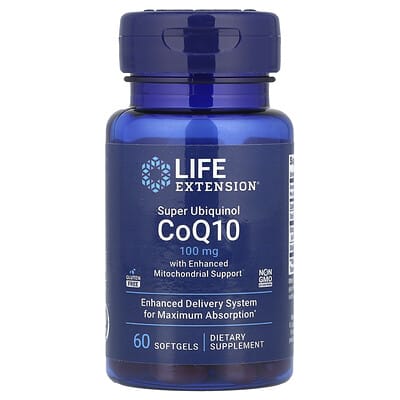
Life Extension, Super Ubiquinol CoQ10 with Enhanced Mitochondrial Support, 30 Softgels Offer now available for the Life Extension, Super Ubiquinol CoQ10 with Enhanced Mitochondrial Support, 30 Softgels. On sale with world wide delivery. Gluten-free Non-GMO LE Certified Enhanced Delivery System for Maximum Absorption Food Supplement Made with Quality Q+ ® , Kaneka Ubiquinol™ What Is Super Ubiquinol CoQ10? CoQ10 is essential…
Quick take: iHerb makes it easy to browse supplements, protein, wellness products, and healthy pantry staples in one place. It’s a handy option for comparing ingredients, brands, and customer reviews before choosing what suits your goals.
Quick take: iHerb makes it easy to browse supplements, protein, wellness products, and healthy pantry staples in one place. It’s a handy option for comparing ingredients, brands, and customer reviews before choosing what suits your goals.