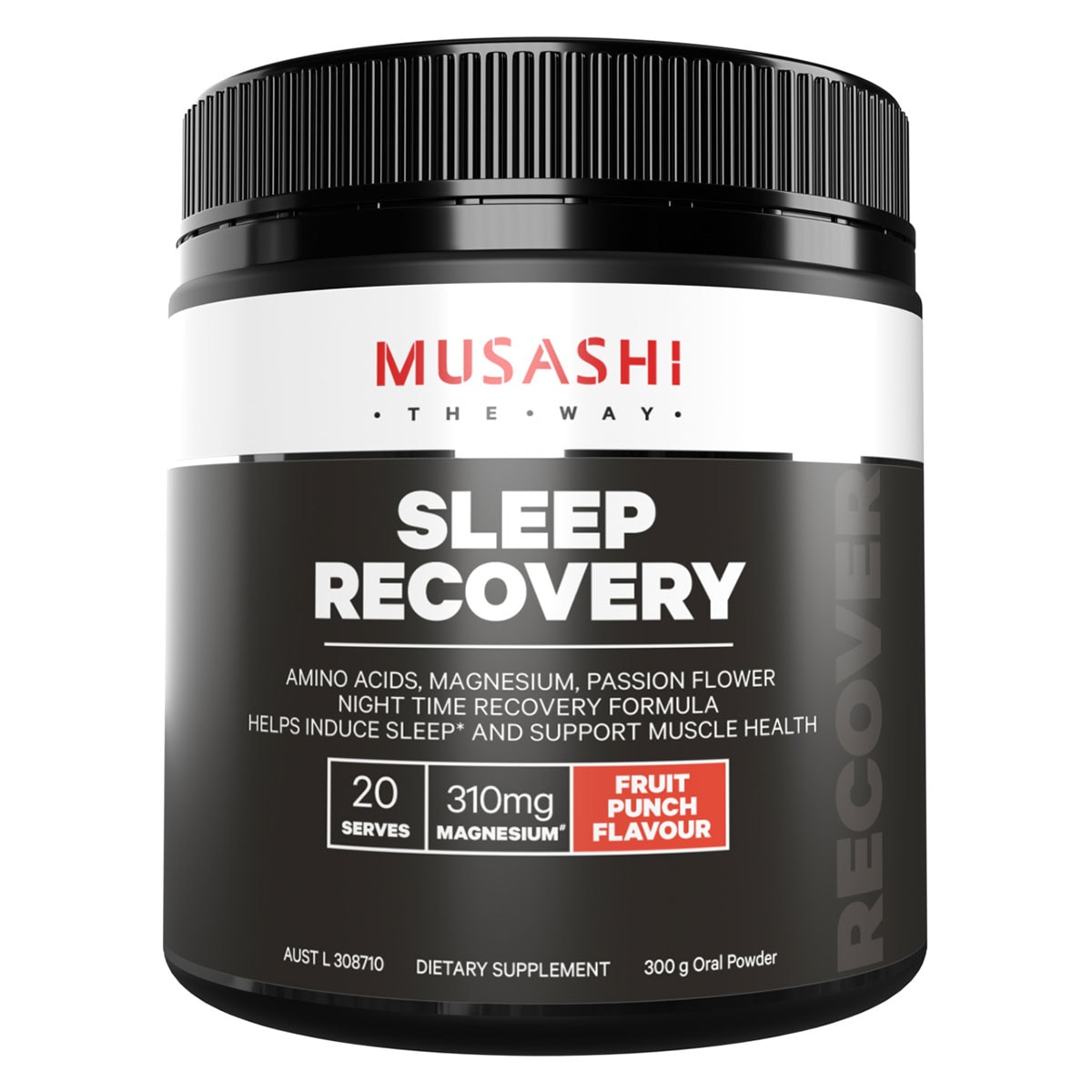
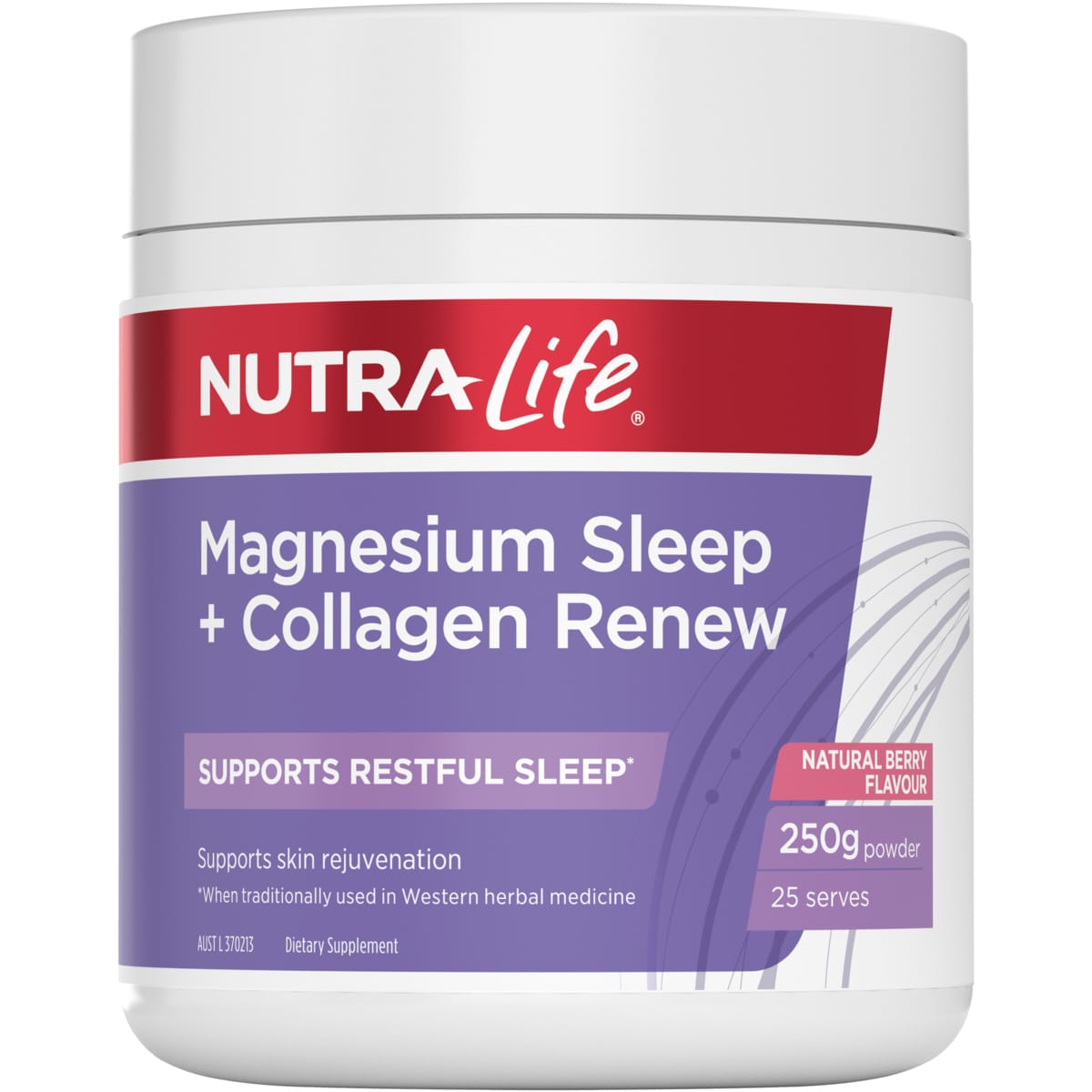
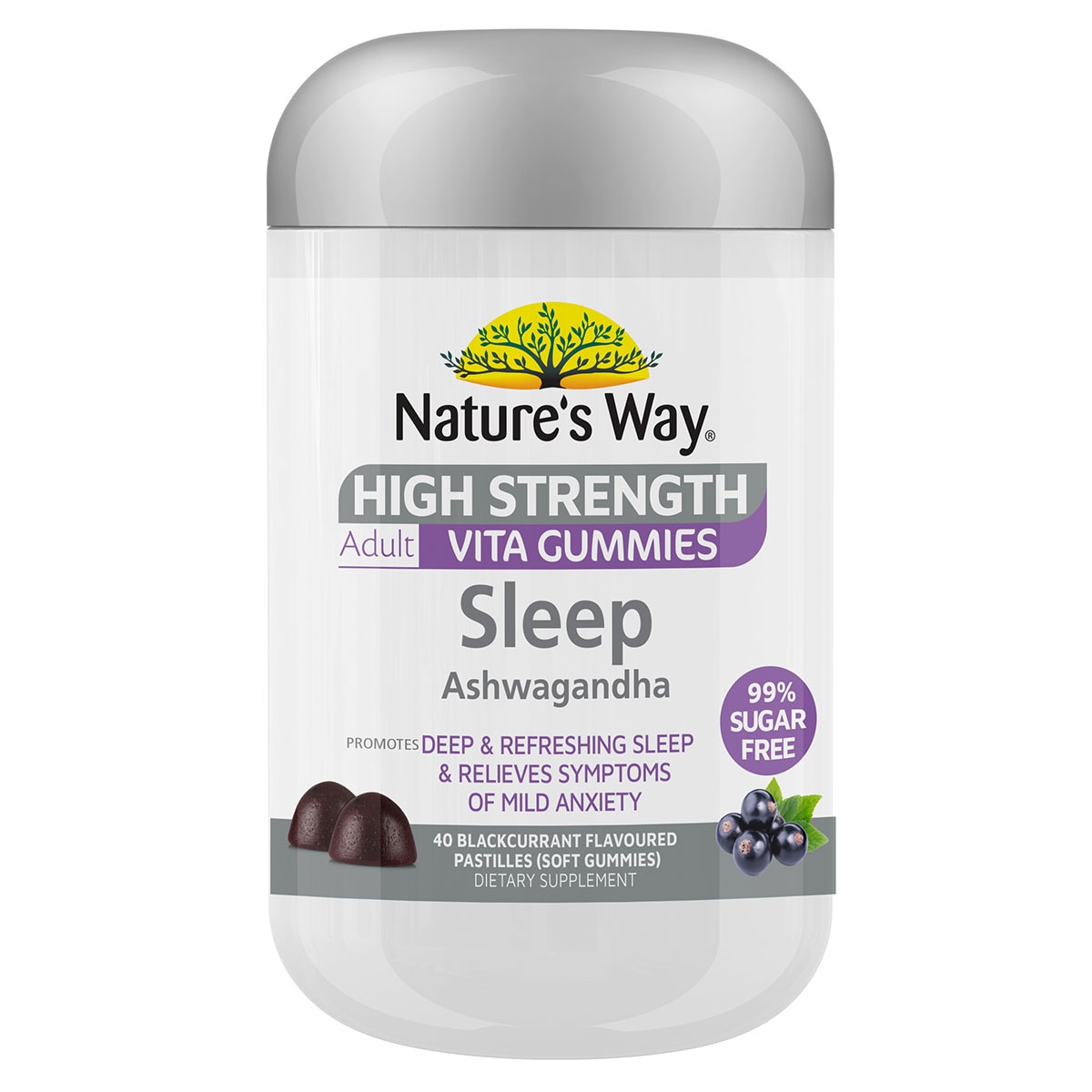
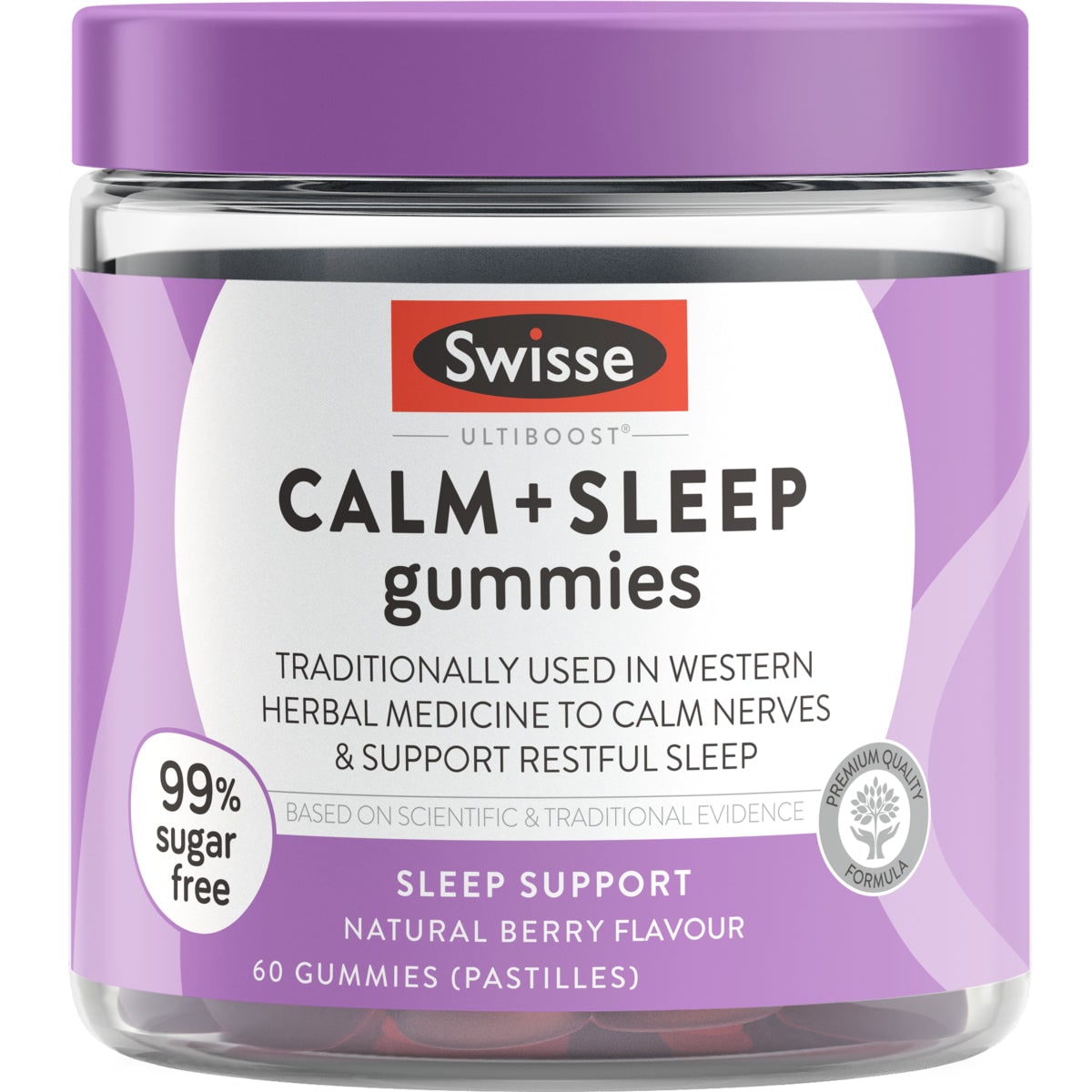
Here are the sleep supplements with the best “signal” (or most common use) in the evidence, plus what they’re most appropriate for, and key safety notes. If you tell me whether your issue is falling asleep, staying asleep, or waking too early, I can rank these more precisely.
1) Melatonin (best for body-clock problems, not a sedative)
Most useful when: jet lag, shift-work, or a delayed sleep schedule (circadian rhythm issues). NCCIH notes short-term use appears safe for most people, but long-term safety is not well established. (NCCIH) For chronic insomnia: The American Academy of Sleep Medicine (AASM) guideline suggests clinicians not use melatonin for sleep-onset or sleep-maintenance insomnia in adults (a “weak” recommendation, reflecting limited/variable evidence). (PubMed)
Australia-specific safety note: The TGA has warned that imported/unregistered online melatonin products can be wildly inconsistent (some far above label claim, some with little/none), creating real safety risk. (Therapeutic Goods Administration (TGA))
2) Magnesium (best when deficiency/low intake is plausible; evidence is mixed but promising in older adults)
Most useful when: sleep quality issues in people who may have low magnesium intake; it’s also often chosen when muscle cramps/restlessness are part of the picture (mechanism and certainty vary). One randomized, double-blind trial in older adults with insomnia used 500 mg magnesium daily for 8 weeks and found improvements in several subjective sleep measures versus placebo. (PMC) Interaction caution: Magnesium can interfere with absorption of some medicines (including certain antibiotics and bisphosphonates) and can interact with other drug classes; NIH ODS outlines key interactions. (ods.od.nih.gov)
3) Glycine (small human studies; typically 3 g before bed)
Most useful when: “wired but tired” sleep, shallow sleep, next-day fatigue; evidence base is smaller than melatonin/magnesium. A review summarises human research where 3 g glycine before bedtime improved subjective sleep quality and next-day sleepiness/fatigue in people with insomniac tendencies or sleep restriction. (PMC)
4) L-theanine (calming; evidence variable)
Most useful when: sleep is disrupted by stress/anxiety or rumination (calm focus/relaxation angle). A recent review of common sleep supplements notes L-theanine is frequently used for sleep support, but clinical trial evidence varies widely. (PMC) (If you want, I can narrow to doses that have actually been studied and shown benefit in specific trials—evidence is not uniform.)
5) Valerian (not recommended for chronic insomnia)
NCCIH states evidence for valerian in sleep problems is inconsistent, and notes the AASM guideline recommended against valerian for chronic insomnia in adults. (NCCIH)
6) Tryptophan (not recommended for chronic insomnia)
The AASM guideline also suggests clinicians not use tryptophan for chronic insomnia in adults (weak recommendation). (PubMed)
Practical way to choose (without overbuying)
If you’re travelling / jet lag / shifted sleep schedule: melatonin (short-term, preferably regulated supply in Australia). (NCCIH)
If you’re waking a lot / sleep quality feels poor and you may be low in magnesium: magnesium (watch interactions). (PMC)
If stress/racing thoughts are the main driver: L-theanine first; glycine is another option. (PMC)
Avoid relying on: valerian and tryptophan for chronic insomnia (guidelines advise against). (NCCIH)
Important safety flags (worth treating as “check with pharmacist/GP first”)
You’re on blood pressure meds, nitrates, sedatives, or multiple prescriptions.
You have sleep apnea, significant snoring, or daytime sleepiness (supplements won’t address airway obstruction).
Vitamins, Minerals & Dietary Supplements for Health & Wellness | Health Supplements Offer now available for the Vitamins, Minerals & Dietary Supplements for Health & Wellness | Health Supplements. On sale with world wide delivery. Shop premium vitamins, minerals & dietary supplements for immunity, energy, digestion and overall wellness. Buy trusted health supplements online in Australia.. Browse our extensive range of products.…
The Smurfs, Kids' Gummy, Restful Sleep, Ages 3+, Smurf Berry, 50 Gummies Offer now available for the The Smurfs, Kids' Gummy, Restful Sleep, Ages 3+, Smurf Berry, 50 Gummies. On sale with world wide delivery. Made With Fruit Juice/Puree Doctor Developed 1 mg Melatonin Plus Herbals Dietary Supplement Supports Occasional Sleeplessness Gluten/GMO Free. Browse our extensive range of The Smurfs products. Found…
Irwin Naturals, Sleep Fit + PM Fat Burner, 60 Liquid Softgels Offer now available for the Irwin Naturals, Sleep Fit + PM Fat Burner, 60 Liquid Softgels. On sale with world wide delivery. Featuring ThermoGP® Non-Stimulating Dual-Action Formula to Help You Burn Fat While Getting a Restful Night's Sleep Dietary Supplement No Preservatives Added Quality Tested Pass Guaranteed Sleep Fit +…
Carusos Ashwagandha + Sleep 30 Tablets | Healthylife Carusos Carusos Ashwagandha + Sleep 30 Tablets. Tablet supplement (30 Tablets) Available from Healthylife; check current product details, price and availability before ordering.
Quick take: iHerb makes it easy to browse supplements, protein, wellness products, and healthy pantry staples in one place. It’s a handy option for comparing ingredients, brands, and customer reviews before choosing what suits your goals.
Quick take: iHerb makes it easy to browse supplements, protein, wellness products, and healthy pantry staples in one place. It’s a handy option for comparing ingredients, brands, and customer reviews before choosing what suits your goals.