Ashwagandha is one of the most talked-about herbal supplements in the wellness world. It is often promoted for stress, anxiety, sleep, performance, testosterone, and “adaptogen” benefits. But what is it actually used for in a factual, evidence-based sense?
The honest answer is narrower than the hype. Ashwagandha is mainly used as an herbal supplement for stress support and, in some cases, sleep support. There is also some limited research into areas such as male fertility and testosterone, but the evidence is not strong enough to treat it as a proven fix for a wide range of health problems.
That does not mean ashwagandha is useless. It means it should be understood properly: as a botanical supplement with some promising research in a few areas, but also with real safety considerations and many unanswered questions.
What Ashwagandha Is
Ashwagandha, also known as Withania somnifera, is a plant used in traditional Ayurvedic medicine. Most commercial supplements use extracts from the root, although some products contain both root and leaf extracts. It is often described as an “adaptogen,” meaning a substance traditionally believed to help the body cope with stress, but that term is more of a traditional or marketing concept than a precise medical claim.
What Ashwagandha Is Mainly Used For
1. Stress Support
This is the clearest and most credible modern use. Research reviewed by the NIH Office of Dietary Supplements suggests that some ashwagandha extracts may help reduce perceived stress and may lower cortisol levels in some adults. That is why stress support is the main evidence-based lane for ashwagandha.
That said, this does not mean every product works the same way. Different studies have used different extracts, doses, and participant groups, so the results should be viewed as promising rather than universal.
2. Sleep Support
Ashwagandha is also commonly used for sleep, and this is another area where there is some supportive evidence. Studies reviewed by NIH suggest some ashwagandha extracts may modestly improve sleep, particularly in people with insomnia, with benefits looking more noticeable in some trials using around 600 mg per day for at least 8 weeks.
Still, it is not a guaranteed sleep fix. Poor sleep can be caused by stress, pain, sleep apnoea, reflux, alcohol, medication, anxiety, depression, or poor sleep habits. Ashwagandha is not a replacement for addressing those causes.
3. Anxiety Support
Ashwagandha is often sold for anxiety, but the evidence here is more mixed. NIH notes that some studies suggest reductions in anxiety symptoms, but NCCIH says the evidence is still unclear. That is an important distinction. There may be benefit for some people, but it is not as settled as many supplement ads suggest.
Other Uses People Talk About — and the Reality
Male Fertility and Testosterone
Ashwagandha is often marketed for testosterone and male vitality. At the moment, the evidence is limited rather than definitive. NCCIH notes some limited evidence suggesting that taking ashwagandha for 2 to 4 months may increase testosterone levels and sperm quality in some men, but this should not be treated as a guaranteed or broadly proven result.
Athletic Performance
Some supplement brands promote ashwagandha for strength, endurance, or exercise recovery. Right now, there is not enough high-quality evidence to confidently say it is broadly useful for athletic performance. It is better known for stress and sleep than for sports performance.
Cognition, Menopause, Diabetes, and Other Claims
Ashwagandha is also promoted for memory, menopause symptoms, blood sugar, female fertility, and general vitality. According to NCCIH, there is not enough evidence to determine whether it is helpful for these conditions. In other words, these claims are still ahead of the science.
Why People Feel Interested in Ashwagandha
Ashwagandha sits in a popular part of the supplement market because it overlaps with several real modern problems: stress, poor sleep, fatigue, and the desire to “feel more resilient.” That makes it attractive. But attraction is not the same as proof. The best way to think about ashwagandha is as a supplement with some evidence in a few specific areas, not as a miracle herb that fixes everything.
How Long Does It Take to Work?
In clinical trials, ashwagandha has often been studied over about 6 to 12 weeks. That means it is not usually positioned as an instant-effect supplement. If someone does notice benefit, it is more likely to happen over weeks than overnight.
Common Doses Used in Studies
One challenge with ashwagandha is that products vary a lot. Different studies have used different extracts and doses. In the NIH-reviewed sleep studies, doses ranged from 250 to 600 mg per day for root extract, while one study used 120 mg per day of a root-and-leaf extract. For stress studies, many products have also been studied in the several-hundred-milligram range.
That variation matters because “ashwagandha” is not one single standardised product. A capsule with one extract may not behave the same way as another.
What the Side Effects Can Be
Ashwagandha appears to be reasonably well tolerated in the short term for many people, but that does not mean it is risk-free. Common side effects reported in research and clinical summaries include:
Stomach upset
Loose stools or diarrhoea
Nausea
Drowsiness
Vomiting in some cases
These are usually described as mild, but there have also been reports of more serious problems.
The Important Safety Warnings Most Ads Skip
Liver Injury
Rare cases of liver injury have been linked to ashwagandha supplements. Reported cases have included symptoms such as jaundice, itching, nausea, lethargy, abdominal discomfort, and abnormal bilirubin levels. Many people improved after stopping the supplement, but this is still an important warning sign.
Pregnancy and Breastfeeding
Ashwagandha should be avoided during pregnancy and should not be used while breastfeeding.
Thyroid Effects
Ashwagandha may affect thyroid function. Some studies and case reports suggest it can increase thyroid hormone levels in some people. That means people with thyroid disorders or those taking thyroid medication should be cautious and speak with a doctor before using it.
Autoimmune Conditions and Surgery
NCCIH advises against using ashwagandha in people with autoimmune disorders and in people who are about to have surgery.
Medication Interactions Matter
This is one of the biggest reasons not to treat herbs as harmless just because they are natural. NCCIH notes that ashwagandha may interact with medications including:
Sedatives and anti-anxiety medicines
Thyroid hormone medicines
Diabetes medicines
Blood pressure medicines
Immunosuppressants
Anti-seizure medicines
NCCIH also specifically notes preliminary evidence that ashwagandha may increase the effects and side effects of some benzodiazepines and other sedating medicines. That is a real safety issue, not a minor footnote.
Who Should Be Careful or Avoid It?
Ashwagandha is not a good “try it and see” supplement for everyone. Extra caution is sensible if you:
Are pregnant
Are breastfeeding
Have liver disease
Have a thyroid disorder
Have an autoimmune condition
Take sedatives, thyroid medication, diabetes medication, blood pressure medication, anticonvulsants, or immunosuppressants
Are about to have surgery
Short-Term Use vs Long-Term Use
This is another area where honesty matters. NCCIH says ashwagandha may be safe when taken in the short term, up to about 3 months, but there is not enough information to draw conclusions about its long-term safety. So while it is often marketed like something people can take forever without concern, the evidence does not really support that level of certainty.
What Ashwagandha Is Not
Ashwagandha is not a cure for chronic anxiety disorders, not a replacement for therapy, not a proven testosterone booster for everyone, not a proven athletic-performance enhancer, and not a substitute for sleep hygiene, stress management, or proper medical care.
It may be a useful supplement in some situations, especially for stress and possibly sleep, but it should stay in that realistic lane.
The Bottom Line on Ashwagandha
Ashwagandha is mainly used for stress support and, to a lesser extent, sleep support. There is also some limited evidence around areas such as testosterone and sperm quality, but many other popular claims remain unproven.
The most useful way to think about it is this: ashwagandha is promising, not magical. It has some evidence, but it also has real cautions. That makes it worth respecting, not blindly trusting.
Quick Takeaways
Ashwagandha is mainly used for stress support.
Some studies suggest it may also modestly help sleep.
Evidence for anxiety is less clear than many ads suggest.
There is limited evidence for testosterone and sperm-quality benefits in some men.
Short-term use appears better studied than long-term use.
Side effects can include stomach upset, diarrhoea, nausea, drowsiness, and vomiting.
Rare cases of liver injury have been reported.
It may interact with sedatives, thyroid medicines, diabetes medicines, blood pressure medicines, anticonvulsants, and immunosuppressants.
It should be avoided in pregnancy and not used while breastfeeding.
Frequently Asked Questions
What is ashwagandha mainly used for?
Ashwagandha is mainly used for stress support, and some preparations are also used for sleep support.
Does ashwagandha really help anxiety?
Some studies suggest it may help, but current evidence is still unclear, so it should not be treated as a proven anxiety treatment.
Can ashwagandha help you sleep?
Some research suggests it may modestly improve sleep, especially in some people with insomnia, but it is not a guaranteed sleep remedy.
Is ashwagandha safe?
It may be safe for short-term use in many people, but long-term safety is not well established, and there are important risks and interactions to consider.
Can ashwagandha affect the liver?
Yes. Rare cases of liver injury have been linked to ashwagandha supplements.
Who should avoid ashwagandha?
It should be avoided during pregnancy and not used while breastfeeding. People with liver disease, thyroid disorders, autoimmune conditions, or medication interactions should also be cautious.
Can you take ashwagandha with sleeping tablets or anti-anxiety medicines?
Not without checking with a health professional first, because ashwagandha may increase the effects and side effects of some sedatives and related medicines.
Medical note: This article is for general education only and does not replace medical advice. If you have a thyroid condition, autoimmune disease, liver disease, take prescription medicines, or are pregnant or breastfeeding, speak with your doctor or pharmacist before using ashwagandha.
Most popular sponsored products
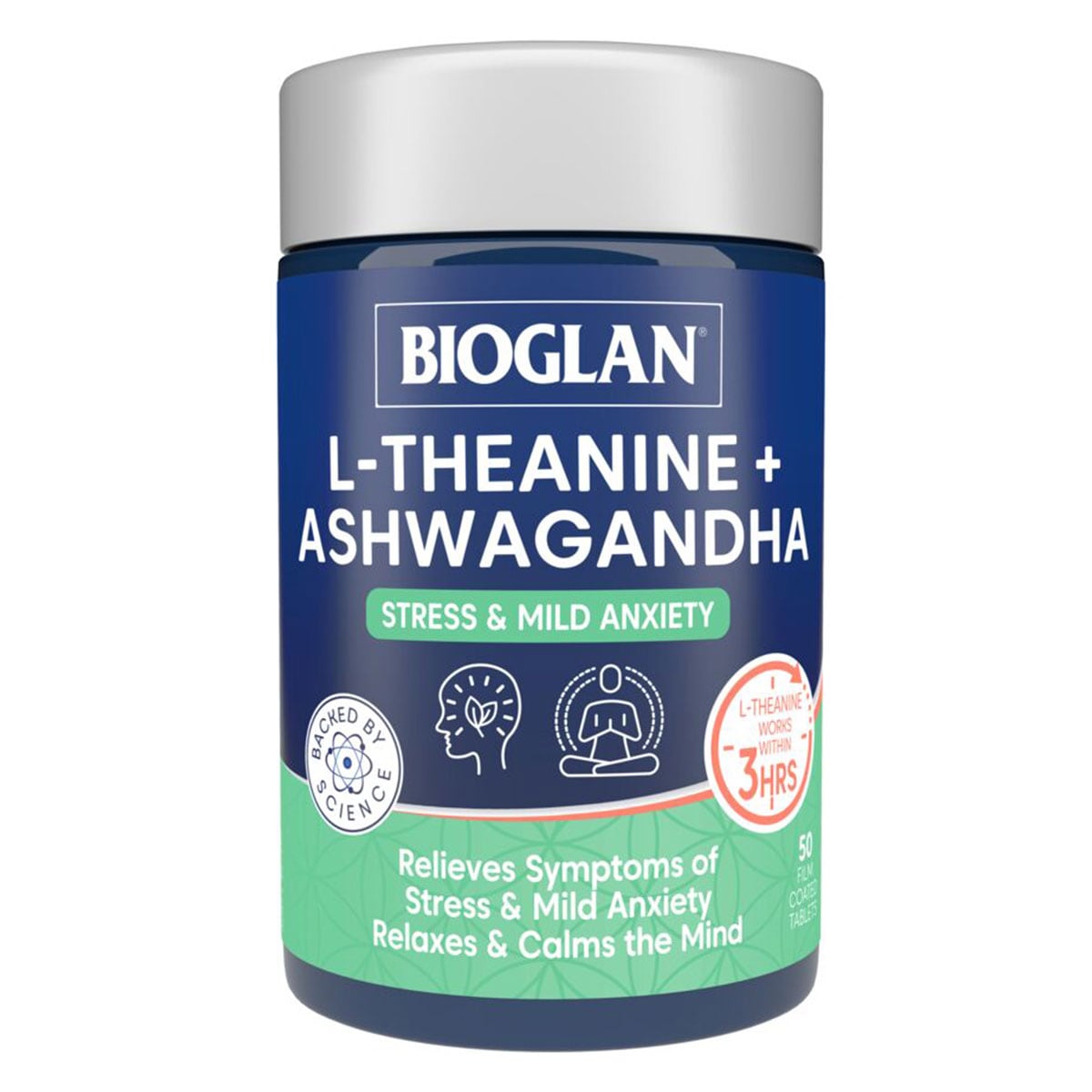
Bioglan Ashwagandha Plus 60 Tablets | Healthylife Offer now available for the Bioglan Ashwagandha Plus 60 Tablets | Healthylife. On sale with world wide delivery. Bioglan Ashwagandha Plus has the organic Ashwagandha KSM-66 extract. It helps relieve symptoms of stress, mild anxiety and irritability, also has vit B5 & lemon balm.. Browse our extensive range of products.…
Lemme, Chill, Ashwagandha Gummies, Mixed Berry, 60 Gummies Offer now available for the Lemme, Chill, Ashwagandha Gummies, Mixed Berry, 60 Gummies. On sale with world wide delivery. Passionflower and lemon balm, with clinically-studied ashwagandha Food Supplement De-Stress & Unwind Gluten-free non-GMO Clinically tested KSM-66® No Synthetic Colours Gelatine free Vegetarian Flavoured with other natural flavours No stress zone:…
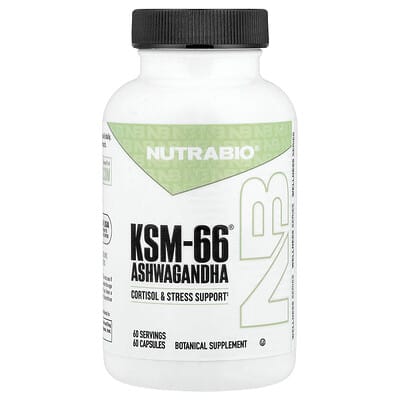
NutraBio, KSM-66®, Ashwagandha, 90 Capsules NutraBio NutraBio, KSM-66®, Ashwagandha, 90 Capsules. Includes 90 Capsules. Check current details, price and availability at iHerb.
Quick take: iHerb makes it easy to browse supplements, protein, wellness products, and healthy pantry staples in one place. It’s a handy option for comparing ingredients, brands, and customer reviews before choosing what suits your goals.
Quick take: iHerb makes it easy to browse supplements, protein, wellness products, and healthy pantry staples in one place. It’s a handy option for comparing ingredients, brands, and customer reviews before choosing what suits your goals.