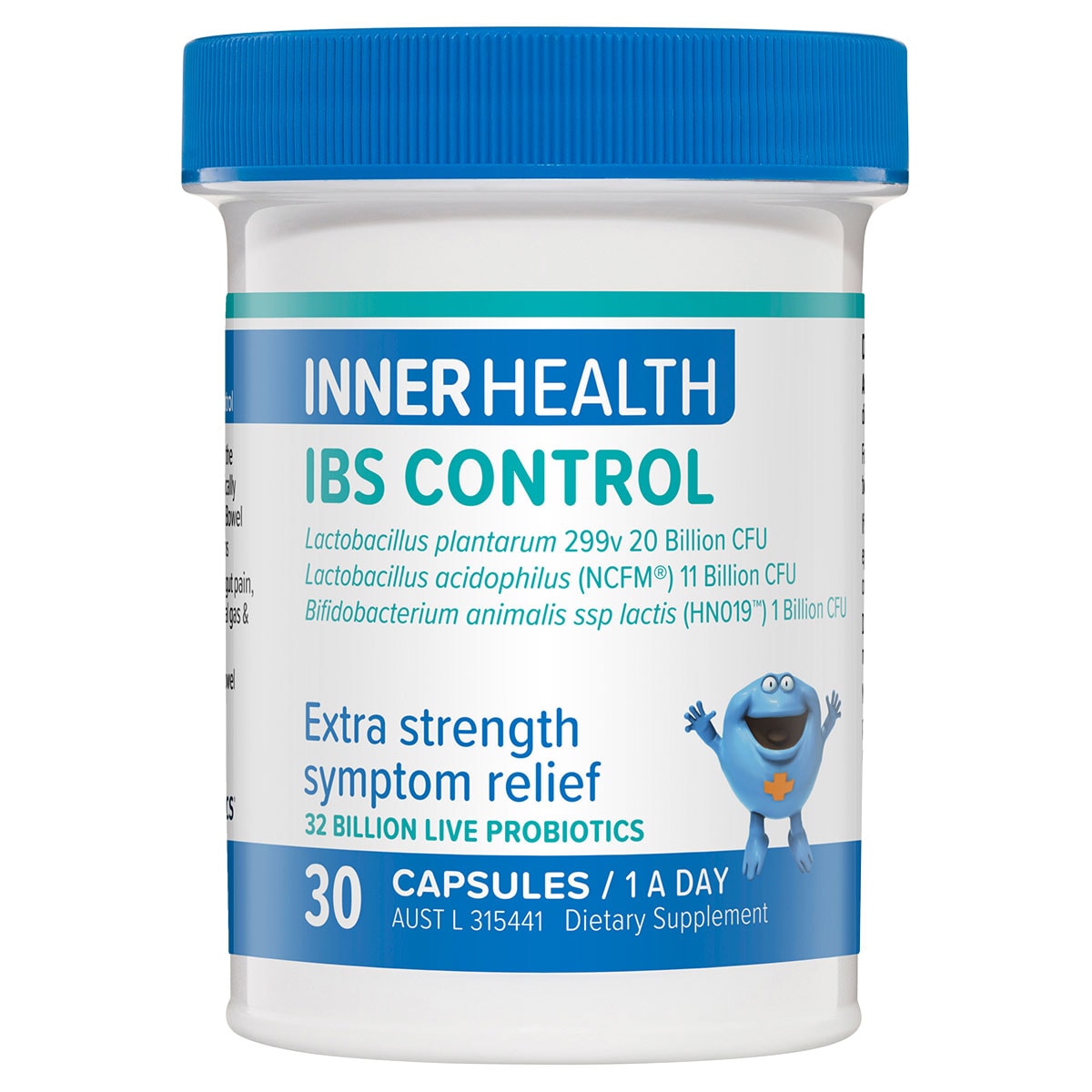
Probiotics are live microorganisms that, when administered in adequate amounts, confer a health benefit on the host. In plain language, they are certain bacteria or yeasts used in foods and supplements that may help in some specific health situations. The key word is specific. Probiotics are not one single thing, and they do not all do the same job.
That matters because probiotics are often sold as a catch-all answer for bloating, digestion, immunity, skin, mood, and “gut health.” Some of those claims are better supported than others. Some probiotics may help in certain conditions, but the benefits depend on the exact strain, the dose, the product quality, and the reason for taking it.
What Probiotics Actually Are
Probiotics are live microorganisms, most often bacteria such as Lactobacillus or Bifidobacterium, and sometimes the yeast Saccharomyces boulardii. They can be found in fermented foods and in supplement products. Not every fermented food automatically counts as a probiotic, and not every supplement has the same evidence behind it.
The Most Important Point: Strain Matters
One of the biggest mistakes people make is talking about probiotics as if they were interchangeable. They are not. Benefits seen with one strain cannot automatically be assumed for another strain, even if the label uses the same broad category of bacteria. This is why a vague claim like “probiotics are good for gut health” is often not enough to make a product worth buying.
What Probiotics Are Used For
1. Supporting Gut Microbiota After Antibiotics
One of the most common reasons people use probiotics is to help support the gut microbiota during or after antibiotic use. Some probiotic products have been studied for reducing the risk of antibiotic-associated diarrhoea, although results vary by strain and population. This is one of the more practical real-world uses people discuss with pharmacists and clinicians.
2. Reducing the Risk of Antibiotic-Associated Diarrhoea
This is one of the better-known uses. The NIH notes that probiotics have been studied for preventing antibiotic-associated diarrhoea and Clostridioides difficile-associated diarrhoea, though not every product works the same way. Some evidence reviews support benefit in certain settings, but the choice of strain matters.
3. Some Types of Irritable Bowel Syndrome Support
Probiotics are also commonly used by people with irritable bowel syndrome, especially for bloating, gas, or stool-related symptoms. The evidence is mixed overall, but some strains or multi-strain products may help some people. That does not mean every probiotic works for IBS, only that probiotics remain one of the more commonly tried supplement options in this area.
4. Digestive Symptom Support in Some People
Some people try probiotics for general digestive complaints such as bloating or irregularity. The reality is less dramatic than the marketing. They may help some people, but not others, and the underlying cause of symptoms matters. Ongoing symptoms should not be written off as something a random probiotic will fix.
5. Certain Infant and Clinical Uses Under Medical Guidance
Probiotics have also been studied in certain infant and hospital settings, including necrotizing enterocolitis prevention in very-low-birthweight infants, but these are clinical uses that belong in the hands of medical professionals rather than general self-prescribing.
What Probiotics Are Not Guaranteed to Do
Probiotics are often promoted for immunity, mental health, weight loss, eczema, acne, vaginal health, and general inflammation. Some of these areas are being studied, but the evidence is inconsistent or strain-specific, and many claims are much stronger in advertising than in clinical guidance. It is more accurate to say that some probiotics may help with some outcomes in some populations than to say probiotics broadly “boost health.”
Probiotics and “Gut Health”: Why the Phrase Can Be Misleading
“Gut health” is a popular phrase, but it is often too broad to mean much. A product can sound impressive without telling you which strain it contains, how much it provides, what condition it was studied for, or whether it survives long enough to be useful. The better question is not “Is this good for gut health?” but “What exact strain is in this product, and what has it actually been studied for?”
Food Sources vs Supplements
Probiotics can come from fermented foods such as yoghurt, kefir, kimchi, sauerkraut, and some cultured drinks, but supplement products are usually more targeted when people are looking for a specific strain or dose. Food can be a sensible first step for many healthy adults, while supplements are more often used when someone is targeting a particular digestive or clinical reason.
How Long Do Probiotics Take to Work?
There is no single answer because it depends on the reason for use, the strain, the dose, and the person. In studies, probiotics are often used for days to several weeks, and benefits, when they happen, are usually modest rather than dramatic. If a product is going to help, it often becomes clearer over a few weeks rather than after one capsule.
Are More CFUs Always Better?
Not necessarily. CFU stands for colony-forming units, which estimates the number of live microorganisms in a product. A bigger number does not automatically mean a better result. The more important questions are whether the strain is appropriate, whether the dose matches studied use, and whether the product remains viable through shelf life.
Are Probiotics Safe?
For most healthy people, probiotics are generally considered safe, and side effects are usually mild digestive symptoms such as gas or bloating when first starting. But “generally safe” is not the same as “risk-free for everyone.” Safety depends on the person’s health status, the product, and the setting.
Who Should Be More Careful?
People who are immunocompromised, critically ill, have central venous catheters, or have serious underlying illnesses should not casually self-prescribe probiotics without medical advice. There have been rare cases of bloodstream infections and sepsis linked to probiotic organisms in vulnerable people. Premature infants and medically fragile patients also require clinician oversight.
Quality Matters More Than Marketing
With probiotics, a glossy label means very little on its own. A useful product should clearly identify the genus, species, and strain, provide the number of live organisms through the end of shelf life, and ideally show evidence tied to that strain. Products that only say “proprietary probiotic blend” without meaningful detail are harder to judge.
Probiotic Myths That Need Clearing Up
“All probiotics do the same thing”
No. Probiotic effects are strain-specific. One strain’s benefit does not automatically apply to another.
“A higher CFU count is always better”
No. The right strain and studied dose matter more than chasing the biggest number on the label.
“If you have bloating, you need a probiotic”
Not necessarily. Bloating can have many causes, including IBS, constipation, lactose intolerance, coeliac disease, food triggers, medication effects, or other digestive conditions. A probiotic may help some people, but it is not an automatic solution.
The Bottom Line on Probiotics
Probiotics are mainly used for specific digestive and clinical purposes, especially supporting the gut microbiota after antibiotics, reducing the risk of antibiotic-associated diarrhoea in some settings, and sometimes helping certain IBS symptoms. Those are the realistic uses. The exact strain matters, the evidence varies, and many broader claims are overstated.
If you want the most useful approach, do not ask whether probiotics are good in general. Ask which strain, for what reason, at what dose, and for how long. That question is far more likely to lead to something factual and worthwhile.
Quick Takeaways
Probiotics are live microorganisms that may provide a health benefit when used in adequate amounts.
They are not all the same; benefits are strain-specific.
One of their better-known uses is reducing the risk of antibiotic-associated diarrhoea in some settings.
Some probiotics may help certain IBS symptoms, but evidence is mixed and product-specific.
For most healthy people they are generally safe, but vulnerable or immunocompromised people need medical advice first.
A higher CFU number does not automatically mean a better probiotic.
Frequently Asked Questions
What are probiotics mainly used for?
Probiotics are mainly used for certain digestive and clinical purposes, especially supporting the gut microbiota after antibiotics and reducing the risk of antibiotic-associated diarrhoea in some situations.
Do probiotics help bloating?
Some probiotic products may help some people with bloating, especially in IBS, but results are mixed and depend on the strain and the cause of symptoms.
Are all probiotics the same?
No. Probiotic benefits are strain-specific, so one product cannot stand in for all probiotics.
Are probiotics safe every day?
For most healthy adults, probiotics are generally considered safe, but people with weakened immune systems or serious illness should get medical advice first.
Should you take probiotics with antibiotics?
Some people use probiotics during or after antibiotics to reduce the risk of antibiotic-associated diarrhoea, but the best product and timing depend on the strain and the person.
Is yoghurt the same as a probiotic supplement?
Not necessarily. Some yoghurts contain live cultures, but a supplement may provide a specific studied strain and dose, which is different from a general fermented food.
Medical note: This article is for general education only and does not replace medical advice. If you are immunocompromised, seriously ill, pregnant, caring for a premature infant, or have persistent bowel symptoms, speak with your doctor before using probiotic supplements.
Quick take: iHerb makes it easy to browse supplements, protein, wellness products, and healthy pantry staples in one place. It’s a handy option for comparing ingredients, brands, and customer reviews before choosing what suits your goals.
Quick take: iHerb makes it easy to browse supplements, protein, wellness products, and healthy pantry staples in one place. It’s a handy option for comparing ingredients, brands, and customer reviews before choosing what suits your goals.