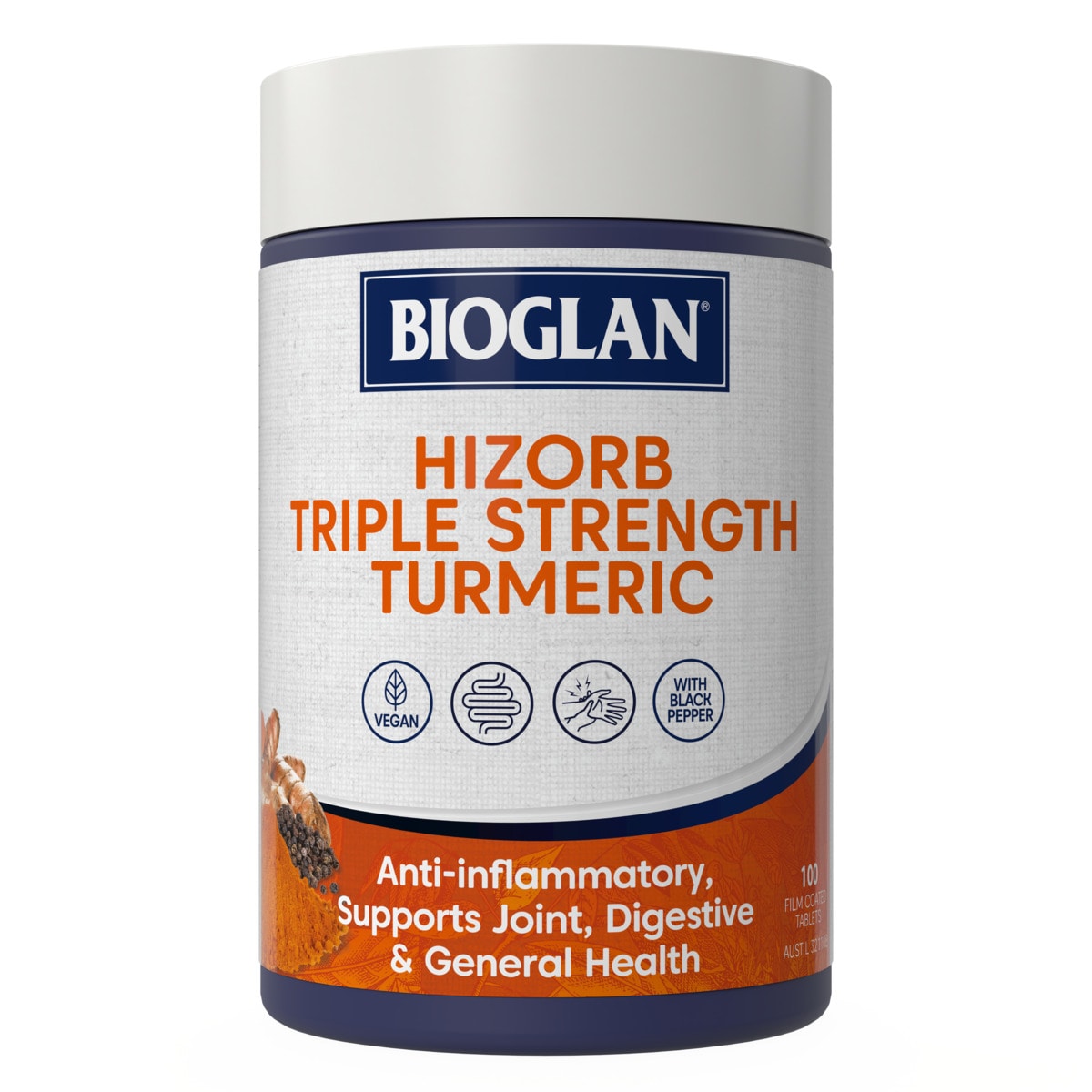
Turmeric is the golden-yellow spice used in curries and traditional herbal practices, while curcumin is one of turmeric’s main active compounds. People often use the terms as if they mean the same thing, but they are not identical. Turmeric is the whole plant ingredient; curcumin is one of the best-known compounds extracted from it.
These supplements are often promoted for inflammation, joint pain, digestion, brain health, liver health, and general wellness. The reality is more measured. Turmeric and curcumin are mainly used for their possible anti-inflammatory effects, especially in relation to joint discomfort such as osteoarthritis, but the evidence is still not strong enough to say they are definitively beneficial for any health purpose.
That does not mean they are useless. It means they should be understood properly: promising in some areas, heavily marketed in many more, and not risk-free.
Turmeric vs Curcumin: What’s the Difference?
Turmeric is the root of Curcuma longa, a plant used as a spice and in traditional medicine. Curcumin is one of the curcuminoids found in turmeric and is the ingredient most often studied in supplements.
This distinction matters because many supplements do not contain plain turmeric powder. They often contain concentrated curcumin extracts or “enhanced absorption” formulas. Those products may behave differently in the body compared with ordinary culinary turmeric.
What Turmeric and Curcumin Are Mainly Used For
1. Joint Pain and Osteoarthritis Support
This is probably the most common evidence-based reason people try turmeric or curcumin. A number of studies have looked at turmeric or curcumin for osteoarthritis, especially knee osteoarthritis. Some reviews suggest they may help reduce pain and improve function in some people, but the overall evidence is still not strong enough for firm conclusions.
So the honest version is this: turmeric and curcumin may help some people with osteoarthritis symptoms, but they should not be presented as a proven replacement for standard treatment, exercise, weight management, or pain-management advice.
2. General Anti-Inflammatory Supplement Use
Turmeric and curcumin are widely used because curcumin has shown anti-inflammatory activity in laboratory research. That is why they are often marketed for “inflammation.” But laboratory findings are not the same as proven clinical benefit in humans. At the moment, there is still insufficient evidence to support turmeric supplementation broadly for inflammatory disorders.
3. Traditional Digestive Uses
Turmeric has a long traditional history of use for digestive complaints. European herbal guidance recognises traditional use of turmeric herbal products for mild digestive disturbances such as feelings of fullness and flatulence. That is different from saying modern curcumin supplements are proven for a wide range of gut conditions.
What Turmeric and Curcumin Are Not Proven to Do
Turmeric and curcumin are often sold for fatty liver disease, high cholesterol, memory, cancer prevention, brain fog, and general disease prevention. Current major health sources do not say the evidence is strong enough to definitively conclude that turmeric or curcumin is beneficial for any health purpose. That is the key reality check.
In other words, these supplements are promising in some research areas, but the marketing is usually much more confident than the science.
The Big Issue Most People Miss: Absorption
One of the biggest challenges with curcumin is that it is naturally absorbed poorly by the body. That is why many supplement companies sell “enhanced absorption,” “bioavailable,” or black pepper-containing formulas. These products are designed to increase how much curcumin gets into the bloodstream.
But there is a catch. Highly bioavailable formulations may also increase the risk of harm, including liver injury in some cases. So better absorption is not automatically a free win.
Turmeric for Joint Pain: Why It Gets So Much Attention
Turmeric gets a lot of attention in fitness and healthy-ageing spaces because people are looking for alternatives or add-ons for aching joints. That interest makes sense. Some people with osteoarthritis want to try something other than painkillers alone, and curcumin’s anti-inflammatory profile sounds appealing.
The sensible view is that turmeric or curcumin may be worth discussing as one possible option for osteoarthritis symptoms, but it is not a magic anti-inflammatory and it does not replace movement, strength work, weight management, or medical care.
Turmeric in Food vs Turmeric Supplements
Using turmeric as a spice in cooking is not the same as taking concentrated curcumin capsules. Food use is generally low dose and part of a meal. Supplements can deliver much larger amounts, especially in concentrated extracts. That difference matters for both potential effect and safety.
For many people, culinary turmeric is a reasonable food ingredient. Supplement use is a different question and deserves more caution.
Common Side Effects
Turmeric and curcumin supplements are often tolerated reasonably well, but side effects can still happen. Common complaints can include stomach upset, nausea, diarrhoea, or other digestive discomfort.
That may not sound dramatic, but it matters because many people take supplements assuming “natural” means side-effect free. It does not.
The Liver Warning People Need to Know
This is one of the most important safety issues. While turmeric has a long history of use, some turmeric and curcumin products have been linked to clinically apparent acute liver injury. Higher-bioavailability products appear to be a particular concern.
That does not mean every turmeric supplement is dangerous. It does mean liver safety should be taken seriously, especially with concentrated extracts or formulas designed to boost absorption.
Who Should Be More Careful?
Turmeric and curcumin supplements are not for blind self-experimenting in everyone. Extra caution makes sense if you:
Have liver disease or a history of abnormal liver tests
Have gallbladder or bile duct problems
Are pregnant or breastfeeding
Take prescription medicines and want to avoid herb-drug interactions
Are considering high-dose or “enhanced absorption” curcumin products
Why “Natural” Does Not Mean Harmless
Turmeric has a wholesome reputation because it is a familiar kitchen spice. But supplement products are not the same thing as sprinkling turmeric into dinner. Concentrated extracts, black pepper combinations, and highly bioavailable formulas can change both the effect and the risk profile.
That is why the safest way to think about turmeric is not “it’s natural, so it must be fine,” but “what form is this, what dose is it, and what is it actually being used for?”
What Turmeric and Curcumin Are Not
They are not a proven cure for chronic pain, not a guaranteed anti-inflammatory treatment, not a proven brain booster, and not a replacement for medical care. They may have a role for some people, especially in the context of osteoarthritis symptoms or traditional digestive use, but they do not deserve the miracle reputation they often get online.
The Bottom Line on Turmeric and Curcumin
Turmeric and curcumin are mainly used for their possible anti-inflammatory effects, especially for joint discomfort such as osteoarthritis, and turmeric also has a recognised traditional role in mild digestive complaints. But current major health sources still say there is not enough evidence to definitively conclude that they are beneficial for any health purpose.
The most honest conclusion is this: turmeric and curcumin are promising, but not proven, and safety matters more than many supplement ads admit.
Quick Takeaways
Turmeric is the whole spice; curcumin is one of its main active compounds.
They are mainly used for possible anti-inflammatory effects, especially in osteoarthritis.
Evidence is still not strong enough to definitively conclude they are beneficial for any health purpose.
Turmeric also has traditional use for mild digestive complaints.
Curcumin is naturally absorbed poorly, so many supplements use enhanced-bioavailability formulas.
Highly bioavailable curcumin products may increase the risk of liver harm.
Concentrated supplements are not the same as using turmeric in cooking.
Frequently Asked Questions
What are turmeric and curcumin mainly used for?
They are mainly used for possible anti-inflammatory effects, especially for joint symptoms such as osteoarthritis, and turmeric also has traditional use for mild digestive complaints.
Is turmeric the same as curcumin?
No. Turmeric is the whole root or spice, while curcumin is one of the best-known compounds found in turmeric.
Does turmeric really help inflammation?
Curcumin has shown anti-inflammatory activity in laboratory research, but there is still insufficient evidence to broadly support turmeric supplementation for inflammatory disorders in humans.
Can turmeric help knee osteoarthritis?
It may help some people with osteoarthritis symptoms, but the evidence is not strong enough for firm conclusions and it should not replace standard care.
Why do turmeric supplements often include black pepper?
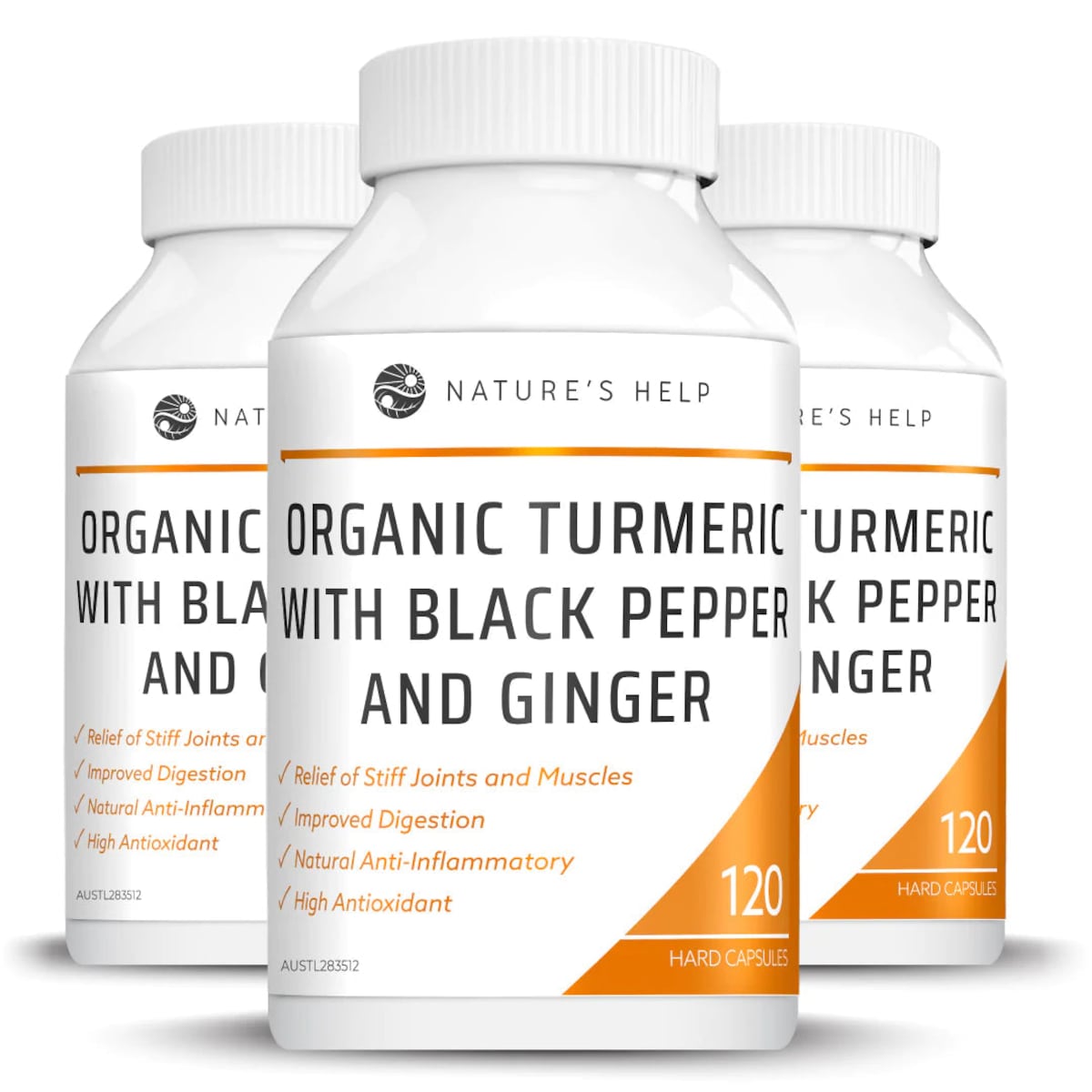
Because curcumin is absorbed poorly, and black pepper ingredients are often added to increase absorption. That may also change the safety profile.
Can turmeric supplements affect the liver?
Yes. Some turmeric and curcumin products, especially highly bioavailable formulations, have been linked to acute liver injury.
Is turmeric in food safer than turmeric capsules?
In general, culinary turmeric is a lower-dose food use, while supplements can provide much more concentrated forms and may carry different risks.
Medical note: This article is for general education only and does not replace medical advice. If you have liver disease, gallbladder problems, are pregnant or breastfeeding, or take prescription medicines, speak with your doctor or pharmacist before using turmeric or curcumin supplements.
Cabot Health Livatone Plus Turmeric Liver & Digestive Support 240 | Healthylife Cabot Health Offer now available for the Cabot Health Livatone Plus Turmeric Liver & Digestive Support 240 | Healthylife. On sale with world wide delivery. Cabot Health Livatone Plus, supports optimal digestive and gallbladder function. The formula could assist the liver in repairing and regenerating itself.. Browse our extensive range of products.…
Turmeric & BioPerine® Capsules Myvitamins Browse Turmeric & BioPerine® Capsules at Myprotein; compare the current range, variants, pricing and availability on the merchant page.
Turmeric & Ginger Gummies Myvitamins Browse Turmeric & Ginger Gummies at Myprotein; compare the current range, variants, pricing and availability on the merchant page.
Quick take: iHerb makes it easy to browse supplements, protein, wellness products, and healthy pantry staples in one place. It’s a handy option for comparing ingredients, brands, and customer reviews before choosing what suits your goals.
Quick take: iHerb makes it easy to browse supplements, protein, wellness products, and healthy pantry staples in one place. It’s a handy option for comparing ingredients, brands, and customer reviews before choosing what suits your goals.