Vitamin D3 Guide: Benefits, Dosage, Safety and Where to Buy
Vitamin D3, also called cholecalciferol, is the form of vitamin D naturally produced in the skin when it is exposed to sunlight. It is also found in some foods and is widely used in supplement form to support normal bones, muscles, calcium absorption and immune function.
California Gold Nutrition, Defender 4, with Vitamin C, Vitamin D, Zinc &… Offer now available for the California Gold Nutrition, Defender 4, with Vitamin C, Vitamin D, Zinc & Selenium, 180 Veggie Capsules. On sale with world wide delivery. California Gold Nutrition® Defender 4 With Vitamins C and D, Zinc, and Selenium Immune System Support* Formulated without Gluten, GMOs, or Soya Produced…
Quick take: iHerb makes it easy to browse supplements, protein, wellness products, and healthy pantry staples in one place. It’s a handy option for comparing ingredients, brands, and customer reviews before choosing what suits your goals.
Vitamin D is often called the “sunshine vitamin” because sunlight is one of the main ways the body makes it. However, many people do not get enough sun exposure year-round, especially during winter, when indoors most of the day, when using strong sun protection, or when living in places with lower UVB exposure.
It is important to keep the claims realistic. Vitamin D3 is useful and important, but it is not a cure for fatigue, depression, arthritis, osteoporosis, infections, autoimmune disease, cancer, weight gain or poor immunity. It works best when used sensibly, ideally based on diet, sun exposure, health status and blood test results.
Affiliate disclosure: This article may contain merchant links. If you purchase through a link, we may earn a commission at no extra cost to you. iHerb has been included at the reader’s request, although its affiliate cookie period may be shorter than the original merchant filter. Always check the product label, vitamin D dose, form, added K2, calcium content, allergens, medication warnings, shipping availability and import rules before buying any supplement.
Quick Answer: What Is Vitamin D3?
Vitamin D3 is a fat-soluble vitamin that helps the body absorb calcium and phosphorus. It supports normal bone health, teeth, muscle function and immune system function. D3 is the form made by the skin from sunlight and is commonly used in supplements.
People commonly use Vitamin D3 for:
Bone and teeth support
Calcium absorption
Muscle function support
Immune system support
Winter wellness routines
People with limited sun exposure
Older adults who may produce less vitamin D from sunlight
People comparing D3, D2 and D3 + K2 supplements
The key safety point is this: more Vitamin D3 is not always better. Vitamin D is fat-soluble, so excess can build up. High-dose products such as 5,000 IU, 10,000 IU or 50,000 IU should not be used casually unless advised by a healthcare professional.
People usually consider Vitamin D3 because they are not getting enough regular sunlight, they live somewhere with long winters, they have darker skin, they are older, or a blood test has shown low vitamin D.
Common reasons people consider Vitamin D3 include:
Bone health: vitamin D helps the body absorb calcium and phosphorus, which are important for bones and teeth.
Muscle function: vitamin D contributes to normal muscle function.
Immune support: vitamin D contributes to normal immune system function.
Low sunlight exposure: people who work indoors, cover most skin outdoors, or avoid the sun may need more dietary vitamin D.
Winter support: in many countries, the skin makes less vitamin D during winter because UVB exposure is lower.
Older age: the skin becomes less efficient at making vitamin D with age.
Deficiency correction: people with low blood levels may be advised to supplement by a doctor.
Vitamin D3 is most useful when it helps correct or prevent low vitamin D. If you already have good blood levels and take a multivitamin, calcium product or D3 + K2 formula, adding more D3 may not provide extra benefit and may increase risk.
Vitamin D3 vs D2 vs D3 + K2
Supplement Type
What It Is
Best For
What to Watch
Vitamin D3
Cholecalciferol, the form made by skin in sunlight
Most general vitamin D supplementation
Often lanolin-derived unless labelled vegan
Vegan Vitamin D3
Usually lichen-derived cholecalciferol
Vegans and people avoiding lanolin
Check that the capsule and carrier oil are also vegan
Vitamin D2
Ergocalciferol, usually plant or fungal-derived
People specifically advised to use D2 or seeking non-animal options
D3 is more common in many supplements
Vitamin D3 + K2
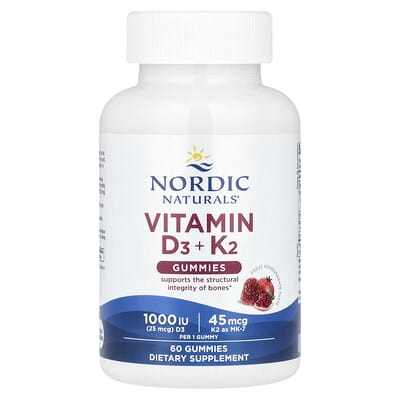
D3 combined with vitamin K2, often MK-7
People wanting a bone-support combination
K2 may not suit people on warfarin or certain blood-thinning therapy
Calcium + D3
Calcium supplement with added vitamin D3
People advised to support calcium intake and vitamin D together
Avoid excess calcium if prone to kidney stones or high blood calcium
Where to Buy Vitamin D3 From Recommended Merchants
Using the updated recommended merchant list, the clearest Vitamin D3 options are from Nutricost, Myprotein, Bulk, Dr. Berg, Qunol and iHerb. Dr. Kellyann has multivitamin products and vitamin D education content, but I would not list it as a direct standalone Vitamin D3 supplier unless a live product page clearly shows a dedicated D3 product. CocoaVia is not a direct Vitamin D3 supplier from the available product evidence.
Nutricost lists Vitamin D3 Softgels with 240 softgels per bottle. The product page shows dose options of 1,000 IU, 2,000 IU, 5,000 IU and 10,000 IU per softgel. It also lists non-GMO, gluten-free, third-party testing and manufacturing in a GMP-compliant, FDA-registered facility.
Best for: people wanting a simple Vitamin D3 softgel with several strength options.
Important note: choose the dose carefully. A 10,000 IU softgel is a high-dose product and should generally be used only with professional guidance.
Nutricost lists Vegan Vitamin D3 Capsules with 5,000 IU vegan-friendly vitamin D3 per serving and 60 servings per bottle. The product page lists vegan-friendly, non-GMO, gluten-free and manufacturing in an NSF Certified, GMP-compliant, FDA-registered facility.
Best for: people wanting a vegan-friendly D3 option rather than lanolin-derived D3.
Important note: 5,000 IU is above the usual adult upper limit of 4,000 IU per day, so it is best used when appropriate and not casually stacked with other D3 products.
Nutricost lists Vitamin D3 Gummies with 120 gummies per bottle and 60 servings. Each gummy contains 2,500 IU of Vitamin D3, and a two-gummy serving provides 5,000 IU. The product page describes them as mixed berry flavoured and low sugar.
Best for: people who prefer gummies instead of capsules or softgels.
Important note: gummies make high-dose D3 easy to take, but a full serving may provide more than many people need daily.
Related Merchant Option: Nutricost Vitamin K2 + D3
Nutricost lists Vitamin K2 + Vitamin D3 Softgels with 100mcg Vitamin K2 as MK-7 and 5,000 IU Vitamin D3 per serving. This is not plain D3; it is a D3 + K2 formula.
Best for: people specifically wanting a D3 + K2 combination.
Important note: people taking warfarin or other vitamin K-sensitive anticoagulant therapy should not add K2 without medical advice.
Myprotein lists Vitamin D3 Softgels with 25mcg of vitamin D per softgel. That equals 1,000 IU. The product page describes support for normal bones, muscles and immune system function.
Best for: people wanting a moderate daily D3 dose from a sports nutrition merchant.
Important note: 25mcg / 1,000 IU is a common daily supplement amount and is less aggressive than 5,000 IU or 10,000 IU products.
Related Merchant Option: Myprotein Liposomal Vitamin D3 + K2 Pipette
Myprotein lists a Well.Actually. Liposomal Vitamin D3 + K2 Pipette in orange mango flavour. The product page describes it as a plant-based Vitamin D3 and K2 product in a pipette format with flexible dosing.
Best for: people who prefer a liquid pipette format and want D3 with K2.
Important note: this is not plain D3. It includes K2, so check medication suitability if you use blood-thinning therapy.
Related Merchant Option: Myprotein Advanced Immune Support with D3
Myprotein lists Well.Actually. Liposomal Advanced Immune Support with vitamin C, D3, K2 and zinc. The product page says each serving provides 1,000mg vitamin C, 2,000 IU vitamin D3, 75mcg vitamin K2 and 10mg zinc.
Best for: people wanting an immune-support blend that includes D3 rather than a standalone D3 product.
Important note: check your other vitamin C, D3, K2 and zinc supplements before combining products.
Bulk lists Vitamin D3 Tablets with 100mcg Vitamin D3 per tablet, equal to 4,000 IU. The product page describes D3 as a fat-soluble vitamin involved in normal bone, muscle and immune function.
Best for: people wanting a high-strength D3 tablet from Bulk.
Important note: 4,000 IU is the usual adult upper-limit level, so this is a high-strength daily product and should not be stacked with other D3 unless advised.
Recommended Merchant Option: Bulk Vitamin D Supplements Category
Bulk also has a Vitamin D supplements category for comparing its Vitamin D range. This can be useful if you want to check live stock, tablet count and current offers.
Best for: readers who already shop with Bulk and want to compare available vitamin D products.
Recommended Merchant Option: Dr. Berg D3 & K2 Vitamin
Dr. Berg lists D3 & K2 Vitamin in 5,000 IU and 10,000 IU D3 options. The 5,000 IU version lists 5,000 IU vitamin D3 and 50mcg vitamin K2 per serving, with MCTs and ox bile included for absorption support.
Best for: people specifically wanting a D3 + K2 formula from Dr. Berg.
Important note: this is not plain D3. It includes K2, MCTs and ox bile. The 10,000 IU option is a high-dose product and should not be used casually.
Related Merchant Option: Dr. Berg Vitamin D3 and K2 Liquid with MCT Oil
Dr. Berg lists Vitamin D3 and K2 Liquid with MCT Oil. The product page says each serving provides 5,000 IU vitamin D3 and 50mcg vitamin K2 in an unflavoured liquid drop format.
Best for: people who prefer liquid drops rather than capsules.
Important note: liquid drops require careful dosing. Do not take extra drops casually, especially if you also take a multivitamin or calcium + D3 product.
Related Merchant Option: Dr. Berg Magnesium Glycinate with Vitamin D3
Dr. Berg lists Magnesium Glycinate with naturally sourced Vitamin D3. This is not a standalone Vitamin D3 product; it is a magnesium formula with added D3, vitamin B6 and zinc.
Best for: people wanting a combined magnesium and D3 formula.
Important note: check your total magnesium, D3, B6 and zinc intake before combining with other supplements.
Related Merchant Option: Qunol Calcium + Magnesium + Zinc with Vitamin D3
Qunol lists Calcium + Magnesium + Zinc Tablets with added Vitamin D3. The product is positioned for bone, nerve, muscle and immune support, with Vitamin D3 included to aid calcium absorption.
Best for: people wanting a mineral complex with added D3 rather than a standalone D3 supplement.
Important note: this is not plain Vitamin D3. It contains calcium, magnesium and zinc, so check your total mineral intake and kidney stone risk before using.
Recommended Merchant Option: iHerb Vitamin D Category
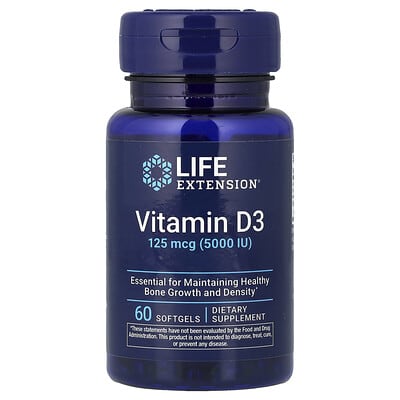
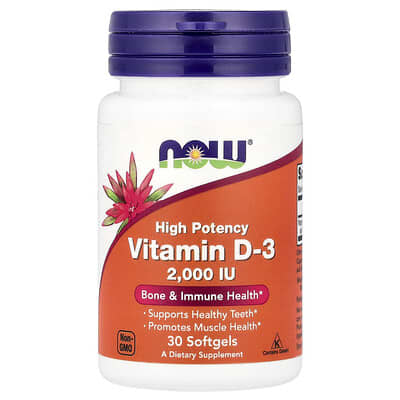
iHerb has a large Vitamin D category with D3 softgels, capsules, chewables, liquids, gummies, children’s drops, D3 + K2 formulas and calcium + D3 products. Examples include NOW Foods Vitamin D3, Life Extension Vitamin D3, California Gold Nutrition D3 drops, Doctor’s Best D3, Carlson D3, Natural Factors D3 drops and other international brands.
Best for: readers who want the widest Vitamin D3 choice and international delivery options.
Affiliate note: iHerb has been added as requested, but its affiliate cookie period may be shorter than the original “over 14 days” rule.
iHerb Example Product: Life Extension Vitamin D3 1,000 IU
iHerb lists Life Extension Vitamin D3 1,000 IU softgels. A 1,000 IU product may suit people wanting a moderate daily D3 dose rather than a high-potency option.
Best for: people wanting a lower-dose daily D3 option through iHerb.
International delivery note: Delivery options, customs rules and supplement import restrictions vary by country. Before ordering, check the merchant’s checkout page, shipping availability, duties, taxes, ingredient restrictions and product labels for your location.
Vitamin D3 Dose Guide
Vitamin D3 labels may use either micrograms or international units. The conversion is simple:
1 microgram Vitamin D = 40 IU
Label Dose
IU Equivalent
How to Think About It
10mcg
400 IU
Common daily public-health supplement amount for many adults
25mcg
1,000 IU
Common moderate supplement amount
50mcg
2,000 IU
Higher daily supplement amount often used when intake or sun exposure is low
100mcg
4,000 IU
Usual adult upper-limit level; avoid stacking without advice
125mcg
5,000 IU
High dose; best used with blood testing or professional guidance
250mcg
10,000 IU
Very high daily dose; generally not for casual long-term use
Many adults who choose to supplement use 400 IU to 1,000 IU daily. Higher doses may be appropriate for some people with low blood levels, but long-term high-dose vitamin D should ideally be guided by blood testing and a healthcare professional.
How to Choose a Quality Vitamin D3 Supplement
1. Choose the Right Dose
Do not automatically choose the highest dose. A 1,000 IU softgel may be enough for many people, while 5,000 IU or 10,000 IU products are much stronger and should be used more carefully.
2. Check Whether It Is Plain D3 or D3 + K2
Plain Vitamin D3 is simple. D3 + K2 products may suit some bone-support routines, but K2 can be a problem for people taking warfarin or vitamin K-sensitive anticoagulants.
3. Check Whether It Is Vegan
Most standard D3 is made from lanolin, which comes from sheep’s wool. Vegan D3 is usually made from lichen. If vegan suitability matters, look for a clearly labelled vegan D3 product.
4. Choose the Format That Suits You
Softgels are common and easy. Tablets are simple and shelf-stable. Liquid drops allow flexible dosing. Gummies are convenient but may contain sweeteners and can make high doses easy to overtake.
5. Watch for Added Calcium
Calcium + D3 products are not the same as plain D3. They may suit people who need calcium support, but they may not suit people with kidney stones, high calcium levels or certain kidney conditions.
6. Look for Quality Signals
Useful quality indicators include third-party testing, GMP-compliant manufacturing, clear dose labelling, non-GMO or gluten-free claims where needed, and transparent Supplement Facts panels.
7. Avoid Stacking Multiple D3 Products
D3 is often hidden in multivitamins, calcium supplements, magnesium formulas, immune formulas, cod liver oil, gummies and D3 + K2 products. Add up your total intake before adding another D3 supplement.
8. Consider Blood Testing
If you are taking high-dose D3, have symptoms of deficiency, have osteoporosis, have kidney disease, have malabsorption, or are unsure of your status, a 25-hydroxyvitamin D blood test can help guide dosing.
Who Should Be Careful With Vitamin D3?
Speak with a healthcare professional before taking Vitamin D3, especially high-dose D3, if you:
Have high blood calcium or hypercalcaemia
Have kidney disease or kidney stones
Have sarcoidosis, tuberculosis or granulomatous disease
Have hyperparathyroidism
Take thiazide diuretics
Take digoxin or heart rhythm medication
Take calcium supplements
Take high-dose multivitamins or immune formulas
Take warfarin and are considering D3 + K2
Have malabsorption, coeliac disease, inflammatory bowel disease or bariatric surgery history
Are pregnant or breastfeeding and considering high-dose D3
Are buying for a child
Possible signs of too much vitamin D can include nausea, vomiting, constipation, poor appetite, excessive thirst, frequent urination, weakness, confusion, kidney stones, dehydration, high calcium and kidney damage. These problems usually come from excess supplements, not normal sunlight exposure.
How to Take Vitamin D3
Always follow the product label unless your healthcare professional gives different advice.
General Use Tips
Take Vitamin D3 with a meal that contains some fat, unless the label says otherwise.
Use one D3 product at a time unless advised.
Check your multivitamin and calcium products for hidden D3.
Do not combine high-dose D3 products casually.
Consider a blood test if taking more than 1,000 to 2,000 IU daily long term.
Ask a pharmacist about interactions if you take regular medication.
For Winter Use
Many people use D3 more consistently during darker months.
A moderate daily dose may be more sensible than occasional very high doses.
Outdoor daylight still matters for sleep timing, mood and general wellbeing.
For Low Vitamin D on Blood Tests
Follow the dose and duration advised by your healthcare professional.
Recheck levels if advised.
Do not stay on loading doses indefinitely unless specifically instructed.
Check calcium levels if your doctor recommends it.
Food Sources of Vitamin D
Food alone may not provide enough vitamin D for everyone, but it can help. Useful food sources include:
Salmon
Sardines
Mackerel
Tuna
Egg yolks
Beef liver
Cod liver oil
Fortified milk
Fortified plant milks
Fortified cereals
UV-exposed mushrooms, mostly as vitamin D2
Sunlight, food and supplements all contribute to vitamin D status. The right balance depends on your skin type, location, season, clothing, sunscreen use, diet and health conditions.
Yes, Vitamin D3 supports normal bone health because it helps the body absorb calcium and phosphorus. Low vitamin D can contribute to poor bone mineralisation and may increase bone-health concerns, especially in older adults, people with limited sun exposure and people with low calcium intake.
For bone health, Vitamin D3 works best alongside:
Adequate calcium intake from food or supplements if advised
Protein intake
Weight-bearing exercise
Resistance training
Magnesium and vitamin K from a healthy diet
Avoiding smoking
Limiting excess alcohol
Is Vitamin D3 Good for Immunity?
Vitamin D supports normal immune function, but it should not be treated as a guarantee against colds, flu, viruses or infections. If you are deficient, correcting low vitamin D may support normal immune health. If your vitamin D level is already adequate, taking more may not add extra benefit.
For immune health, also focus on sleep, protein, colourful foods, regular exercise, hygiene, vaccination where appropriate and managing chronic health conditions.
Is Vitamin D3 Good for Muscle Function?
Vitamin D contributes to normal muscle function. Low vitamin D can be linked with muscle weakness or aches in some people, but muscle pain and weakness can have many causes, including thyroid disease, low iron, low B12, medication side effects, inflammation, overtraining and arthritis.
If muscle weakness is new, severe or worsening, seek medical advice rather than relying only on D3.
Can You Take Vitamin D3 Every Day?
Many Vitamin D3 supplements are designed for daily use. The important issue is dose. A daily 400 IU to 1,000 IU product is very different from a daily 5,000 IU or 10,000 IU product.
If you are taking high-dose D3 long term, consider discussing blood testing with a healthcare professional. Do not combine multiple D3 products unless you have added up the total dose.
Can You Take Too Much Vitamin D3?
Yes. Vitamin D toxicity is possible, usually from taking too much supplement vitamin D over time. It can cause high calcium levels, which may damage the kidneys, heart and other tissues.
Vitamin D toxicity is not usually caused by normal sun exposure because the body regulates vitamin D production from sunlight. The main risk is excess supplements.
Vitamin D3 and K2: Do You Need Both?
Many products combine D3 with K2 because both are linked with bone-health routines. Vitamin D helps with calcium absorption, while vitamin K is involved in normal blood clotting and bone-related proteins.
However, not everyone needs D3 + K2. Plain D3 may be enough for many people. K2 products need extra caution if you take warfarin or medication where vitamin K intake needs to stay consistent.
Vitamin D3 and Calcium: Should You Take Them Together?
Vitamin D helps the body absorb calcium, so D3 is often added to calcium supplements. This can be useful for people who do not get enough calcium from food or who have been advised to support bone health.
However, calcium supplements do not suit everyone. People with kidney stones, high calcium levels, kidney disease or certain heart and vascular risks should ask a healthcare professional before using calcium + D3 products.
Vitamin D3 FAQs
What is Vitamin D3?
Vitamin D3, also called cholecalciferol, is the form of vitamin D made in the skin when exposed to sunlight. It is used in supplements to support normal bones, muscles, calcium absorption and immune function.
What is Vitamin D3 used for?
Vitamin D3 is commonly used for bone health, teeth, muscle function, calcium absorption, immune support and preventing or correcting low vitamin D when intake or sun exposure is not enough.
Is Vitamin D3 better than Vitamin D2?
Vitamin D3 is the form naturally made by skin and is more common in supplements. Vitamin D2 is usually plant or fungal-derived. The best choice depends on your diet, health needs and professional advice.
How much Vitamin D3 should I take?
Many adults use 400 IU to 1,000 IU daily, while some use higher doses when advised. Long-term high-dose D3 should ideally be guided by a healthcare professional and blood testing.
Is 5,000 IU Vitamin D3 too much?
5,000 IU is a high dose and is above the usual adult upper limit of 4,000 IU per day. It may be appropriate for some people with low blood levels, but it should not be used casually long term without guidance.
Is 10,000 IU Vitamin D3 safe?
10,000 IU is a very high daily dose. It should generally only be used under professional guidance, especially if taken for more than a short period.
Can Vitamin D3 cause side effects?
Typical doses are usually well tolerated, but too much Vitamin D3 can cause high calcium levels, nausea, vomiting, constipation, weakness, confusion, kidney stones and kidney damage.
Should I take Vitamin D3 with food?
Vitamin D3 is fat-soluble, so it is often best taken with a meal that contains some fat, unless the label says otherwise.
Is Vitamin D3 vegan?
Most standard Vitamin D3 is lanolin-derived and not vegan. Vegan D3 is usually made from lichen and should be clearly labelled as vegan.
Can I take Vitamin D3 with K2?
Many people take D3 + K2 formulas, but K2 may not suit people taking warfarin or vitamin K-sensitive blood-thinning medication. Ask your doctor or pharmacist if unsure.
Where can I buy Vitamin D3 from the recommended merchants?
Vitamin D3 is worth considering if you have limited sunlight, low vitamin D on blood tests, winter-related low exposure, older age, darker skin, covered clothing, poor dietary intake or a healthcare professional has recommended it. It is one of the more practical supplements for bone, muscle and immune support, but dose matters.
Bottom line: Vitamin D3 can be very useful, but more is not always better. Avoid stacking high-dose D3 products, be cautious with 5,000 IU and 10,000 IU strengths, and consider blood testing if taking higher doses long term.
Health disclaimer: This article is for general information only and is not medical advice. Vitamin D3 supplements are not medicines and are not intended to diagnose, treat, cure or prevent disease. Speak with a healthcare professional before taking high-dose Vitamin D3 if you have high calcium, kidney disease, kidney stones, sarcoidosis, hyperparathyroidism, granulomatous disease, heart rhythm problems, take thiazide diuretics, digoxin, calcium supplements, warfarin, are pregnant or breastfeeding, are buying for a child, or are already taking multivitamins, immune formulas or calcium + D3 products. Seek medical advice if you suspect vitamin D deficiency or toxicity.
Most popular sponsored products
California Gold Nutrition, Defender 4, with Vitamin C, Vitamin D, Zinc & Selenium, 180 Veggie Capsules Offer now available for the California Gold Nutrition, Defender 4, with Vitamin C, Vitamin D, Zinc & Selenium, 180 Veggie Capsules. On sale with world wide delivery. California Gold Nutrition® Defender 4 With Vitamins C and D, Zinc, and Selenium Immune System Support* Formulated without Gluten, GMOs, or Soya Produced…
Quick take: iHerb makes it easy to browse supplements, protein, wellness products, and healthy pantry staples in one place. It’s a handy option for comparing ingredients, brands, and customer reviews before choosing what suits your goals.
Quick take: iHerb makes it easy to browse supplements, protein, wellness products, and healthy pantry staples in one place. It’s a handy option for comparing ingredients, brands, and customer reviews before choosing what suits your goals.