Vitamins and supplements are often talked about as if they mean the same thing, but they are not exactly the same. Vitamins are specific nutrients your body needs in small amounts. Supplements are products designed to add nutrients or other compounds to your diet.
In simple terms: all vitamin pills are supplements, but not all supplements are vitamins.
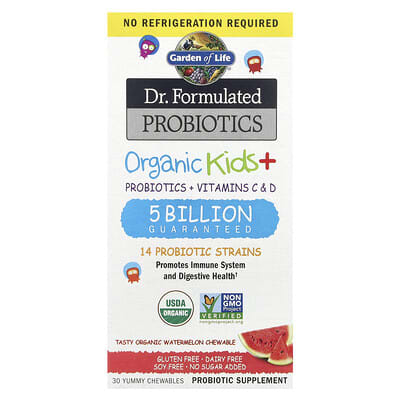
A Vitamin D3 capsule is a supplement. A magnesium tablet is a supplement, but magnesium is a mineral, not a vitamin. A collagen powder is a supplement, but it is a protein-derived product, not a vitamin. A probiotic is a supplement, but it contains live microorganisms, not vitamins.
Vitamins, Minerals & Dietary Supplements for Health & Wellness | Health… Offer now available for the Vitamins, Minerals & Dietary Supplements for Health & Wellness | Health Supplements. On sale with world wide delivery. Shop premium vitamins, minerals & dietary supplements for immunity, energy, digestion and overall wellness. Buy trusted health supplements online in Australia.. Browse our extensive range of products.…
Quick take: iHerb makes it easy to browse supplements, protein, wellness products, and healthy pantry staples in one place. It’s a handy option for comparing ingredients, brands, and customer reviews before choosing what suits your goals.
Affiliate disclosure: This article may contain merchant links. If you purchase through a link, we may earn a commission at no extra cost to you. iHerb has been included at the reader’s request, although its affiliate cookie period may be shorter than the original merchant filter. Always check the product label, dose, ingredients, allergens, safety warnings, medicine interactions, shipping availability and import rules before buying any supplement.
Quick Answer: Vitamins vs Supplements
Term
What It Means
Examples
Vitamins
Essential organic nutrients the body needs in small amounts for normal function.
Vitamin C, Vitamin D3, Vitamin B12, Vitamin A, Vitamin E, Vitamin K2, folate, biotin.
Supplements
Products taken to add nutrients or other active compounds to the diet.
Bottom line: vitamins are a category of nutrients. Supplements are the products you buy and take. A supplement may contain vitamins, but it may also contain minerals, herbs, amino acids, proteins, fibres or other ingredients.
What Are Vitamins?
Vitamins are essential nutrients the body needs for normal growth, metabolism, immunity, nerve function, skin health, blood formation, energy production and many other processes.
Common vitamins include:
Vitamin A: supports vision, immune function and skin health.
Vitamin B1 / Thiamine: supports energy metabolism and nerve function.
Vitamin B2 / Riboflavin: supports energy metabolism and skin health.
Vitamin B3 / Niacin: supports energy metabolism and nervous system function.
Vitamin B5 / Pantothenic Acid: supports energy metabolism and hormone-related processes.
Vitamin B6 / Pyridoxine: supports protein metabolism, brain function and red blood cell production.
Vitamin B7 / Biotin: supports hair, skin, nails and macronutrient metabolism.
Vitamin B9 / Folate: supports DNA synthesis, red blood cells and pregnancy-related needs.
Vitamin B12: supports red blood cells, nerve function and energy metabolism.
Vitamin C: supports collagen formation, antioxidant protection and immune function.
Vitamin D: supports calcium absorption, bones, muscles and immune function.
Vitamin E: supports antioxidant protection.
Vitamin K: supports normal blood clotting and bone-related processes.
Water-Soluble vs Fat-Soluble Vitamins
Vitamins are often divided into two groups: water-soluble and fat-soluble.
Type
Vitamins
What to Know
Water-soluble vitamins
Vitamin C and B vitamins
These are not stored in large amounts like fat-soluble vitamins, but high doses can still cause problems, especially B6 and niacin.
Fat-soluble vitamins
Vitamins A, D, E and K
These can build up in the body more easily, so high-dose supplements need extra caution.
What Are Supplements?
Supplements are products designed to supplement the diet. They may contain vitamins, but they can also contain many other ingredients.
Creatine is a compound used for muscle and strength support.
B-complex tablet
Yes
Yes
A B-complex contains several B vitamins in supplement form.
Why the Difference Matters
Understanding the difference between vitamins and supplements helps you choose products more wisely. Many people say “I take vitamins” when they actually take minerals, herbs, probiotics, protein powders or sports supplements.
This matters because different supplement types have different benefits, risks and evidence levels.
A Vitamin D supplement may be useful if your Vitamin D level is low.
A magnesium supplement may support muscle and nerve function, but it is not a vitamin.
A probiotic may support gut-health routines, but it does not replace fibre-rich foods.
A protein powder may help meet protein needs, but it does not replace a balanced diet.
A herbal supplement may interact with medication even if it is natural.
Do You Need Vitamins?
You may need vitamin supplements if you have a deficiency, low intake, increased needs or restricted diet.
Vitamin supplements may be useful for:
Vitamin D3: low sun exposure, low blood levels, bone-health routines.
Vitamin B12: vegan diets, older adults, low B12 status or absorption concerns.
Folate: pregnancy planning and pregnancy needs under guidance.
Vitamin C: low fruit and vegetable intake, collagen-support routines.
B-complex: broad B-vitamin support when diet is inconsistent or needs are higher.
However, more is not always better. High-dose vitamins can cause side effects, interact with medicines or create imbalances.
Do You Need Supplements?
You may need supplements if your diet or lifestyle does not meet a specific need. This can include vitamins, but it may also include minerals, protein, fibre or other products.
Supplements may be useful for:
Low protein intake: whey, soy, vegan protein or collagen depending on the goal.
Low magnesium intake: magnesium glycinate, citrate or malate.
Bone health: calcium + Vitamin D3, magnesium, Vitamin K2 if suitable.
Strength training: protein powder and creatine monohydrate.
Gut health: fibre, prebiotics, probiotics or synbiotics.
Hydration: electrolytes during sweating, heat, travel or long exercise.
Skin and joints: collagen peptides and Vitamin C support.
Food First: Vitamins and Supplements Should Fill Gaps
Supplements should not replace good food. Whole foods provide nutrients in a natural package with fibre, protein, healthy fats, antioxidants and plant compounds.
Examples:
Oranges provide Vitamin C, fibre and flavonoids.
Greek yoghurt provides protein, calcium and B12.
Salmon provides protein, omega-3 fats, selenium and Vitamin D.
Lentils provide fibre, protein, folate, iron and magnesium.
Pumpkin seeds provide magnesium, zinc, protein and healthy fats.
Oats provide fibre, magnesium and prebiotic carbohydrates.
Use supplements to fill real gaps, not to cover up poor diet, poor sleep, low movement or unmanaged health issues.
Common Beginner Confusions
Is Magnesium a Vitamin?
No. Magnesium is a mineral. It is still sold as a supplement, but it is not a vitamin.
Is Collagen a Vitamin?
No. Collagen is a protein. Collagen peptides are a supplement, but they are not vitamins.
Is Protein Powder a Supplement?
Yes. Protein powder is a dietary supplement used to increase protein intake.
Is a Multivitamin the Same as a Supplement?
A multivitamin is one type of supplement. It may contain vitamins, minerals and sometimes herbs or other ingredients.
Are Herbal Products Vitamins?
No. Herbal products are botanical supplements. They may still have strong effects and may interact with medicines.
Where to Buy Vitamins and Supplements From Recommended Merchants
Using the recommended merchant list from this supplement series, these are practical places to compare vitamins and supplements. Choose the merchant based on the type of product you need.
Nutricost
Nutricost is useful for simple vitamins, minerals, amino acids, creatine, protein powders, probiotics, electrolytes and targeted single-ingredient formulas.
Best for: straightforward supplement staples and clear product categories.
iHerb has one of the widest supplement ranges, including vitamins, minerals, herbs, probiotics, prebiotics, protein powders, collagen, sports nutrition and natural health products from many brands.
Best for: wide product choice, brand comparison, customer reviews and international delivery options.
Good for probiotics, prebiotics, fibre and digestive-support formulas.
How to Choose Between a Vitamin and Another Supplement
Choose based on your actual goal.
If your blood test shows low Vitamin D, choose Vitamin D3 rather than a broad wellness blend.
If your diet is low in calcium, consider calcium-rich foods first, then calcium + D3 if needed.
If you struggle to meet protein needs, a protein powder may be more useful than a multivitamin.
If you want muscle and strength support, creatine may be more relevant than extra vitamins.
If you want gut-health support, fibre or a probiotic may be more relevant than Vitamin C.
If you want skin and joint support, collagen peptides may be more relevant than a basic multivitamin.
Safety: Vitamins and Supplements Can Both Cause Problems
Because vitamins are essential, people sometimes assume vitamin supplements are always harmless. That is not true. High doses can cause side effects or interact with medicines.
Use caution with:
Vitamin A: high doses can be toxic and risky in pregnancy.
Vitamin D: too much can raise calcium levels too high.
Vitamin E: high doses may increase bleeding concerns in some people.
Vitamin K: can interact with warfarin.
Vitamin B6: too much over time can cause nerve symptoms.
Iron: should not be taken unless needed; excess iron can be harmful.
Calcium: may increase kidney stone risk in susceptible people.
Magnesium: needs caution with kidney disease.
Herbal supplements: can interact with medicines or affect liver enzymes.
Australian Buyer Tip: Check the Label
If you are buying complementary medicines in Australia, check the label for an AUST L number where relevant. This indicates the product is listed on the Australian Register of Therapeutic Goods. It does not guarantee the product will work for every person, but it is a useful label check for Australian buyers.
Be especially careful with unverified overseas products promoted for weight loss, bodybuilding, sexual performance, hormones, sleep or detox. These categories can carry a higher risk of hidden ingredients, exaggerated claims or poor quality control.
Simple Buying Checklist
Before buying any vitamin or supplement, check:
What is the active ingredient?
Is it a vitamin, mineral, herb, protein, probiotic or other supplement?
Why am I taking it?
Can food fix the gap first?
Is the dose sensible?
Does it overlap with my multivitamin or other products?
Does it interact with my medication?
Is it safe for my age, pregnancy status or health condition?
Does the label list allergens clearly?
Is the merchant reputable?
FAQs
Are vitamins and supplements the same thing?
No. Vitamins are specific nutrients. Supplements are products that may contain vitamins, minerals, herbs, protein, probiotics, collagen, creatine or other ingredients. All vitamin pills are supplements, but not all supplements are vitamins.
Is magnesium a vitamin or supplement?
Magnesium is a mineral. A magnesium tablet or powder is a supplement, but magnesium itself is not a vitamin.
Is Vitamin D a vitamin or supplement?
Vitamin D is a vitamin. When it is sold as a capsule, tablet, spray or drop, it is also a supplement product.
Is collagen a vitamin?
No. Collagen is a protein. Collagen peptides are supplements, but they are not vitamins.
Is protein powder a supplement?
Yes. Protein powder is a supplement used to help increase protein intake.
Are multivitamins supplements?
Yes. A multivitamin is a supplement that contains a mix of vitamins and often minerals.
Are herbal supplements vitamins?
No. Herbal supplements are botanical products. They may still have strong effects and may interact with medicines.
Do I need vitamins if I eat well?
Maybe not. Many people can get most vitamins from a balanced diet, but Vitamin D, B12, folate, iron or other nutrients may still need attention in certain situations.
Are supplements safe?
Some supplements are safe for many people at sensible doses, but supplements can still cause side effects, interact with medicines or be unsafe with certain health conditions.
Final Thoughts: Vitamins Are Supplements, But Supplements Are Bigger Than Vitamins
The easiest way to remember the difference is this: vitamins are nutrients, supplements are products. A supplement can contain vitamins, but it can also contain minerals, herbs, protein, collagen, probiotics, prebiotics, creatine, electrolytes or other ingredients.
If you want simple vitamin and mineral products, compare Nutricost, Myprotein and iHerb Vitamins. If you want protein, creatine and active-lifestyle products, compare Myprotein and Bulk. If you want electrolytes, magnesium or D3/K2-style wellness products, compare Dr. Berg. If you want collagen or bone broth products, compare Dr. Kellyann. If you want the widest choice, browse iHerb Supplements.
Bottom line: choose the product that matches your real goal. Do not take supplements just because they are popular, natural or heavily promoted. Use them to fill genuine gaps, check the dose, avoid unnecessary overlap, and ask a healthcare professional if you take medication or have health conditions.
Health disclaimer: This article is for general information only and is not medical advice. Vitamins and supplements are not intended to diagnose, treat, cure or prevent disease unless specifically regulated and labelled as medicines. Speak with a healthcare professional before using vitamins or supplements if you are pregnant or breastfeeding, take medication, have kidney disease, liver disease, heart disease, cancer, autoimmune disease, diabetes, high blood pressure, blood-clotting issues, are scheduled for surgery, or are buying for a child. Seek medical advice for persistent fatigue, unexplained weight loss, hair loss, anaemia, numbness, tingling, severe digestive symptoms, bone pain, chest pain, memory changes or other ongoing symptoms.
Most popular sponsored products
Vitamins, Minerals & Dietary Supplements for Health & Wellness | Health Supplements Offer now available for the Vitamins, Minerals & Dietary Supplements for Health & Wellness | Health Supplements. On sale with world wide delivery. Shop premium vitamins, minerals & dietary supplements for immunity, energy, digestion and overall wellness. Buy trusted health supplements online in Australia.. Browse our extensive range of products.…
Vitamins For Men | Vitamins & Minerals Myprotein Browse Vitamins For Men at Myprotein; compare the current range, variants, pricing and availability on the merchant page.
Digestive Vitamins | Gut Health Supplements Myprotein Browse Digestive Vitamins | Gut Health Supplements at Myprotein; compare the current range, variants, pricing and availability on the merchant page.
Quick take: iHerb makes it easy to browse supplements, protein, wellness products, and healthy pantry staples in one place. It’s a handy option for comparing ingredients, brands, and customer reviews before choosing what suits your goals.
Quick take: iHerb makes it easy to browse supplements, protein, wellness products, and healthy pantry staples in one place. It’s a handy option for comparing ingredients, brands, and customer reviews before choosing what suits your goals.