Magnesium for Men: Benefits, Risks and What the Evidence Says
Magnesium is one of the most important minerals in the body, but it is often marketed in ways that make it sound like a cure-all. For men, it is commonly promoted for muscle function, sleep, stress, energy, recovery, cramps, and general vitality.
Some of those uses make more sense than others. Magnesium is genuinely essential for many core body processes, including muscle and nerve function, blood pressure regulation, energy production, and bone health. But that does not mean every man needs a supplement, or that magnesium will automatically improve sleep, performance, or wellbeing.
If you are considering magnesium, the most useful approach is to understand what it clearly does, where the evidence is mixed, and when supplementation actually makes sense.
Magnesium is an essential mineral your body needs to stay healthy. It helps regulate muscle and nerve function, supports blood sugar and blood pressure control, and is involved in making protein, bone, and DNA.
Because magnesium is involved in so many body processes, it is easy to see why it is so often discussed in men’s health. Still, “important” does not automatically mean “supplement needed.”
Why Men Take Magnesium
Men usually take magnesium for one or more of these reasons:
to support muscle function
to help with cramps or tightness
to support sleep or relaxation
to support stress resilience
to support general health if intake may be low
to support training and recovery routines
Some of these reasons are more evidence-based than others. Magnesium is best understood as a nutrient that supports normal function, not as a miracle supplement for men.
What Magnesium Clearly Does
Magnesium has a clear, established role in normal nerve and muscle function, heart rhythm, bone strength, energy production, and blood sugar regulation. Adult men generally need about 400 to 420 mg per day from all sources.
That makes magnesium relevant for men at every age, especially those with poor diets, long-term health issues, or other risk factors for low intake or low magnesium status.
What this means in real life
Magnesium is important for overall health
It helps support normal muscle and nerve activity
It matters more if dietary intake is low or losses are increased
Magnesium for Sleep and Stress
This is one of the biggest reasons men buy magnesium, but the evidence is not as strong as the marketing often suggests. There is only limited research on magnesium for insomnia, and review articles have found the studies to be low quality or conflicting.
That means magnesium might help some people, especially if magnesium intake is low, but it should not be presented as a proven sleep cure. The same applies to stress support. Magnesium is important for normal nervous system function, but it is not an established treatment for anxiety or chronic insomnia.
Magnesium for Exercise and Cramps
Many active men use magnesium because they assume it will improve performance, prevent cramps, or boost recovery. Magnesium is certainly relevant to muscle function, but supplementation is not a guaranteed performance enhancer in men who already get enough magnesium.
It is more sensible to think of magnesium as supportive when intake is inadequate rather than as a direct gym-performance supplement. If a man is eating well and has no sign of magnesium inadequacy, the benefit of extra supplementation may be limited.
Who Might Need More Attention to Magnesium
Some people are more likely than others to have magnesium inadequacy. Official sources list higher-risk groups that include people with gastrointestinal diseases such as Crohn’s disease or celiac disease, people with type 2 diabetes, people with long-term alcohol dependence, and older adults.
Early signs of magnesium deficiency can include loss of appetite, nausea, vomiting, fatigue, and weakness. More severe deficiency can lead to numbness, tingling, muscle cramps, seizures, personality changes, and abnormal heart rhythms.
That does not mean every cramp or every tired day is a magnesium deficiency. It does mean that persistent symptoms should be assessed properly rather than guessed at.
Best Food Sources and Supplement Forms
Food should come first wherever possible. Good sources of magnesium include legumes, nuts, seeds, whole grains, and green leafy vegetables. Some fortified breakfast cereals and dairy foods also contribute magnesium.
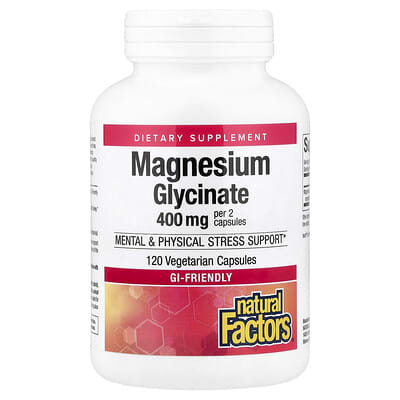
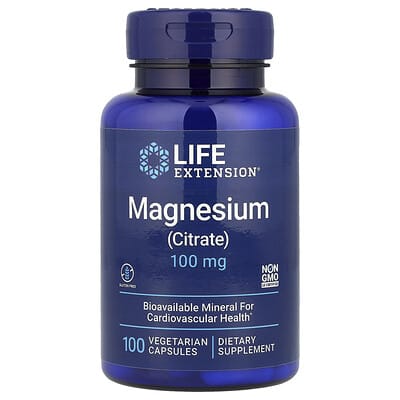
When supplements are used, the form matters. Official NIH information says forms that dissolve well in liquid generally have better absorption. Magnesium aspartate, citrate, lactate, and chloride tend to be better absorbed than magnesium oxide and magnesium sulfate.
Simple takeaway
Food-first is the best default
Supplement forms differ in absorption
Cheaper is not always better if the form is poorly absorbed
Side Effects and Safety
Magnesium from food is generally not a problem for healthy people because the kidneys remove extra amounts. The bigger issue is high intake from supplements or magnesium-containing medicines.
High supplemental intakes can cause diarrhea, nausea, and abdominal cramping. Very high amounts can lead to magnesium toxicity, with symptoms such as low blood pressure, vomiting, muscle weakness, trouble breathing, irregular heartbeat, and cardiac arrest. The risk is much higher in people with impaired kidney function.
For adults, the tolerable upper intake level for magnesium from supplements and medications is 350 mg per day unless a clinician advises otherwise. This upper limit does not include magnesium naturally present in food.
Medication Interactions
Magnesium supplements can interact with medications. Official NIH sources note interactions with oral bisphosphonates, tetracycline antibiotics, and quinolone antibiotics. Some medicines, including diuretics and proton pump inhibitors, can also affect magnesium status.
If you take prescription medications regularly, it is smart to check with your pharmacist or doctor before adding a magnesium supplement, especially if you are also using other supplements.
Frequently Asked Questions
Is magnesium good for men?
Yes, magnesium is an essential mineral for men and supports normal muscle and nerve function, blood pressure regulation, energy production, and bone health.
How much magnesium do men need?
Adult men generally need about 400 to 420 mg per day from all sources, depending on age.
Does magnesium help men sleep better?
It may help some people, but the research on magnesium for insomnia is limited and mixed. It should not be treated as a proven sleep remedy.
What is the best form of magnesium for men?
There is no single best form for every person, but NIH sources say forms such as magnesium aspartate, citrate, lactate, and chloride are generally better absorbed than magnesium oxide and magnesium sulfate.
Can magnesium help with cramps?
Magnesium is important for normal muscle function, but supplements are not a guaranteed fix for cramps in men who already get enough magnesium.
Can you take too much magnesium?
Yes. Too much magnesium from supplements or magnesium-containing medicines can cause diarrhea, nausea, abdominal cramping, and in severe cases serious toxicity, especially in people with kidney problems.
Disclaimer
This article is for general information only and is not medical advice. Magnesium is an essential nutrient, but supplements are not automatically necessary or safe for everyone. High supplemental intakes can cause diarrhea, nausea, abdominal cramping, and in severe cases magnesium toxicity. The risk of toxicity is higher in people with impaired kidney function. Magnesium can also interact with medications, including some antibiotics and osteoporosis medicines. Always speak with your doctor or pharmacist before starting a magnesium supplement, especially if you have kidney disease, gastrointestinal disease, diabetes, ongoing fatigue, muscle symptoms, heart rhythm concerns, or you take regular prescription medications.
Final word: For men, magnesium matters because it supports normal core body functions. The best reason to care about magnesium is to meet your needs, not to expect it to act like a miracle men’s-health supplement.
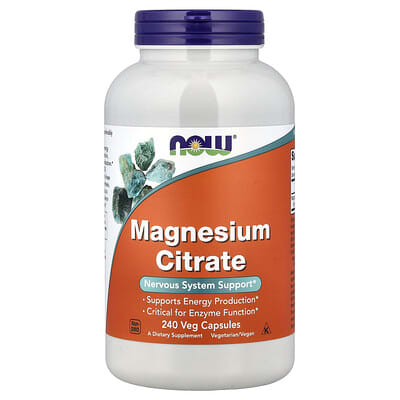
NOW Foods, Magnesium Citrate, 200 mg, 250 Tablets NOW Foods NOW Foods, Magnesium Citrate, 200 mg, 250 Tablets. Includes 250 Tablets, 200 mg. Check current details, price and availability at iHerb.
Quick take: iHerb makes it easy to browse supplements, protein, wellness products, and healthy pantry staples in one place. It’s a handy option for comparing ingredients, brands, and customer reviews before choosing what suits your goals.
Quick take: iHerb makes it easy to browse supplements, protein, wellness products, and healthy pantry staples in one place. It’s a handy option for comparing ingredients, brands, and customer reviews before choosing what suits your goals.