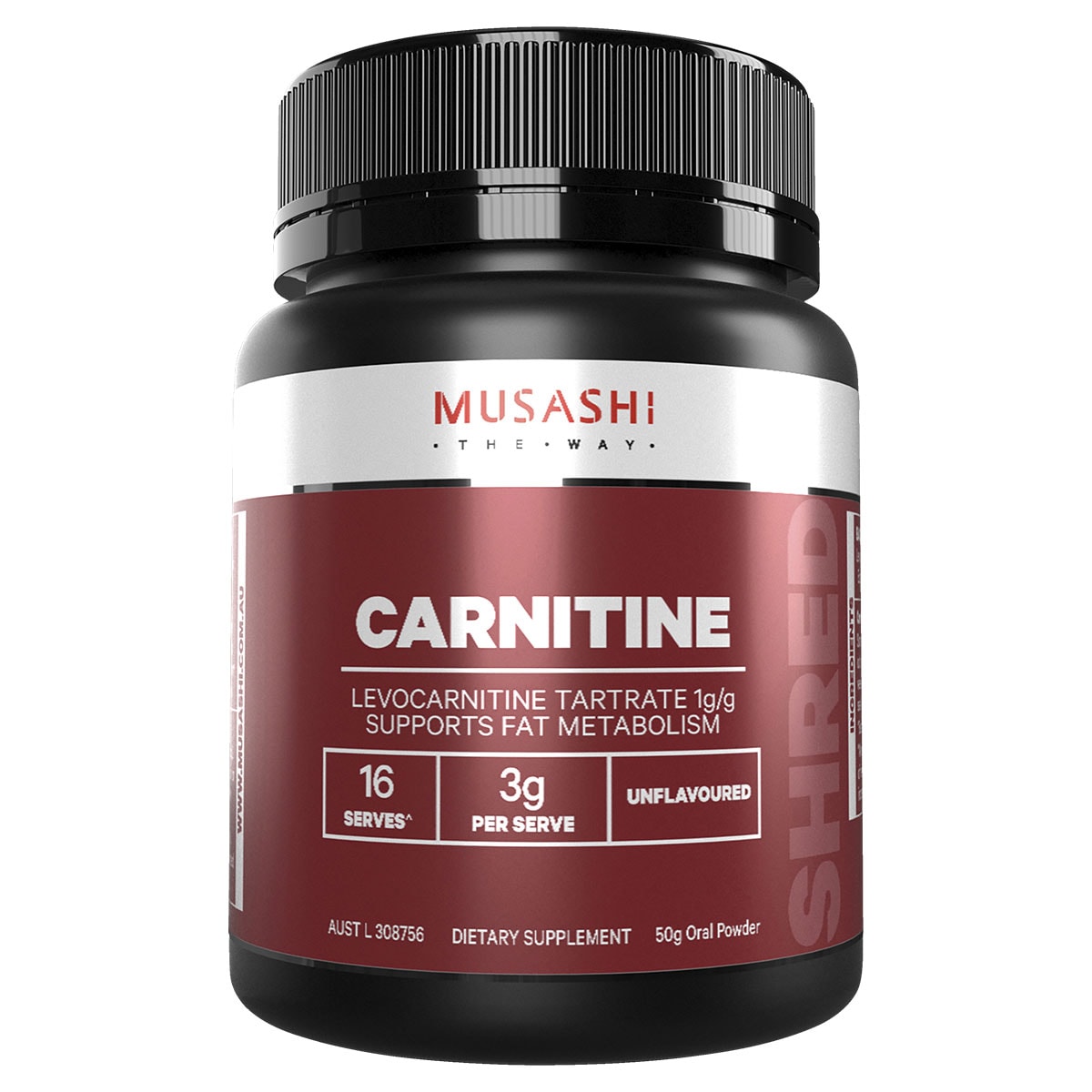
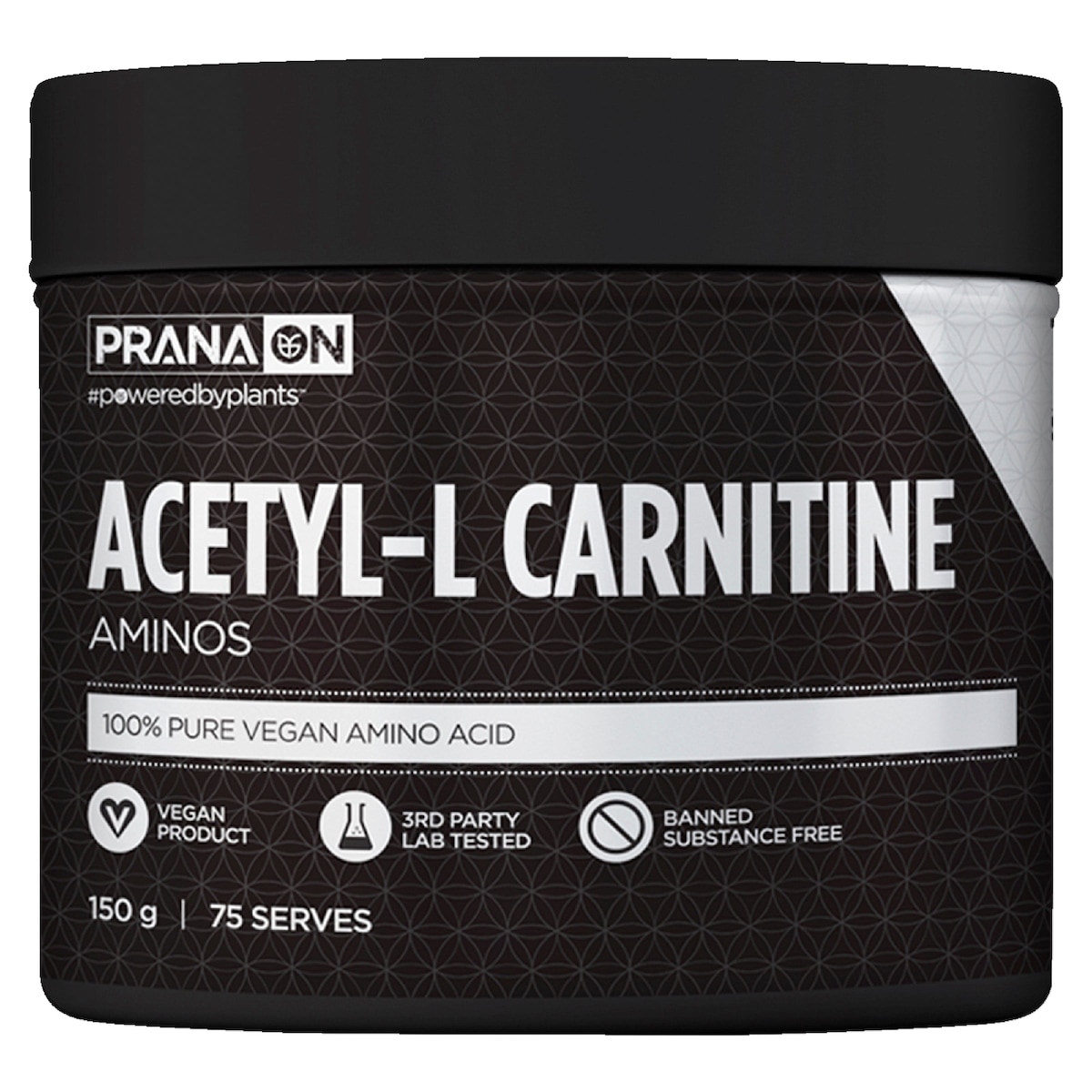
L-carnitine is a supplement commonly marketed for energy, fat burning, weight loss, workout performance, recovery, and even fertility support. It is especially popular in sports nutrition and body-composition products.
Some of that interest has a real biological basis. Carnitine helps transport long-chain fatty acids into the mitochondria, where they can be used for energy. But that does not automatically mean that extra L-carnitine will make healthy people burn substantially more fat, lose large amounts of weight, or perform better in the gym.
If you are thinking about using L-carnitine, the smartest approach is to understand what it clearly does in the body, where the evidence is mixed, and what the realistic benefits and risks actually look like.
Carnitine is a nutrient found in many foods, especially animal foods, and your body also makes it. It plays an important role in energy production by helping transport long-chain fatty acids into the mitochondria.
Healthy people generally make all the carnitine they need, so carnitine is not considered an essential nutrient for most adults. That is an important point because it means supplementation is not automatically necessary for healthy people eating a normal diet.
Why People Use L-Carnitine
People usually take L-carnitine for one or more of these reasons:
These are understandable reasons, but the evidence is not equally strong for all of them.
What L-Carnitine Clearly Does
The clearest thing L-carnitine does is participate in energy metabolism. It helps move long-chain fatty acids into the mitochondria so they can be oxidized for energy, and it also helps move some toxic compounds out of the mitochondria.
That biological role is real. What is less clear is how much extra benefit healthy adults get from adding supplemental L-carnitine on top of what the body already makes and what the diet already provides.
Athletic Performance and Recovery
This is one of the most heavily marketed uses of L-carnitine, but the evidence is mixed. Studies looking at carnitine supplements and athletic performance have produced inconsistent findings. Some studies reported improved performance or recovery, while others found no meaningful benefit.
The overall pattern is not strong enough to describe L-carnitine as a clearly proven ergogenic aid. At best, it may help some people in some contexts, but it is not a reliable shortcut to better endurance, better strength, or faster fat loss.
Weight Loss Claims
L-carnitine is often sold as a “fat burner,” but that description is stronger than the evidence supports. Studies of carnitine supplements for weight loss have had mixed results.
Some trials found slightly greater weight loss with L-carnitine, but the overall difference has been small. A review of clinical trials found that people taking carnitine supplements lost only a little more weight than those taking a placebo. That is very different from the dramatic fat-loss claims often used in supplement marketing.
So the fairest summary is that L-carnitine may have a modest effect on weight in some situations, but it is not a powerful or reliably proven weight-loss supplement.
Fertility and Other Health Claims
L-carnitine has also been studied for other health uses. One of the more promising areas is male infertility. Several studies have shown that carnitine supplements can improve sperm health in men with infertility, although that does not necessarily translate into higher successful pregnancy rates.
Research into heart disease, peripheral artery disease, diabetes-related outcomes, osteoarthritis, and cognitive health has also produced mixed results. In other words, L-carnitine is a supplement with multiple areas of interest, but very few of them are supported strongly enough to justify broad claims.
Food Sources and Supplement Forms
Many foods naturally contain carnitine. Red meat is a particularly good source, while poultry, fish, and dairy contain smaller amounts. Plant foods such as vegetables, fruits, and grains contain only very small amounts.
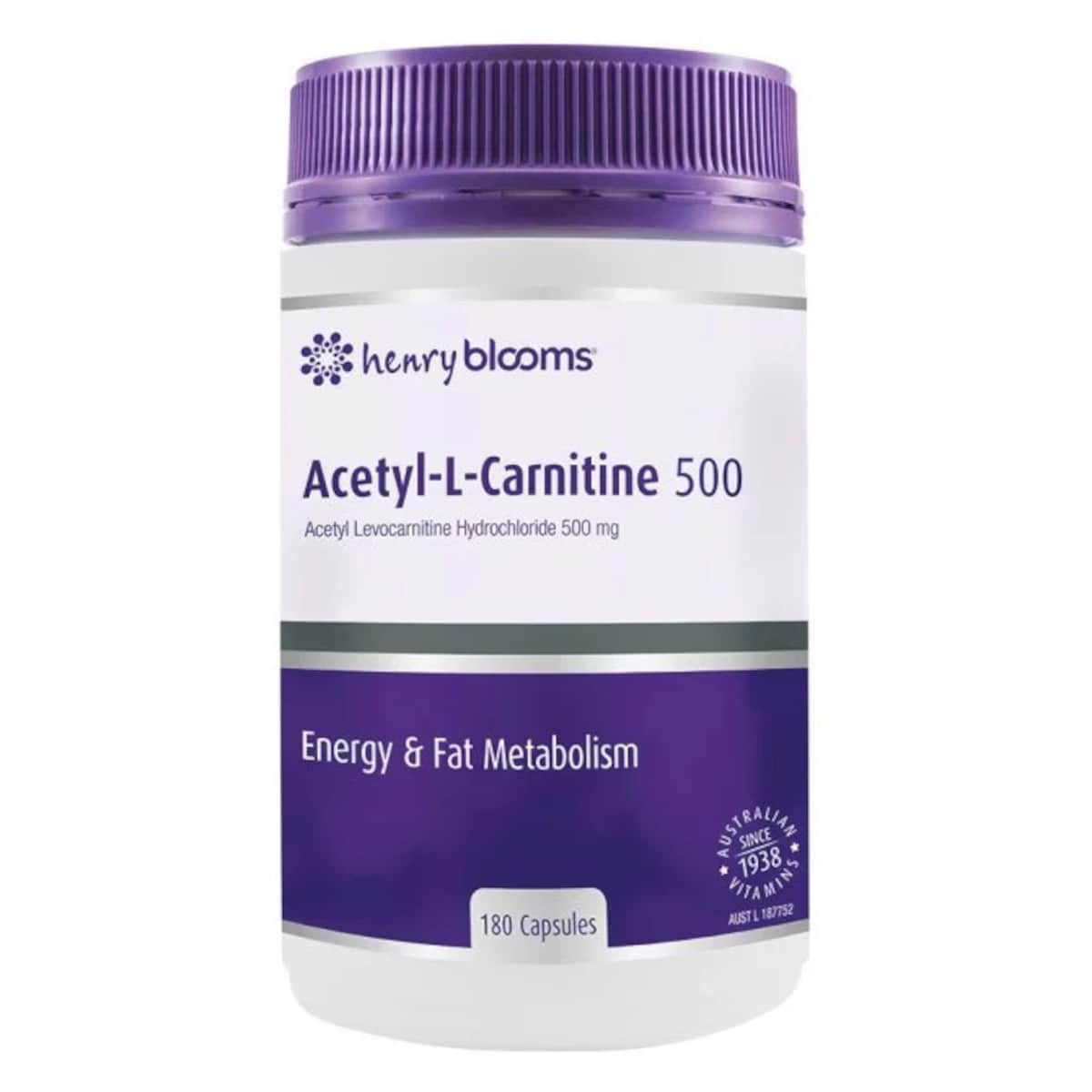
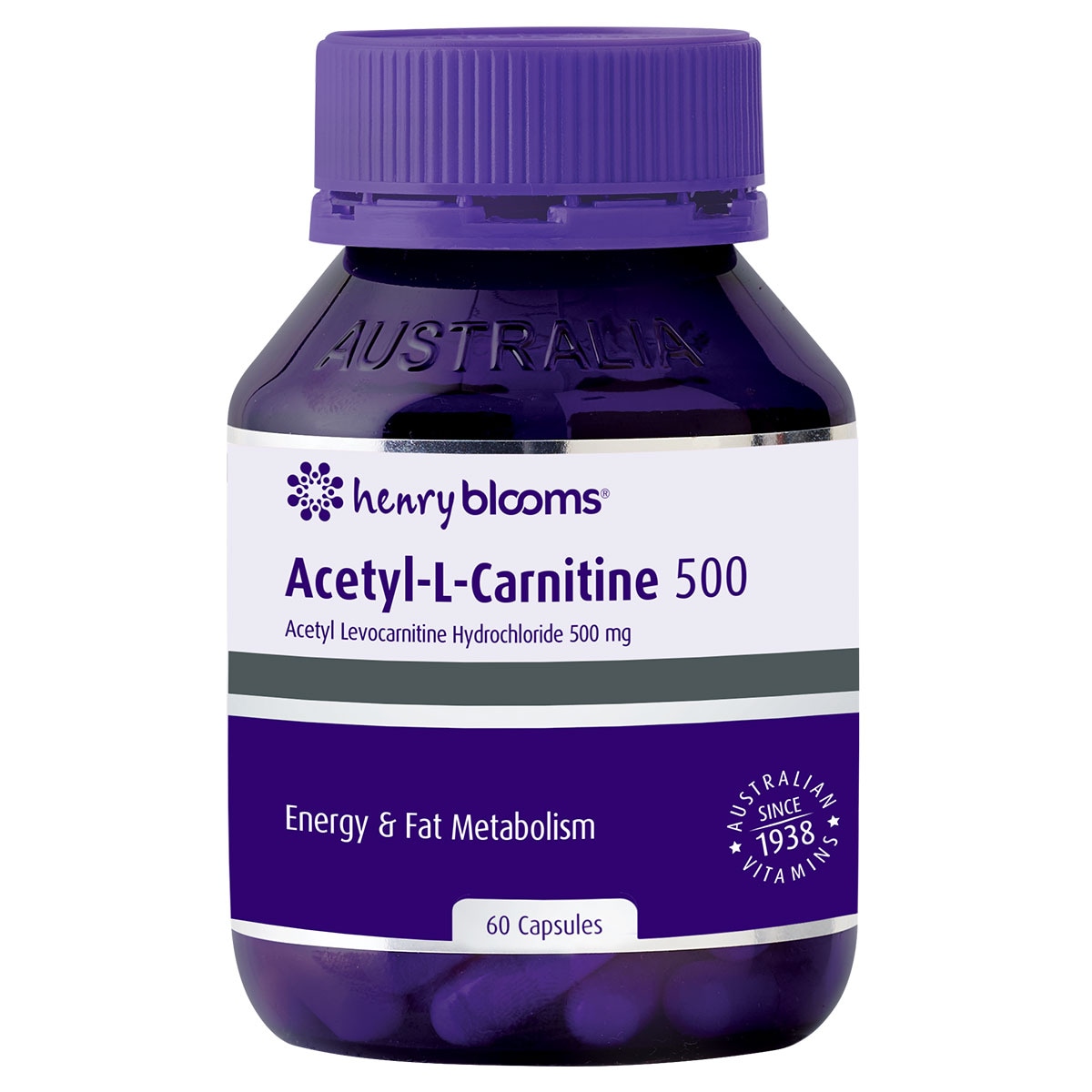
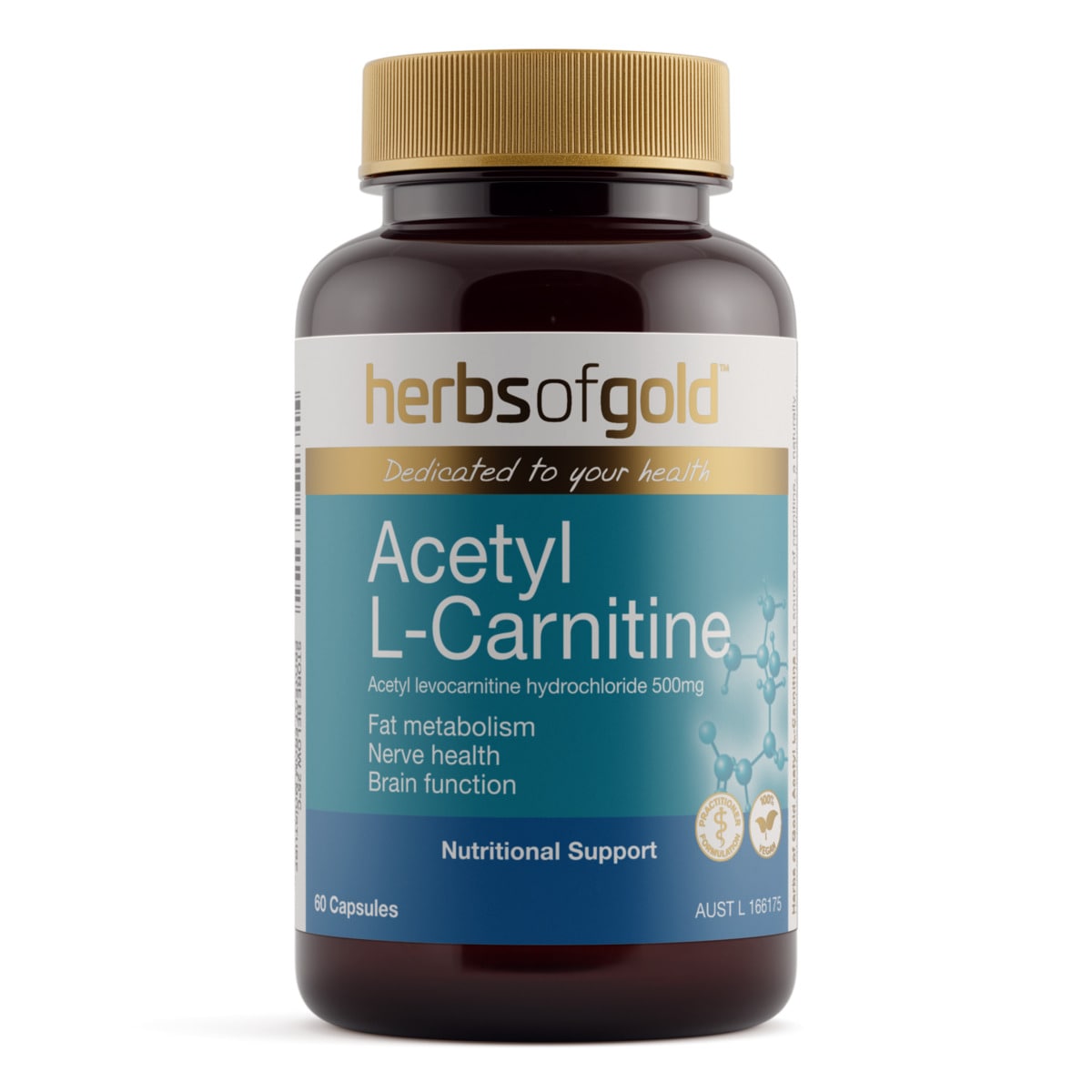
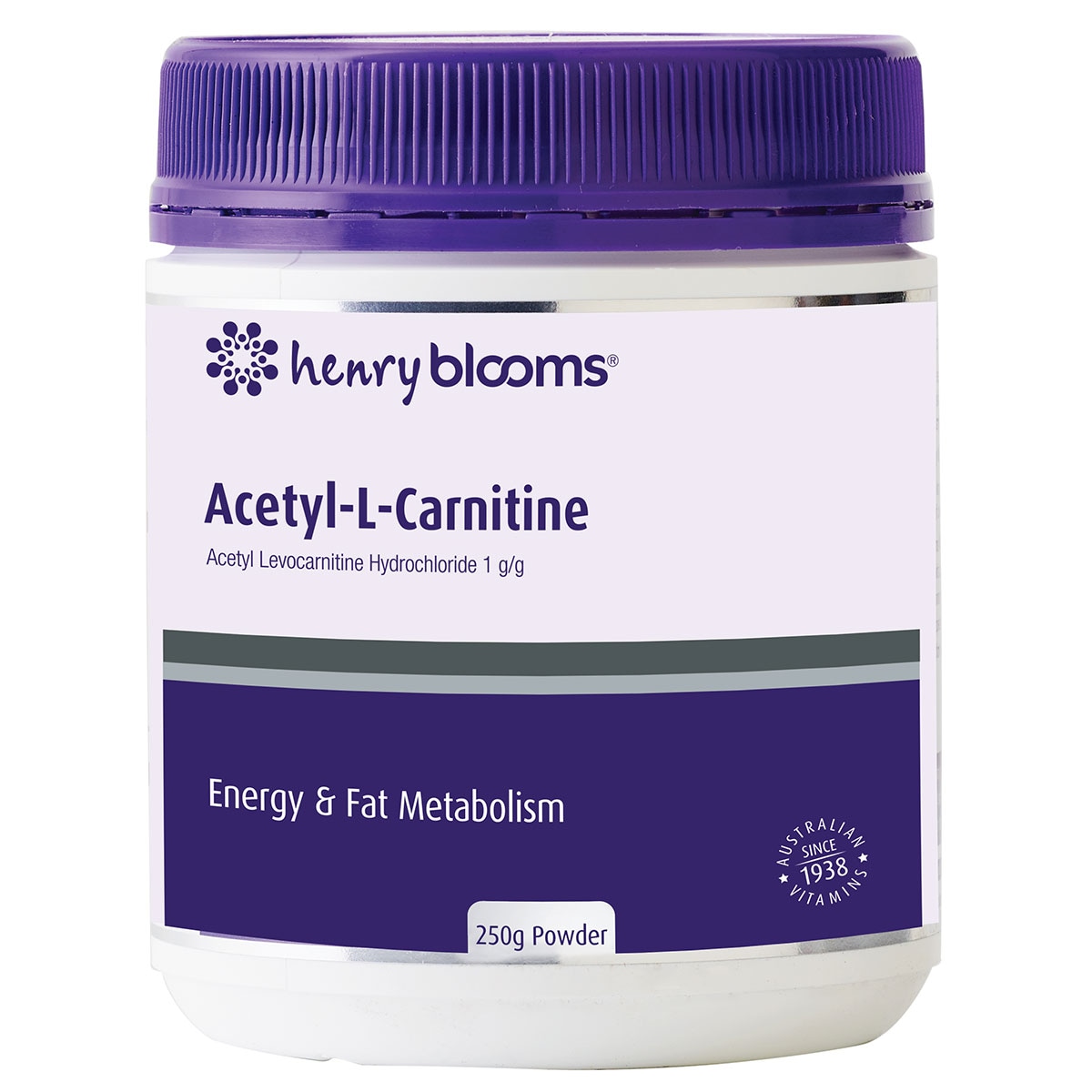
The two main supplement forms are L-carnitine and acetyl-L-carnitine. Your body absorbs carnitine from food better than it absorbs carnitine from dietary supplements, which is another reason food still matters.
Who Might Have Low Levels
Healthy children and adults usually make all the carnitine they need, but some groups may have low levels. These include babies born prematurely, people with end-stage kidney disease, people on kidney dialysis, and people with primary carnitine deficiency, which is a rare genetic disorder.
That does not mean every tired person or every athlete needs carnitine. It simply means there are specific medical situations where low carnitine status is more relevant.
Side Effects and Safety
Carnitine in foods and beverages is considered safe. With supplements, the picture is more mixed. Taking 3 grams or more per day can cause nausea, vomiting, stomach cramps, diarrhea, and a fishy body odor.
High amounts may also cause muscle weakness in people with chronic kidney disease and can increase the risk of seizures in people with seizure disorders. There is no established upper intake level, but that does not mean unlimited doses are safe.
Some research also suggests that intestinal bacteria can convert unabsorbed carnitine into compounds such as TMAO, which might increase cardiovascular risk. The implications of this are still not fully understood and need more research, but it is another reason not to treat L-carnitine as a risk-free “fat burner.”
Medication Interactions
L-carnitine can interact with medications indirectly or be affected by them. Long-term use of some antibiotics, such as pivampicillin, can lower carnitine levels. Anticonvulsant medicines such as phenobarbital and valproic acid can also reduce blood levels of carnitine.
If you take regular prescription medication, it is sensible to discuss L-carnitine with your doctor or pharmacist before using it as a routine supplement.
Frequently Asked Questions
What is L-carnitine used for?
L-carnitine is commonly used for energy metabolism, exercise support, weight-loss attempts, and fertility support, although the evidence is mixed for many of these uses.
Does L-carnitine burn fat?
It plays a role in fat metabolism, but that does not mean supplements reliably produce major fat loss. Weight-loss studies have shown mixed results and only small average differences.
Does L-carnitine improve athletic performance?
It may help in some studies and not in others. Overall, the evidence on athletic performance is mixed.
Is L-carnitine good for fertility?
Several studies suggest it can improve sperm health in men with infertility, but that does not guarantee improved pregnancy outcomes.
What foods contain carnitine?
Red meat is a good source, while poultry, fish, and dairy contain smaller amounts. Plant foods generally contain very little.
What are the side effects of L-carnitine?
At supplemental doses of 3 grams or more per day, side effects can include nausea, vomiting, stomach cramps, diarrhea, and a fishy body odor.
Disclaimer
This article is for general information only and is not medical advice. L-carnitine is a dietary supplement, not a proven treatment for obesity, poor athletic performance, infertility, or chronic fatigue. Supplement doses can cause side effects, and some people, especially those with kidney disease or seizure disorders, may face added risks. Always speak with your doctor, pharmacist, or dietitian before starting L-carnitine if you have a medical condition, take regular medication, are pregnant or breastfeeding, or are trying to manage weight or exercise performance with supplements alone.
Final word: L-carnitine has a real role in energy metabolism, but the supplement is not as impressive in practice as the marketing often implies. It may be useful in selected situations, but the overall evidence for fat loss and performance is mixed and the benefits tend to be modest.
Most popular sponsored products
NOW Foods, L-Carnitine, 1,000 mg, 100 Tablets NOW Foods NOW Foods, L-Carnitine, 1,000 mg, 100 Tablets. Includes 100 Tablets, 1,000 mg. Check current details, price and availability at iHerb.
L Carnitine Amino Acid Powder Myprotein Browse L Carnitine Amino Acid Powder at Myprotein; compare the current range, variants, pricing and availability on the merchant page.
Liquid L-Carnitine Capsules Myprotein Browse Liquid L-Carnitine Capsules at Myprotein; compare the current range, variants, pricing and availability on the merchant page.
L-Carnitine Tablets Myprotein Browse L-Carnitine Tablets at Myprotein; compare the current range, variants, pricing and availability on the merchant page.
EHPLabs Acetyl L-Carnitine 100g | Healthylife EHPLabs EHPLabs Acetyl L-Carnitine 100g. (100g) Available from Healthylife; check current product details, price and availability before ordering.
Herbs of Gold Acetyl L-Carnitine 120 Capsules | Healthylife Herbs of Gold Herbs of Gold Acetyl L-Carnitine 120 Capsules. Capsule supplement (120 Capsules) Available from Healthylife; check current product details, price and availability before ordering.
Quick take: iHerb makes it easy to browse supplements, protein, wellness products, and healthy pantry staples in one place. It’s a handy option for comparing ingredients, brands, and customer reviews before choosing what suits your goals.
Quick take: iHerb makes it easy to browse supplements, protein, wellness products, and healthy pantry staples in one place. It’s a handy option for comparing ingredients, brands, and customer reviews before choosing what suits your goals.