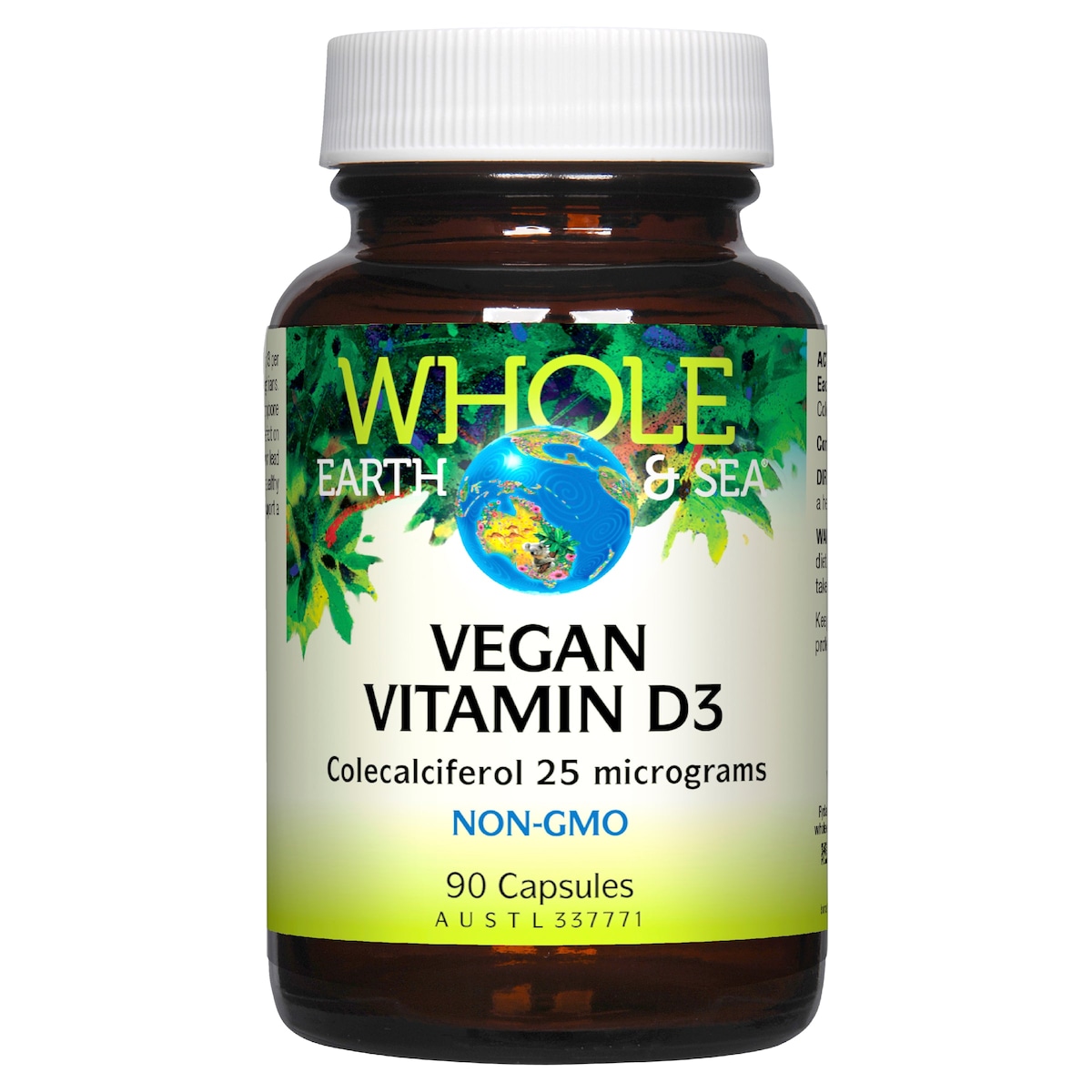
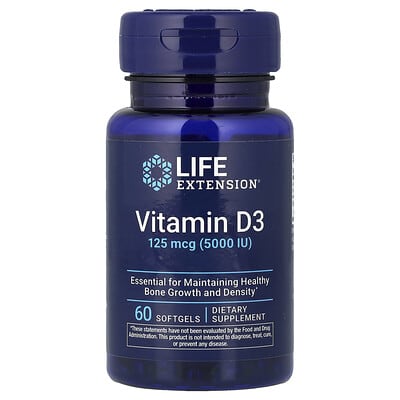
Vitamin D3 is widely used as a dietary supplement for nutrition, health or performance purposes. Vitamin D3, or cholecalciferol, is one of the main supplemental forms of vitamin D. It is the form produced in human skin after ultraviolet-B exposure and is commonly made from lanolin or, in some vegan products, lichen. This article explains what Vitamin D3 is used for, what human research can and cannot show, its potential advantages and disadvantages, important safety considerations and practical questions to ask before using it.
Quick take: iHerb makes it easy to browse supplements, protein, wellness products, and healthy pantry staples in one place. It’s a handy option for comparing ingredients, brands, and customer reviews before choosing what suits your goals.
Answer Capsule: Vitamin D3, or cholecalciferol, is one of the main supplemental forms of vitamin D. It is the form produced in human skin after ultraviolet-B exposure and is commonly made from lanolin or, in some vegan products, lichen. Its essential physiological role is well established. The benefit of supplementation is clearest when dietary intake or body stores are inadequate; high-dose use for unrelated disease prevention often has much weaker evidence. The main practical caution is that the risks of excessive D3 are the risks of vitamin D toxicity: hypercalcaemia, gastrointestinal symptoms, kidney stones and tissue calcification at very high intakes.
What Is Vitamin D3?
Vitamin D3, or cholecalciferol, is one of the main supplemental forms of vitamin D. It is the form produced in human skin after ultraviolet-B exposure and is commonly made from lanolin or, in some vegan products, lichen.
Its essential physiological role is well established. The benefit of supplementation is clearest when dietary intake or body stores are inadequate; high-dose use for unrelated disease prevention often has much weaker evidence.
What Is Vitamin D3 Used For?
1. Raising Vitamin D Status
Vitamin D3 is effective at raising vitamin D status and is widely used to prevent or correct low vitamin D.
2. Bone Health
By supporting calcium absorption, adequate D3 helps maintain normal bone mineralisation.
Most popular sponsored products
California Gold Nutrition, Defender 4, with Vitamin C, Vitamin D, Zinc & Selenium, 180 Veggie Capsules Offer now available for the California Gold Nutrition, Defender 4, with Vitamin C, Vitamin D, Zinc & Selenium, 180 Veggie Capsules. On sale with world wide delivery. California Gold Nutrition® Defender 4 With Vitamins C and D, Zinc, and Selenium Immune System Support* Formulated without Gluten, GMOs, or Soya Produced…
Quick take: iHerb makes it easy to browse supplements, protein, wellness products, and healthy pantry staples in one place. It’s a handy option for comparing ingredients, brands, and customer reviews before choosing what suits your goals.
Both D2 and D3 can work, but D3 often produces a larger or more sustained rise in serum 25-hydroxyvitamin D in comparative studies.
4. Joint and Bone Health
Vitamin D3 is used or researched for joint, bone or connective-tissue outcomes. Symptom improvement does not necessarily mean structural repair or reversal of arthritis or osteoporosis.
Potential Benefits of Vitamin D3
Can be useful when its specific physiological or nutritional role matches the reason for supplementation.
Provides a convenient, measurable way to increase intake of Vitamin D3 or its active constituents.
May offer modest benefits for selected outcomes supported by human research.
Can be easier to standardise than relying on uncertain amounts from a variable diet or food source.
Allows the dose and formulation to be selected for a specific purpose.
Possible Disadvantages and Limitations of Vitamin D3
Benefits are not guaranteed, and study results may not apply to every product or person.
Supplement marketing can overstate findings from small studies, animal research or biomarkers.
Product quality, purity, formulation and actual active dose can vary.
The risks of excessive D3 are the risks of vitamin D toxicity: hypercalcaemia, gastrointestinal symptoms, kidney stones and tissue calcification at very high intakes.
Long-term supplementation can add cost without providing meaningful benefit if there is no clear indication.
How Much Vitamin D3 Should You Take?
The appropriate dose depends on baseline status and clinical context. Long-term megadoses are not appropriate without medical supervision.
Recommended amounts should be based on the purpose of use, the form of the ingredient, total intake from other products and relevant health conditions. A research dose is not automatically the correct self-care dose, and taking more does not necessarily produce a larger benefit.
How Should Vitamin D3 Be Taken?
Follow the product directions and check whether the ingredient should be taken with food, separated from medicines or divided across the day. For powders and multi-ingredient products, check the actual active amount per serving rather than relying on front-label marketing.
Consistency can matter when a supplement is being trialled for a defined outcome, but continued use should be reassessed if there is no meaningful benefit.
Is Vitamin D3 Safe?
The risks of excessive D3 are the risks of vitamin D toxicity: hypercalcaemia, gastrointestinal symptoms, kidney stones and tissue calcification at very high intakes.
People who are pregnant or breastfeeding, preparing for surgery, taking prescription medicines or managing a significant medical condition should check supplement use with an appropriate doctor or pharmacist. Stop and seek medical advice for serious or unexpected reactions.
What Should You Look for When Buying Vitamin D3?
Choose a reputable manufacturer with clear ingredient and dose information.
Check the active amount per serving rather than the total blend weight.
Look for independent quality testing where available.
Check for allergens, added stimulants, sweeteners or other active ingredients.
Be cautious of claims to cure disease, reverse ageing or replace prescription treatment.
Prefer products whose form and dose resemble those used in credible human research when the supplement is being taken for a specific outcome.
Vitamin D3: Pros and Cons
Pros
Convenient and easy to measure.
Can address a specific dietary gap or evidence-supported use.
May provide a modest benefit for selected people and outcomes.
Many products offer several dose and formulation options.
Cons
Not every advertised benefit is supported by good human evidence.
Side effects and medicine interactions are possible.
Product quality and bioavailability can vary.
It may be unnecessary when diet and nutrient status are already adequate.
It should not replace diagnosis or evidence-based treatment of medical conditions.
Frequently Asked Questions About Vitamin D3
What is Vitamin D3 used for?
Vitamin D3 is used for the purposes described above, but the strongest reason to take it depends on the ingredient and the individual. Its essential physiological role is well established. The benefit of supplementation is clearest when dietary intake or body stores are inadequate; high-dose use for unrelated disease prevention often has much weaker evidence.
Does Vitamin D3 really work?
It can work for some specific uses, but not every claim is supported. Vitamin D3 is effective at raising vitamin D status and is widely used to prevent or correct low vitamin D.
Can you take Vitamin D3 every day?
Daily use may be appropriate for some products and goals, but safety depends on dose, duration, medical conditions and other supplements or medicines. Long-term use should not be assumed safe simply because a product is sold without prescription.
What is the best time to take Vitamin D3?
There is no universal best time for every supplement. Meal timing, gastrointestinal tolerance and whether the ingredient is stimulating, sedating or fat soluble can matter. Follow product-specific directions rather than relying on a single rule.
How long does Vitamin D3 take to work?
That depends on the outcome. Correcting a deficiency, changing a blood biomarker and noticing a symptom are different endpoints. Clinical studies commonly assess effects over days, weeks or months rather than expecting an immediate result.
Can Vitamin D3 cause side effects?
The risks of excessive D3 are the risks of vitamin D toxicity: hypercalcaemia, gastrointestinal symptoms, kidney stones and tissue calcification at very high intakes.
Can Vitamin D3 interact with medicines?
Yes, interactions are possible with many supplements. The risk is especially important with anticoagulants, blood-pressure medicines, diabetes medicines, sedatives, thyroid medicines and drugs with a narrow therapeutic range, depending on the ingredient.
Is more Vitamin D3 better?
No. A higher dose can increase side effects without increasing benefit. For essential nutrients, correcting inadequate intake is different from taking amounts far above physiological requirements.
The Bottom Line
Vitamin D3 can be a useful supplement when there is a clear nutritional, physiological or evidence-supported reason to take it. Its essential physiological role is well established. The benefit of supplementation is clearest when dietary intake or body stores are inadequate; high-dose use for unrelated disease prevention often has much weaker evidence. The most sensible approach is to match the product and dose to a specific goal, assess whether it is actually helping, and avoid treating a supplement as a substitute for a balanced diet or appropriate medical care.
This article provides general information only and is not intended to diagnose, prevent or treat a medical condition or replace individual advice from a qualified healthcare professional.
California Gold Nutrition, Defender 4, with Vitamin C, Vitamin D, Zinc & Selenium, 180 Veggie Capsules Offer now available for the California Gold Nutrition, Defender 4, with Vitamin C, Vitamin D, Zinc & Selenium, 180 Veggie Capsules. On sale with world wide delivery. California Gold Nutrition® Defender 4 With Vitamins C and D, Zinc, and Selenium Immune System Support* Formulated without Gluten, GMOs, or Soya Produced…
Quick take: iHerb makes it easy to browse supplements, protein, wellness products, and healthy pantry staples in one place. It’s a handy option for comparing ingredients, brands, and customer reviews before choosing what suits your goals.
Quick take: iHerb makes it easy to browse supplements, protein, wellness products, and healthy pantry staples in one place. It’s a handy option for comparing ingredients, brands, and customer reviews before choosing what suits your goals.