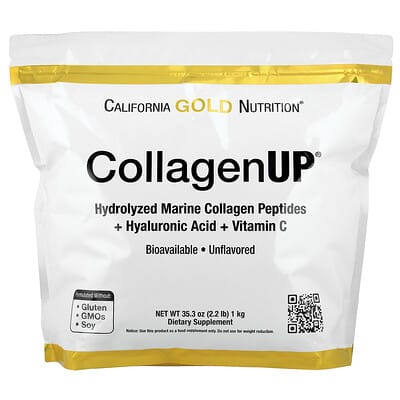
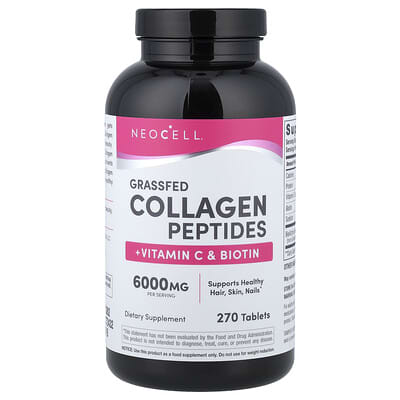
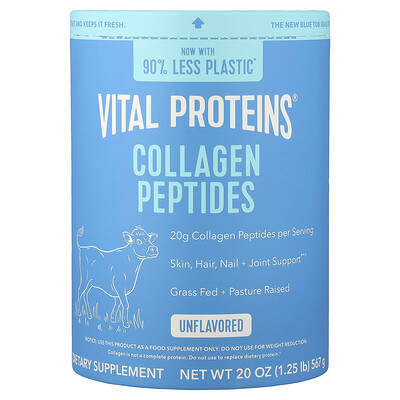
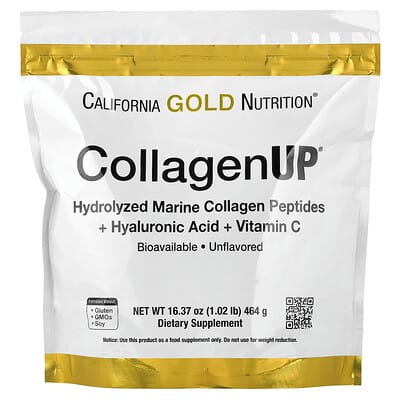
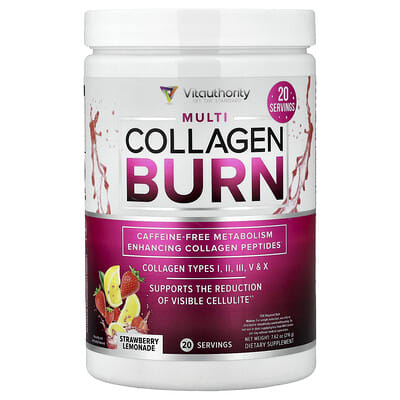
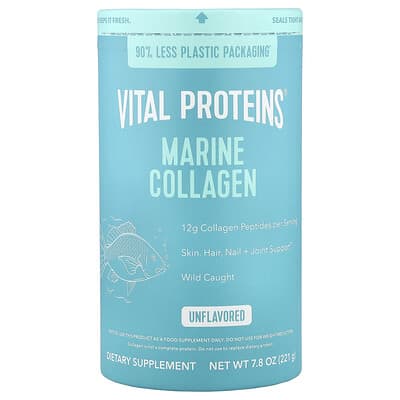
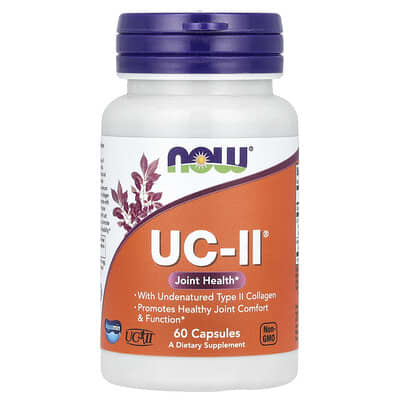
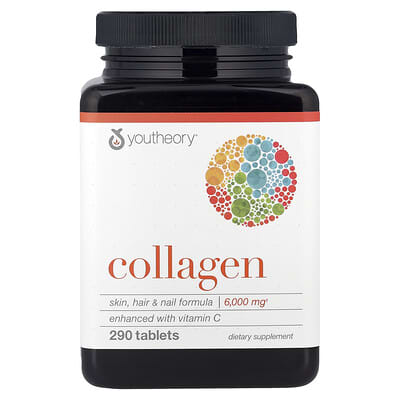
Collagen peptides and collagen are closely related, and supplement labels sometimes use the terms interchangeably. The main difference is processing: collagen peptides are collagen proteins that have been hydrolysed into smaller peptide chains. This comparison explains the practical differences, evidence, advantages, disadvantages, safety issues and which option may be more suitable for different goals.
Most popular sponsored products
Great Lakes Wellness, Grass-Fed Bovine Collagen Peptides, Unflavoured, 16 oz (454 g) Offer now available for the Great Lakes Wellness, Grass-Fed Bovine Collagen Peptides, Unflavoured, 16 oz (454 g). On sale with world wide delivery. Supports 5 Signs of Ageing Well Dissolves 2x Faster vs. Leading Brands Skin Hair Nails Joints Digestion 20 g Collagen Per Serving Dietary Supplement Glyphosate Free, Gluten…
Quick take: iHerb makes it easy to browse supplements, protein, wellness products, and healthy pantry staples in one place. It’s a handy option for comparing ingredients, brands, and customer reviews before choosing what suits your goals.
Answer Capsule: Collagen peptides are hydrolysed collagen, so this is usually a comparison of a processed, more soluble form with intact or less-hydrolysed collagen. Collagen peptides dissolve easily and are the form used in many oral supplement trials. “Collagen” on a label may already mean collagen peptides, so check the ingredient description before assuming the products are different.
Collagen Peptides vs Collagen: Quick Comparison
Feature
Collagen Peptides
Collagen
Structure
Smaller hydrolysed peptide chains
Broad term; may be intact, partially hydrolysed or hydrolysed
Solubility
Usually dissolves easily and does not gel
Intact/gelatin forms may gel or be less soluble
Digestibility
Digested to peptides and amino acids
Also digested; larger forms are broken down during digestion
Research use
Common in oral skin and joint trials
Evidence depends on the exact collagen preparation
Protein quality
Rich in glycine and proline but not a complete muscle-building protein
Same basic amino-acid limitation
Best use
Convenient oral supplementation
Depends entirely on whether the product is peptides, gelatin, type II collagen, etc.
What Is Collagen Peptides?
Collagen peptides, also called hydrolysed collagen or collagen hydrolysate, are produced by breaking collagen proteins into smaller peptide chains. They dissolve readily in hot or cold liquids and are widely used in powders.
What Is Collagen?
Collagen is the structural protein found in skin, bone, tendon, ligament and cartilage. As a supplement term, it can refer broadly to intact collagen, gelatin, hydrolysed collagen or a branded collagen preparation, so the label matters.
What Does the Research Say About Collagen Peptides vs Collagen?
Trials of oral hydrolysed collagen have reported possible improvements in joint symptoms and some skin measures, but evidence quality varies. Recent reviews still note heterogeneity, small studies and risk of bias. Collagen should not be described as a proven way to remove wrinkles or rebuild damaged cartilage.
When comparing supplements, it is important to distinguish between biochemical differences and patient-important outcomes. A product may produce a higher blood level, dissolve more easily or have a different chemical form without necessarily producing better health, performance or symptom outcomes.
Quick take: iHerb makes it easy to browse supplements, protein, wellness products, and healthy pantry staples in one place. It’s a handy option for comparing ingredients, brands, and customer reviews before choosing what suits your goals.
When Might Collagen Peptides Be the Better Choice?
Collagen peptides are usually the practical choice for mixing into drinks or foods and for matching the form used in many oral studies.
When Might Collagen Be the Better Choice?
A product labelled simply collagen may be equally suitable if it is actually hydrolysed collagen. Intact or specialised collagens, such as undenatured type II collagen, are different products used at different doses.
Collagen Peptides: Pros and Cons
Pros
Structure: Smaller hydrolysed peptide chains.
Solubility: Usually dissolves easily and does not gel.
Digestibility: Digested to peptides and amino acids.
Collagen peptides are usually the practical choice for mixing into drinks or foods and for matching the form used in many oral studies.
Cons
It may cost more or offer no extra benefit if its specific advantages do not match your goal.
Marketing claims can overstate differences that have not been confirmed in head-to-head clinical trials.
Individual tolerance and medicine interactions still need to be considered.
Collagen: Pros and Cons
Pros
Structure: Broad term; may be intact, partially hydrolysed or hydrolysed.
Solubility: Intact/gelatin forms may gel or be less soluble.
Digestibility: Also digested; larger forms are broken down during digestion.
A product labelled simply collagen may be equally suitable if it is actually hydrolysed collagen. Intact or specialised collagens, such as undenatured type II collagen, are different products used at different doses.
Cons
It may be less suitable when its composition, dietary source or gastrointestinal effect conflicts with your needs.
The cheaper or more familiar option is not automatically the best choice for every individual.
Product quality and active dose can vary considerably between brands.
Safety: Collagen Peptides vs Collagen
Collagen supplements are generally well tolerated. They are animal derived, and the source matters for allergies, religious or dietary preferences. Marine products require particular caution for people with fish allergy.
Supplements should not be used to replace diagnosis or evidence-based treatment of a medical condition. Check the full ingredient list because combination products can introduce additional vitamins, minerals, herbs, stimulants or allergens that change the safety profile.
How to Choose Between Collagen Peptides and Collagen
Start with your goal: identify the specific outcome you are trying to improve.
Check the active dose: compare the amount of the ingredient that actually matters, not just capsule or powder weight.
Match the research: prefer forms and doses that resemble credible human studies for your intended use.
Consider tolerance: digestive effects, allergies and dietary preferences can be decisive.
Compare cost per effective dose: a cheaper bottle is not necessarily cheaper if it supplies much less active ingredient.
Avoid miracle claims: be cautious of promises to cure disease, reverse ageing or replace prescription treatment.
Frequently Asked Questions About Collagen Peptides vs Collagen
Is Collagen Peptides better than Collagen?
Not universally. Collagen peptides are hydrolysed collagen, so this is usually a comparison of a processed, more soluble form with intact or less-hydrolysed collagen. Collagen peptides dissolve easily and are the form used in many oral supplement trials. “Collagen” on a label may already mean collagen peptides, so check the ingredient description before assuming the products are different.
Which is better for beginners: Collagen Peptides or Collagen?
The best starting choice depends on the goal, evidence, tolerance and cost. Collagen peptides are usually the practical choice for mixing into drinks or foods and for matching the form used in many oral studies. A product labelled simply collagen may be equally suitable if it is actually hydrolysed collagen. Intact or specialised collagens, such as undenatured type II collagen, are different products used at different doses.
Can you take Collagen Peptides and Collagen together?
Sometimes, but combining closely related products can be redundant. Check whether they supply the same active nutrient or pathway before doubling up, and consider total dose and medicine interactions.
Which has better scientific evidence?
Trials of oral hydrolysed collagen have reported possible improvements in joint symptoms and some skin measures, but evidence quality varies. Recent reviews still note heterogeneity, small studies and risk of bias. Collagen should not be described as a proven way to remove wrinkles or rebuild damaged cartilage.
Which is safer?
Neither should be labelled universally safer. Collagen supplements are generally well tolerated. They are animal derived, and the source matters for allergies, religious or dietary preferences. Marine products require particular caution for people with fish allergy.
Which is better value?
Value depends on the amount of active ingredient, dose needed, evidence for the intended use and whether the more expensive option provides a meaningful advantage for you.
How long should I try Collagen Peptides or Collagen?
Use a time frame that matches the outcome studied. Some effects can be assessed within days or weeks, while body-composition, skin or joint outcomes may take months. Stop paying for a supplement that provides no meaningful benefit after a reasonable evidence-based trial.
Should I ask a doctor before using Collagen Peptides or Collagen?
Yes if you take prescription medicines, are pregnant or breastfeeding, have a significant medical condition, are preparing for surgery or plan to use therapeutic rather than ordinary dietary doses.
The Bottom Line
Collagen peptides are hydrolysed collagen, so this is usually a comparison of a processed, more soluble form with intact or less-hydrolysed collagen. Collagen peptides dissolve easily and are the form used in many oral supplement trials. “Collagen” on a label may already mean collagen peptides, so check the ingredient description before assuming the products are different. The most useful choice is the one that matches the intended outcome, has an evidence-supported dose, fits your diet and budget, and can be used safely alongside any medicines or medical conditions.
This article provides general information only and is not intended to diagnose, prevent or treat a medical condition or replace individual advice from a qualified healthcare professional.
Most popular sponsored products
Great Lakes Wellness, Grass-Fed Bovine Collagen Peptides, Unflavoured, 16 oz (454 g) Offer now available for the Great Lakes Wellness, Grass-Fed Bovine Collagen Peptides, Unflavoured, 16 oz (454 g). On sale with world wide delivery. Supports 5 Signs of Ageing Well Dissolves 2x Faster vs. Leading Brands Skin Hair Nails Joints Digestion 20 g Collagen Per Serving Dietary Supplement Glyphosate Free, Gluten…
Quick take: iHerb makes it easy to browse supplements, protein, wellness products, and healthy pantry staples in one place. It’s a handy option for comparing ingredients, brands, and customer reviews before choosing what suits your goals.
Quick take: iHerb makes it easy to browse supplements, protein, wellness products, and healthy pantry staples in one place. It’s a handy option for comparing ingredients, brands, and customer reviews before choosing what suits your goals.