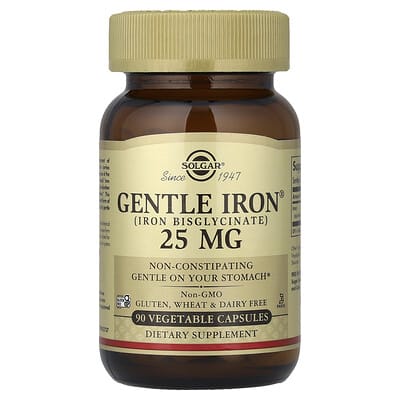
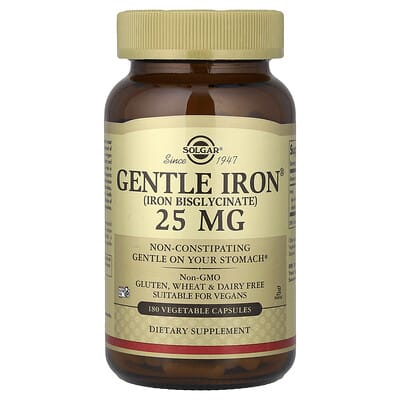
Iron Supplements: When Are They Necessary and Which Forms Are Best?
Iron Supplements is attracting interest among Australians researching vitamins, minerals and immune health. Marketing can move faster than science, so it helps to distinguish a plausible biological mechanism from a demonstrated improvement in health.
What is it and how might it work?
Iron is essential for haemoglobin and oxygen transport.
A supplement may influence a laboratory marker without producing an improvement that a person can feel. Study participants, doses, product formulations and trial duration all affect how confidently results can be applied.
What does the research actually show?
Iron supplements help confirmed deficiency; formulations differ in tolerance, cost and dosing.
When evidence comes mainly from small, short-term or industry-funded studies, it is not possible to make reliable claims about preventing disease, reversing ageing or improving long-term health. A positive result in one trial should be weighed against the wider research.
Who might consider it?
People with a confirmed deficiency or a specific clinical indication may benefit from targeted treatment. For generally healthy adults, a supplement is most reasonable when there is a clear goal, a plausible evidence base and an acceptable safety profile.
Before buying, ask whether the outcome studied is relevant to you, whether the research used the same formulation, and whether the expected benefit is meaningful enough to justify the cost.
Dosage and choosing a product
There is no single appropriate dose for every person. Follow the Australian product label and individual advice from a pharmacist or clinician. Clinical trial doses are not automatically safe or effective for self-treatment.
Check the exact active ingredient and amount per serving.
Look for transparent labelling and credible independent quality testing.
Avoid products promising a cure, dramatic hormone changes or guaranteed anti-ageing results.
Review all other supplements to avoid duplicated ingredients.
Side effects, interactions and precautions
Do not take iron without assessing the cause of deficiency; excess iron can be harmful.
Pregnancy, breastfeeding, liver or kidney disease, planned surgery and use of prescription medicines can change the risk-benefit balance. Stop using a product and seek medical advice if a serious reaction is suspected.
Practical ways to support health
Build a balanced eating pattern with sufficient protein, fibre and minimally processed foods.
Maintain regular physical activity suited to your health and mobility.
Protect sleep and manage ongoing stress using sustainable routines.
Address symptoms and abnormal blood tests with a qualified healthcare professional.
Frequently asked questions
Does Iron Supplements really work?
Iron supplements help confirmed deficiency; formulations differ in tolerance, cost and dosing.
Is Iron Supplements safe to take every day?
Safety depends on the dose, formulation, duration, medical history and other medicines. Long-term data may be limited, so routine use is not automatically risk-free.
Can Iron Supplements replace medical treatment?
No. Supplements should not replace established treatment for diagnosed conditions, and persistent or worsening symptoms require assessment.
Final verdict
Iron Supplements deserves an evidence-based assessment rather than a marketing promise. Iron supplements help confirmed deficiency; formulations differ in tolerance, cost and dosing. The safest decision weighs the quality of the research, realistic benefits, costs and individual medical circumstances.
Affiliate disclosure: OntoFitness may earn a commission on eligible purchases. Medical disclaimer: This content is educational and does not replace advice from a qualified health professional.
Most popular sponsored products
What Are Postbiotics? And How Do They Relate To Pre- and Probiotics? | Wellness Hub Offer now available for the What Are Postbiotics? And How Do They Relate To Pre- and Probiotics? | Wellness Hub. On sale with world wide delivery. Discover foods and supplements that support postbiotics. Learn how they affect your health and why they relate to prebiotic and postbiotic status.. Browse our…
Best Supplements for Muscle Soreness and Speeding-Up Recovery | Wellness Hub Offer now available for the Best Supplements for Muscle Soreness and Speeding-Up Recovery | Wellness Hub. On sale with world wide delivery. Learn about the best natural supplements for recovery that can help reduce muscle soreness from daily activities or strenuous exercise.. Browse our extensive range of products. Found on…
The Best Foods and Supplements for Resistance Training | Wellness Hub Offer now available for the The Best Foods and Supplements for Resistance Training | Wellness Hub. On sale with world wide delivery. When it comes to resistance training, there are a lot of misconceptions regarding diet and supplementation. How much of certain food types should I eat? When is the…
Best 5 Supplements for Muscle Growth | Wellness Hub Offer now available for the Best 5 Supplements for Muscle Growth | Wellness Hub. On sale with world wide delivery. Whether you are an experienced bodybuilder or new to strength training, these are the best five supplements for muscle growth and building lean muscle mass.. Browse our extensive range of…
Best Selling Protein Powders & Supplements Offer now available for the Best Selling Protein Powders & Supplements. On sale with world wide delivery. . Browse our extensive range of products. Found on the safe and secure website myprotein.com.
Silicea Body Essential Iron VITAL Kid Offer now available for the Silicea Body Essential Iron VITAL Kid. On sale with world wide delivery. Buy Silicea Body Essential Iron VITAL Kid at Best Prices from HealthSupplements.com.au. Browse our extensive range of Silicea products. Found on the safe and secure website healthsupplements.com.au.
Quick take: iHerb makes it easy to browse supplements, protein, wellness products, and healthy pantry staples in one place. It’s a handy option for comparing ingredients, brands, and customer reviews before choosing what suits your goals.
Quick take: iHerb makes it easy to browse supplements, protein, wellness products, and healthy pantry staples in one place. It’s a handy option for comparing ingredients, brands, and customer reviews before choosing what suits your goals.