Knee Pain: Which Supplements May Help and Which Should You Avoid?
Knee Pain can have several possible causes. Choosing a supplement before understanding the diagnosis can waste money, create medication interactions or delay effective treatment. Evidence for supplements differs greatly depending on whether a nutritional deficiency is present and whether clinical trials have demonstrated a meaningful outcome.
Understanding the cause of knee pain is more useful than relying on supplement marketing claims. Illustrative image.
What matters most for knee pain?
Strengthen surrounding muscles and assess persistent swelling or locking. A clinician or pharmacist can help determine whether testing, medication review or another treatment is more appropriate than a supplement.
Supplements that may be worth discussing
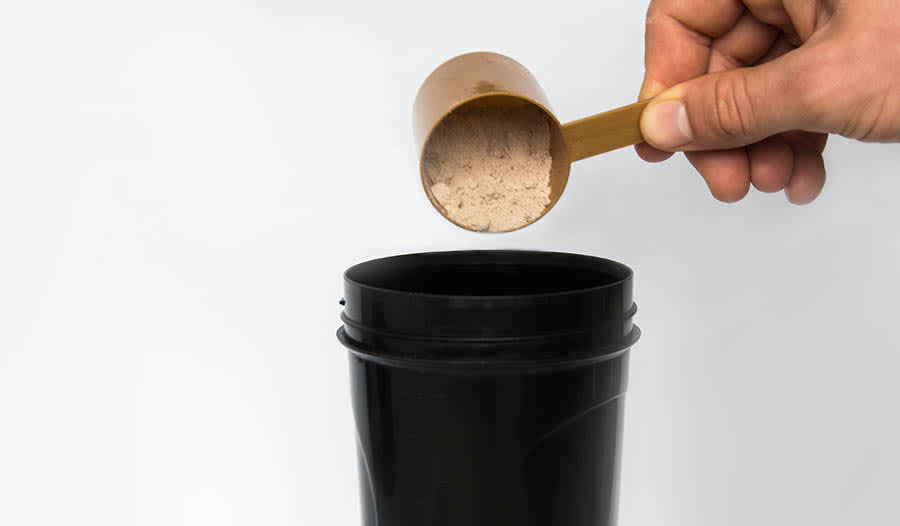
Potential options:Protein if intake is low; selected joint products have limited evidence.
These are not guaranteed treatments. A supplement that helps correct a deficiency may have little or no benefit in someone with adequate nutrient levels. Product formulation, dose, treatment duration and concurrent medicines can all change the balance of benefit and risk.
Supplements to avoid or use only with professional advice
Use caution with: High-dose glucosamine marketed as cartilage repair; unregulated pain blends.
Why these deserve caution: Structural knee problems are not reversed by supplements.
Avoid combining multiple products containing the same ingredient, and check labels for hidden stimulants, herbs, fat-soluble vitamins or high doses of minerals. “Natural” does not necessarily mean safe, particularly during pregnancy, with kidney or liver disease, or when taking prescription medication.
Practical approach
Confirm the underlying condition and look for treatable causes.
Review medicines and supplements with a pharmacist or treating clinician.
Use dietary changes and established treatment where appropriate.
Consider a targeted supplement only when there is a clear reason to use it.
Monitor for side effects and stop products that cause concerning symptoms, seeking medical advice.
Frequently asked questions
Are supplements a substitute for treatment of knee pain?
No. Supplements may address particular nutritional needs, but they cannot replace diagnosis or established treatment when required.
Which supplements should I avoid?
High-dose glucosamine marketed as cartilage repair; unregulated pain blends. The level of risk depends on your circumstances and other medicines.
What should I discuss with my healthcare professional?
Strengthen surrounding muscles and assess persistent swelling or locking. Ask whether any blood tests or medicine adjustments are needed before starting a product.
Browse related supplements at iHerb — browse for information only; do not purchase a product that appears in the avoid list without professional advice.
Affiliate disclosure: OntoFitness may receive a commission from eligible purchases. Links are direct merchant search links and require an eligible affiliate setup for tracking.
Medical disclaimer: Educational information only, not individual medical advice. Seek urgent care for sudden severe symptoms, chest pain, stroke signs, major bleeding or other emergencies. Consult your treating professional before starting or stopping medicines or supplements.
Most popular sponsored products
MP Unisex Training Knee Sleeve Pair - Black MP Browse MP Unisex Training Knee Sleeve Pair - Black at Myprotein; compare the current range, variants, pricing and availability on the merchant page.
Should You Take Probiotics? Popularity, Foods, Immune Benefits, & More | Wellness Hub Offer now available for the Should You Take Probiotics? Popularity, Foods, Immune Benefits, & More | Wellness Hub. On sale with world wide delivery. Probiotics are good bacteria that can help us have healthy immune systems. This article digs into the benefits and research of consuming probiotics.. Browse our extensive…
Blackmores Concentrated Curcumin + Pain Relief Blackmores Blackmores Concentrated Curcumin + Pain Relief. Available from Health Supplements Australia; check current product details, price and availability before ordering.
Herbs of Gold Pain Relief PEA Forte 42 Capsules | Healthylife Herbs of Gold Herbs of Gold Pain Relief PEA Forte 42 Capsules. Capsule supplement (42 Capsules) Available from Healthylife; check current product details, price and availability before ordering.
Can BCAA (Branched-Chain Amino Acids) Supplements Help With Muscle Soreness? | Wellness Hub Offer now available for the Can BCAA (Branched-Chain Amino Acids) Supplements Help With Muscle Soreness? | Wellness Hub. On sale with world wide delivery. Feeling sore after a tough workout? A registered dietitian and personal trainer explains how branched-chain amino acids reduce muscle soreness and what dose is right for…
Quick take: iHerb makes it easy to browse supplements, protein, wellness products, and healthy pantry staples in one place. It’s a handy option for comparing ingredients, brands, and customer reviews before choosing what suits your goals.
Quick take: iHerb makes it easy to browse supplements, protein, wellness products, and healthy pantry staples in one place. It’s a handy option for comparing ingredients, brands, and customer reviews before choosing what suits your goals.