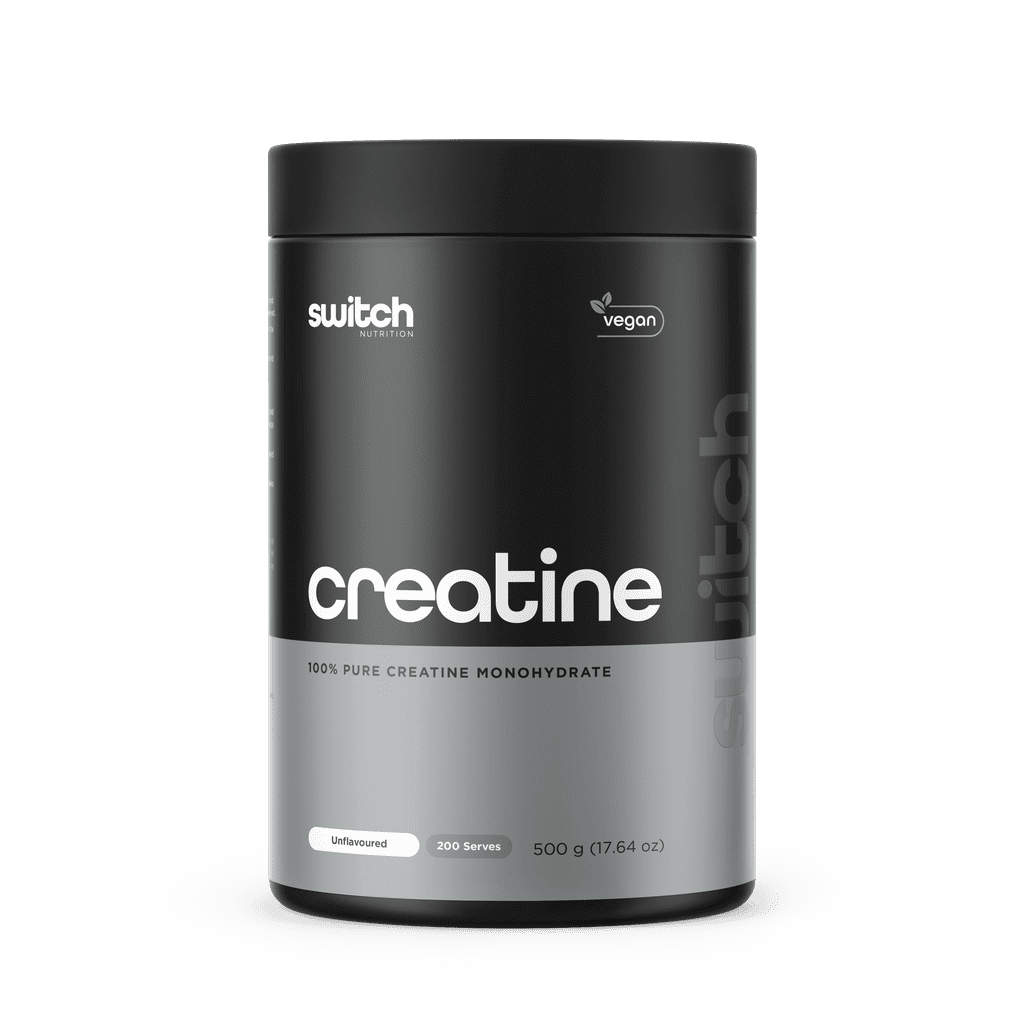
Yes — creatine may improve memory and focus in older adults, and it’s becoming a supplement of interest not only for muscles but also for the brain.
How Creatine Supports Brain Health
1. Energy Production in the Brain
Creatine helps form ATP (adenosine triphosphate), the main energy currency of cells.
The brain is highly energy-demanding; creatine provides a quick reserve of energy, especially under stress, fatigue, or aging-related decline.
2. Memory and Cognitive Benefits
Short-term memory & reasoning: Some studies show older adults supplementing with creatine perform better on memory recall and mental processing tasks.
Focus and attention: By improving energy availability in neurons, creatine may enhance concentration and reaction times.
Neuroprotection: Creatine may help buffer brain cells against oxidative stress and energy deficits linked to neurodegeneration.
3. Creatine and Aging Brains
Natural creatine levels in the brain decline with age.
Supplementation may counteract this decline, supporting executive function, working memory, and learning ability.
Research also suggests potential benefits for neurological conditions like Parkinson’s and Alzheimer’s, though more long-term trials are needed.
Dosage and Safety
Common dose: 3–5 g of creatine monohydrate per day.
Loading phase (optional): 20 g/day for 5–7 days, then 3–5 g/day (often used by athletes, not essential for brain benefits).
Best form:Creatine monohydrate — the most studied and cost-effective form.
Safety: Generally safe for healthy older adults. Mild side effects may include bloating or water retention. People with kidney disease should avoid supplementation unless advised by a doctor.
FAQs on Creatine for Memory & Focus
1. Can creatine really improve memory in older adults? Yes, studies suggest creatine supplementation improves short-term memory and mental processing speed in older adults, especially during cognitively demanding tasks.
2. How long does it take to see results? Cognitive benefits may appear after 2–4 weeks of consistent daily supplementation.
3. Does creatine help if I’m not physically active? Yes. While it’s popular in sports, creatine’s brain benefits occur even without exercise. That said, combining it with physical activity further enhances cognitive protection.
4. Can creatine help prevent dementia? Research is ongoing. While creatine shows promise for brain energy support, it’s not a proven treatment or prevention for Alzheimer’s or dementia.
5. Should older adults take creatine daily? If tolerated, yes. A consistent daily intake of 3–5 g is safe and effective for maintaining brain and muscle benefits.
6. Does creatine interact with medications? Generally safe, but those on diuretics or kidney medications should consult their doctor.
✅ Bottom line: Creatine supplementation may improve memory, focus, and overall brain energy in older adults. It works best at 3–5 g/day of creatine monohydrate, combined with a balanced diet, exercise, and other brain-supportive nutrients.
Most popular sponsored products
Creatine Monohydrate Powder 1KG | Naked Creatine - 1KG Creatine Monohydrate Powder 1KG | Naked Creatine - 1KG: a realistic guide for health, training, and recovery Creatine Monohydrate Powder 1KG | Naked Creatine - 1KG is listed as a Creatine supplement. This is a practical, label-first guide to how products in this category are commonly used, what to look…
Creatine Monohydrate Powder 500g | Naked Creatine - 1.1LB Creatine Monohydrate Powder 500g | Naked Creatine - 1.1LB: a realistic guide for health, training, and recovery Creatine Monohydrate Powder 500g | Naked Creatine - 1.1LB is listed as a Creatine supplement. This is a practical, label-first guide to how products in this category are commonly used, what to look…
Strawberry Creatine Monohydrate Powder | Naked Creatine - 1.1LB Strawberry Creatine Monohydrate Powder | Naked Creatine - 1.1LB: a realistic guide for health, training, and recovery Strawberry Creatine Monohydrate Powder | Naked Creatine - 1.1LB is listed as a Creatine supplement. This is a practical, label-first guide to how products in this category are commonly used, what to look…
Lemon Lime Creatine Monohydrate Powder | Naked Creatine - 1.1LB Lemon Lime Creatine Monohydrate Powder | Naked Creatine - 1.1LB: a realistic guide for health, training, and recovery Lemon Lime Creatine Monohydrate Powder | Naked Creatine - 1.1LB is listed as a Creatine supplement. This is a practical, label-first guide to how products in this category are commonly used, what…
Orange Creatine Monohydrate Powder | Naked Creatine - 1.1LB Orange Creatine Monohydrate Powder | Naked Creatine - 1.1LB: a realistic guide for health, training, and recovery Orange Creatine Monohydrate Powder | Naked Creatine - 1.1LB is listed as a Creatine supplement. This is a practical, label-first guide to how products in this category are commonly used, what to look…
Creatine Travel Packets | Naked Creatine - 30 Servings Creatine Travel Packets | Naked Creatine - 30 Servings: a realistic guide for health, training, and recovery Creatine Travel Packets | Naked Creatine - 30 Servings is listed as a Creatine supplement. This is a practical, label-first guide to how products in this category are commonly used, what to look…
Quick take: iHerb makes it easy to browse supplements, protein, wellness products, and healthy pantry staples in one place. It’s a handy option for comparing ingredients, brands, and customer reviews before choosing what suits your goals.
Quick take: iHerb makes it easy to browse supplements, protein, wellness products, and healthy pantry staples in one place. It’s a handy option for comparing ingredients, brands, and customer reviews before choosing what suits your goals.