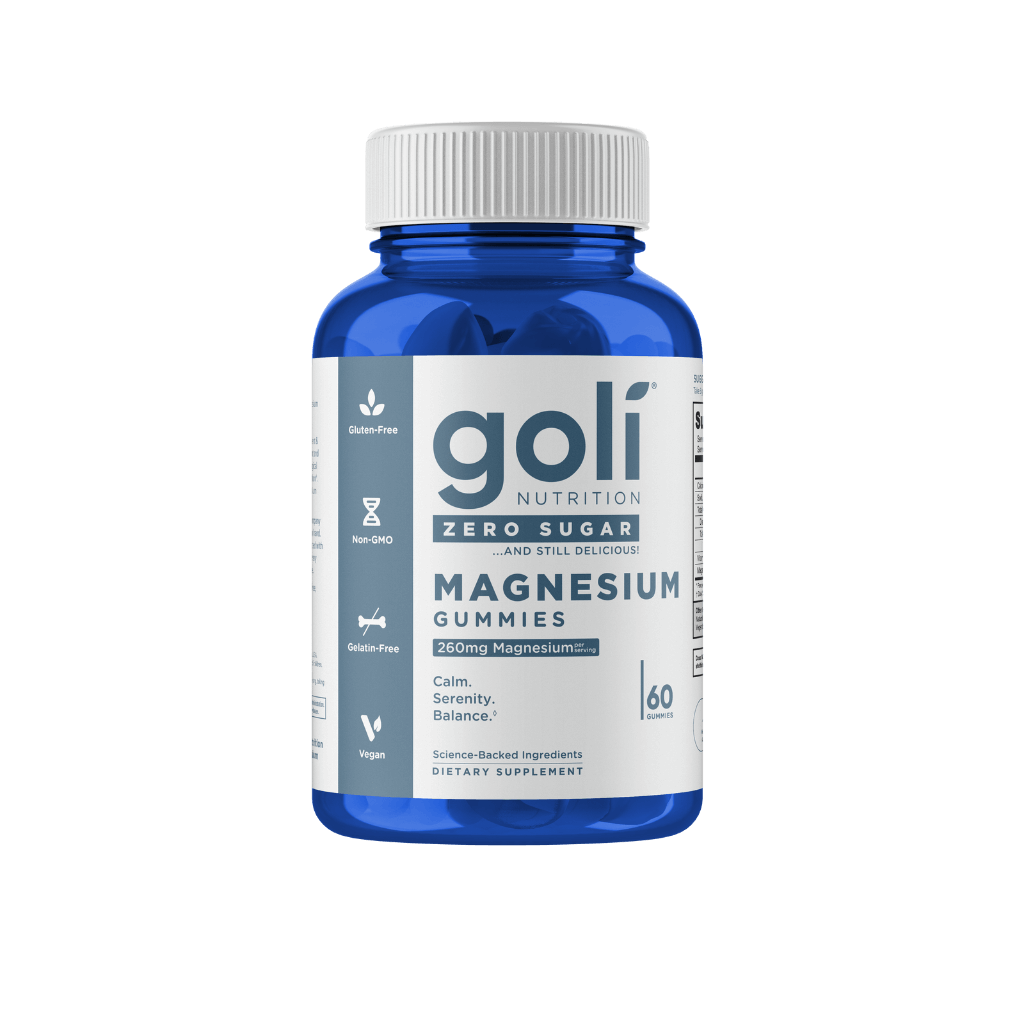
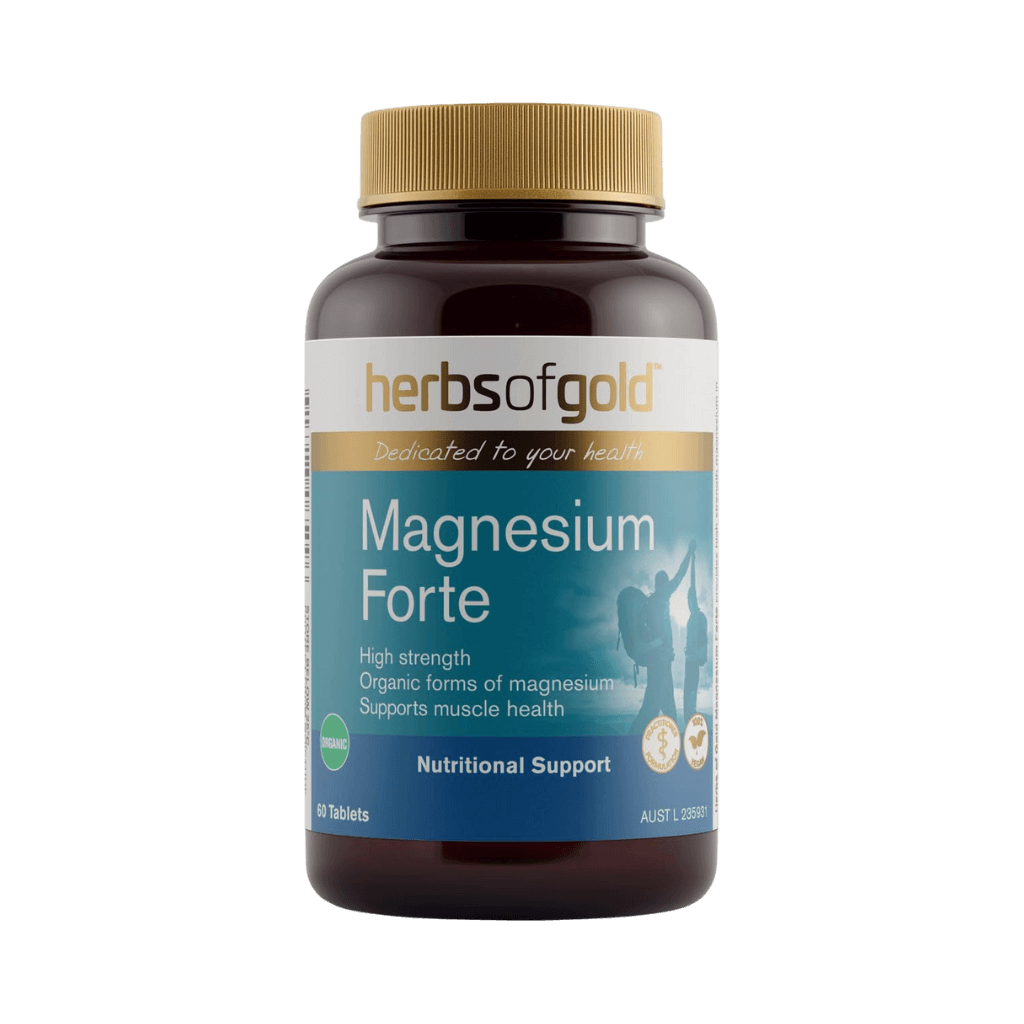
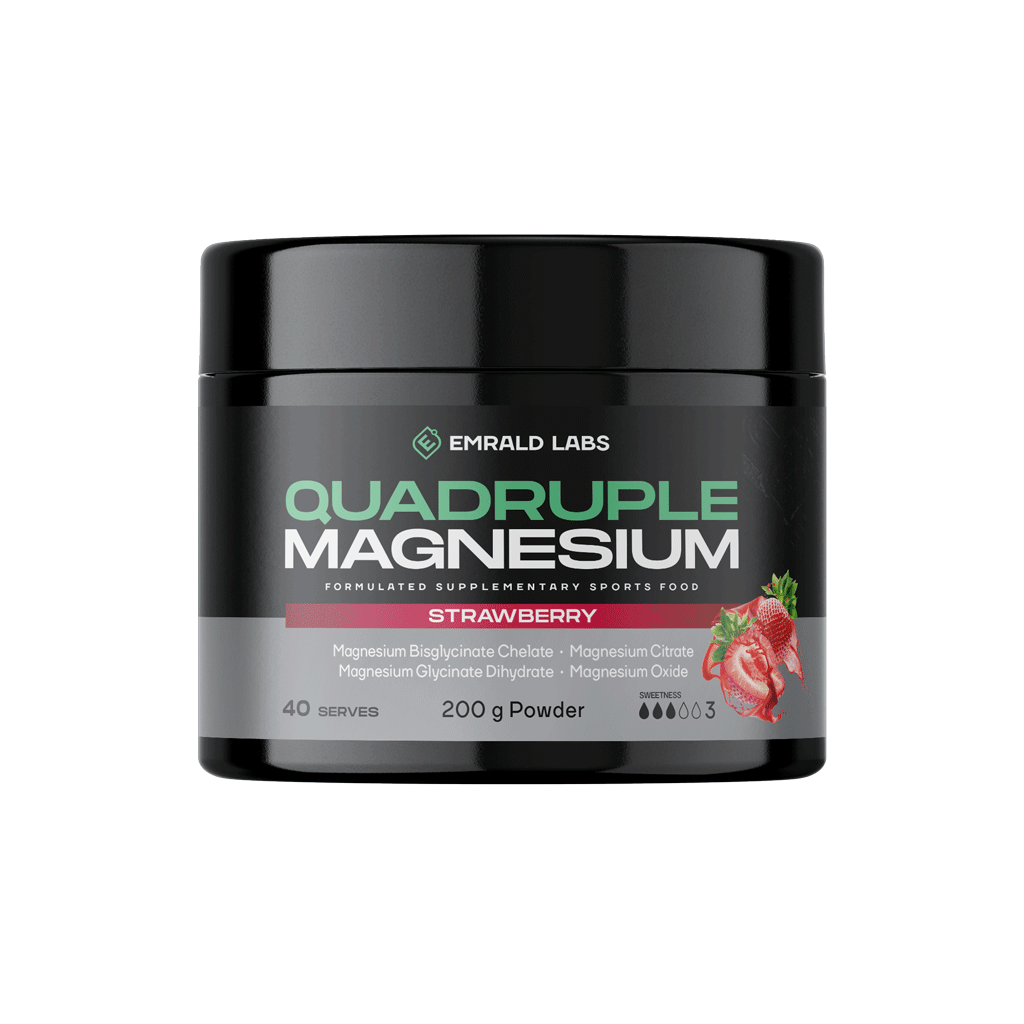
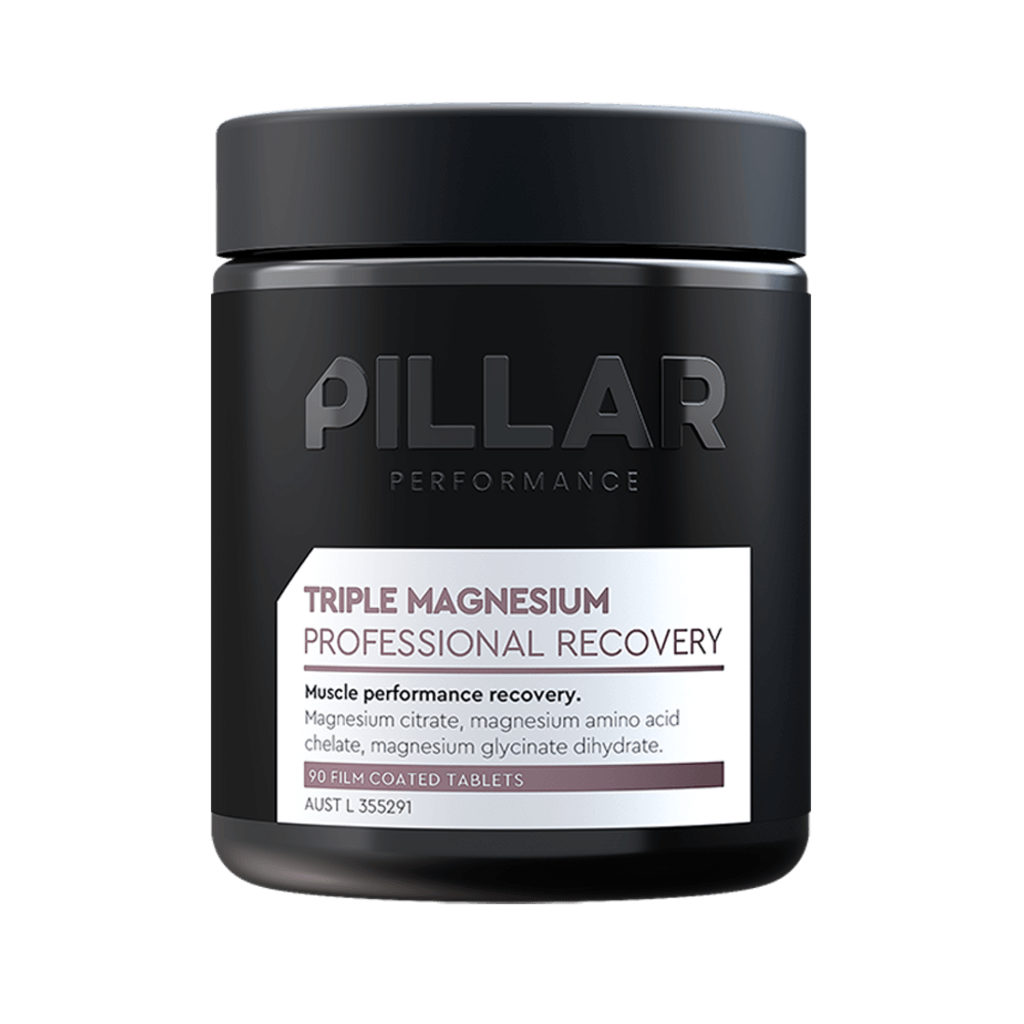
Yes — magnesium can play an important role in reducing muscle cramps and joint stiffness, though its effectiveness depends on the underlying cause.
Why Magnesium Matters
Muscle relaxation: Magnesium helps regulate muscle contraction by balancing calcium and potassium. Low levels can cause overactive nerve impulses, leading to cramps or twitching.
Anti-inflammatory effects: Magnesium has been linked to lower inflammation, which can ease joint discomfort and stiffness over time.
Muscle Cramps
Research evidence: Some studies show magnesium supplements help reduce nighttime leg cramps, especially in people who are deficient. Results are mixed, but deficiency correction almost always improves cramp frequency.
Who benefits most:
Older adults
Athletes losing magnesium through sweat
People on diuretics or certain medications
Joint Stiffness
Indirect benefits: While magnesium doesn’t “lubricate” joints, it supports muscle and nerve relaxation around the joints, reducing stiffness.
Bone health link: Magnesium also helps with bone mineralization, which may reduce long-term joint stress from osteoporosis.
Best Sources of Magnesium
Foods: Nuts (almonds, cashews), seeds (pumpkin, chia), legumes, whole grains, leafy greens, and dark chocolate.
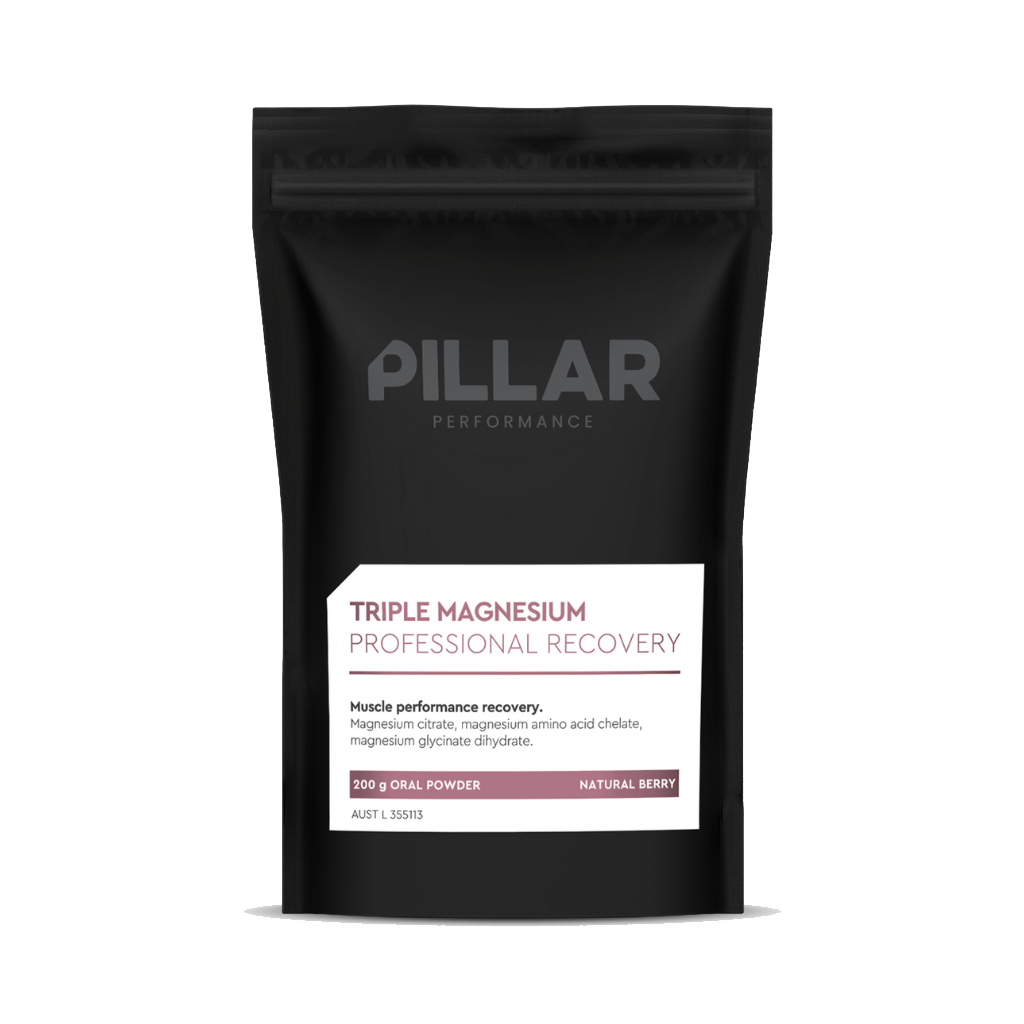
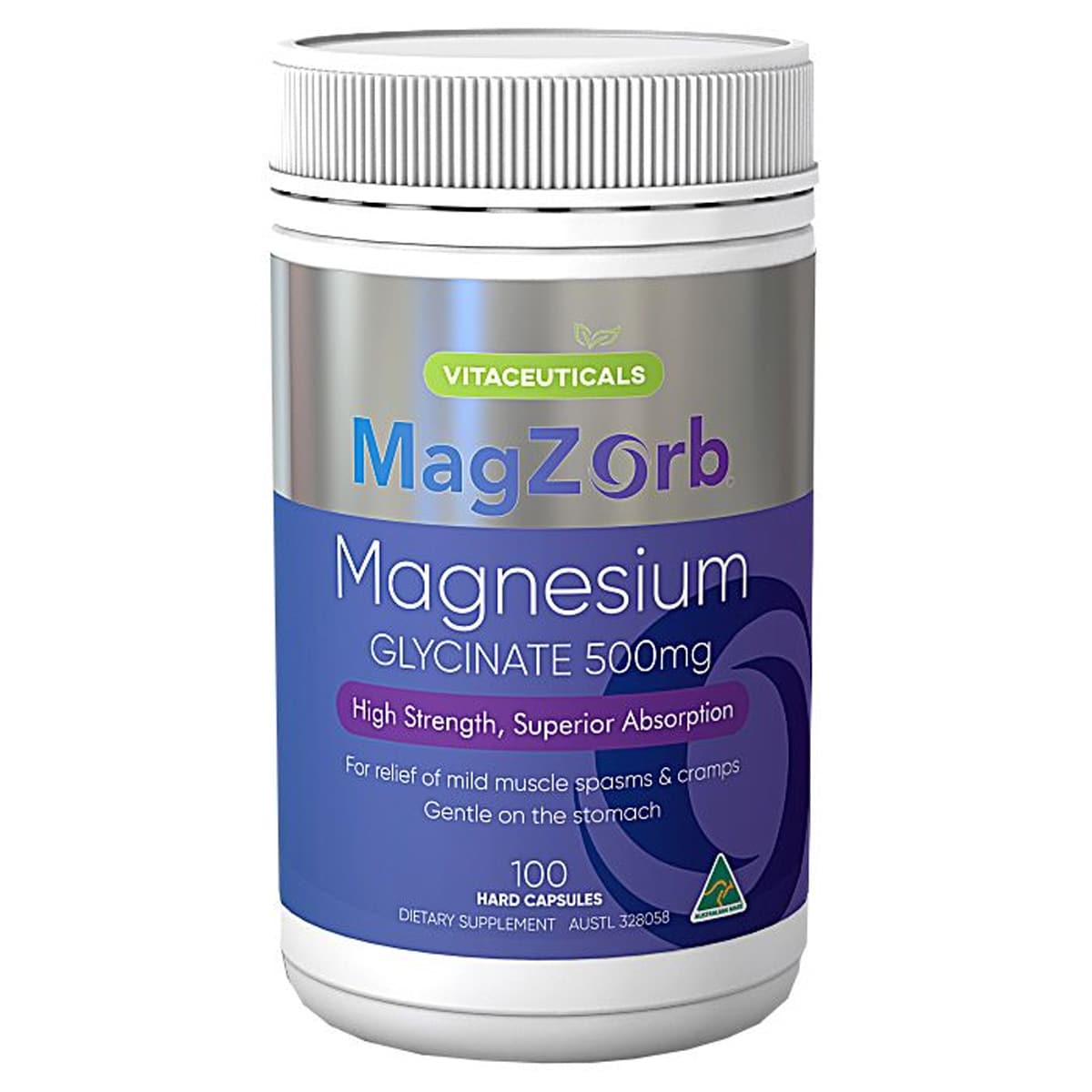
Supplements: Magnesium glycinate (gentle on the stomach, good for sleep and relaxation), magnesium citrate (better for digestion), magnesium malate (often recommended for muscle pain).
Practical Tips
Daily needs: Adults generally require 300–400 mg of magnesium daily.
Timing: Taking it in the evening may help with muscle relaxation and sleep quality.
Pairing nutrients: Works best with calcium, vitamin D, and potassium for overall muscle and joint function.
FAQs on Magnesium for Cramps and Stiffness
1. Can magnesium stop leg cramps at night? Yes, for some people—especially those deficient in magnesium. It may not eliminate cramps completely, but it often reduces frequency and intensity.
2. Which type of magnesium is best for cramps? Magnesium glycinate is popular for muscle relaxation and fewer digestive side effects. Magnesium malate may also be helpful for muscle stiffness and pain.
3. How long does it take for magnesium to work? You may notice improvements in sleep and relaxation within a few days, but consistent relief from cramps may take 2–4 weeks.
4. Can magnesium help arthritis-related stiffness? Indirectly, yes. Magnesium lowers inflammation and supports bone and cartilage health, which may ease stiffness, though it’s not a cure for arthritis.
5. What happens if I take too much magnesium? High doses (especially from supplements) can cause diarrhea, nausea, or low blood pressure. Stay within recommended limits unless advised by your doctor.
✅ Bottom line:Magnesium may reduce muscle cramps and joint stiffness, particularly if you’re deficient. It works best when paired with other bone and muscle-supporting nutrients and combined with hydration and stretching.
Most popular products
Oriental Botanicals | Magnesium, Anxiolift & Magnesium Excel Supplements Oriental Botanicals | Magnesium, Anxiolift & Magnesium Excel Supplements: health & fitness guide (realistic, label-first) Oriental Botanicals | Magnesium, Anxiolift & Magnesium Excel Supplements is listed as a Wellness supplement. This guide focuses on practical use in a health and fitness routine, without guessing ingredients or nutrition—always confirm those on…
Force Factor Zinc Magnesium Aspartate Force Factor Zinc Magnesium Aspartate: practical guide for training, recovery, and everyday nutrition Force Factor Zinc Magnesium Aspartate is listed as a Sports nutrition supplement. Below is a realistic, label-first guide to how people typically use products in this category, what to look for, and how to fit it into…
Force Factor Magnesium Force Factor Magnesium: practical guide for training, recovery, and everyday nutrition Force Factor Magnesium is listed as a Sports nutrition supplement. Below is a realistic, label-first guide to how people typically use products in this category, what to look for, and how to fit it into a sensible health and…
NOW Foods Magnesium Malate NOW Foods Magnesium Malate: practical guide for training, recovery, and everyday nutrition NOW Foods Magnesium Malate is listed as a Sports nutrition supplement. Below is a realistic, label-first guide to how people typically use products in this category, what to look for, and how to fit it into a sensible…
1000mg Magnesium Bisglycinate Tablets 1000mg Magnesium Bisglycinate Tablets: practical guide for training, recovery, and everyday nutrition 1000mg Magnesium Bisglycinate Tablets is listed as a Sports nutrition supplement. Below is a realistic, label-first guide to how people typically use products in this category, what to look for, and how to fit it into a sensible…
Zinc & Magnesium Capsules Zinc & Magnesium Capsules: practical guide for training, recovery, and everyday nutrition Zinc & Magnesium Capsules is listed as a Sports nutrition supplement. Below is a realistic, label-first guide to how people typically use products in this category, what to look for, and how to fit it into a sensible…