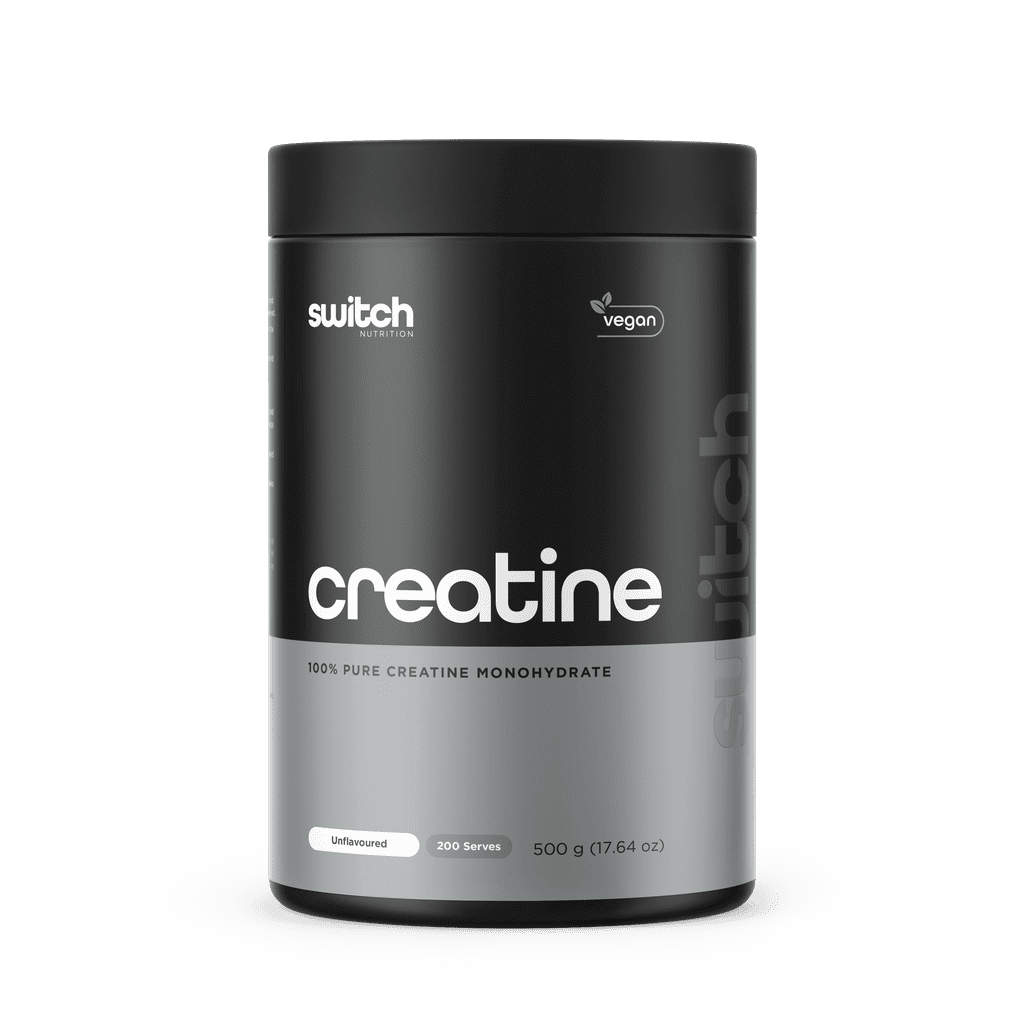
Creatine is one of the most researched sports supplements in the world, and unlike many products sold in the fitness space, it has a clear job. Its main use is to help your muscles produce energy during short bursts of high-intensity activity such as lifting weights, sprinting, jumping, and repeated hard efforts. That is why creatine is strongly associated with strength, power, and lean mass gains when paired with training. :contentReference[oaicite:0]{index=0}
It is not a steroid, not a stimulant, and not a shortcut around training. Creatine is a naturally occurring compound made from amino acids, found mostly in muscle and also in the brain. Your body makes some creatine on its own, and you also get small amounts from foods such as red meat and seafood. Supplements simply raise muscle creatine stores more than diet alone usually can. :contentReference[oaicite:1]{index=1}
That makes creatine interesting not only for athletes and gym-goers, but also for older adults trying to maintain muscle, active people wanting better training quality, and anyone trying to understand what this supplement actually does in the real world.
What Creatine Actually Does in the Body
Creatine helps the body regenerate adenosine triphosphate, or ATP, which is the immediate energy source your cells use for hard muscular work. During very short, intense efforts, ATP gets used up quickly. Stored creatine phosphate helps replenish it faster, allowing you to maintain output a little better during repeated explosive efforts. :contentReference[oaicite:2]{index=2}
That is the core reason creatine is used in sport and exercise. It is most relevant for activities that involve brief, powerful, repeated effort rather than long steady endurance work. Weight training, sprint intervals, football, rugby, HIIT, and other stop-start sports are where creatine tends to make the most sense. :contentReference[oaicite:3]{index=3}
What Is Creatine Used For?
1. Strength and Power
This is the best-known and best-supported use. Creatine can help improve performance in repeated high-intensity efforts, which can translate into better training sessions over time. In practice, that often means a few more reps, slightly better power output, or a little more total work in the gym. Over weeks and months, that can contribute to strength gains. :contentReference[oaicite:4]{index=4}
2. Lean Mass Gains with Resistance Training
Creatine is commonly used to support increases in lean body mass when combined with resistance training. Some of the early weight gain can come from water being drawn into muscle tissue, which is normal and expected. Longer term, better training quality may help support muscle growth. That does not mean creatine builds muscle on its own while you sit on the couch. Training still does the heavy lifting. :contentReference[oaicite:5]{index=5}
3. Repeated Sprint and High-Intensity Exercise Performance
Creatine is useful for sports and workouts that demand repeated bursts of effort with short recovery periods. That includes sprint training, team sports, CrossFit-style sessions, and many forms of interval work. It is less useful for long-duration steady aerobic exercise such as distance running where explosive output is not the main limiter. :contentReference[oaicite:6]{index=6}
4. Training Volume and Recovery Between Hard Efforts
Some research suggests creatine may help people tolerate higher training loads or recover better between repeated efforts. That does not make it a recovery cure-all, but it may support better performance from set to set or session to session, especially in high-intensity training. :contentReference[oaicite:7]{index=7}
5. Healthy Ageing and Muscle Maintenance
Creatine is increasingly discussed outside of sport because maintaining muscle and strength becomes more important with age. Research has explored whether creatine, when combined with resistance training, may help older adults support muscle mass, strength, and physical function. The biggest gains still come from training itself, but creatine may be a useful add-on in some cases. :contentReference[oaicite:8]{index=8}
What Creatine Is Not Especially Good For
Creatine is often oversold online, so it helps to be clear about what it is not mainly used for.
It is not a stimulant like caffeine.
It is not a fat burner.
It is not a substitute for protein, training, or sleep.
It is not especially useful for long, steady endurance events in the same way it is for strength and sprint work. :contentReference[oaicite:9]{index=9}
Some emerging areas, including brain health and other medical applications, are being studied, but those are not the same as having strong routine recommendations for the general public. It is better to keep the claims measured. :contentReference[oaicite:10]{index=10}
Why Creatine Works So Well for Gym Training
Creatine fits resistance training especially well because gym sessions often involve short, hard bursts of effort followed by rest. That is exactly the kind of work where the phosphocreatine energy system matters most. If creatine helps you squeeze out slightly better performance in those repeated efforts, the compound effect over time can be meaningful. Better training can lead to better results. :contentReference[oaicite:11]{index=11}
That is why creatine has lasted. It is not exciting because it is new. It is useful because the mechanism makes sense and the evidence base is unusually strong for a supplement. :contentReference[oaicite:12]{index=12}
Does Creatine Cause Weight Gain?
It can, especially at the beginning. Creatine often increases water content inside muscle cells, so some people notice the scale go up by a small amount after starting it. That is not the same as body fat gain. It is one reason creatine can be a poor fit for people obsessed with scale weight but a sensible fit for people focused on performance and muscle. :contentReference[oaicite:13]{index=13}
Is Creatine Safe?
For healthy adults, creatine monohydrate is generally considered safe when used appropriately, and it is one of the most studied sports supplements available. The International Society of Sports Nutrition position stand describes creatine monohydrate as effective and, in healthy individuals, safe based on the available evidence. :contentReference[oaicite:14]{index=14}
That said, “safe” does not mean “take as much as you like.” People with kidney disease, existing medical conditions, or those taking medications should check with their doctor before supplementing. It is also worth remembering that creatine may raise blood creatinine levels, which can affect how some lab results are interpreted even though creatinine and creatine are not the same thing. :contentReference[oaicite:15]{index=15}
Which Type of Creatine Is Best?
For most people, creatine monohydrate is the go-to form. It is the version used in most of the research, it is usually the most affordable, and it has the strongest evidence behind it. Many flashy alternative forms are marketed as better, but they often do not have the same depth of evidence. :contentReference[oaicite:16]{index=16}
How Much Creatine Do People Usually Take?
A common evidence-based approach is either:
3 to 5 grams per day consistently, or
a loading phase followed by a maintenance dose.
The exact protocol can vary, but many people simply take 3 to 5 grams of creatine monohydrate daily. A loading phase may saturate muscle stores faster, but it is not essential if you are happy to get there more gradually. :contentReference[oaicite:17]{index=17}
When Should You Take Creatine?
Timing matters less than consistency. Daily use is generally more important than whether you take it before or after your workout. Taking it at a time you will actually remember tends to matter more than chasing a perfect nutrient-timing theory. The main goal is to keep muscle creatine stores elevated over time. :contentReference[oaicite:18]{index=18}
Who Might Benefit Most from Creatine?
People doing resistance training
People doing repeated sprint or high-intensity interval training
Field and court sport athletes
Older adults doing strength training to support muscle and function
Vegetarians and vegans, who may start with lower muscle creatine stores because they eat little or no meat or fish :contentReference[oaicite:19]{index=19}
Who Should Be More Careful?
Creatine is not for blind self-experimenting in everyone. Speak to a health professional first if you:
Have kidney disease or reduced kidney function
Have a significant medical condition
Take regular prescription medicines
Are pregnant or breastfeeding
Are considering high doses rather than standard maintenance use :contentReference[oaicite:20]{index=20}
Creatine Myths That Need Clearing Up
“Creatine is basically a steroid”
No. Creatine is not an anabolic steroid. It is a naturally occurring compound involved in energy metabolism. :contentReference[oaicite:21]{index=21}
“Creatine is only for bodybuilders”
Also no. It is most useful for anyone doing repeated high-intensity effort, which includes many sports and general strength training, not just bodybuilding. :contentReference[oaicite:22]{index=22}
“Creatine ruins your kidneys”
In healthy adults, current evidence does not support the idea that recommended creatine use damages kidneys. But people with existing kidney problems should be cautious and get medical advice. :contentReference[oaicite:23]{index=23}
“You need to cycle on and off creatine”
Routine cycling is not necessary for most people using standard doses. Consistent daily intake is the common practical approach used in research and sport nutrition. :contentReference[oaicite:24]{index=24}
The Bottom Line on Creatine
Creatine is mainly used to improve performance in short, explosive, repeated efforts. It helps muscles regenerate energy quickly, which can support better strength training, power output, sprint work, and gains in lean mass when paired with resistance exercise. That is its main lane, and it does that job well. :contentReference[oaicite:25]{index=25}
It is not magic, and it is not a replacement for smart training, protein, recovery, and consistency. But if you want a supplement with a real purpose, a believable mechanism, and a strong evidence base, creatine deserves its reputation.
Quick Takeaways
Creatine is used mainly for strength, power, repeated sprint ability, and lean mass support.
It works by helping regenerate ATP, the body’s quick energy source for intense effort. :contentReference[oaicite:26]{index=26}
It is most useful for weight training, sprinting, HIIT, and stop-start sport. :contentReference[oaicite:27]{index=27}
It is less useful for long steady endurance activity. :contentReference[oaicite:28]{index=28}
Creatine monohydrate is the most researched and most practical form. :contentReference[oaicite:29]{index=29}
Some early weight gain is often water held in muscle, not fat. :contentReference[oaicite:30]{index=30}
Frequently Asked Questions
What is creatine mainly used for?
Creatine is mainly used to improve strength, power, repeated high-intensity exercise performance, and lean mass gains when combined with resistance training. :contentReference[oaicite:31]{index=31}
Does creatine build muscle?
Creatine can help support muscle gain when paired with effective resistance training, but it does not build muscle by itself. Better training quality is part of why it works. :contentReference[oaicite:32]{index=32}
Is creatine good for endurance running?
It is generally less useful for steady endurance events than it is for short, explosive, repeated efforts. :contentReference[oaicite:33]{index=33}
What form of creatine is best?
Creatine monohydrate is usually the best starting point because it is the most studied, widely used, and cost-effective form. :contentReference[oaicite:34]{index=34}
Does creatine make you retain water?
Yes, it can increase water held within muscle tissue, especially early on. That can show up as a small weight increase on the scale. :contentReference[oaicite:35]{index=35}
Can older adults use creatine?
Research has explored creatine as a useful support alongside resistance training in older adults, particularly for muscle and physical function, though personal medical advice still matters. :contentReference[oaicite:36]{index=36}
Is creatine safe for healthy adults?
For healthy adults, creatine monohydrate is generally considered safe when used appropriately, but anyone with kidney disease or other medical concerns should get medical advice first. :contentReference[oaicite:37]{index=37}
Medical note: This article is for general education only and does not replace medical advice. If you have kidney disease, take regular medication, or have an ongoing medical condition, speak with your doctor or pharmacist before using creatine supplements.
Most popular sponsored products
Creatine Monohydrate Powder 1KG | Naked Creatine - 1KG Creatine Monohydrate Powder 1KG | Naked Creatine - 1KG: a realistic guide for health, training, and recovery Creatine Monohydrate Powder 1KG | Naked Creatine - 1KG is listed as a Creatine supplement. This is a practical, label-first guide to how products in this category are commonly used, what to look…
Creatine Monohydrate Powder 500g | Naked Creatine - 1.1LB Creatine Monohydrate Powder 500g | Naked Creatine - 1.1LB: a realistic guide for health, training, and recovery Creatine Monohydrate Powder 500g | Naked Creatine - 1.1LB is listed as a Creatine supplement. This is a practical, label-first guide to how products in this category are commonly used, what to look…
Strawberry Creatine Monohydrate Powder | Naked Creatine - 1.1LB Strawberry Creatine Monohydrate Powder | Naked Creatine - 1.1LB: a realistic guide for health, training, and recovery Strawberry Creatine Monohydrate Powder | Naked Creatine - 1.1LB is listed as a Creatine supplement. This is a practical, label-first guide to how products in this category are commonly used, what to look…
Lemon Lime Creatine Monohydrate Powder | Naked Creatine - 1.1LB Lemon Lime Creatine Monohydrate Powder | Naked Creatine - 1.1LB: a realistic guide for health, training, and recovery Lemon Lime Creatine Monohydrate Powder | Naked Creatine - 1.1LB is listed as a Creatine supplement. This is a practical, label-first guide to how products in this category are commonly used, what…
Orange Creatine Monohydrate Powder | Naked Creatine - 1.1LB Orange Creatine Monohydrate Powder | Naked Creatine - 1.1LB: a realistic guide for health, training, and recovery Orange Creatine Monohydrate Powder | Naked Creatine - 1.1LB is listed as a Creatine supplement. This is a practical, label-first guide to how products in this category are commonly used, what to look…
Creatine Travel Packets | Naked Creatine - 30 Servings Creatine Travel Packets | Naked Creatine - 30 Servings: a realistic guide for health, training, and recovery Creatine Travel Packets | Naked Creatine - 30 Servings is listed as a Creatine supplement. This is a practical, label-first guide to how products in this category are commonly used, what to look…
Quick take: iHerb makes it easy to browse supplements, protein, wellness products, and healthy pantry staples in one place. It’s a handy option for comparing ingredients, brands, and customer reviews before choosing what suits your goals.
Quick take: iHerb makes it easy to browse supplements, protein, wellness products, and healthy pantry staples in one place. It’s a handy option for comparing ingredients, brands, and customer reviews before choosing what suits your goals.