Yes — probiotics can improve both digestion and immunity, and that’s why they’ve become so popular in gut health and wellness. Probiotics are live “good” bacteria that, when consumed in adequate amounts, support a healthy balance of the gut microbiome.
How Probiotics Improve Digestion
1. Balance Gut Microbiota
They restore balance when harmful bacteria overgrow, which can happen after antibiotics, illness, or poor diet.
2. Ease Digestive Issues
Reduce bloating, gas, and diarrhea, especially after antibiotics.
Helpful in IBS (Irritable Bowel Syndrome), where certain strains improve abdominal pain and bowel regularity.
Support people with lactose intolerance by helping break down lactose.
3. Enhance Nutrient Absorption
Probiotics aid in the absorption of minerals like calcium, magnesium, and iron.
They also produce vitamins such as vitamin K and some B-vitamins in the gut.
How Probiotics Support Immunity
1. Gut–Immune Connection
About 70% of the immune system is located in the gut (in gut-associated lymphoid tissue, or GALT).
A healthy gut microbiome helps train immune cells to respond appropriately.
2. Reduce Infections
Certain probiotic strains lower the risk of respiratory tract infections and gut infections.
They may also shorten the duration of colds.
3. Anti-Inflammatory Effects
Probiotics reduce systemic inflammation by strengthening the intestinal barrier and producing short-chain fatty acids (SCFAs).
This helps prevent immune overreactions linked to allergies and autoimmune conditions.
4. Allergy Support
Some probiotics may reduce the severity of eczema and seasonal allergies by calming inflammatory responses.
Best Food and Supplement Sources
Foods: Yogurt with live cultures, kefir, sauerkraut, kimchi, miso, kombucha, tempeh.
Supplements: Look for multi-strain formulas containing Lactobacillus and Bifidobacterium species.
FAQs on Probiotics for Digestion & Immunity
1. Do probiotics really improve digestion? Yes. They help with bloating, diarrhea, and IBS symptoms. The effects depend on the strain used.
2. Can probiotics boost immunity? Yes. They enhance gut barrier function and immune cell activity, lowering the risk of infections and inflammation.
3. How long before probiotics work? Digestive improvements may be noticed in a few days to 2 weeks. Immune benefits may take longer (4–12 weeks).
4. Are probiotics safe for everyone? Generally, yes. Mild bloating or gas may occur when starting. People with severely weakened immune systems should consult a doctor first.
5. Do I need to take probiotics forever? Not necessarily. Benefits last as long as you take them. Supporting gut health with fiber-rich foods (prebiotics) helps maintain the effects.
6. Is food or supplementation better? Fermented foods are great for daily maintenance, but supplements provide higher, more targeted doses — especially after antibiotics or in digestive disorders.
✅ Bottom line:Probiotics improve digestion by balancing gut bacteria and enhancing nutrient absorption, and they support immunity by reducing inflammation and strengthening the gut–immune system connection.
Most popular sponsored products
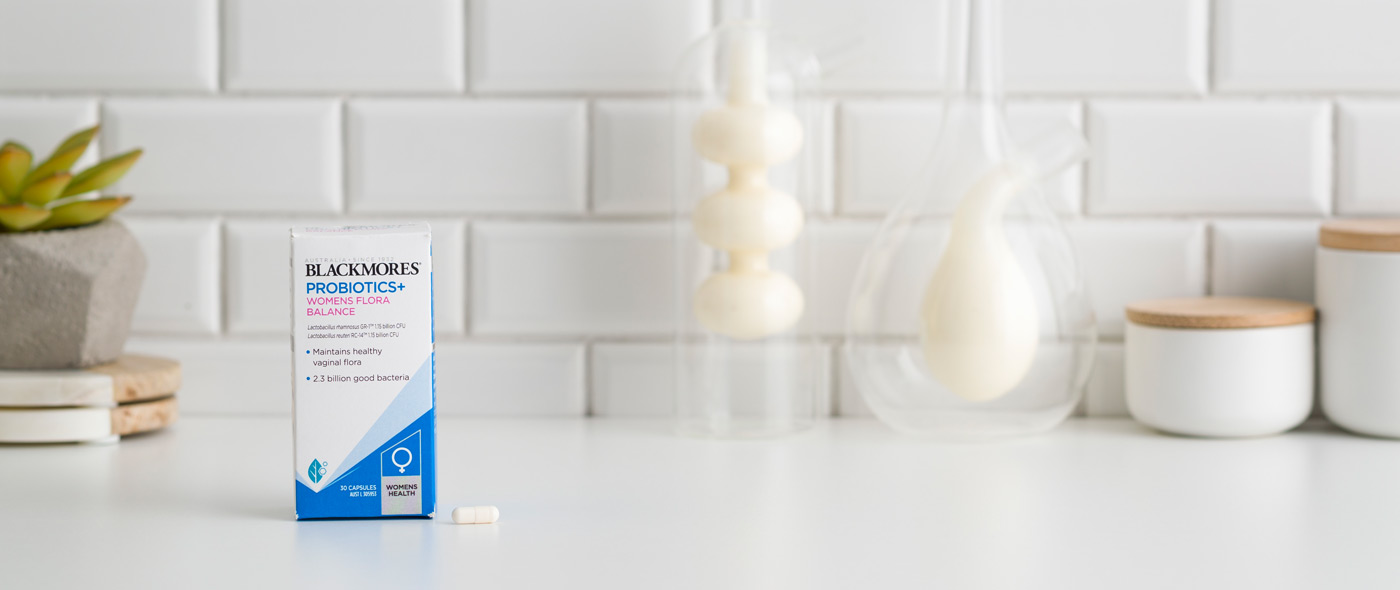
Blackmores Probiotics+ Womens Flora Balance Blackmores Probiotics+ Womens Flora Balance: health & fitness guide (realistic, label-first) Blackmores Probiotics+ Womens Flora Balance is listed as a Wellness supplement. This guide focuses on practical use in a health and fitness routine, without guessing ingredients or nutrition—always confirm those on the product label. Price (at time of import):…
Nature's Goodness Kefir King of Probiotics Nature's Goodness Kefir King of Probiotics: health & fitness guide (realistic, label-first) Nature's Goodness Kefir King of Probiotics is listed as a Wellness supplement. This guide focuses on practical use in a health and fitness routine, without guessing ingredients or nutrition—always confirm those on the product label. Price (at time…
Natures Way Adult Vita Gummies Fibre + Probiotics 30 Pack | Healthylife Natures Way Adult Vita Gummies Fibre + Probiotics 30 Pack | Healthylife: health & fitness guide (realistic, label-first) Natures Way Adult Vita Gummies Fibre + Probiotics 30 Pack | Healthylife is listed as a Wellness supplement. This guide focuses on practical use in a health and fitness routine, without guessing…
Inner Health IBS Control Probiotics 30 Capsules | Healthylife Inner Health IBS Control Probiotics 30 Capsules | Healthylife: health & fitness guide (realistic, label-first) Inner Health IBS Control Probiotics 30 Capsules | Healthylife is listed as a Wellness supplement. This guide focuses on practical use in a health and fitness routine, without guessing ingredients or nutrition—always confirm those on…
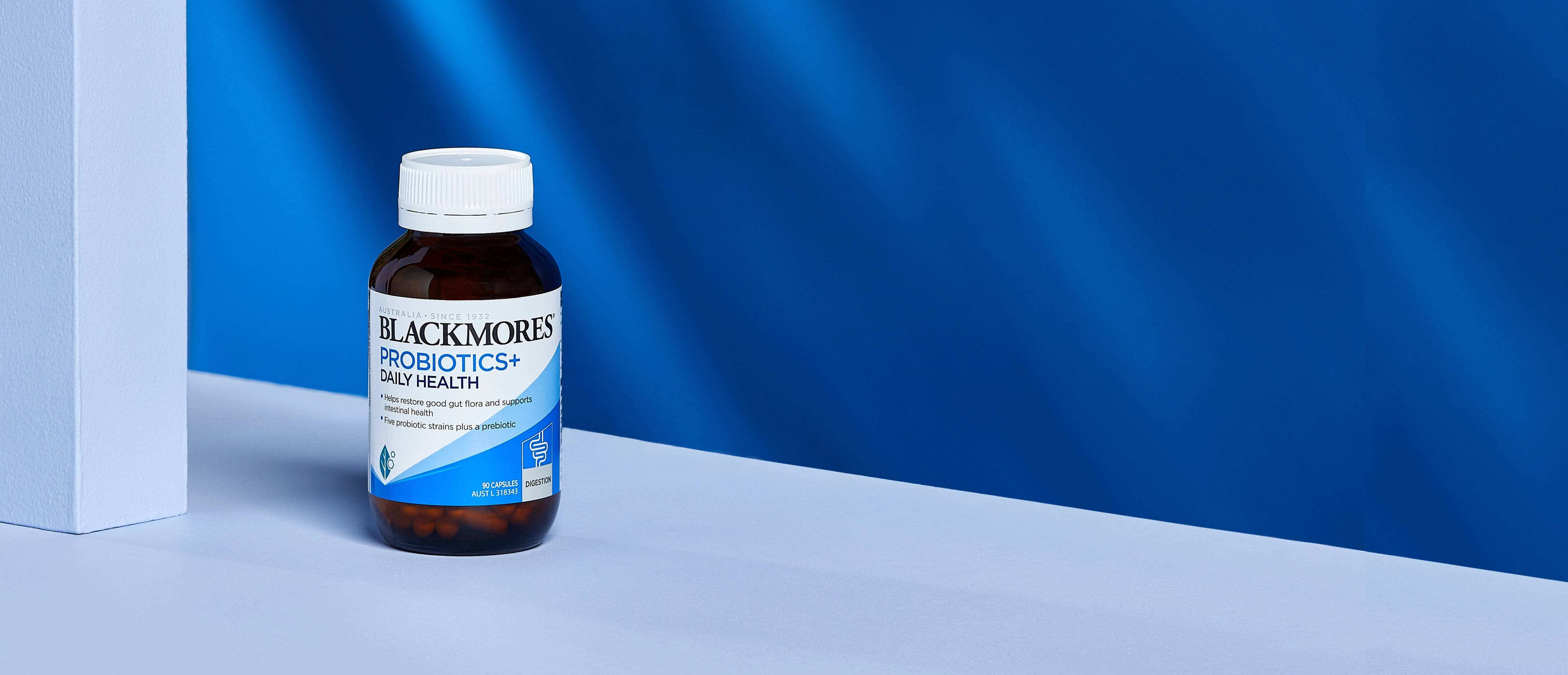
Blackmores Probiotics + Daily Health 90 Capsules | Healthylife Blackmores Probiotics + Daily Health 90 Capsules | Healthylife: health & fitness guide (realistic, label-first) Blackmores Probiotics + Daily Health 90 Capsules | Healthylife is listed as a Wellness supplement. This guide focuses on practical use in a health and fitness routine, without guessing ingredients or nutrition—always confirm those on…
Bioglan Platinum Probiotics 100 Billion 60 Capsules | Healthylife Bioglan Platinum Probiotics 100 Billion 60 Capsules | Healthylife: health & fitness guide (realistic, label-first) Bioglan Platinum Probiotics 100 Billion 60 Capsules | Healthylife is listed as a Wellness supplement. This guide focuses on practical use in a health and fitness routine, without guessing ingredients or nutrition—always confirm those on…
Quick take: iHerb makes it easy to browse supplements, protein, wellness products, and healthy pantry staples in one place. It’s a handy option for comparing ingredients, brands, and customer reviews before choosing what suits your goals.
Quick take: iHerb makes it easy to browse supplements, protein, wellness products, and healthy pantry staples in one place. It’s a handy option for comparing ingredients, brands, and customer reviews before choosing what suits your goals.