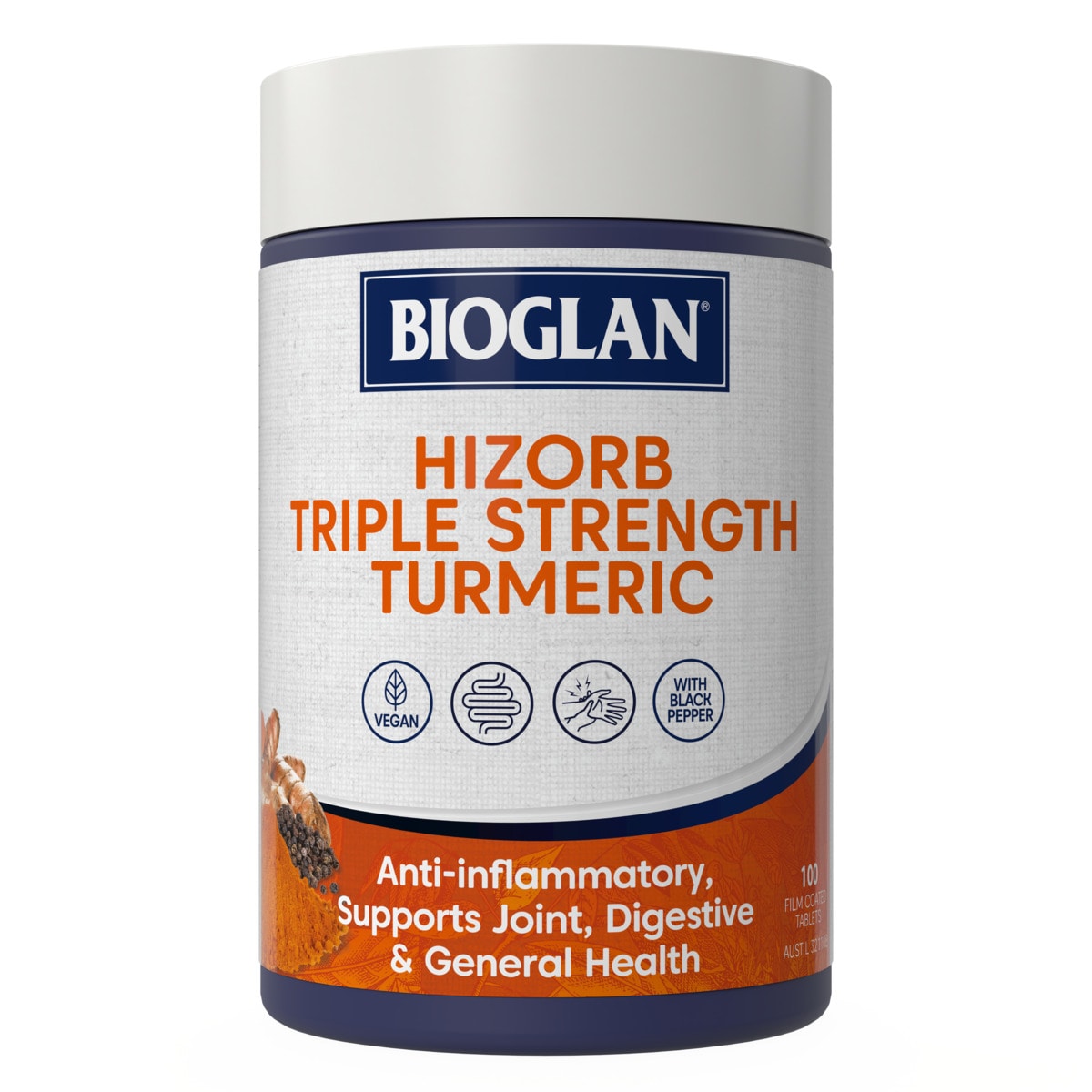
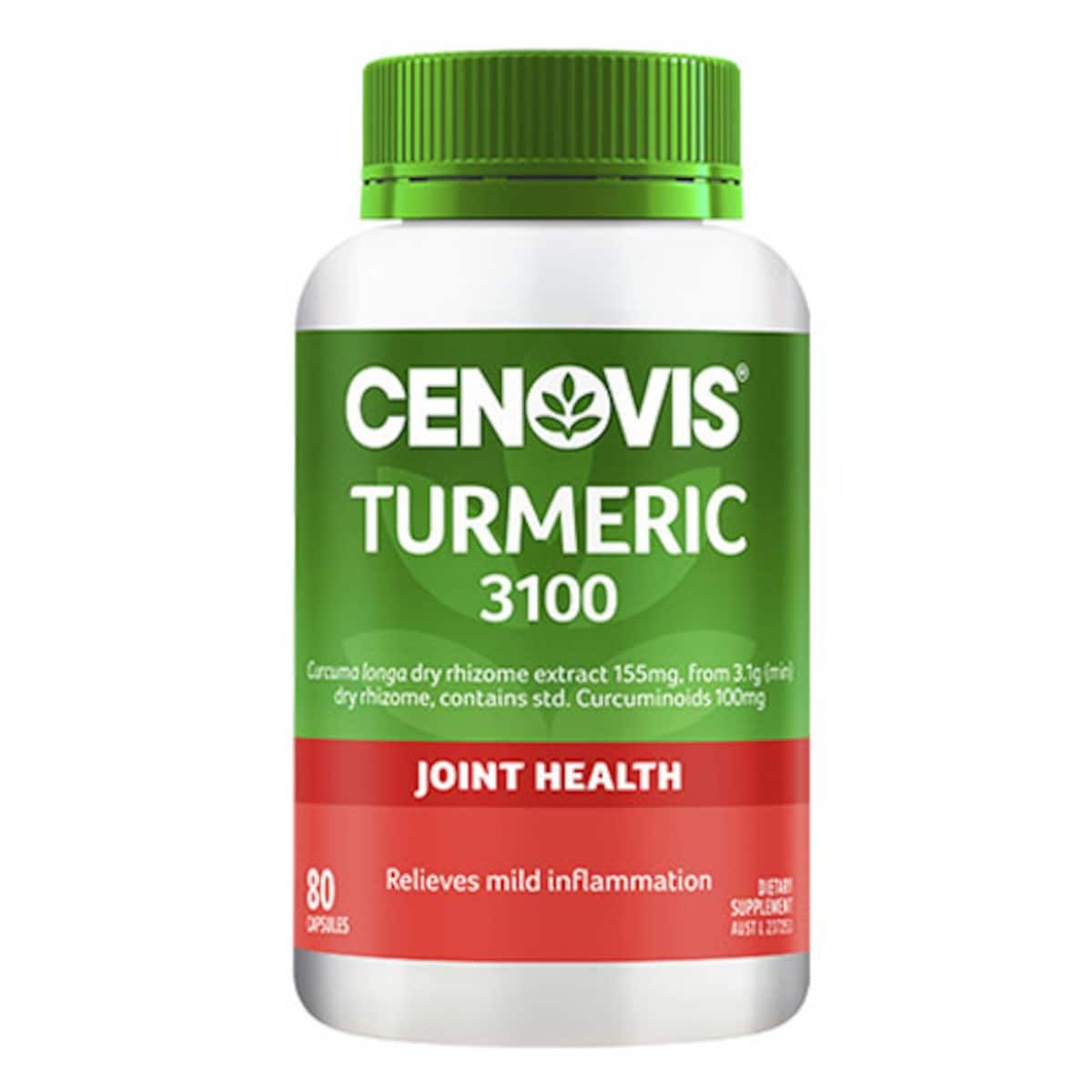
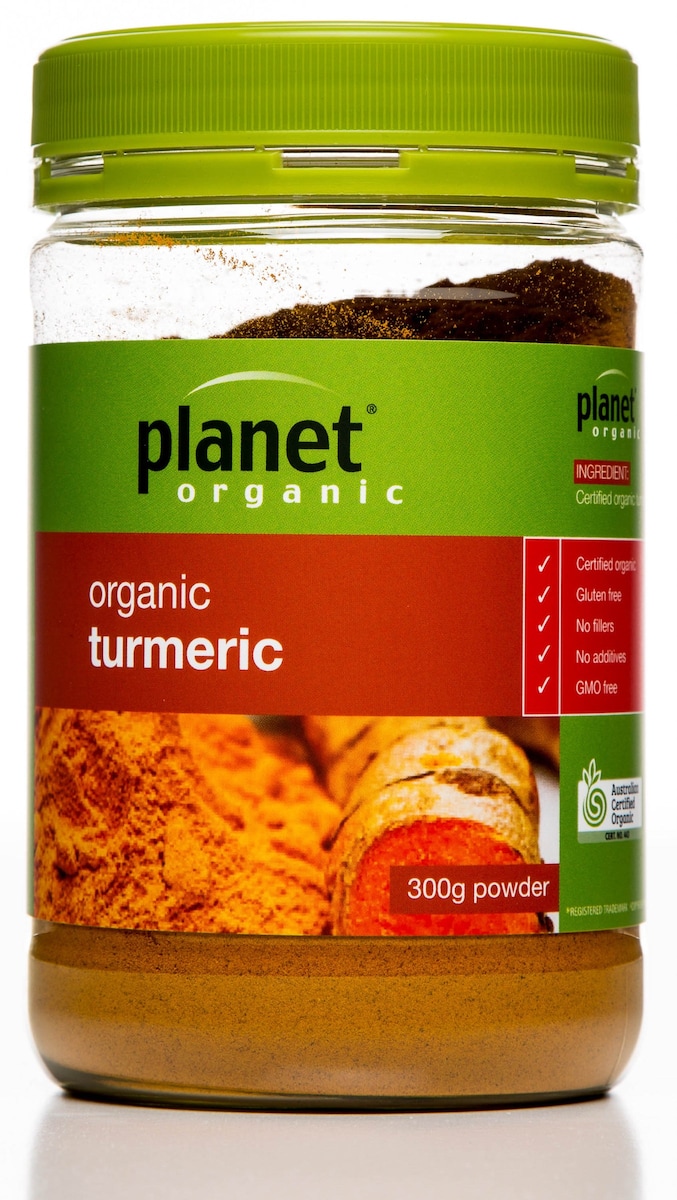
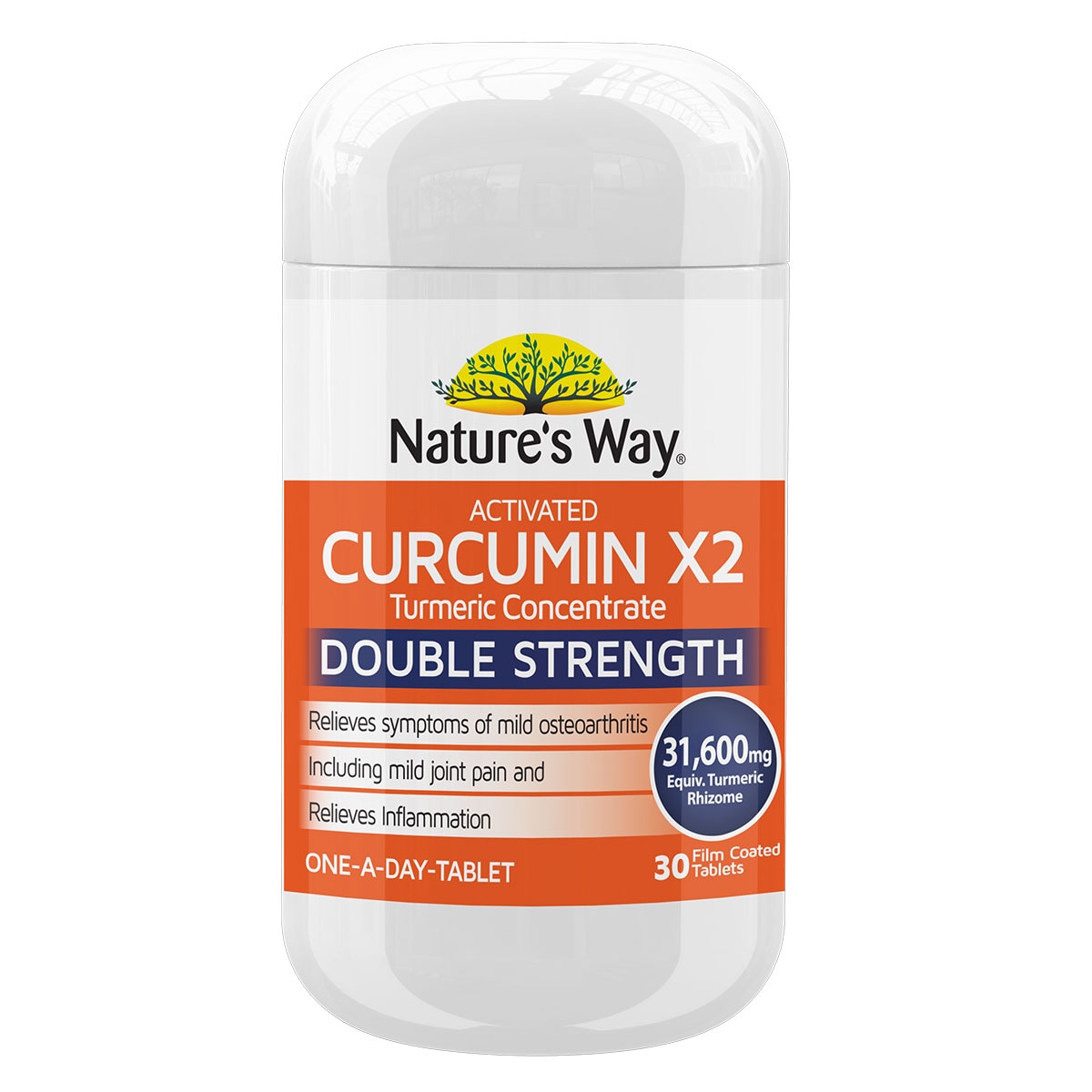
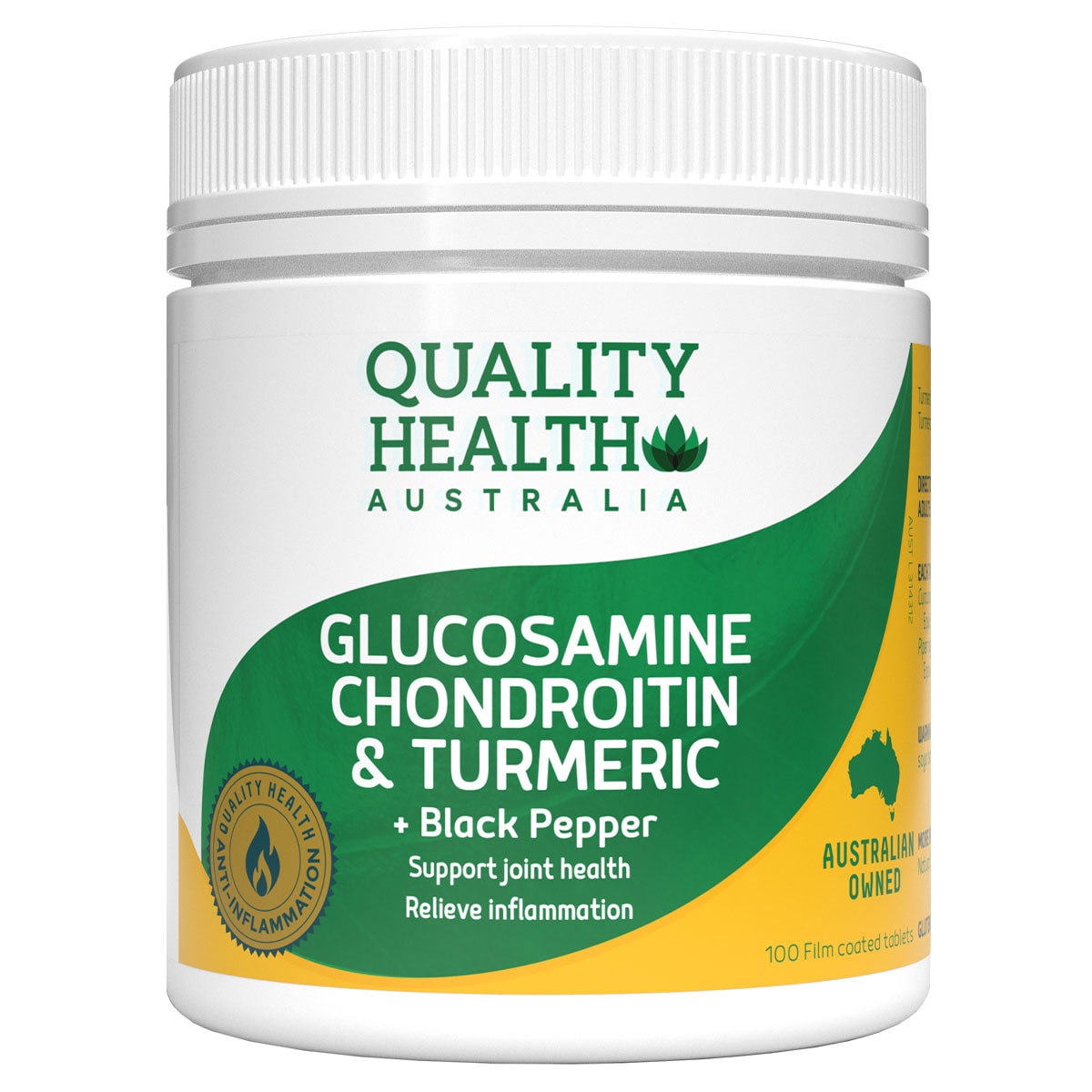
Yes — turmeric (curcumin) has been shown in multiple studies to help reduce arthritis pain, especially in osteoarthritis and rheumatoid arthritis, thanks to its powerful anti-inflammatory and antioxidant properties.
How Turmeric (Curcumin) Works for Arthritis
1. Anti-Inflammatory Effects
Curcumin blocks NF-κB, a molecule that switches on inflammation in the body.
It also reduces cytokines and enzymes (like COX-2) that drive joint pain and swelling.
2. Antioxidant Protection
Curcumin neutralizes free radicals, which can damage joint tissue and cartilage.
This protective effect may slow cartilage breakdown.
3. Pain and Function Improvement
Several clinical trials show turmeric extract can reduce joint pain, stiffness, and swelling.
Some studies find curcumin’s effects comparable to NSAIDs (like ibuprofen), but with fewer side effects.
Evidence From Research
Osteoarthritis: A meta-analysis (2021) of over 1,000 patients found that curcumin significantly reduced knee pain and improved function.
Rheumatoid arthritis: Smaller studies show turmeric can reduce joint swelling and tenderness when taken alongside standard treatments.
Long-term benefit: Works best when taken consistently for 8–12 weeks or longer.
How to Take Turmeric for Arthritis
Dosage:
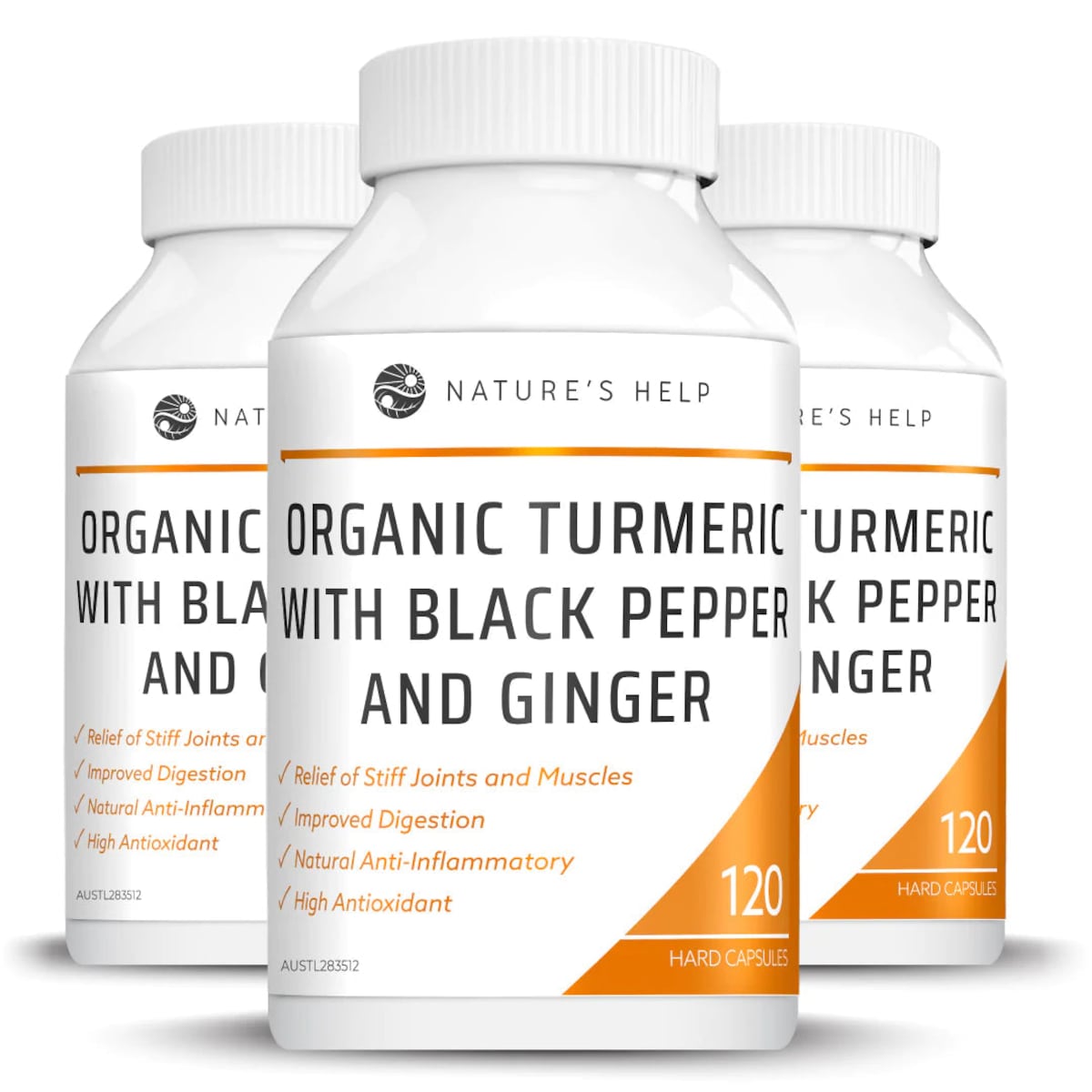
500–1,000 mg/day of standardized curcumin extract (with 95% curcuminoids).
Split into 2–3 doses daily for better absorption.
Absorption Tip:Curcumin is poorly absorbed on its own. Look for:
Curcumin + Piperine (black pepper extract) → boosts absorption by up to 2000%.
Liposomal or phytosome forms (e.g., Meriva®) → much better bioavailability.
Food pairing: Take with meals containing healthy fats (olive oil, avocado, fish).
Safety and Side Effects
Generally safe, but high doses may cause stomach upset or diarrhea.
Can thin blood — use caution if on blood thinners (warfarin, aspirin, etc.).
Not recommended right before surgery.
FAQs on Turmeric for Arthritis
1. How long before turmeric starts working for arthritis? Usually 4–8 weeks of daily use is needed to notice reduced pain and stiffness.
2. Can turmeric replace arthritis medication? No. It may reduce the need for NSAIDs but should be used as a complement to medical treatment, not a replacement.
3. Is turmeric from food (like curry) enough for arthritis benefits? Not usually. Dietary turmeric contains only 2–5% curcumin. Supplements provide concentrated doses used in research.
4. Is turmeric better for osteoarthritis or rheumatoid arthritis? It seems more effective for osteoarthritis, but can also help reduce inflammation in rheumatoid arthritis when used with other treatments.
5. What’s the best form of turmeric supplement? Standardized curcumin extract with piperine or phytosome (Meriva®) technology for absorption.
6. Can turmeric prevent arthritis? It may help slow cartilage breakdown and reduce inflammation, but it cannot fully prevent arthritis in people at high risk.
✅ Bottom line:Turmeric (curcumin) does work for arthritis pain, especially when taken in supplement form with enhanced absorption. It reduces inflammation, eases joint pain, and may improve mobility — making it a safe, natural complement to conventional treatment.
Most popular sponsored products
Turmeric & BioPerine® Capsules Turmeric & BioPerine® Capsules: a realistic guide for health, training, and recovery Turmeric & BioPerine® Capsules is listed as a Micronutrient supplement. This is a practical, label-first guide to how products in this category are commonly used, what to look for, and how to fit it into a sensible health…
Turmeric & Ginger Gummies Turmeric & Ginger Gummies: a realistic guide for health, training, and recovery Turmeric & Ginger Gummies is listed as a Micronutrient supplement. This is a practical, label-first guide to how products in this category are commonly used, what to look for, and how to fit it into a sensible health…
Planet Organic Turmeric Ginger 25 Tea Bags | Healthylife Planet Organic Turmeric Ginger 25 Tea Bags | Healthylife: health & fitness guide (realistic, label-first) Planet Organic Turmeric Ginger 25 Tea Bags | Healthylife is listed as a Wellness supplement. This guide focuses on practical use in a health and fitness routine, without guessing ingredients or nutrition—always confirm those on…
Nutra-Life Ultra Curcumin Turmeric 55000+ 50 Tablets | Healthylife Nutra-Life Ultra Curcumin Turmeric 55000+ 50 Tablets | Healthylife: health & fitness guide (realistic, label-first) Nutra-Life Ultra Curcumin Turmeric 55000+ 50 Tablets | Healthylife is listed as a Wellness supplement. This guide focuses on practical use in a health and fitness routine, without guessing ingredients or nutrition—always confirm those on…
Henry Blooms Bio Fermented Turmeric with Ginger & Black Pepper 500ml | Healthylife Henry Blooms Bio Fermented Turmeric with Ginger & Black Pepper 500ml | Healthylife: health & fitness guide (realistic, label-first) Henry Blooms Bio Fermented Turmeric with Ginger & Black Pepper 500ml | Healthylife is listed as a Wellness supplement. This guide focuses on practical use in a health and fitness routine,…
Naturopathica CurcuMax Turmeric Daily 3100mg 80 Tablets | Healthylife Naturopathica CurcuMax Turmeric Daily 3100mg 80 Tablets | Healthylife: health & fitness guide (realistic, label-first) Naturopathica CurcuMax Turmeric Daily 3100mg 80 Tablets | Healthylife is listed as a Wellness supplement. This guide focuses on practical use in a health and fitness routine, without guessing ingredients or nutrition—always confirm those on…
Quick take: iHerb makes it easy to browse supplements, protein, wellness products, and healthy pantry staples in one place. It’s a handy option for comparing ingredients, brands, and customer reviews before choosing what suits your goals.
Quick take: iHerb makes it easy to browse supplements, protein, wellness products, and healthy pantry staples in one place. It’s a handy option for comparing ingredients, brands, and customer reviews before choosing what suits your goals.