Electrolytes are often marketed as a must-have fitness extra, but they are not just a sports-drink buzzword. Electrolytes are minerals in body fluids that carry an electric charge. They help regulate fluid balance, nerve signalling, muscle function, and acid-base balance. In practical terms, they help your body keep water where it is needed and help your muscles and nerves do their jobs properly. :contentReference[oaicite:0]{index=0}
The main electrolytes people hear about are sodium, potassium, chloride, magnesium, calcium, phosphate, and bicarbonate. But in day-to-day health and hydration, sodium, potassium, and chloride tend to be the best known. :contentReference[oaicite:1]{index=1}
That is why electrolytes matter for exercise, sweating, vomiting, diarrhoea, dehydration, and certain medical conditions. But they are also oversold. Most people do not need an expensive electrolyte drink every time they go for a short walk or do a light gym session. Water is often enough. The real value of electrolytes shows up when fluid and mineral losses are meaningful. :contentReference[oaicite:2]{index=2}
What Electrolytes Actually Do in the Body
1. Help Control Fluid Balance
Electrolytes help regulate how much water stays inside and outside your cells. Sodium is especially important here. When electrolyte levels get too low or too high, fluid balance can shift in ways that affect how the body functions. :contentReference[oaicite:3]{index=3}
2. Support Nerve Signalling
Nerves rely on electrical gradients to send messages. Electrolytes help make that possible. This is one reason electrolyte imbalance can affect symptoms such as weakness, confusion, or muscle problems. :contentReference[oaicite:4]{index=4}
3. Help Muscles Contract Properly
Electrolytes are involved in muscle contraction and relaxation, including the muscles used in movement and the heart. That is why major imbalances can be serious and why hydration is more than just drinking plain fluid. :contentReference[oaicite:5]{index=5}
4. Help Maintain Acid-Base Balance
Electrolytes such as bicarbonate and chloride help maintain the body’s acid-base balance, also called pH balance. This is one of the less glamorous jobs of electrolytes, but it is vital to normal function. :contentReference[oaicite:6]{index=6}
What Electrolytes Are Used For
1. Rehydration After Heavy Fluid Loss
This is the clearest real-world use. Electrolytes are used to replace minerals lost along with fluid during sweating, vomiting, diarrhoea, or other significant fluid loss. NHS guidance specifically notes that if you are vomiting or have diarrhoea and losing too much fluid, you need to replace the sugar, salts, and minerals you have lost, and pharmacists may recommend oral rehydration solutions. :contentReference[oaicite:7]{index=7}
2. Supporting Hydration During Prolonged or Hot-Weather Exercise
During long sessions, heavy sweating, or training in the heat, fluid loss includes sodium and other electrolytes. ACSM guidance notes that sodium intake before prolonged exercise in the heat can help maintain fluid and electrolyte balance and delay dehydration. This is one reason electrolyte drinks can make sense for endurance athletes or very sweaty sessions, especially in hot conditions. :contentReference[oaicite:8]{index=8}
3. Oral Rehydration During Illness
Electrolytes are widely used in oral rehydration solutions during illnesses that cause vomiting or diarrhoea. CDC guidance for travellers’ diarrhoea says fluids and electrolytes are lost and replenishment is important, especially in young children, older adults, and adults with chronic illness. :contentReference[oaicite:9]{index=9}
4. Treating or Monitoring Electrolyte Imbalance
Electrolytes also matter in medical care more broadly. Blood electrolyte panels measure major electrolytes to help assess dehydration, kidney problems, acid-base disorders, and other clinical issues. This is a reminder that electrolytes are not just a workout accessory; they are part of basic physiology and medicine. :contentReference[oaicite:10]{index=10}
When You Probably Do Not Need an Electrolyte Drink
For many ordinary situations, plain water is enough. CDC notes that drinking water helps prevent dehydration, and for short, light, or moderate activity in normal conditions, most healthy people can hydrate perfectly well with water and regular meals. Electrolyte marketing often makes everyday activity sound more depleting than it really is. :contentReference[oaicite:11]{index=11}
If your workout is short, the weather is mild, and you are otherwise healthy and eating normally, you probably do not need to pay extra for electrolytes every time you exercise. The need goes up when sweat losses, illness losses, or fluid restrictions become more significant. :contentReference[oaicite:12]{index=12}
Electrolytes and Exercise: Where They Matter Most
Electrolytes are most useful during long-duration exercise, heat exposure, repeated heavy sweating, or events where hydration status has a real effect on performance and safety. Endurance athletes, workers in hot environments, and people who naturally sweat heavily are more likely to benefit from deliberate electrolyte replacement than someone doing a brief gym session in cool weather. :contentReference[oaicite:13]{index=13}
Electrolytes and Illness: A Much More Important Use
In fitness marketing, electrolytes are often framed as a performance tool. In medicine, one of their most important uses is much simpler: rehydration during illness. Vomiting and diarrhoea can strip the body of both fluid and salts. That is why oral rehydration solutions contain a balance of water, electrolytes, and usually glucose to improve absorption. :contentReference[oaicite:14]{index=14}
This is also why sports drinks and true oral rehydration solutions are not always the same thing. A brightly branded sports drink may not be the ideal medical rehydration product. :contentReference[oaicite:15]{index=15}
Common Electrolytes and What They Do
Sodium: helps regulate fluid balance and supports nerve and muscle function. :contentReference[oaicite:16]{index=16}
Potassium: helps with muscle and nerve function and fluid regulation. :contentReference[oaicite:17]{index=17}
Chloride: works with sodium to help maintain fluid balance. :contentReference[oaicite:18]{index=18}
Magnesium: contributes to muscle and nerve function. :contentReference[oaicite:19]{index=19}
Calcium: helps with muscle contraction and nerve signalling. :contentReference[oaicite:20]{index=20}
Signs Electrolytes Might Matter More Than Usual
Electrolyte replacement may matter more when you are sweating heavily for long periods, working or exercising in heat, or losing fluid through diarrhoea or vomiting. MedlinePlus notes that water and electrolyte imbalance can happen when body water changes through dehydration or overhydration. :contentReference[oaicite:21]{index=21}
But symptoms such as cramps, fatigue, weakness, dizziness, or headache are not specific to electrolyte imbalance alone. They can also happen with dehydration, under-fuelling, illness, or other medical issues. That is why it is better not to self-diagnose every cramp as an electrolyte problem. :contentReference[oaicite:22]{index=22}
Electrolytes vs Sports Drinks vs Oral Rehydration Solutions
These are related but not identical. Electrolyte powders and tablets are usually designed for exercise or general hydration support. Sports drinks often include carbohydrate as well. Oral rehydration solutions are designed more specifically to replace fluid and electrolyte losses during illness and are formulated for absorption. NHS and CDC both highlight oral rehydration solutions when vomiting or diarrhoea is involved. :contentReference[oaicite:23]{index=23}
Can You Get Too Much?
Yes. Electrolytes are not a case of “more is always better.” Electrolyte levels that are too high or too low can both be harmful. MedlinePlus notes that electrolyte imbalance means one or more electrolytes are too low or too high. This matters especially for people with kidney disease, heart disease, blood pressure problems, or those taking medications that affect fluid or electrolyte balance. :contentReference[oaicite:24]{index=24}
Who Should Be More Careful?
Extra caution makes sense if you have kidney disease, heart failure, uncontrolled high blood pressure, or take medications such as diuretics. In these settings, self-prescribing high-sodium or high-potassium products can be risky. Electrolyte drinks are not automatically harmless just because they are sold as fitness products. :contentReference[oaicite:25]{index=25}
Electrolyte Myths That Need Clearing Up
“Everyone needs electrolytes after every workout”
No. Many short or moderate workouts only require water and normal meals. Electrolytes matter more when fluid and salt losses are significant. :contentReference[oaicite:26]{index=26}
“Electrolytes are only for athletes”
No. One of their most important uses is rehydration during illness, especially with vomiting or diarrhoea. :contentReference[oaicite:27]{index=27}
“If you feel tired, you need electrolytes”
Not necessarily. Fatigue has many causes. Electrolytes can matter, but they are not the automatic answer to every low-energy day. :contentReference[oaicite:28]{index=28}
The Bottom Line on Electrolytes
Electrolytes are minerals that help regulate fluid balance, nerve signalling, muscle contraction, and acid-base balance. Their main real-world uses are rehydration after significant fluid loss, supporting hydration during prolonged or hot-weather exercise, and replacing salts lost during vomiting or diarrhoea. :contentReference[oaicite:29]{index=29}
They matter, but they are also overmarketed. For many everyday workouts, water is enough. Electrolytes become much more useful when the body is losing both water and minerals in meaningful amounts. That is the practical, evidence-based middle ground. :contentReference[oaicite:30]{index=30}
Quick Takeaways
Electrolytes are charged minerals in body fluids. :contentReference[oaicite:31]{index=31}
They help control fluid balance, nerve function, muscle function, and pH balance. :contentReference[oaicite:32]{index=32}
They are especially useful during dehydration from sweating, vomiting, or diarrhoea. :contentReference[oaicite:33]{index=33}
Oral rehydration solutions are often more appropriate than ordinary sports drinks during illness. :contentReference[oaicite:34]{index=34}
Many short workouts do not require electrolyte drinks; water is often enough. :contentReference[oaicite:35]{index=35}
Too much or too little of an electrolyte can both be harmful. :contentReference[oaicite:36]{index=36}
Frequently Asked Questions
What are electrolytes mainly used for?
Electrolytes are mainly used by the body to regulate fluid balance, support nerve signalling, help muscles work properly, and maintain acid-base balance. In practical terms, electrolyte products are most often used for rehydration after sweating, vomiting, or diarrhoea. :contentReference[oaicite:37]{index=37}
Do you need electrolytes after every workout?
No. For many short or moderate workouts, water and normal meals are enough. Electrolytes matter more during prolonged exercise, heavy sweating, or hot conditions. :contentReference[oaicite:38]{index=38}
Are electrolytes better than water?
Not always. Water is often enough for everyday hydration. Electrolytes are more useful when you are losing both fluid and salts, such as during illness or long, sweaty exercise. :contentReference[oaicite:39]{index=39}
What are the main electrolytes?
The main electrolytes include sodium, potassium, chloride, magnesium, calcium, phosphate, and bicarbonate. :contentReference[oaicite:40]{index=40}
Are sports drinks the same as oral rehydration solution?
No. Oral rehydration solutions are formulated specifically to replace fluids and electrolytes during illness and improve absorption, while sports drinks are generally designed for exercise. :contentReference[oaicite:41]{index=41}
Can too many electrolytes be harmful?
Yes. Electrolyte levels that are too high or too low can both be harmful, especially in people with kidney or heart problems or those taking certain medicines. :contentReference[oaicite:42]{index=42}
Medical note: This article is for general education only and does not replace medical advice. If you have kidney disease, heart failure, ongoing vomiting or diarrhoea, or take medicines that affect fluid balance, speak with your doctor before using electrolyte products routinely.
Most popular sponsored products
Perfect Sports iPrep Pre-Workout + Electrolytes Perfect Sports iPrep Pre-Workout + Electrolytes: practical guide for training, recovery, and everyday nutrition Perfect Sports iPrep Pre-Workout + Electrolytes is listed as a Pre-workout. Below is a realistic, label-first guide to how people typically use products in this category, what to look for, and how to fit it into…
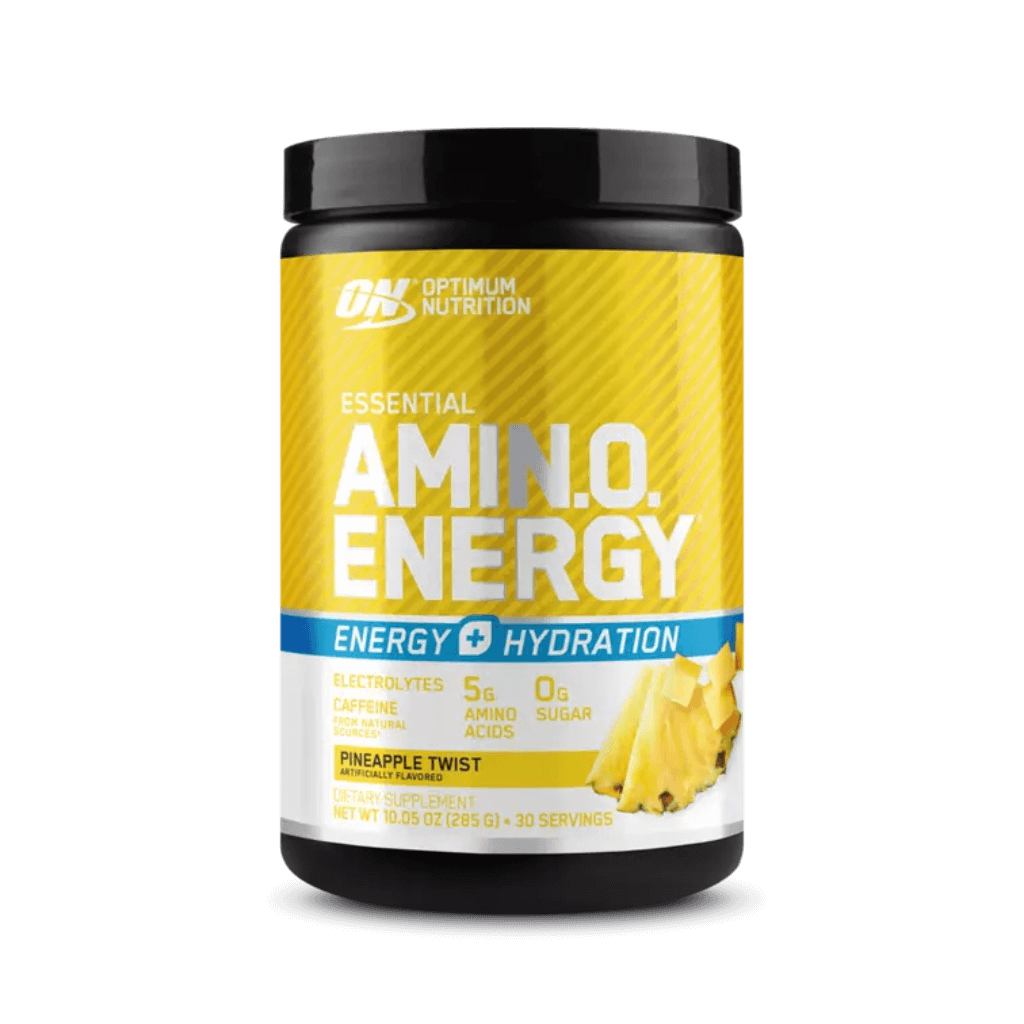
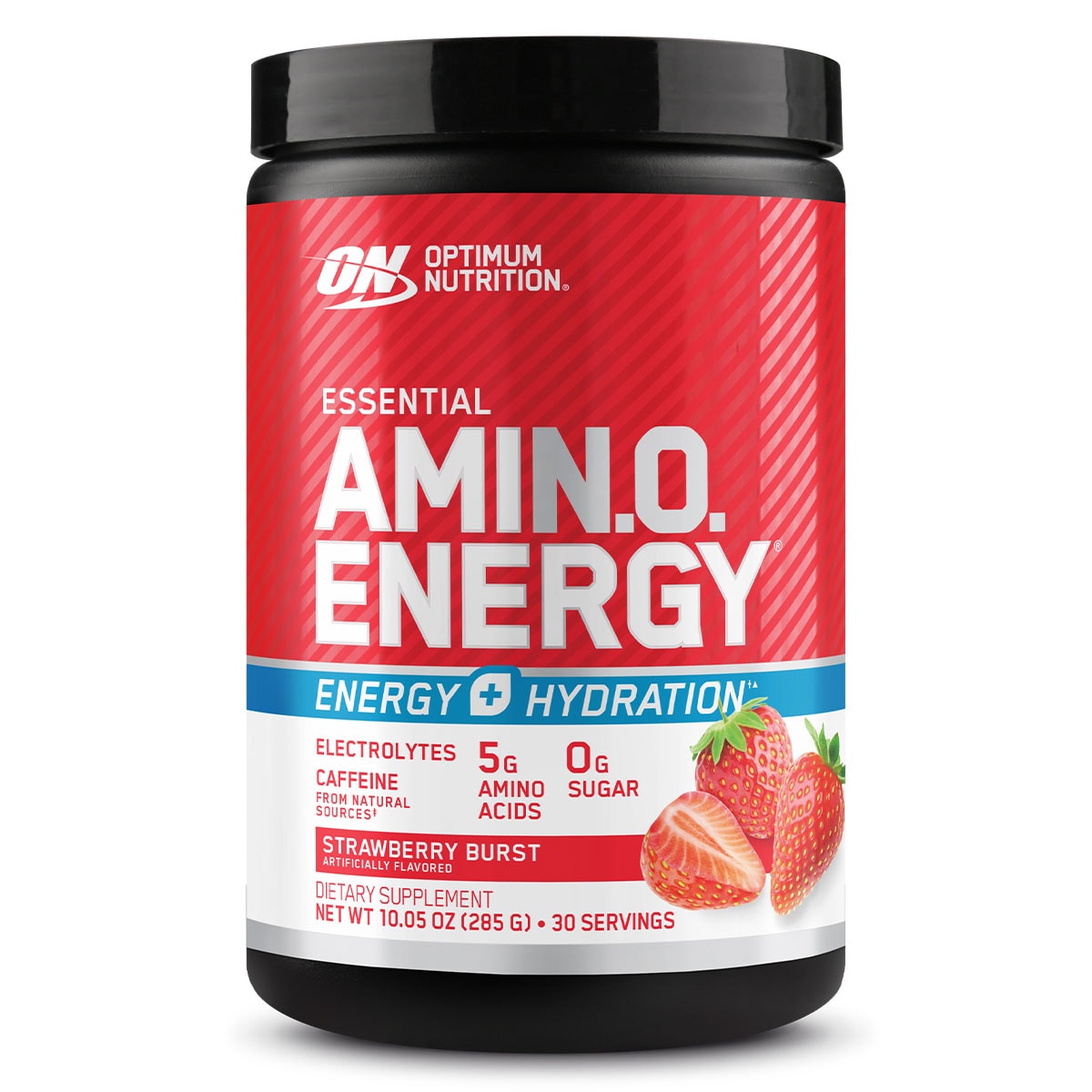
Optimum Nutrition Amino Energy + Electrolytes Optimum Nutrition Amino Energy + Electrolytes: practical guide for training, recovery, and everyday nutrition Optimum Nutrition Amino Energy + Electrolytes is listed as a Sports nutrition supplement. Below is a realistic, label-first guide to how people typically use products in this category, what to look for, and how to fit…
Electrolytes Powder Packets - Blueberry Lemonade | Nakedade Electrolytes Powder Packets - Blueberry Lemonade | Nakedade: a realistic guide for health, training, and recovery Electrolytes Powder Packets - Blueberry Lemonade | Nakedade is listed as a Electrolytes. This is a practical, label-first guide to how products in this category are commonly used, what to look for, and how…
Citrus Electrolytes Powder Packets | Nakedade Citrus Electrolytes Powder Packets | Nakedade: a realistic guide for health, training, and recovery Citrus Electrolytes Powder Packets | Nakedade is listed as a Electrolytes. This is a practical, label-first guide to how products in this category are commonly used, what to look for, and how to fit it into…
Electrolytes Powder Packets - Strawberry Lemonade | Nakedade Electrolytes Powder Packets - Strawberry Lemonade | Nakedade: a realistic guide for health, training, and recovery Electrolytes Powder Packets - Strawberry Lemonade | Nakedade is listed as a Electrolytes. This is a practical, label-first guide to how products in this category are commonly used, what to look for, and how…
Electrolytes Powder Packets - Grape | Nakedade Electrolytes Powder Packets - Grape | Nakedade: a realistic guide for health, training, and recovery Electrolytes Powder Packets - Grape | Nakedade is listed as a Electrolytes. This is a practical, label-first guide to how products in this category are commonly used, what to look for, and how to fit…
Quick take: iHerb makes it easy to browse supplements, protein, wellness products, and healthy pantry staples in one place. It’s a handy option for comparing ingredients, brands, and customer reviews before choosing what suits your goals.
Quick take: iHerb makes it easy to browse supplements, protein, wellness products, and healthy pantry staples in one place. It’s a handy option for comparing ingredients, brands, and customer reviews before choosing what suits your goals.