Collagen is the most abundant protein in the human body, making up about 30% of total protein. It forms the structural framework of bones, cartilage, tendons, ligaments, and skin. As we get older, collagen levels naturally decline, leading to weaker joints, stiffer movement, and reduced bone density.
2. Collagen and Bone Health
Bone density support: Bones are made of minerals embedded in a collagen matrix. Collagen provides flexibility and strength.
Research evidence: Clinical studies show collagen peptides can help improve bone mineral density (BMD) in postmenopausal women and reduce the risk of osteoporosis.
Calcium synergy: Collagen works alongside calcium and vitamin D to strengthen bones; it’s not a replacement but a supportive addition.
3. Collagen and Joint Health
Cartilage repair: Cartilage is largely made of type II collagen. Supplementing may help slow its breakdown.
Pain relief: Studies on osteoarthritis patients show reduced joint pain and stiffness with collagen peptide supplementation.
Mobility: Collagen can improve joint flexibility and physical function, especially in the knees and hips.
Athlete benefits: Even younger athletes taking collagen have reported fewer exercise-related joint pains.
4. Types of Collagen Supplements
Type I: Supports bones, tendons, and skin (often from bovine or marine sources).
Type II: Supports cartilage and joints (often from chicken cartilage).
Hydrolyzed Collagen (Collagen Peptides): Easiest to digest and absorb, commonly used in supplements.
5. Recommended Dosage
Most studies use 5–10 grams of collagen peptides per day.
Consistency matters—benefits usually appear after 8–12 weeks of daily use.
6. Other Nutrients That Enhance Collagen’s Effect
Vitamin C: Essential for collagen synthesis.
Copper & Zinc: Support collagen formation and bone strength.
Hyaluronic Acid: Often paired with collagen in joint supplements for lubrication and cushioning.
FAQs on Collagen, Bones & Joints
1. Can collagen prevent osteoporosis? Collagen alone doesn’t prevent osteoporosis, but studies show it can improve bone mineral density and reduce fracture risk when combined with calcium and vitamin D.
2. Is collagen better than glucosamine and chondroitin? They work differently. Collagen provides raw materials for cartilage and bone, while glucosamine and chondroitin help slow cartilage breakdown. Many people benefit from using both together.
3. How long before collagen improves joint pain? Most people notice improvements in 8–12 weeks of consistent supplementation.
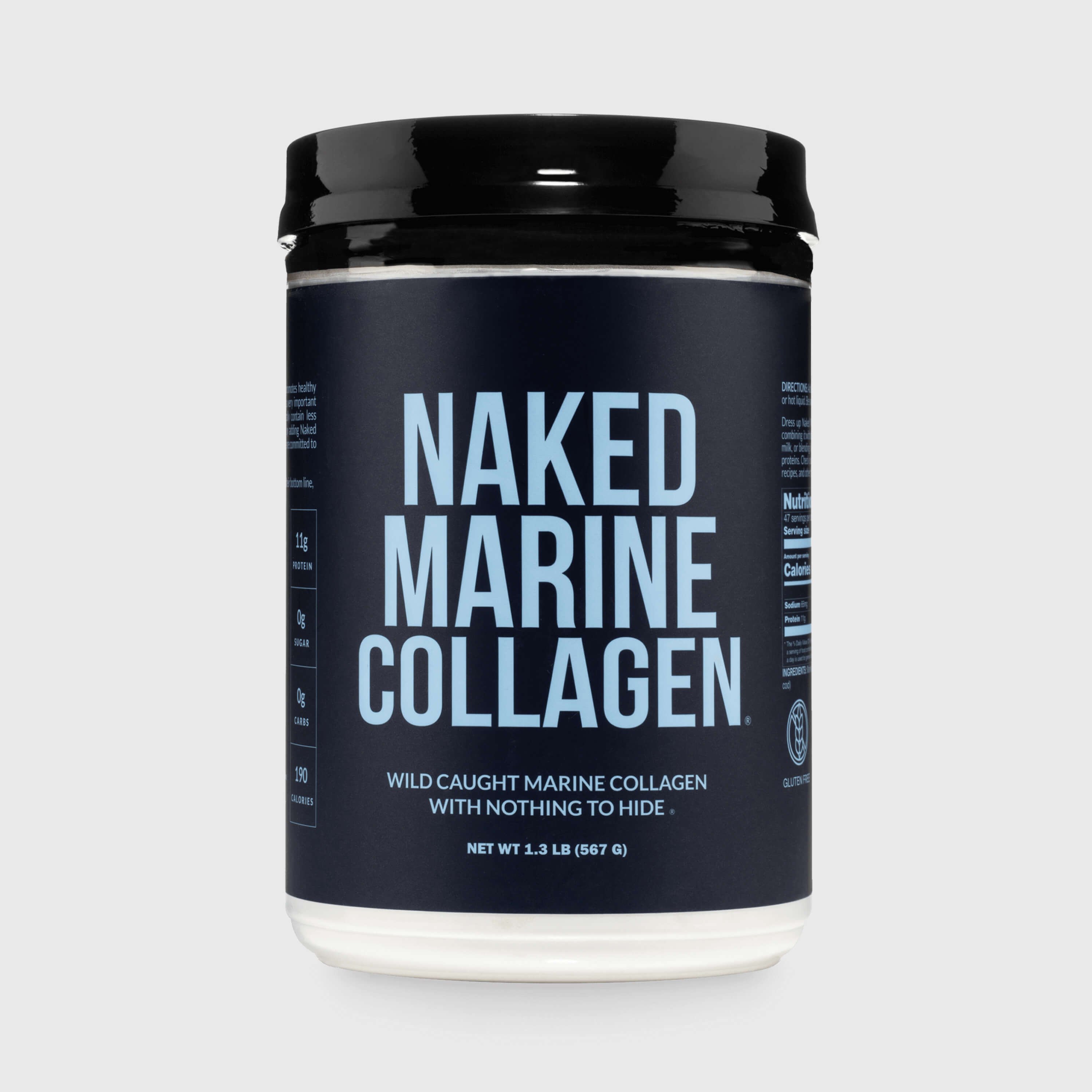
4. Does marine collagen work as well as bovine collagen? Yes. Both are effective, though marine collagen (Type I) is often preferred for bone and skin, while bovine provides both Type I and III. For joint health, Type II (from chicken cartilage) may be better.
5. Can collagen help with rheumatoid arthritis? Some early studies suggest undenatured Type II collagen may help modulate the immune system in rheumatoid arthritis, but it’s not a cure and should be used under medical supervision.
6. Are there side effects of collagen supplements? Collagen is generally safe. Mild digestive symptoms (like bloating) can occur but are rare.
7. Should collagen be taken with food? Yes—taking collagen with a meal, especially one containing vitamin C, may improve absorption and utilization.
✅ Bottom line:Collagen supplementation supports bone density, cartilage integrity, and joint comfort. It works best when combined with a nutrient-rich diet, regular exercise, and other bone-supportive nutrients like calcium, vitamin D, and magnesium.
Most popular products
Collagen Joint + Muscle Health Powder Collagen Joint + Muscle Health Powder: health & fitness guide (realistic, label-first) Collagen Joint + Muscle Health Powder is listed as a Collagen. This guide focuses on practical use in a health and fitness routine, without guessing ingredients or nutrition—always confirm those on the product label. Price (at time of…
Bone Joint and Muscle Supplements | Support Strength & Mobility Bone Joint and Muscle Supplements | Support Strength & Mobility: health & fitness guide (realistic, label-first) Bone Joint and Muscle Supplements | Support Strength & Mobility is listed as a Health & fitness product. This guide focuses on practical use in a health and fitness routine, without guessing ingredients or…
Best of the Bone | Collagen-Rich Bone Broth Supplements Best of the Bone | Collagen-Rich Bone Broth Supplements: health & fitness guide (realistic, label-first) Best of the Bone | Collagen-Rich Bone Broth Supplements is listed as a Collagen. This guide focuses on practical use in a health and fitness routine, without guessing ingredients or nutrition—always confirm those on the…
Caltrate Joint Health Caltrate Joint Health: health & fitness guide (realistic, label-first) Caltrate Joint Health is listed as a Health & fitness product. This guide focuses on practical use in a health and fitness routine, without guessing ingredients or nutrition—always confirm those on the product label. Price (at time of import): $28.89 View…
Arborvitae Arthritis Joint Health Supplement - 1L Arborvitae Arthritis Joint Health Supplement - 1L: health & fitness guide (realistic, label-first) Arborvitae Arthritis Joint Health Supplement - 1L is listed as a Health & fitness product. This guide focuses on practical use in a health and fitness routine, without guessing ingredients or nutrition—always confirm those on the product…
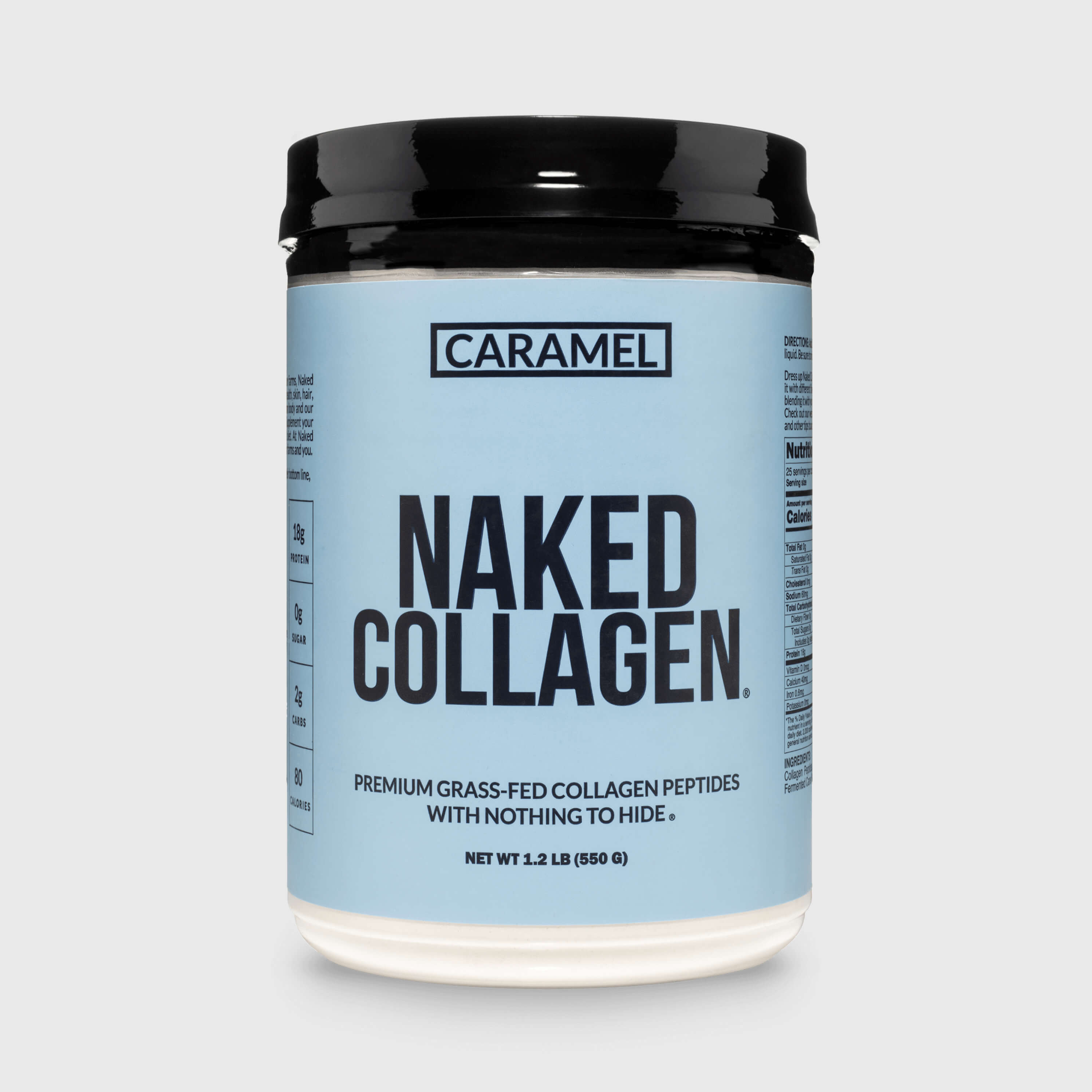
Collagen Peptides Protein Powder | Naked Collagen - 20 oz Collagen Peptides Protein Powder | Naked Collagen - 20 oz: a realistic guide for health, training, and recovery Collagen Peptides Protein Powder | Naked Collagen - 20 oz is listed as a Protein supplement. This is a practical, label-first guide to how products in this category are commonly used, what…