Omega-3 fatty acids — especially DHA (docosahexaenoic acid) and EPA (eicosapentaenoic acid) — are among the most important nutrients for brain health. They are structural building blocks of the brain and influence memory, mood, and long-term cognitive function.
How Omega-3 Supports Brain Health
1. Structural Role in the Brain
DHA makes up 25–30% of the brain’s fatty acids.
It supports cell membrane fluidity, which allows brain cells (neurons) to communicate efficiently.
Adequate DHA is linked to sharper memory and learning capacity.
2. Neuroprotection
Omega-3s reduce oxidative stress and inflammation, both of which damage neurons over time.
They may lower the risk of neurodegenerative diseases like Alzheimer’s.
3. Improved Blood Flow
Omega-3s help keep blood vessels flexible, enhancing blood flow to the brain.
This supports oxygen and nutrient delivery, boosting focus and reaction time.
4. Neurotransmitter Support
EPA and DHA influence the production of serotonin and dopamine, which regulate mood, motivation, and emotional balance.
Low omega-3 levels are linked to higher rates of depression and anxiety.
5. Brain Development & Aging
During pregnancy and infancy: DHA is crucial for fetal brain development and vision.
In older adults: Supplementation may help slow age-related cognitive decline and support memory.
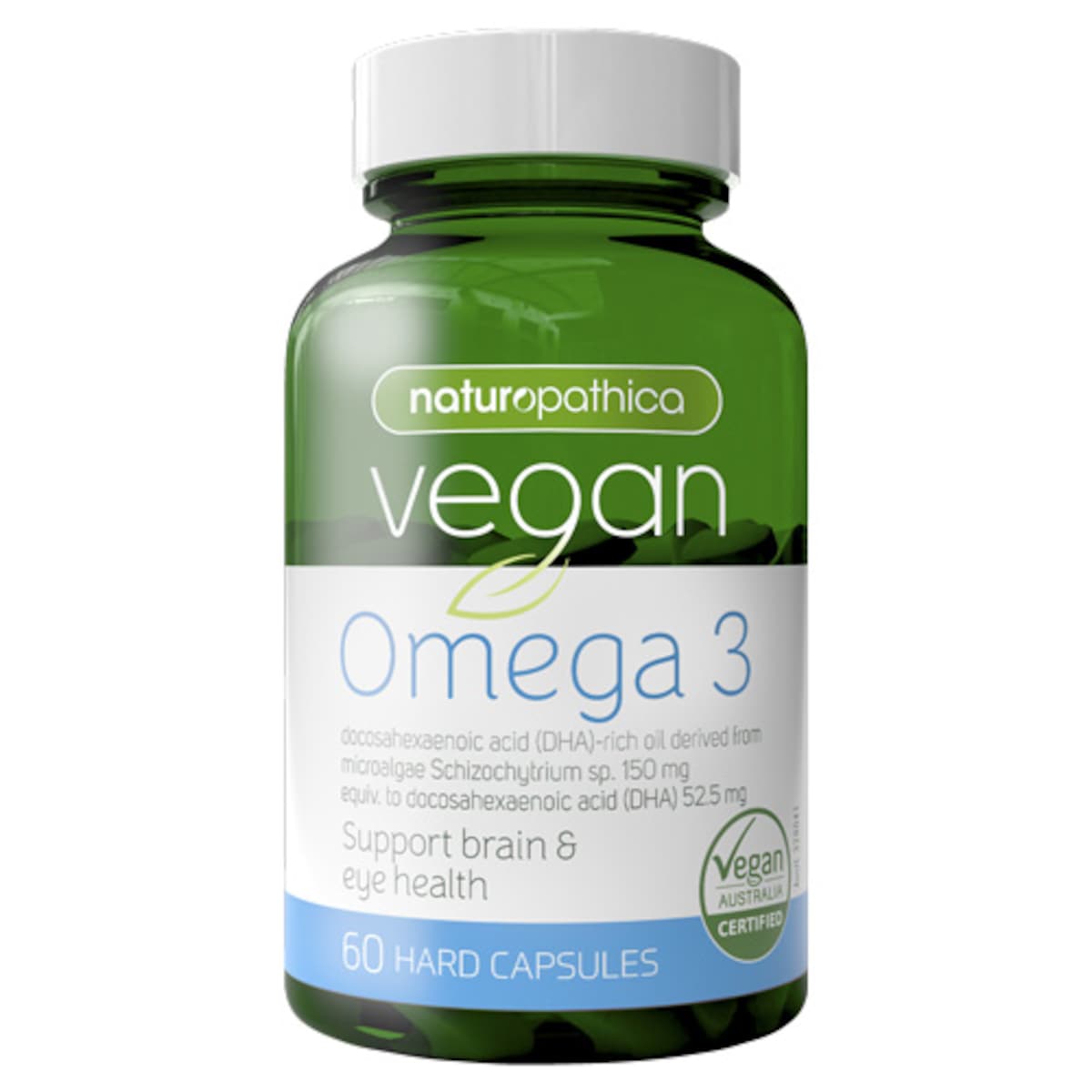
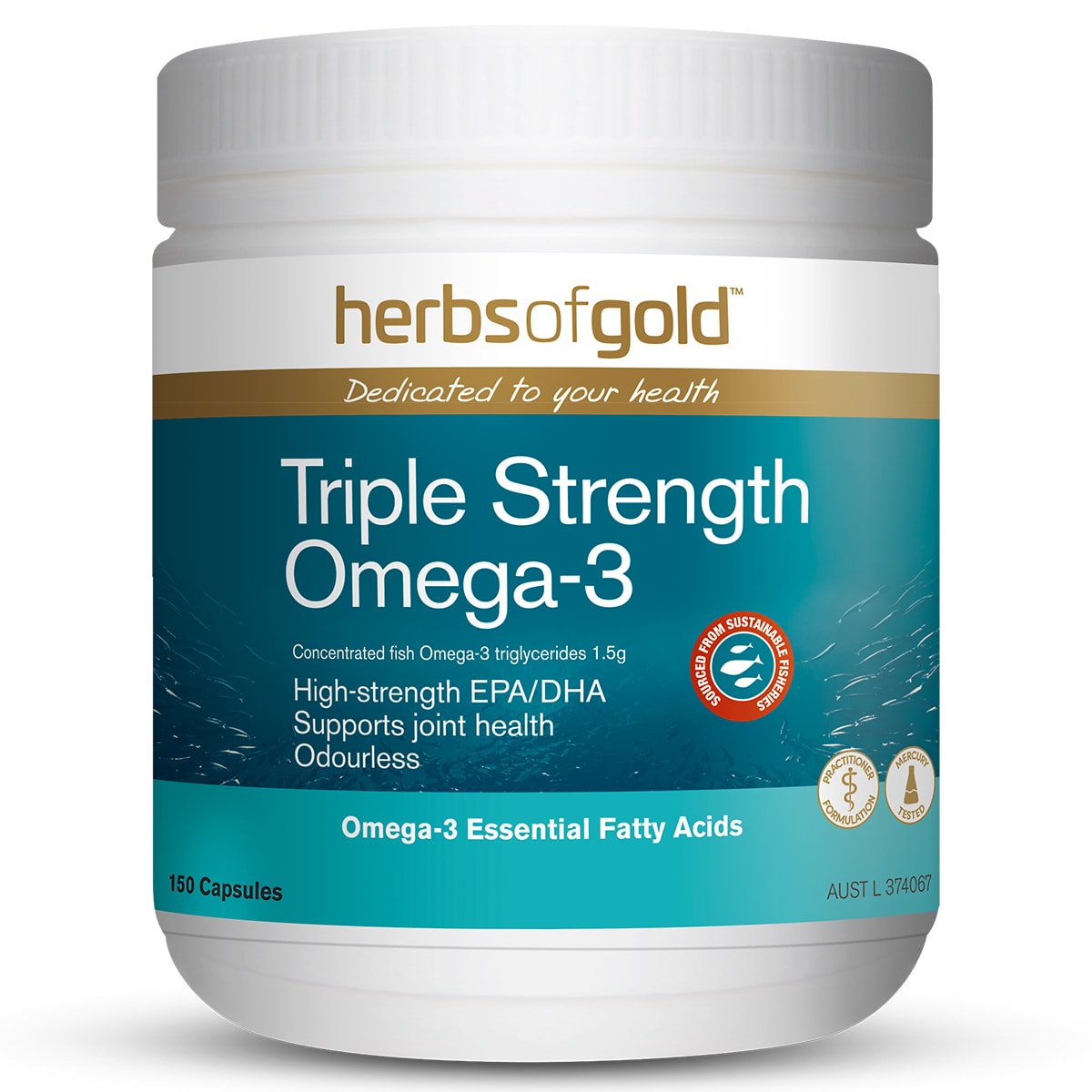
Supplements: Fish oil or algal oil (vegan-friendly).
Plant sources (ALA): Flaxseeds, chia seeds, walnuts — though ALA converts poorly to DHA/EPA.
Recommended Intake
For general brain support: 250–500 mg/day of DHA + EPA.
For cognitive decline or mood disorders: Higher doses (1,000–2,000 mg/day) are often studied.
FAQs on Omega-3 and Brain Health
1. Can omega-3 improve memory? Yes. DHA-rich omega-3 intake is associated with improved short-term and working memory, especially in older adults.
2. Does omega-3 help with focus and attention? Yes. Omega-3s support neurotransmitter balance and brain signaling, which can improve focus and may help with conditions like ADHD.
3. Is omega-3 good for mood and anxiety? Yes. EPA, in particular, has been shown to reduce symptoms of depression and anxiety by balancing serotonin and dopamine.
4. Can omega-3 prevent dementia or Alzheimer’s? It may lower risk by reducing inflammation and supporting brain structure, but it is not a cure. Long-term intake seems protective.
5. Do I need both EPA and DHA? Yes. DHA is most important for brain structure, while EPA has stronger anti-inflammatory and mood-regulating effects.
6. How long until I notice benefits? Mood and focus improvements may be seen in 6–12 weeks, while long-term brain protection requires consistent intake for years.
✅ Bottom line: Omega-3 fatty acids — particularly DHA and EPA — are vital for memory, focus, mood, and long-term brain protection. Regular intake from fish or supplements supports brain performance at every stage of life.
Most popular sponsored products
NOW Foods Omega-3 NOW Foods Omega-3: practical guide for training, recovery, and everyday nutrition NOW Foods Omega-3 is listed as a Omega-3. Below is a realistic, label-first guide to how people typically use products in this category, what to look for, and how to fit it into a sensible health and fitness routine.…
Essential Omega-3 Essential Omega-3: practical guide for training, recovery, and everyday nutrition Essential Omega-3 is listed as a Omega-3. Below is a realistic, label-first guide to how people typically use products in this category, what to look for, and how to fit it into a sensible health and fitness routine. Price (at…
Vegan Omega 3 Vegan Omega 3: a realistic guide for health, training, and recovery Vegan Omega 3 is listed as a Omega-3. This is a practical, label-first guide to how products in this category are commonly used, what to look for, and how to fit it into a sensible health and fitness routine.…
Omega 3-6-9 Gummies Omega 3-6-9 Gummies: a realistic guide for health, training, and recovery Omega 3-6-9 Gummies is listed as a Omega-3. This is a practical, label-first guide to how products in this category are commonly used, what to look for, and how to fit it into a sensible health and fitness routine.…
Essentielle Omega-3 Essentielle Omega-3: a realistic guide for health, training, and recovery Essentielle Omega-3 is listed as a Omega-3. This is a practical, label-first guide to how products in this category are commonly used, what to look for, and how to fit it into a sensible health and fitness routine. Price (at…
Omega 3 Omega 3: a realistic guide for health, training, and recovery Omega 3 is listed as a Omega-3. This is a practical, label-first guide to how products in this category are commonly used, what to look for, and how to fit it into a sensible health and fitness routine. Price (at…
Quick take: iHerb makes it easy to browse supplements, protein, wellness products, and healthy pantry staples in one place. It’s a handy option for comparing ingredients, brands, and customer reviews before choosing what suits your goals.
Quick take: iHerb makes it easy to browse supplements, protein, wellness products, and healthy pantry staples in one place. It’s a handy option for comparing ingredients, brands, and customer reviews before choosing what suits your goals.