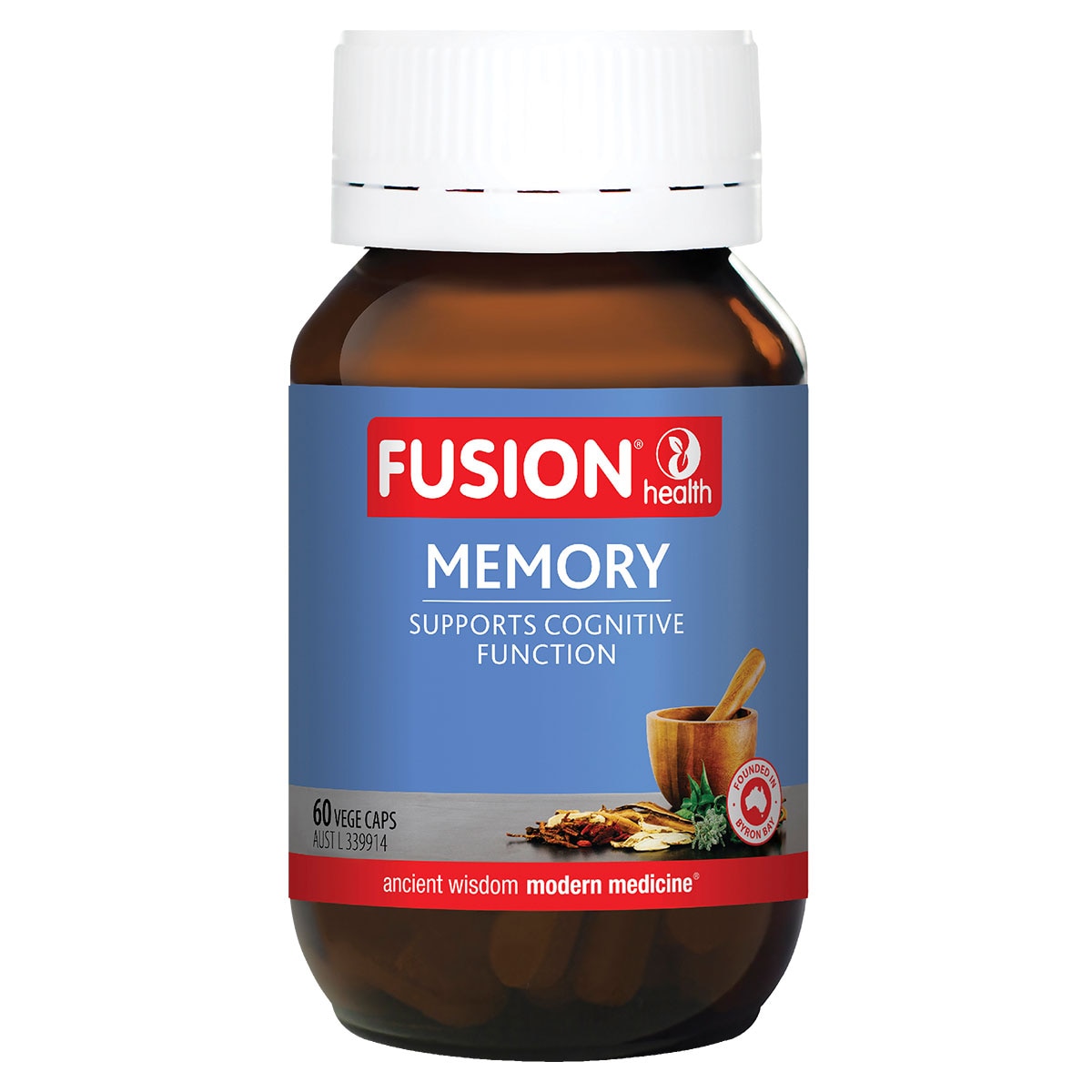
Improving memory isn’t just about taking a pill — it’s about nurturing the brain through daily habits, a nutrient-rich diet, and the strategic use of supplements. Whether you’re experiencing occasional forgetfulness, brain fog, or simply want to stay mentally sharp as you age, this guide breaks down exactly what works and why.
⭐ 1. Start With Daily Brain-Friendly Lifestyle Habits
Lifestyle habits have the biggest long-term impact on memory. They improve blood flow, reduce inflammation, and keep neural networks active.
✔ Prioritise Quality Sleep (7–9 hours)
Sleep is critical for memory consolidation — the process where short-term memories are transferred into long-term storage.
Poor sleep affects:
recall
concentration
mood
reaction time
Aim for consistent bed/wake times, a cool bedroom, and limited evening screens.
✔ Move Your Body Every Day
Physical activity increases BDNF (brain-derived neurotrophic factor) — a protein that promotes brain plasticity and memory formation.
Best exercises for brain health:
walking
strength training
swimming
cycling
yoga or tai chi
Even 20–30 minutes daily makes a profound difference.
The key is novelty — the brain grows from challenge.
✔ Stay Socially Connected
Social engagement protects against cognitive decline by reducing stress and stimulating the prefrontal cortex.
Ways to stay connected:
join community groups
call friends regularly
volunteer
attend classes or clubs
⭐ 2. Eat a Brain-Supporting Diet
The brain needs a steady supply of micronutrients, antioxidants, and healthy fats for optimal performance.
✔ Load Up on Omega-3-Rich Foods
Omega-3s help maintain flexible brain cell membranes and support memory.
Best sources:
salmon
sardines
mackerel
walnuts
flax and chia seeds
✔ Focus on Colourful Fruits & Vegetables
These contain polyphenols and antioxidants that reduce inflammation and protect neurons.
Top choices:
blueberries
strawberries
spinach
kale
broccoli
capsicum
beetroot
✔ Choose Whole Grains for Steady Energy
The brain runs on glucose — but it needs a stable supply.
Good options:
oats
brown rice
quinoa
wholemeal bread
✔ Prioritise Lean Proteins
Proteins contain amino acids used to create neurotransmitters.
Sources include:
eggs
poultry
tofu
beans
Greek yoghurt
✔ Consider a Mediterranean-Style Diet
Research consistently links this way of eating with better memory, mood, and cognitive aging.
⭐ 3. Smart Use of Supplements: Evidence-Based Options
Supplements should support — not replace — a healthy lifestyle. The following have strong scientific backing for memory and overall cognitive performance.
Omega-3 Fatty Acids (DHA & EPA)
DHA is essential for brain cell structure and memory processing.
Crosses the blood–brain barrier and supports synaptic density.
Benefits: memory, learning, sleep quality Best for: older adults, stressed or sleep-deprived individuals
⭐ 4. Reduce What Harms Memory
Just as important as what you add is what you remove.
Avoid or minimise:
excess alcohol
chronic stress
smoking
sleep deprivation
ultra-processed foods
high-sugar diets
sedentary lifestyle
These increase inflammation and impair neural communication.
⭐ 5. Build a Simple Daily Memory-Support Routine
Morning ✓ DHA-rich omega-3 ✓ Multivitamin or B-complex ✓ 10–20 minutes of brisk walking
Afternoon ✓ Colourful fruit (berries) ✓ Hydration ✓ Brain challenge (crossword, reading, language learning)
Evening ✓ Magnesium threonate ✓ Relaxation routine (no screens before bed) ✓ Consistent bedtime
⭐ Answer Capsule: Quick Summary
How to improve memory naturally: Combine lifestyle habits (sleep, exercise, learning, socialising) with nutritional support (omega-3s, B-vitamins, polyphenols) and targeted supplements like Lion’s Mane, Ginkgo, Bacopa, and magnesium threonate.
Why it works: These approaches strengthen neural pathways, protect neurons from inflammation and oxidative stress, and support optimal brain energy.
Who benefits most: Adults over 40–50, people with brain fog, chronic stress, poor sleep, or mild memory issues.
How long until improvements: 2–12 weeks for supplements; lifestyle improvements begin almost immediately.
⭐ FAQ: Natural Memory Improvement
1. Can lifestyle changes really improve memory?
Yes. Sleep, movement, and mental engagement are some of the strongest memory boosters known.
2. Are supplements enough on their own?
No — they work best combined with diet and lifestyle.
3. What’s the best supplement for beginners?
Omega-3 DHA or a B-complex is a great starting point.
4. Does coffee help or harm memory?
In moderation, caffeine can improve alertness and focus — but too much can impair sleep, which hurts memory.
5. What’s the best habit for quick results?
Better sleep. Even 1–2 nights of good sleep improves recall and concentration.
Most popular products
Souvenaid Memory Drink Cappuccino 4 x 125ml | Healthylife Souvenaid Memory Drink Cappuccino 4 x 125ml | Healthylife: health & fitness guide (realistic, label-first) Souvenaid Memory Drink Cappuccino 4 x 125ml | Healthylife is listed as a Health & fitness product. This guide focuses on practical use in a health and fitness routine, without guessing ingredients or nutrition—always confirm…
Souvenaid Memory Drink Vanilla 4 x 125ml | Healthylife Souvenaid Memory Drink Vanilla 4 x 125ml | Healthylife: health & fitness guide (realistic, label-first) Souvenaid Memory Drink Vanilla 4 x 125ml | Healthylife is listed as a Health & fitness product. This guide focuses on practical use in a health and fitness routine, without guessing ingredients or nutrition—always confirm…
Souvenaid Memory Drink Strawberry 4 x 125ml | Healthylife Souvenaid Memory Drink Strawberry 4 x 125ml | Healthylife: health & fitness guide (realistic, label-first) Souvenaid Memory Drink Strawberry 4 x 125ml | Healthylife is listed as a Health & fitness product. This guide focuses on practical use in a health and fitness routine, without guessing ingredients or nutrition—always confirm…
Souvenaid Memory Powder Lemon & Orange 360g | Healthylife Souvenaid Memory Powder Lemon & Orange 360g | Healthylife: health & fitness guide (realistic, label-first) Souvenaid Memory Powder Lemon & Orange 360g | Healthylife is listed as a Health & fitness product. This guide focuses on practical use in a health and fitness routine, without guessing ingredients or nutrition—always confirm…
Souvenaid Memory Powder Vanilla & Banana 360g | Healthylife Souvenaid Memory Powder Vanilla & Banana 360g | Healthylife: health & fitness guide (realistic, label-first) Souvenaid Memory Powder Vanilla & Banana 360g | Healthylife is listed as a Health & fitness product. This guide focuses on practical use in a health and fitness routine, without guessing ingredients or nutrition—always confirm…
Nature's Own Mind Memory & Energy 50 Tablets | Healthylife Nature's Own Mind Memory & Energy 50 Tablets | Healthylife: health & fitness guide (realistic, label-first) Nature's Own Mind Memory & Energy 50 Tablets | Healthylife is listed as a Health & fitness product. This guide focuses on practical use in a health and fitness routine, without guessing ingredients or…