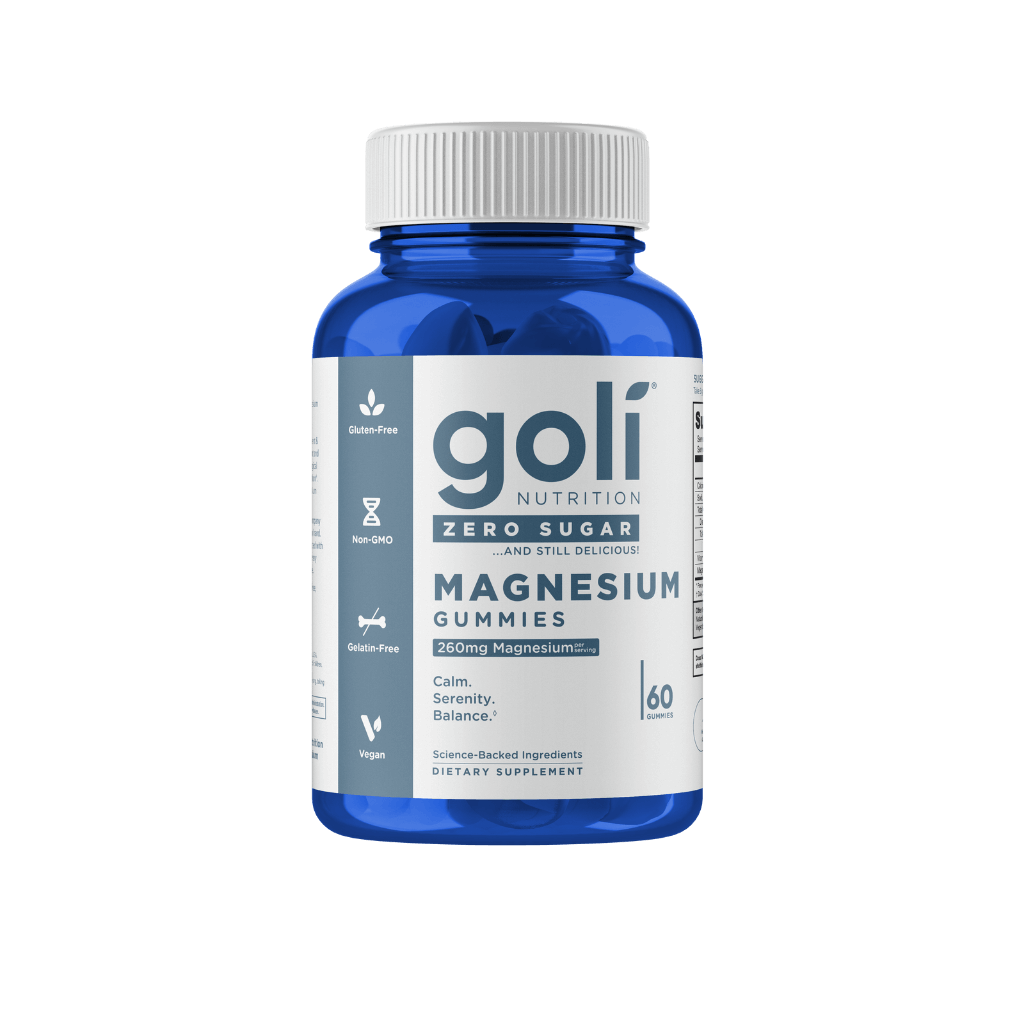
Magnesium 101: Uses, Side Effects, Interactions, and Who It’s For
Disclaimer: This article is general information only and is not medical advice. If you are pregnant, breastfeeding, under 15, have a medical condition (especially kidney disease), or take medicines, speak with your GP or a qualified health professional before using magnesium supplements.
Healthylife describes magnesium as a mineral involved in many processes in the body and notes that factors such as poor diet, chronic diarrhoea or bowel disease, kidney failure, and certain medicines (for example, long-term use of fluid tablets and medicines for ulcers or reflux) can be associated with low magnesium levels.
Important: Benefits vary by magnesium form and by the outcome being measured. Where a specific claim is not stated on the allowed source pages, it is marked as “Not specified on the source page.”
Muscle cramps, recovery, and physical activity
Healthylife states that intense physical activity can deplete magnesium stores and that athletes or physically active people may benefit from supplementation, referencing support for ATP metabolism, inflammation prevention, and muscle recovery.
Healthylife notes magnesium can help with constipation by loosening the bowel and also notes some forms can upset the stomach. Healthylife also discusses magnesium oxide as having low bioavailability and being used as a laxative, with diarrhoea potentially occurring due to low bioavailability and excretion.
Healthylife’s “Which magnesium is best?” guide highlights magnesium glycinate “for sleep and relaxation,” describing it as bound to glycine and noting it may support deep, restful sleep and relaxation, and that it is gentle on the stomach and well tolerated.
Healthylife states that in response to a stressor, magnesium is released and higher amounts may be excreted through the kidneys, and that chronic stress can contribute to deficiency through ongoing excretion. Healthylife also lists a range of factors that may contribute to deficiency, including high caffeine or alcohol intake, physical exercise, poor sleep hygiene, chronic stress, certain medications (such as diuretics, proton-pump inhibitors, antibiotics), and certain health conditions (including kidney failure).
Healthylife’s “About magnesium” page lists a range of areas where adequate magnesium levels may help, including (as stated on the page) gallstones and kidney stones, migraines, constipation, hypertension, heart attack, insomnia, PMS, and osteoporosis.
Evidence strength, clinical dosing for specific conditions, and whether supplementation is appropriate for diagnosed disease management: Not specified on the source page.
Who Might Benefit Most
Active adults and athletes: Healthylife notes intense physical activity can deplete magnesium stores, and physically active people may benefit from supplementation.
People with low intake or higher loss risk factors: Healthylife lists several factors associated with deficiency, including diet, chronic stress, certain medicines (for example, diuretics and proton-pump inhibitors), and some health conditions.
People choosing magnesium for sleep/relaxation: Healthylife highlights magnesium glycinate as a form commonly chosen for sleep and relaxation.
Daily magnesium requirements (dietary reference values, as stated on Healthylife): Healthylife lists adult RDIs of 400–420 mg daily for men and 310–320 mg for women, and notes pregnancy requires about 350–360 mg daily (also presented as 350–400 mg on another Healthylife page).
Supplement dosage (universal “best dose”): Not specified on the source page.
Below are product-specific directions from allowed domains (these are not universal rules—always follow the label on the product you buy):
Naturecan Magnesium Glycinate 3:1: The product page states: “For capsules we recommend 3 capsules daily.”
Naturecan Premium Magnesium L-Threonate: The product page states: “Take 3 capsules per day with a glass of water and a meal” and includes a note to speak to a healthcare professional before use if taking medication.
Supplement Mart (Nutra-Life Magnesium Glycinate): The product page lists directions including “Adults & Children over 14 years: Take 1–3 capsules daily” and “Children 4–13 years: Take 1/2 capsule daily … or as directed by your healthcare professional.”
Magnesium supplements come in multiple forms (for example, oxide, citrate, glycinate/diglycinate, aspartate), and Healthylife notes that different forms can have different tolerability and effects (including some forms being more likely to loosen the bowel or upset the stomach).
Magnesium glycinate: Healthylife describes it as gentle on the stomach and one of the best-tolerated forms, and highlights it for sleep and relaxation.
Magnesium oxide: Healthylife describes it as low bioavailability and often used as a laxative; diarrhoea may occur because a high percentage is excreted.
Quality checklist you can verify on the label/product page: elemental magnesium per serve, serving size, directions, warnings (for example, kidney disease cautions), and whether the product is a powder or capsule/tablet.
Healthylife notes that increased magnesium intake (high doses) may be associated with adverse effects, “most notably diarrhoea and hypotension” (dangerously low blood pressure). Healthylife also states diarrhoea can be an early indicator of excess consumption.
Kidney disease caution (product-specific example): A Healthylife magnesium glycinate product page includes a warning: “Consult with your doctor or pharmacist before taking this supplement if you have any type of kidney disease.”
Who should avoid magnesium supplements entirely (general rule): Not specified on the source page.
Drug and Supplement Interactions
Mineral interactions affecting absorption: Healthylife states that calcium and phosphate can reduce absorption of magnesium and notes that vitamins that increase metabolism (including B group vitamins) may increase the body’s need for magnesium.
Healthylife lists adult RDIs of 400–420 mg daily for men and 310–320 mg for women. Pregnancy is listed as about 350–360 mg daily on one page (and 350–400 mg on another Healthylife page).
Yes. Healthylife states that increased magnesium intake may be associated with adverse effects, “most notably diarrhoea,” and also notes diarrhoea can be an early indicator of excess consumption. Healthylife also explains magnesium oxide can induce diarrhoea due to low bioavailability and excretion.
Healthylife states intense physical activity can deplete magnesium stores and that athletes and physically active people may benefit from supplementation.
8) What’s the best magnesium supplement dose for me?
Universal supplement dosing is not specified on the source page. Product directions vary—follow the label on the specific product you purchase and consult a clinician if you are unsure.
Oriental Botanicals | Magnesium, Anxiolift & Magnesium Excel Supplements Oriental Botanicals | Magnesium, Anxiolift & Magnesium Excel Supplements: health & fitness guide (realistic, label-first) Oriental Botanicals | Magnesium, Anxiolift & Magnesium Excel Supplements is listed as a Wellness supplement. This guide focuses on practical use in a health and fitness routine, without guessing ingredients or nutrition—always confirm those on…
Myprotein Quick Adjust™ Grip Strengthener - Black Myprotein Quick Adjust™ Grip Strengthener - Black: a realistic guide for health, training, and recovery Myprotein Quick Adjust™ Grip Strengthener - Black is listed as a Protein supplement. This is a practical, label-first guide to how products in this category are commonly used, what to look for, and how to…
Mens Quick Core Crew Neck Mens Quick Core Crew Neck: health & fitness guide (realistic, label-first) Mens Quick Core Crew Neck is listed as a Sports nutrition supplement. This article focuses on practical, evidence-informed use in a health and fitness routine, without guessing ingredients or nutrition—always confirm those on the product label. Price (at time…
Carusos Vitamin B12 Activated Quick Melt 60 Tablets | Healthylife Carusos Vitamin B12 Activated Quick Melt 60 Tablets | Healthylife: health & fitness guide (realistic, label-first) Carusos Vitamin B12 Activated Quick Melt 60 Tablets | Healthylife is listed as a Wellness supplement. This guide focuses on practical use in a health and fitness routine, without guessing ingredients or nutrition—always confirm…
Crocs Quick Trail Low Tech Crocs Quick Trail Low Tech: health & fitness guide (realistic, label-first) Crocs Quick Trail Low Tech is listed as a Health & fitness product. This guide focuses on practical use in a health and fitness routine, without guessing ingredients or nutrition—always confirm those on the product label. Price (at time…
Crocs Quick Trail Low Tech Offer now available for the Crocs Quick Trail Low Tech. On sale with world wide delivery. Crocs Crocs Quick Trail Low Tech Technical textile with molded Croslite™ upper Cut-out detailing Padded collar Drawstring-adjustable lace closure Mesh lining Reflective details at tongue Pull tabs on heel and tongue Croslite™ foam midsole…