Magnesium is one of those nutrients people hear about all the time, usually in connection with sleep, muscle cramps, stress, or recovery. But what does it actually do?
The real answer is broader and more interesting than the hype. Magnesium is an essential mineral involved in hundreds of enzyme-driven processes in the body. It helps support normal muscle and nerve function, energy production, bone health, blood glucose regulation, and normal heart rhythm. In plain English: it helps your body run properly every day.
If you run, lift weights, walk regularly, sweat a lot, eat a highly processed diet, or are simply trying to age well, magnesium is worth understanding. Not because it is a miracle supplement, but because it plays a real, measurable role in human health.
Why Magnesium Matters More Than Most People Realise
Magnesium is required for energy production, muscle contraction, nerve signalling, and the transport of other important minerals such as calcium and potassium. It also contributes to bone structure and helps regulate a wide range of normal biochemical reactions.
That is why low magnesium status can show up in ways that feel vague at first: fatigue, weakness, poor dietary quality, muscle symptoms, or general “not quite right” health. Severe deficiency is uncommon in otherwise healthy people, but low intake is not rare.
What Is Magnesium Used For in the Body?
1. Muscle Function and Movement
Magnesium helps muscles contract and relax normally. It works alongside calcium and potassium to support movement, coordination, and neuromuscular function. This is one reason magnesium is often discussed in fitness and recovery circles.
2. Nerve Function
Your nerves rely on electrolyte balance and proper signalling to send messages throughout the body. Magnesium helps regulate this process, which is part of why it is so fundamental rather than “optional wellness fluff.”
3. Energy Production
Magnesium is involved in the reactions that help turn the food you eat into usable energy. If you care about training, recovery, or general day-to-day vitality, that matters.
4. Bone Health
Bone health is not only about calcium. Magnesium also contributes to bone formation and interacts with vitamin D and parathyroid hormone, both of which are important to bone regulation.
5. Heart Rhythm and Blood Pressure Regulation
Magnesium plays a role in normal heart rhythm and fluid balance. Research suggests magnesium supplementation may produce only small reductions in blood pressure, so it should not be sold as a cure-all, but adequate intake is still part of an overall healthy dietary pattern.
6. Blood Glucose Control
Magnesium is involved in pathways related to insulin function and glucose metabolism. Higher magnesium intakes are associated in observational research with a lower risk of type 2 diabetes, although that does not mean everyone should take magnesium supplements specifically to improve blood sugar.
The Big Question: What Is Magnesium Supplementation Actually Good For?
Magnesium supplements are most clearly useful when someone has a low intake, a clinically low magnesium level, or a medical reason their status may be reduced. Some groups are more likely to have inadequate magnesium, including older adults and people with gastrointestinal disorders, alcohol dependence, or type 2 diabetes.
Outside of medically confirmed deficiency, magnesium supplementation is often discussed for the following reasons:
To correct inadequate intake when diet is poor or restricted
To support normal muscle and nerve function
To help fill dietary gaps in people who do not get enough magnesium-rich foods
For migraine prevention in some cases, under professional guidance
As part of broader bone-health nutrition, especially when overall diet is lacking
The evidence is strongest for correcting low magnesium status. Claims beyond that should be kept realistic.
Magnesium and Sleep: Helpful, but Not Magic
Magnesium is often marketed as a sleep supplement. The honest take is that it may help some people, especially if low magnesium intake is part of the problem, but it is not a guaranteed sleep fix.
People sometimes feel better when they supplement because magnesium helps normal nerve and muscle function, and because correcting a deficiency can improve how they feel overall. That is not the same as saying magnesium will automatically knock you out at night.
If poor sleep is driven by stress, pain, sleep apnoea, reflux, alcohol, caffeine timing, medications, or inconsistent sleep habits, magnesium alone is unlikely to solve it.
Can Magnesium Help with Cramps, Training, and Recovery?
This is one of the most common reasons people buy magnesium, especially active adults. The logic makes sense: magnesium is involved in muscle function, electrolyte balance, and energy metabolism.
But it is important to stay honest. Magnesium is not a guaranteed cure for muscle cramps. Cramps can also be related to hydration, fatigue, training load, nerve irritation, medication use, or other mineral imbalances. If someone is low in magnesium, correcting that may help. If they are not, results may be limited.
For athletes and regular exercisers, magnesium still matters because training increases the importance of overall dietary quality, recovery, and mineral balance.
Magnesium and Migraine: One Area with Better Evidence
Among the more specific uses of magnesium, migraine prevention is one of the more credible. Some research suggests regular magnesium supplementation may reduce migraine frequency, and neurology guideline groups have described magnesium as probably effective for prevention.
However, the doses used for migraine prevention often exceed the usual upper limit for magnesium from supplements, which means this is something to discuss with a qualified health professional rather than self-prescribing aggressively.
How Much Magnesium Do You Need?
Daily needs vary by age and sex. In adults, recommended intakes commonly fall in the low-300s to low-400s milligram range per day.
Group
Recommended intake per day
Women 19–30
310 mg
Women 31+
320 mg
Men 19–30
400 mg
Men 31+
420 mg
Pregnancy and lactation needs differ slightly, and personal requirements can vary depending on diet, health status, and medications.
Best Food Sources of Magnesium
Before jumping to supplements, it makes sense to look at food. Magnesium is found in a wide range of foods, including:
Leafy greens such as spinach
Nuts and seeds
Legumes
Whole grains
Some dairy foods
Fish
Dark chocolate
For many people, improving diet quality is the most practical long-term strategy. Supplements can help, but they should not be used to paper over a consistently poor eating pattern.
Which Form of Magnesium Is Best?
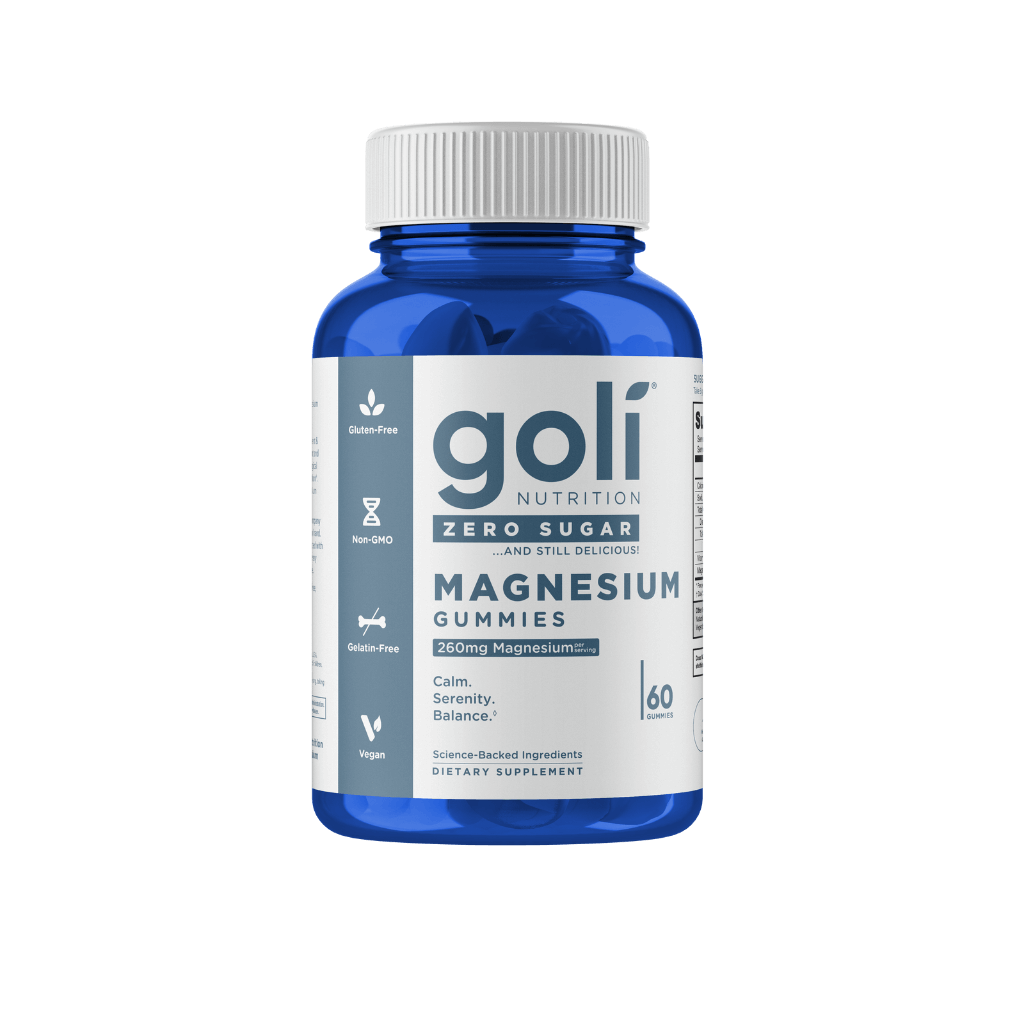
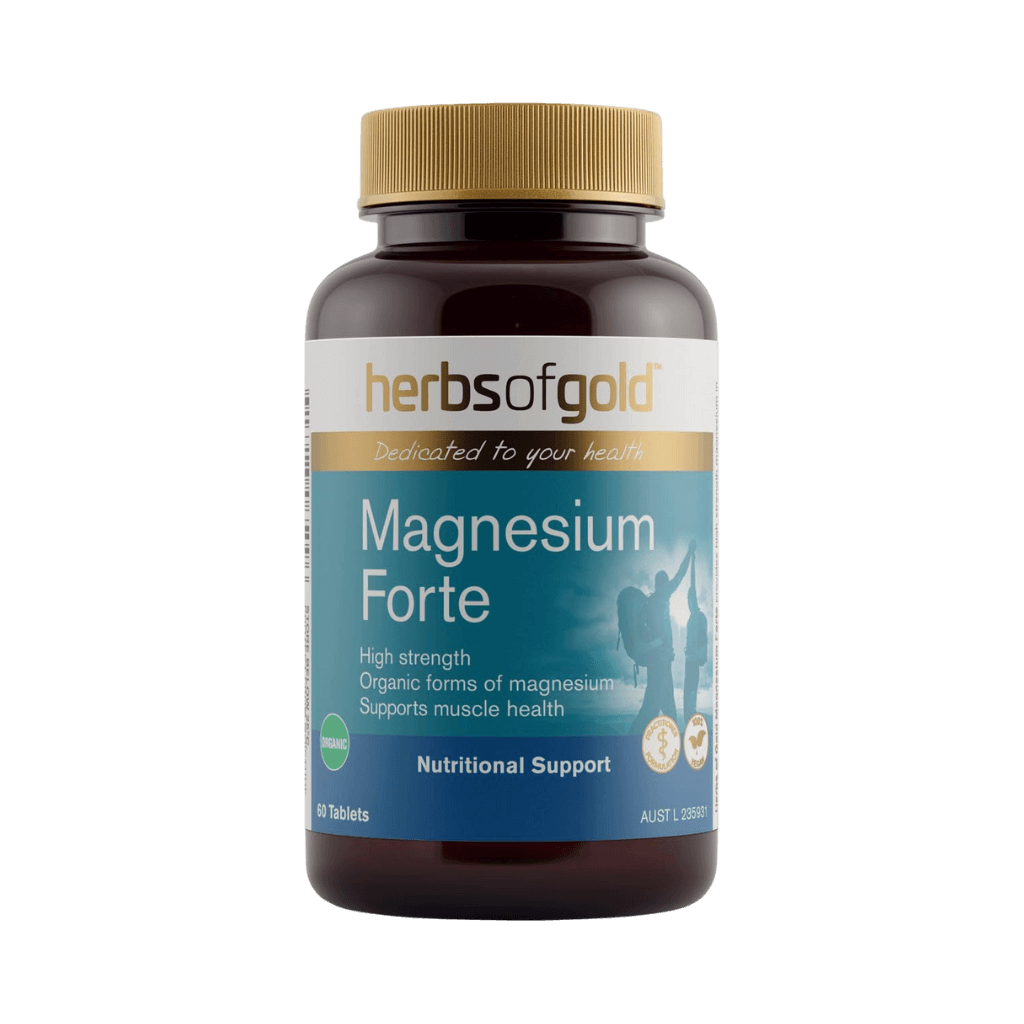
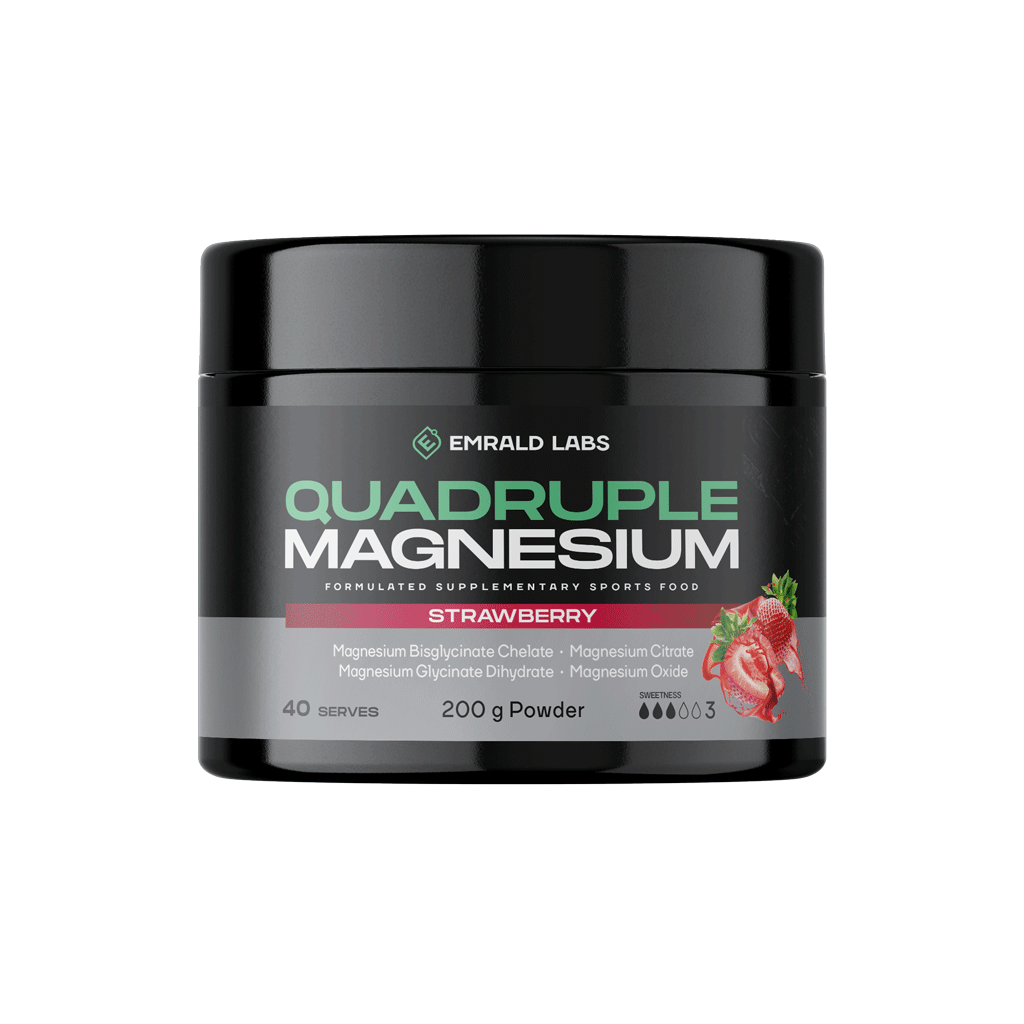
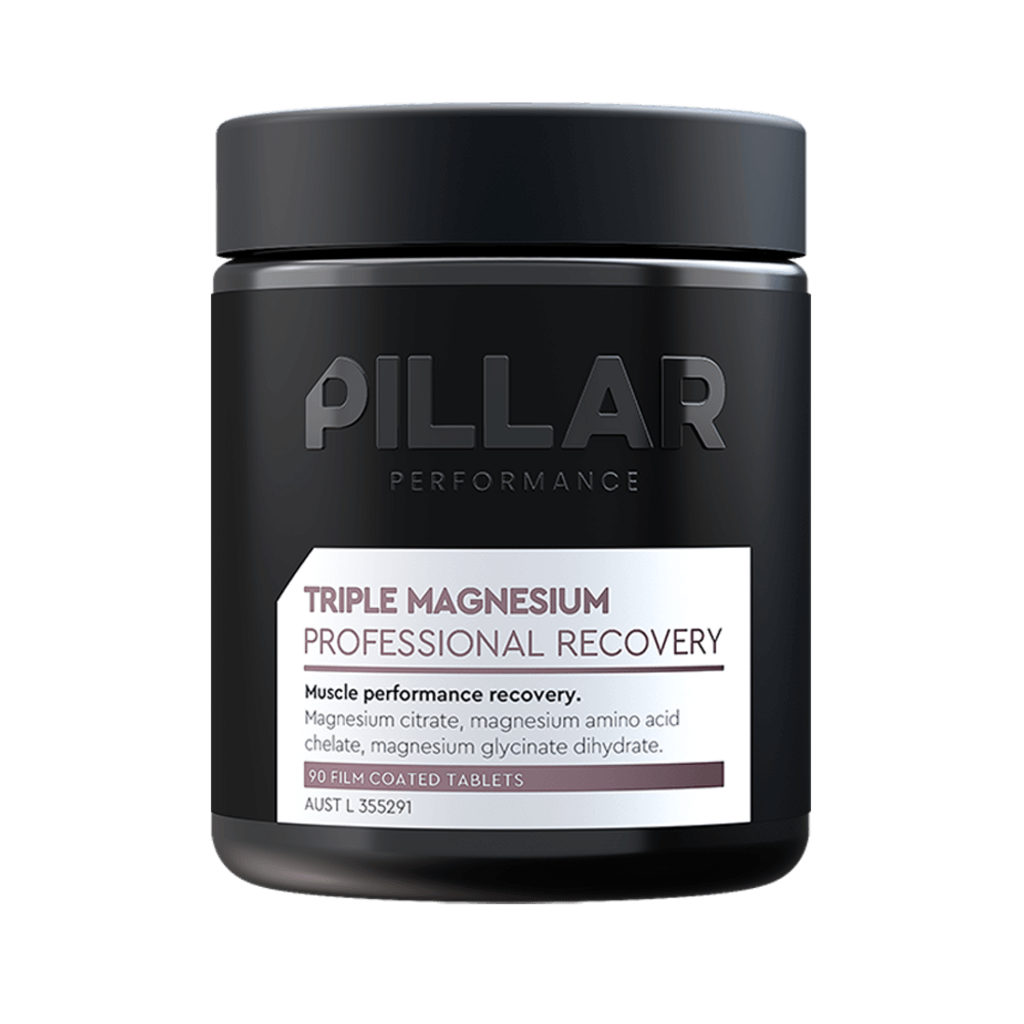
Not all magnesium supplements are the same. Different forms provide different amounts of elemental magnesium and may differ in how well they are tolerated.
Magnesium citrate: commonly used and often well absorbed, but may loosen stools in some people
Magnesium glycinate: often chosen by people who want a gentler option, though product quality varies
Magnesium oxide: provides a high amount of elemental magnesium but is often less well absorbed and more likely to cause digestive upset
Magnesium hydroxide: commonly used in some antacids and laxatives rather than as an everyday nutrition supplement
There is no single “best” form for everyone. The right option depends on why you are taking it, how much elemental magnesium it provides, and how your gut handles it.
How Much Supplemental Magnesium Is Too Much?
The tolerable upper intake level for magnesium from supplements and medications in adults is 350 mg per day. That upper limit does not apply to magnesium naturally present in foods.
High supplemental doses can cause diarrhoea, nausea, and abdominal cramping. Very high doses can be dangerous, especially in people with impaired kidney function.
In the UK, public guidance also notes that 400 mg or less per day from supplements is unlikely to cause harm for most people, but that does not mean higher intakes are smart or necessary without medical advice.
Who Should Be Careful with Magnesium Supplements?
Magnesium is not appropriate for blind self-experimenting in everyone. Extra caution is needed if you:
Have kidney disease or reduced kidney function
Take oral bisphosphonates
Take tetracycline or quinolone antibiotics
Use proton pump inhibitors long term
Use diuretics
Take magnesium-containing laxatives or antacids
Magnesium can interfere with the absorption of some medicines, and some medicines can also lower magnesium status over time.
Signs You Might Need to Review Your Magnesium Intake
A true diagnosis requires proper assessment, but low magnesium status may be more likely if you:
Eat very few whole foods
Have ongoing gastrointestinal problems or malabsorption
Use certain medications that affect magnesium
Have type 2 diabetes
Drink heavily over time
Are older and your overall food intake is low
Possible symptoms of low magnesium can include weakness, muscle symptoms, and general fatigue, but these are not specific and can overlap with many other issues. That is why guessing is not ideal.
The Bottom Line on Magnesium
Magnesium is not a magic fix, but it is a genuinely important mineral. It is used throughout the body for muscle and nerve function, energy production, bone health, heart rhythm, and metabolic regulation. That makes it relevant for fitness, healthy ageing, and general wellbeing.
If your diet is poor, your food intake is low, or you have a reason to suspect low magnesium status, magnesium may be worth reviewing. But the smartest first step is usually to improve magnesium-rich foods and then use supplements carefully if needed.
In other words: magnesium deserves respect, not hype.
Quick Takeaways
Magnesium helps support muscles, nerves, energy production, bones, and heart rhythm.
It is most useful when correcting inadequate intake or low magnesium status.
It may help some people in areas such as migraine prevention, but it is not a cure-all.
Food first is a smart strategy: leafy greens, nuts, seeds, legumes, and whole grains all help.
Too much magnesium from supplements can cause diarrhoea and other side effects.
People with kidney issues or medication interactions should get advice before supplementing.
Frequently Asked Questions
What is magnesium mainly used for?
Magnesium is mainly used in the body for muscle and nerve function, energy production, bone support, blood glucose regulation, and maintaining normal heart rhythm.
Is magnesium good for sleep?
It may help some people, especially if low intake is part of the issue, but it is not a guaranteed sleep treatment.
Can magnesium help with muscle cramps?
It can help if low magnesium is contributing, but cramps have many possible causes, so it is not a guaranteed fix.
What foods are high in magnesium?
Spinach, nuts, seeds, legumes, and whole grains are among the better-known magnesium-rich foods.
Is it better to get magnesium from food or supplements?
For most people, food is the best foundation. Supplements are more useful when intake is low, diet is limited, or a clinician has advised them.
Can you take magnesium every day?
Many people do, but the right dose and form depend on diet, reason for use, tolerance, medications, and kidney function.
What happens if you take too much magnesium?
Too much supplemental magnesium can cause diarrhoea, nausea, and stomach cramps. Very high intakes can be dangerous, especially in people with kidney problems.
Medical note: This article is for general education and should not replace personal medical advice. If you have kidney disease, heart rhythm issues, migraines needing high-dose treatment, or take prescription medicines, speak with your doctor or pharmacist before using magnesium supplements.
Most popular sponsored products
Oriental Botanicals | Magnesium, Anxiolift & Magnesium Excel Supplements Oriental Botanicals | Magnesium, Anxiolift & Magnesium Excel Supplements: health & fitness guide (realistic, label-first) Oriental Botanicals | Magnesium, Anxiolift & Magnesium Excel Supplements is listed as a Wellness supplement. This guide focuses on practical use in a health and fitness routine, without guessing ingredients or nutrition—always confirm those on…
Force Factor Zinc Magnesium Aspartate Force Factor Zinc Magnesium Aspartate: practical guide for training, recovery, and everyday nutrition Force Factor Zinc Magnesium Aspartate is listed as a Sports nutrition supplement. Below is a realistic, label-first guide to how people typically use products in this category, what to look for, and how to fit it into…
Force Factor Magnesium Force Factor Magnesium: practical guide for training, recovery, and everyday nutrition Force Factor Magnesium is listed as a Sports nutrition supplement. Below is a realistic, label-first guide to how people typically use products in this category, what to look for, and how to fit it into a sensible health and…
NOW Foods Magnesium Malate NOW Foods Magnesium Malate: practical guide for training, recovery, and everyday nutrition NOW Foods Magnesium Malate is listed as a Sports nutrition supplement. Below is a realistic, label-first guide to how people typically use products in this category, what to look for, and how to fit it into a sensible…
1000mg Magnesium Bisglycinate Tablets 1000mg Magnesium Bisglycinate Tablets: practical guide for training, recovery, and everyday nutrition 1000mg Magnesium Bisglycinate Tablets is listed as a Sports nutrition supplement. Below is a realistic, label-first guide to how people typically use products in this category, what to look for, and how to fit it into a sensible…
Zinc & Magnesium Capsules Zinc & Magnesium Capsules: practical guide for training, recovery, and everyday nutrition Zinc & Magnesium Capsules is listed as a Sports nutrition supplement. Below is a realistic, label-first guide to how people typically use products in this category, what to look for, and how to fit it into a sensible…
Quick take: iHerb makes it easy to browse supplements, protein, wellness products, and healthy pantry staples in one place. It’s a handy option for comparing ingredients, brands, and customer reviews before choosing what suits your goals.
Quick take: iHerb makes it easy to browse supplements, protein, wellness products, and healthy pantry staples in one place. It’s a handy option for comparing ingredients, brands, and customer reviews before choosing what suits your goals.