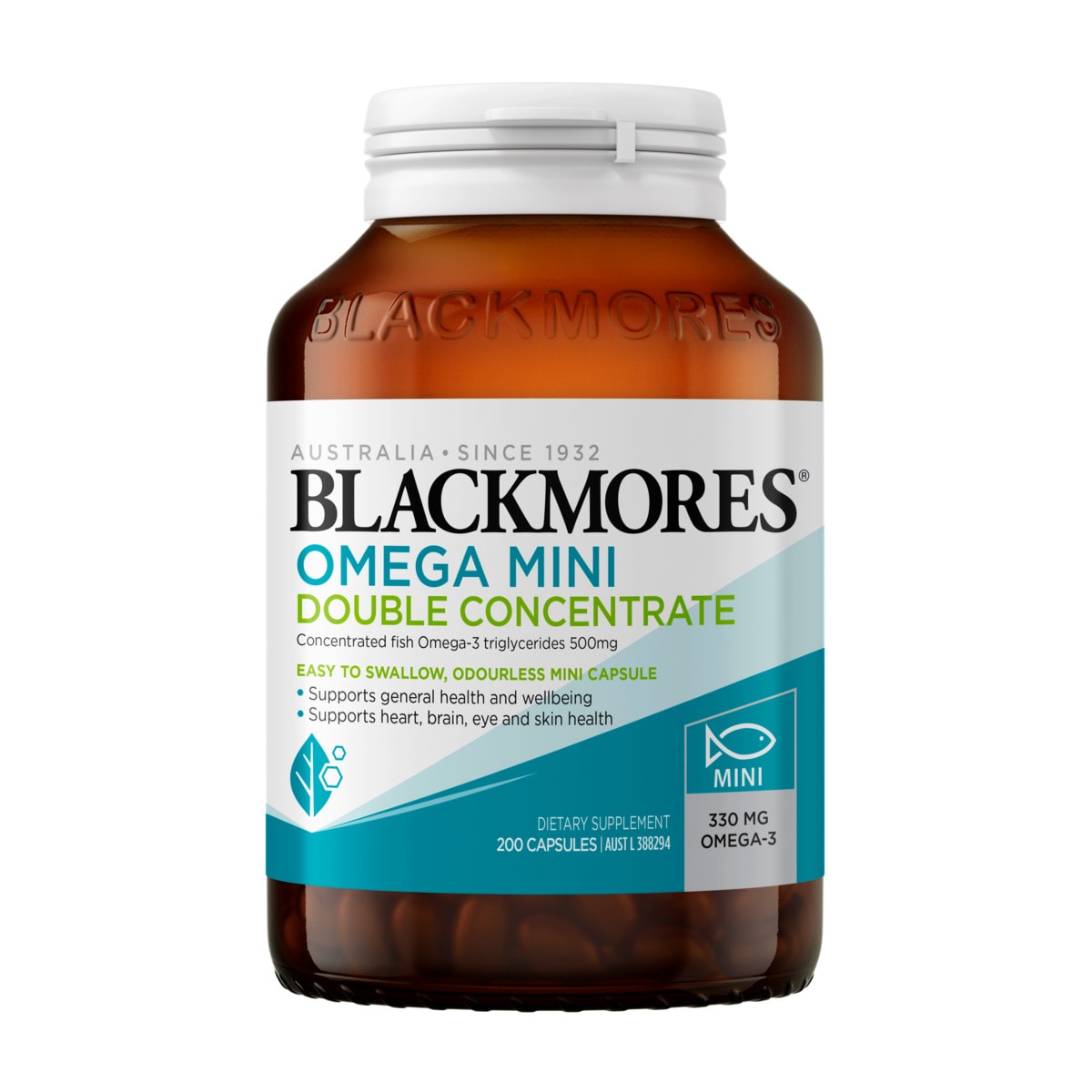
Omega-3 fish oil is one of the most widely used supplements in the world. People take it for heart health, triglycerides, joints, inflammation, brain health, and general wellness. But what is it actually used for in a factual, evidence-based sense?
The honest answer is that omega-3 fish oil has a few clear uses and a lot of overblown ones. Its most established medical use is helping to lower high triglyceride levels when prescribed in the right form and dose. It is also used to help people increase their intake of the marine omega-3 fats EPA and DHA, especially if they do not eat much oily fish. Fish oil is also studied for rheumatoid arthritis symptoms and general cardiovascular health, but it is not a miracle capsule that fixes everything from memory to mood to joint pain overnight. :contentReference[oaicite:1]{index=1}
What Omega-3 Fish Oil Actually Is
Omega-3 fatty acids are a family of polyunsaturated fats. The three main omega-3s people hear about are ALA, EPA, and DHA. ALA is found mainly in plant foods and oils such as flaxseed, soybean, and canola. EPA and DHA are found mainly in fish and other seafood. Fish oil supplements contain EPA and DHA, while algal oils are a vegetarian source of DHA and sometimes EPA. :contentReference[oaicite:2]{index=2}
This matters because people often say “omega-3” as if every product is interchangeable. It is not. A flaxseed oil capsule is not the same as a fish oil capsule, and neither is the same as a prescription omega-3 product used to treat very high triglycerides. :contentReference[oaicite:3]{index=3}
What Omega-3 Fish Oil Is Used For
1. Lowering High Triglycerides
This is the strongest and most widely accepted use. Prescription omega-3 fatty acid products can lower high triglyceride levels, and the American Heart Association has advised that prescription omega-3 medications are an effective option for people with hypertriglyceridemia. This is a real clinical use, not just a wellness claim. It is also important to note that the evidence and dosing behind prescription products are not the same as taking a random over-the-counter fish oil capsule. :contentReference[oaicite:4]{index=4}
2. Increasing EPA and DHA Intake When Diet Is Low
Some people do not eat much oily fish or seafood. For them, fish oil can be a practical way to raise EPA and DHA intake. The NIH notes that consuming EPA and DHA directly from foods or supplements is the only practical way to increase body levels of these fatty acids. :contentReference[oaicite:5]{index=5}
3. Supporting General Heart-Healthy Eating Patterns
Omega-3 fish oil is often used for heart health, but this needs nuance. Eating fish is strongly associated with cardiovascular benefits, and the American Heart Association recommends eating two servings of fish, especially fatty fish, per week. Supplements may help some people fill gaps, but supplementing is not identical to eating fish as part of an overall healthy diet. :contentReference[oaicite:6]{index=6}
4. Rheumatoid Arthritis Symptom Support
Omega-3 supplements are also used by some people with rheumatoid arthritis. NCCIH notes that supplements containing omega-3 fatty acids may help relieve rheumatoid arthritis symptoms, and clinical summaries mention possible improvements in tender joints, morning stiffness, and sometimes reduced NSAID needs in some patients. That does not make fish oil a substitute for medical treatment, but it is one of the more plausible non-drug uses. :contentReference[oaicite:7]{index=7}
What Fish Oil Is Not Especially Good For
Fish oil is often marketed as if it clearly improves almost every aspect of health. That is not what the best evidence shows. Claims around mood, memory, brain performance, general inflammation, and broad disease prevention are often much more mixed than supplement ads suggest. In other words, fish oil may be useful in some specific situations, but it is not a cure-all. :contentReference[oaicite:8]{index=8}
Fish Oil and Heart Health: Helpful, but Easy to Oversell
Fish oil’s reputation largely comes from cardiovascular health. That reputation is not completely undeserved, but it needs context. Eating fish as part of a healthy dietary pattern is well supported, while supplement evidence is more specific. The clearest medical role is high triglyceride management, particularly with prescription omega-3 formulations. That is different from saying every over-the-counter fish oil supplement prevents heart attacks in everyone. :contentReference[oaicite:9]{index=9}
Fish Oil and Joints: Why People with Rheumatoid Arthritis Often Ask About It
Fish oil is often used for “inflammation,” but that phrase is too broad to be useful. One area where there is at least some reasonable support is rheumatoid arthritis symptom management. NCCIH says omega-3 supplements may help relieve RA symptoms, and related summaries mention possible improvements in morning stiffness and tender joints. That is a more grounded claim than saying fish oil is good for every kind of joint pain. :contentReference[oaicite:10]{index=10}
Food First: Why Fish Often Beats a Capsule
The American Heart Association recommends eating two servings of fish, especially fatty fish, each week to help reduce heart disease and stroke risk. Foods such as salmon, sardines, mackerel, herring, lake trout, and albacore tuna provide EPA and DHA along with other nutrients. That is one reason food remains the first-choice strategy for many people. Supplements are most useful when intake is low, when a clinician recommends them, or when a specific therapeutic reason exists. :contentReference[oaicite:11]{index=11}
Fish Oil vs Cod Liver Oil vs Krill Oil vs Algal Oil
Fish oil contains EPA and DHA.
Cod liver oil also contains EPA and DHA, but it can contain varying amounts of vitamins A and D, which can be harmful in excessive amounts.
Krill oil contains omega-3s in phospholipid form.
Algal oil is a vegetarian source of DHA, and some products also provide EPA.
These products are not exactly the same, so labels matter. :contentReference[oaicite:12]{index=12}
How Much Fish Oil Do People Usually Take?
There is no single universal dose because the reason for using fish oil matters. The NIH notes that a typical fish oil supplement often provides about 300 mg of EPA and DHA combined, but actual products vary widely. Therapeutic triglyceride-lowering use is a separate matter and usually involves prescription products and much higher, medically supervised doses. :contentReference[oaicite:13]{index=13}
Is Omega-3 Fish Oil Safe?
For most healthy adults, omega-3 supplements are generally well tolerated. NCCIH notes that when side effects occur, they are usually minor gastrointestinal symptoms. Common complaints can include fishy aftertaste, burping, stomach upset, loose stools, or nausea. That said, “usually safe” is not the same as “appropriate for everyone.” :contentReference[oaicite:14]{index=14}
Who Should Be More Careful?
People with medical conditions, those on prescription medicines, and anyone considering high-dose omega-3 supplementation should check with a clinician first. This is especially relevant if the goal is triglyceride management, because prescription omega-3 therapy is a medical treatment decision, not just a supplement choice. It is also sensible to be cautious with products that add fat-soluble vitamins, especially cod liver oil, because excess vitamin A or D can be harmful. :contentReference[oaicite:15]{index=15}
Over-the-Counter Fish Oil vs Prescription Omega-3: Not the Same Thing
This is one of the biggest points consumers miss. Prescription omega-3 products used for high triglycerides are standardised medications with evidence behind specific doses and formulations. Over-the-counter supplements vary widely in purity, EPA/DHA content, and quality. FDA also reminds consumers that dietary supplements are regulated differently from drugs and are not approved by FDA for safety and effectiveness before sale. :contentReference[oaicite:16]{index=16}
Fish Oil Myths That Need Clearing Up
“Fish oil is good for everything”
No. It has some specific uses, especially triglyceride lowering and possibly symptom support in rheumatoid arthritis, but many broader claims are overstated. :contentReference[oaicite:17]{index=17}
“All omega-3 supplements are the same”
No. Fish oil, cod liver oil, krill oil, algal oil, and flaxseed oil differ in what they contain. EPA and DHA are not the same as ALA. :contentReference[oaicite:18]{index=18}
“A low-dose fish oil capsule is the same as prescription omega-3 treatment”
No. Prescription omega-3 therapy for high triglycerides is not equivalent to casual supplement use. :contentReference[oaicite:19]{index=19}
The Bottom Line on Omega-3 Fish Oil
Omega-3 fish oil is mainly used to provide the marine omega-3 fats EPA and DHA and, in medical settings, to help lower high triglyceride levels. It is also sometimes used for rheumatoid arthritis symptom support and as a practical option for people who do not eat much fish. Those are the realistic uses. :contentReference[oaicite:20]{index=20}
It is not a magic anti-inflammatory, not a substitute for eating well, and not proof that every “heart health” supplement claim is true. If you want the most grounded view, think of fish oil as useful in the right context, but far less dramatic than the marketing often makes it sound. :contentReference[oaicite:21]{index=21}
Quick Takeaways
Fish oil provides the omega-3 fats EPA and DHA. :contentReference[oaicite:22]{index=22}
Its clearest medical use is lowering high triglycerides, especially with prescription omega-3 products. :contentReference[oaicite:23]{index=23}
It can help raise EPA and DHA intake in people who do not eat much oily fish. :contentReference[oaicite:24]{index=24}
Some evidence suggests omega-3 supplements may help relieve rheumatoid arthritis symptoms. :contentReference[oaicite:25]{index=25}
The American Heart Association recommends two servings of fish per week, especially fatty fish. :contentReference[oaicite:26]{index=26}
Cod liver oil can also contain vitamins A and D, which can be harmful in excess. :contentReference[oaicite:27]{index=27}
Dietary supplements are regulated differently from drugs and are not FDA-approved for safety and effectiveness before sale. :contentReference[oaicite:28]{index=28}
Frequently Asked Questions
What is omega-3 fish oil mainly used for?
Omega-3 fish oil is mainly used to provide EPA and DHA, and in medical settings it is used to help lower high triglyceride levels. :contentReference[oaicite:29]{index=29}
Is fish oil good for the heart?
Eating fish is strongly linked with heart-healthy eating patterns, and prescription omega-3 products can lower high triglycerides, but over-the-counter supplements are not the same as prescription therapy. :contentReference[oaicite:30]{index=30}
Can fish oil help joints?
Some evidence suggests omega-3 supplements may help relieve rheumatoid arthritis symptoms, but that is not the same as saying fish oil helps every kind of joint pain. :contentReference[oaicite:31]{index=31}
Is fish oil the same as flaxseed oil?
No. Fish oil provides EPA and DHA, while flaxseed oil provides ALA, which is a different omega-3 fat. :contentReference[oaicite:32]{index=32}
Is cod liver oil the same as fish oil?
Not exactly. Cod liver oil contains EPA and DHA but also varying amounts of vitamins A and D, which can be harmful in excessive amounts. :contentReference[oaicite:33]{index=33}
Is fish oil safe every day?
For most healthy adults, omega-3 supplements are generally well tolerated, but people with medical conditions, those on prescription medicines, or anyone considering high doses should get medical advice first. :contentReference[oaicite:34]{index=34}
Medical note: This article is for general education only and does not replace medical advice. If you have very high triglycerides, rheumatoid arthritis, cardiovascular disease, or take prescription medicines, speak with your doctor before using high-dose omega-3 products.
Most popular sponsored products
NOW Foods Omega-3 NOW Foods Omega-3: practical guide for training, recovery, and everyday nutrition NOW Foods Omega-3 is listed as a Omega-3. Below is a realistic, label-first guide to how people typically use products in this category, what to look for, and how to fit it into a sensible health and fitness routine.…
Essential Omega-3 Essential Omega-3: practical guide for training, recovery, and everyday nutrition Essential Omega-3 is listed as a Omega-3. Below is a realistic, label-first guide to how people typically use products in this category, what to look for, and how to fit it into a sensible health and fitness routine. Price (at…
Vegan Omega 3 Vegan Omega 3: a realistic guide for health, training, and recovery Vegan Omega 3 is listed as a Omega-3. This is a practical, label-first guide to how products in this category are commonly used, what to look for, and how to fit it into a sensible health and fitness routine.…
Omega 3-6-9 Gummies Omega 3-6-9 Gummies: a realistic guide for health, training, and recovery Omega 3-6-9 Gummies is listed as a Omega-3. This is a practical, label-first guide to how products in this category are commonly used, what to look for, and how to fit it into a sensible health and fitness routine.…
Essentielle Omega-3 Essentielle Omega-3: a realistic guide for health, training, and recovery Essentielle Omega-3 is listed as a Omega-3. This is a practical, label-first guide to how products in this category are commonly used, what to look for, and how to fit it into a sensible health and fitness routine. Price (at…
Omega 3 Omega 3: a realistic guide for health, training, and recovery Omega 3 is listed as a Omega-3. This is a practical, label-first guide to how products in this category are commonly used, what to look for, and how to fit it into a sensible health and fitness routine. Price (at…
Quick take: iHerb makes it easy to browse supplements, protein, wellness products, and healthy pantry staples in one place. It’s a handy option for comparing ingredients, brands, and customer reviews before choosing what suits your goals.
Quick take: iHerb makes it easy to browse supplements, protein, wellness products, and healthy pantry staples in one place. It’s a handy option for comparing ingredients, brands, and customer reviews before choosing what suits your goals.