Joint pain affects millions of people, especially as we age. While inflammation, arthritis, and cartilage wear-and-tear are common contributors, one overlooked cause is vitamin deficiency. Your joints rely on specific nutrients to build cartilage, reduce inflammation, protect connective tissue, and repair everyday damage.
When your body is low in these vitamins, joint pain, stiffness, reduced mobility, and inflammation can worsen — and many older adults are at higher risk.
Here are the key vitamins for joint pain relief, how they work, and the symptoms that may indicate you’re not getting enough.
⭐ 1. Vitamin D — Essential for Bone & Joint Strength
Vitamin D plays a significant role in:
calcium absorption
bone density
cartilage health
immune and inflammatory regulation
Low vitamin D levels are strongly linked to:
joint pain
muscle weakness
increased inflammation
osteoarthritis progression
higher fall and fracture risk
Signs of deficiency
fatigue
bone or joint aches
muscle cramps
low mood
frequent illness
Why older adults need more
As we age, the skin produces less vitamin D, and many adults absorb it less efficiently. Limited sun exposure and medications (like steroids or anti-inflammatories) can also impair vitamin D balance.
⭐ 2. Vitamin C — Collagen Builder & Inflammation Fighter
Collagen is the main structural protein in cartilage, and vitamin C is required for collagen production.
Research suggests higher vitamin C intake is linked with better cartilage integrity and slower joint degeneration.
Signs of deficiency
joint pain or stiffness
slow wound healing
easy bruising
chronic fatigue
weakened immunity
Why older adults need more
Oxidative stress increases with age, and vitamin C requirements typically rise to counteract inflammation.
⭐ 3. Vitamin K2 — Directs Calcium to the Bones, Not the Joints
Vitamin K2 helps keep calcium in your bones and out of your arteries and soft tissues, including joints.
K2 supports:
stronger bones
proper joint mineralisation
reduced stiffness
improved cartilage structure
People low in K2 may experience more calcification around joints, worsening pain.
Signs of deficiency
easy bruising
bone weakness
poor circulation
dental issues
arterial stiffness
Why older adults need more
K2 intake drops with age due to reduced gut bacterial production and lower dietary intake, increasing the risk of calcium misplacement.
⭐ 4. Vitamin E — Powerful Anti-Inflammatory Antioxidant
Vitamin E helps reduce joint pain by:
neutralising free radicals
lowering chronic inflammation
supporting cartilage protection
improving blood flow to joint tissues
It is especially helpful for painful, stiff, swollen joints linked to osteoarthritis or autoimmune inflammation.
Signs of deficiency
muscle weakness
coordination problems
dry or irritated skin
nerve pain
increased inflammation
Why older adults need more
Absorption decreases with age, and antioxidant needs increase due to chronic inflammation, stress, and medication use.
⭐ 5. B-Complex Vitamins (B6, B12 & Folate)
Critical for Nerves, Inflammation Control & Joint Comfort
The B-vitamins play multiple roles in joint health:
B6 reduces inflammation and supports neurotransmitters involved in pain perception.
B12 protects nerves and supports red blood cell production.
Folate (B9) helps control homocysteine, an inflammatory molecule linked to joint damage and arthritis.
Signs of deficiency
tingling or numbness
joint discomfort
fatigue
memory issues
mood changes
Why older adults need more
Stomach acid declines with age, making it harder to absorb B12. Medications like metformin, proton-pump inhibitors, and chronic inflammation increase B-vitamin requirements.
⭐ Why Older Adults Are More Likely to Be Deficient
Aging naturally increases nutrient needs due to:
reduced stomach acid (affects B12 absorption)
less vitamin D production in the skin
weaker gut microbiome (affects K2 creation)
medication interactions
decreased appetite or limited diets
hormone changes
slower collagen production
This is why supplementation is often recommended for people over 50, especially those with arthritis, autoimmune disease, or chronic inflammation.
⭐ Answer Capsule: Quick Summary
Essential vitamins for joint pain relief include:
Vitamin D — strengthens bones & regulates inflammation
Vitamin C — boosts collagen and protects cartilage
Vitamin K2 — directs calcium away from joints
Vitamin E — reduces inflammation & oxidative stress
B6, B12, Folate — supports nerves, energy, inflammation control
Signs of deficiency often include: stiffness, pain, fatigue, bruising, slow healing, and weakness.
Older adults need higher intake due to lower absorption, reduced sun exposure, increased inflammation, and medication use.
⭐ FAQ: Vitamins for Joint Pain Relief
1. Can vitamins really reduce joint pain?
Yes — deficiencies in D, C, K2, E, and B-vitamins can directly worsen pain and inflammation.
2. How long does it take to see improvement?
Most people notice benefits in 4–8 weeks of consistent nutrient intake.
3. Can you take all these vitamins together?
Yes — many joint formulas combine them safely. But check for interactions if you take blood thinners or immune-modulating medications.
4. Do vitamins replace arthritis medications?
No. They support joint health and reduce inflammation but don’t replace prescribed treatments.
5. Are food sources enough?
Sometimes, but deficiencies are common — especially for vitamin D, B12, and K2.
Most popular sponsored products
Fitness Accessories Ozdingo Browse Fitness Accessories at OzDingo; compare the current range, variants, pricing and availability on the merchant page.
Vitamins, Minerals & Dietary Supplements for Health & Wellness | Health Supplements Offer now available for the Vitamins, Minerals & Dietary Supplements for Health & Wellness | Health Supplements. On sale with world wide delivery. Shop premium vitamins, minerals & dietary supplements for immunity, energy, digestion and overall wellness. Buy trusted health supplements online in Australia.. Browse our extensive range of products.…
Quick take: iHerb makes it easy to browse supplements, protein, wellness products, and healthy pantry staples in one place. It’s a handy option for comparing ingredients, brands, and customer reviews before choosing what suits your goals.
Resveratrol is a natural polyphenol found in grapes, berries, peanuts, red wine, and certain plants like Japanese knotweed (the most common supplement source). It’s best known for its anti-aging, heart-protective, and antioxidant properties — and for its role in the “French paradox,” the observation that the French have low heart disease rates despite a rich diet.
Modern research shows that resveratrol may support longevity, reduce inflammation, protect cells from damage, and improve metabolic and cardiovascular health. Here’s what science says.
⭐ 1. A Powerful Antioxidant That Protects Your Cells
Resveratrol is one of the strongest natural antioxidants. It helps neutralise harmful free radicals and reduces oxidative damage — a major driver of:
aging
inflammation
chronic disease
DNA damage
metabolic issues
This protective effect is the foundation for many of resveratrol’s other benefits.
⭐ 2. Supports Heart Health & Circulation
Resveratrol is deeply studied for cardiovascular health.
Benefits include:
improved blood flow
reduced LDL oxidation (a key step in plaque buildup)
lower inflammation in arteries
potential improvements in cholesterol balance
better vascular function
It may also help relax blood vessels by increasing nitric oxide production.
Overall, it contributes to healthier blood pressure, smoother circulation, and reduced cardiovascular risk.
⭐ 3. May Promote Longevity & Healthy Aging
Resveratrol activates sirtuins (especially SIRT1), often called “longevity genes.”
These genes help:
repair DNA
improve cellular metabolism
reduce inflammation
extend cell lifespan
support mitochondrial function
This is why resveratrol is sometimes referred to as a “longevity supplement,” although human lifespan-extension studies are still limited.
⭐ 4. Reduces Inflammation Throughout the Body
Chronic inflammation contributes to many health issues. Resveratrol may help by:
blocking inflammatory enzymes
lowering pro-inflammatory signalling molecules
improving antioxidant status
It may be useful for conditions like:
arthritis
heart disease
metabolic syndrome
inflammatory gut issues
cognitive decline
People often take resveratrol alongside curcumin or omega-3s for a full anti-inflammatory stack.
⭐ 5. Supports Brain Health & Memory
Resveratrol may protect neurons and improve cognitive performance through:
better blood flow to the brain
antioxidant protection of brain cells
reduced amyloid plaque formation
improved mitochondrial function
Preliminary studies show potential benefits for:
memory
mood
age-related cognitive decline
brain inflammation
It is frequently used in longevity-focused brain health routines.
Some studies show it can mimic some benefits of calorie restriction — a known trigger for longevity pathways.
It is often used by people with:
prediabetes
metabolic syndrome
insulin resistance
⭐ 7. May Support Joint & Mobility Health
Because of its anti-inflammatory effects, resveratrol may reduce joint stiffness and swelling, especially when combined with other anti-inflammatory nutrients.
Resveratrol may help protect cells from DNA damage and inhibit cancer cell growth in lab models. However: It is not a treatment, and human research is still limited.
⭐ Best Forms of Resveratrol Supplements
Most supplements use:
Trans-resveratrol (the most active, effective form)
Derived from Japanese knotweed for consistency and purity
Standardised to 50–98% trans-resveratrol
Some blends combine resveratrol with:
quercetin
curcumin
NMN or NAD+ boosters
piperine (for absorption)
These combinations may enhance effectiveness.
⭐ Recommended Dosage
Common doses:
100–250 mg/day for general health
250–500 mg/day for anti-aging or metabolic support
Up to 1 g/day in some studies for specific therapeutic uses
Always start low and increase gradually.
Take resveratrol with a meal containing healthy fats to improve absorption.
⭐ Side Effects & Safety
Resveratrol is generally safe, but possible effects include:
mild stomach upset
diarrhea (high doses)
temporary headaches
Use caution if you:
take blood thinners (warfarin, aspirin)
take blood pressure medications
are pregnant or breastfeeding
have hormone-sensitive cancers (resveratrol has mild estrogen-like effects)
Always consult a doctor if you take medications.
⭐ What to Look For in a Quality Supplement
Choose:
trans-resveratrol, not cis
≥ 50% purity (higher is better)
third-party tested
low heavy-metal Japanese knotweed extract
products packaged in dark bottles (light degrades resveratrol)
Avoid cheap or non-standardised blends.
⭐ Answer Capsule: Quick Summary
Resveratrol benefits:
powerful antioxidant protection
improved heart and artery health
supports healthy aging and longevity pathways
reduces inflammation
supports brain function and memory
improves insulin sensitivity and blood sugar balance
supports joint comfort
Best type: Trans-resveratrol from Japanese knotweed.
Best dose: 100–500 mg/day depending on goals.
⭐ FAQ: Resveratrol Health Benefits
1. Is resveratrol the same as red wine benefits?
Red wine contains resveratrol, but in very small amounts. Supplements provide effective levels.
2. How long does it take to notice benefits?
2–8 weeks depending on the goal (energy, inflammation, skin, etc.).
3. Can you take resveratrol with NMN?
Yes — many longevity experts combine them, as resveratrol activates sirtuins while NMN increases NAD+.
4. Is resveratrol safe long-term?
Yes, at moderate doses (100–250 mg/day). High doses should be monitored medically.
5. Does resveratrol help with wrinkles or skin aging?
Yes — its antioxidant and anti-inflammatory effects support collagen and skin firmness.
Most popular sponsored products
Fitness Accessories Ozdingo Browse Fitness Accessories at OzDingo; compare the current range, variants, pricing and availability on the merchant page.
Vitamins, Minerals & Dietary Supplements for Health & Wellness | Health Supplements Offer now available for the Vitamins, Minerals & Dietary Supplements for Health & Wellness | Health Supplements. On sale with world wide delivery. Shop premium vitamins, minerals & dietary supplements for immunity, energy, digestion and overall wellness. Buy trusted health supplements online in Australia.. Browse our extensive range of products.…
Quick take: iHerb makes it easy to browse supplements, protein, wellness products, and healthy pantry staples in one place. It’s a handy option for comparing ingredients, brands, and customer reviews before choosing what suits your goals.
Colostrum — often called “first milk” — is the nutrient-dense fluid produced by mammals during the first 24–72 hours after giving birth. While humans naturally receive colostrum at birth, most supplements today come from bovine colostrum, which is biologically compatible and rich in immune-boosting compounds.
Thanks to its high concentration of antibodies, growth factors, and gut-repairing nutrients, colostrum has become a popular supplement for immunity, digestion, skin health, muscle recovery, and overall wellbeing.
Here’s a science-based look at its benefits and how it works.
⭐ 1. Strengthens the Immune System
Colostrum is naturally rich in immunoglobulins (IgG, IgA, IgM) — powerful antibodies that help your body recognise and fight viruses, bacteria, and toxins.
Benefits include:
reduced frequency of colds and infections
stronger immune response
improved recovery after illness
protection against seasonal viruses
Studies show that athletes, children, and people under high stress may experience fewer respiratory infections when taking colostrum regularly.
⭐ 2. Supports Gut Health & Repairs the Intestinal Lining
One of colostrum’s strongest benefits is its ability to heal and seal the gut.
It contains:
lactoferrin (antimicrobial & immune-modulating)
growth factors (IGF-1, TGF-β)
glutamine
prebiotic compounds
These help:
repair gut lining (ideal for leaky gut/intestinal permeability)
restore healthy digestion
reduce bloating and inflammation
support gut bacteria balance
strengthen the mucosal barrier
This makes colostrum a first-line supplement for people with IBS, bloating, food sensitivities, or gut inflammation.
⭐ 3. Helps Reduce Inflammation
Colostrum contains compounds that regulate immune responses and decrease inflammatory markers.
It may help with:
autoimmune-related inflammation
joint discomfort
inflammatory bowel issues
allergies and sensitivities
Its gut-healing effects also indirectly reduce overall systemic inflammation.
⭐ 4. Improves Athletic Performance & Recovery
Because colostrum contains natural growth factors (like IGF-1), studies show it can help:
enhance muscle repair
improve strength and lean mass
reduce exercise-induced inflammation
support faster recovery
protect the gut during intense training
Many athletes use colostrum to improve endurance and reduce “leaky gut” triggered by strenuous exercise.
⭐ 5. Promotes Skin Repair & Anti-Aging
Growth factors and immune peptides in colostrum support healthy skin from the inside out.
Vitamins, Minerals & Dietary Supplements for Health & Wellness | Health Supplements Offer now available for the Vitamins, Minerals & Dietary Supplements for Health & Wellness | Health Supplements. On sale with world wide delivery. Shop premium vitamins, minerals & dietary supplements for immunity, energy, digestion and overall wellness. Buy trusted health supplements online in Australia.. Browse our extensive range of products.…
Quick take: iHerb makes it easy to browse supplements, protein, wellness products, and healthy pantry staples in one place. It’s a handy option for comparing ingredients, brands, and customer reviews before choosing what suits your goals.
Boswellia — also known as Indian frankincense (Boswellia serrata) — is a natural resin extracted from the Boswellia tree. It has been used for thousands of years in Ayurvedic and Middle Eastern medicine to reduce inflammation, support joint comfort, and promote overall wellness.
Today, Boswellia is one of the most researched natural anti-inflammatory supplements, particularly for joint pain, arthritis, asthma, and digestive inflammation.
Here’s a clear, evidence-based guide to its benefits, how it works, and how to use it safely.
⭐ What Makes Boswellia Effective? (How It Works)
The secret to Boswellia’s benefits lies in compounds called boswellic acids, especially AKBA (acetyl-11-keto-β-boswellic acid) — a powerful, natural anti-inflammatory.
AKBA works by:
blocking 5-LOX, an enzyme that drives inflammation
reducing cytokines linked to swelling and pain
protecting joint cartilage
calming overactive immune responses
These mechanisms make Boswellia useful for conditions where inflammation plays a key role.
⭐ Top Health Benefits of Boswellia (Science-Backed)
1. Reduces Joint Pain, Stiffness & Swelling
Boswellia is widely used for:
osteoarthritis
rheumatoid arthritis
knee pain
back pain
general joint inflammation
Studies show it can:
reduce pain and improve mobility within 7–14 days
protect cartilage from breakdown
enhance function better than placebo
Boswellia is often compared to NSAIDs (like ibuprofen) — but without the stomach irritation.
2. Helps Arthritis & Autoimmune Conditions
Research suggests Boswellia may help calm immune-driven inflammation, making it helpful for:
rheumatoid arthritis
ankylosing spondylitis
psoriatic arthritis
It is commonly paired with turmeric/curcumin for enhanced effects.
3. Supports Gut Health & Reduces Inflammatory Bowel Symptoms
Boswellia has promising evidence for intestinal inflammation, including:
ulcerative colitis
Crohn’s disease
IBS with inflammation
In some studies, Boswellia was as effective as standard medications — but with fewer side effects.
4. Improves Asthma & Respiratory Inflammation
Boswellia’s ability to block 5-LOX helps reduce leukotrienes (inflammatory molecules that tighten airways).
Benefits include:
easier breathing
reduced asthma flare-ups
improved lung function
Not a substitute for prescribed inhalers, but may be a supportive therapy.
5. May Support Brain Health
Early research suggests Boswellia may:
reduce neuroinflammation
improve memory and focus
support mood balance
This is due to its antioxidant and anti-inflammatory properties.
6. Potential Anti-Cancer Properties
Studies show Boswellia may inhibit the growth of certain cancer cells, but this research is early and not a treatment.
⭐ Common Forms of Boswellia Supplements
You’ll find Boswellia in:
capsules
tablets
tinctures
powdered extracts
topical creams/balms
The most effective supplements are standardised to contain:
≥ 65% boswellic acids, and
20–30% AKBA (if labelled as “Boswellia AKBA” or “5-LOX inhibitors”)
Look for terms like:
Boswellia serrata extract
5-LOXIN
ApresFlex These are high-potency, science-tested forms.
⭐ Recommended Dosage
Typical daily dosages:
Form
Dosage
Standard extract
300–500 mg, 2–3 times daily
High-potency AKBA extracts
100–300 mg daily
Combined with turmeric
Follow label dosage
Boswellia is best taken with food for absorption.
⭐ Safety, Side Effects & Interactions
Boswellia is generally well tolerated. Possible side effects include:
mild stomach upset
nausea
diarrhea
acid reflux (rare)
rash (rare)
Who should be cautious or avoid it?
those taking blood thinners
people with autoimmune conditions under medical management
people with ulcer disease or reflux
pregnant or breastfeeding women (insufficient safety data)
Always check with your doctor if you take medications for:
arthritis
asthma
blood pressure
diabetes
immune system regulation
⭐ How Boswellia Compares to Other Supplements
Supplement
Best for
Turmeric/Curcumin
Overall inflammation, stiffness
Boswellia
Joint pain, gut inflammation, respiratory issues
Ginger
Mild inflammation, digestion
MSM
Joint stiffness, mobility
Omega-3s
Long-term inflammation control
Boswellia adds a unique mechanism (5-LOX inhibition), making it a powerful addition to other anti-inflammatory supplements.
⭐ Answer Capsule: Quick Summary
Boswellia is a natural anti-inflammatory supplement with strong evidence for:
joint pain relief
arthritis support
gut inflammation reduction
asthma and respiratory health
immune balance
Best form: Standardised extracts (65% boswellic acids or more) or AKBA forms like 5-LOXIN/ApresFlex.
Onset: Many people feel improvement in 1–2 weeks.
Ideal for: osteoarthritis, RA inflammation, gut inflammation, asthma, and general anti-inflammatory support.
⭐ FAQ: Boswellia as a Health Supplement
1. How long does Boswellia take to work?
Most people notice benefits within 7–14 days, with continued improvements over 4–8 weeks.
2. Can I take Boswellia with turmeric?
Yes — they work synergistically and are often combined in joint formulas.
3. Does Boswellia help rheumatoid arthritis?
It may reduce inflammation, stiffness, swelling, and immune overactivity, but should not replace RA medications.
4. Is Boswellia safe for long-term use?
Generally yes, when used at recommended dosages.
5. Can Boswellia cause liver issues?
Boswellia is not known for liver toxicity and is considered safe when sourced from reputable brands.
Most popular sponsored products
Fitness Accessories Ozdingo Browse Fitness Accessories at OzDingo; compare the current range, variants, pricing and availability on the merchant page.
Vitamins, Minerals & Dietary Supplements for Health & Wellness | Health Supplements Offer now available for the Vitamins, Minerals & Dietary Supplements for Health & Wellness | Health Supplements. On sale with world wide delivery. Shop premium vitamins, minerals & dietary supplements for immunity, energy, digestion and overall wellness. Buy trusted health supplements online in Australia.. Browse our extensive range of products.…
Quick take: iHerb makes it easy to browse supplements, protein, wellness products, and healthy pantry staples in one place. It’s a handy option for comparing ingredients, brands, and customer reviews before choosing what suits your goals.
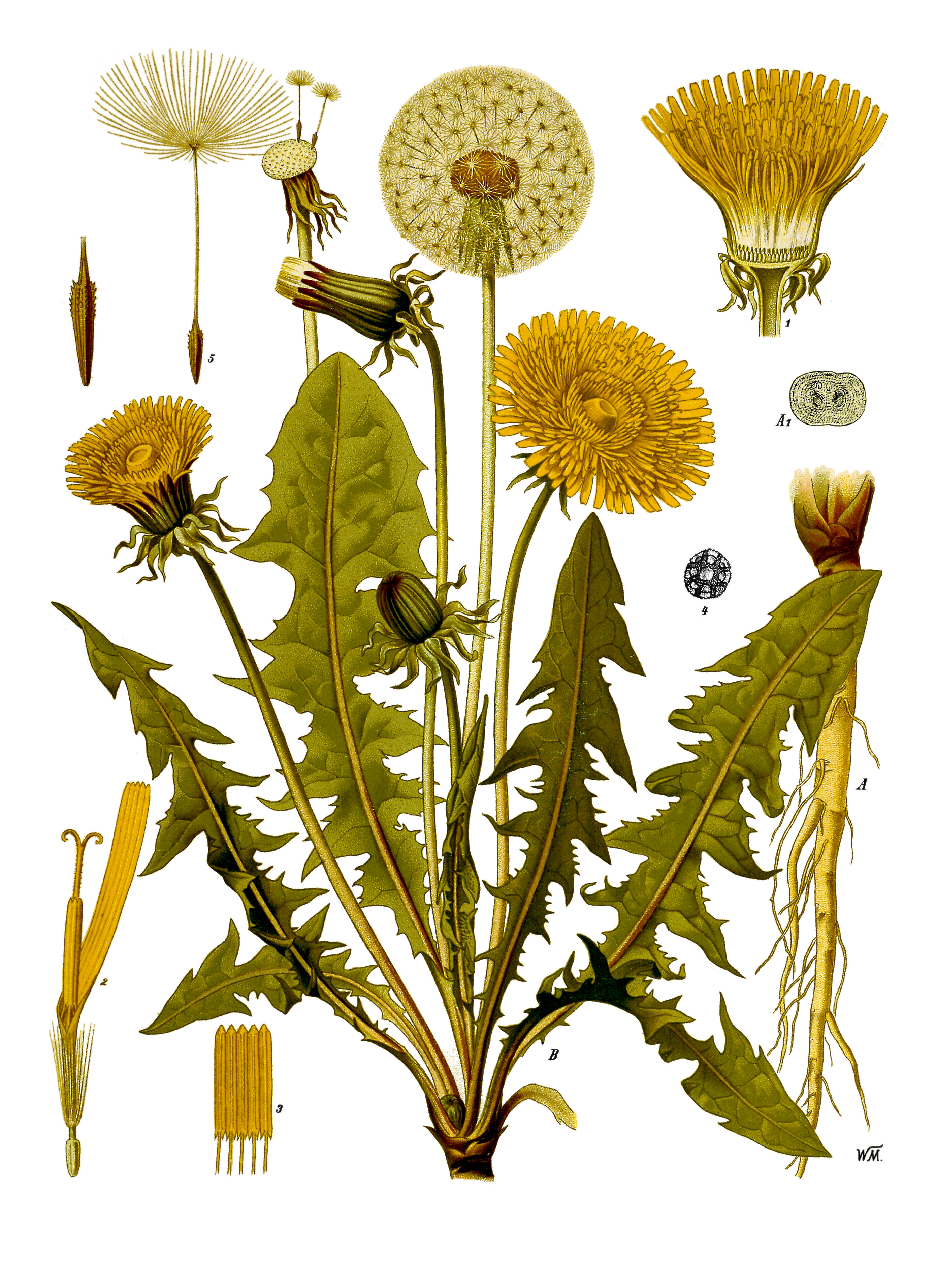
Here’s a clear, balanced, evidence-based article about Dandelion (and related supplements) — what research suggests, what remains uncertain, and how people commonly use it. I use “dandelion” to mean the plant generally (roots, leaves, teas or extracts).
🌿 What is Dandelion?
Dandelion (Latin: Taraxacum officinale) is a common flowering plant found worldwide. Every part — leaves, roots, flowers — has been used historically as food or herbal medicine. Wikipedia+2PeaceHealth+2
The leaves — often eaten raw in salads or cooked — contain minerals, fibre, vitamins and beneficial plant compounds. SpringerLink+1
The root is sometimes roasted or dried and used as a coffee substitute or turned into extracts, tinctures, teas or capsules. PMC+2PeaceHealth+2
Because of this nutrient and phytochemical content, dandelion has become popular as a “natural supplement,” often marketed to support digestion, liver health, detox, inflammation reduction and more.
✅ Potential Health Benefits of Dandelion (What Research Suggests)
Research on dandelion (leaf, root, extracts) is a mix of traditional use, animal and lab studies, and a few early human trials. Results are promising, but many claims still require larger, rigorous human research.
Here are the key areas where dandelion shows potential:
• Liver, Gallbladder & Digestive Support
Dandelion has been traditionally used to support digestion, stimulate bile flow, and aid in mild digestive problems. EBSCO+2PeaceHealth+2
Some data suggests dandelion may help manage gastrointestinal disorders such as dyspepsia, reflux, or mild gallbladder complaints. ScienceDirect+2PubMed+2
Its fibre/prebiotic components may support gut microbiome health and regularity. Healthline+1
• Antioxidant & Anti-Inflammatory Effects
Dandelion contains polyphenols, flavonoids, and other antioxidant compounds that help neutralise free radicals and may reduce oxidative stress. Dr. Axe+2Medical News Today+2
Some lab and animal studies show it can suppress inflammatory markers (e.g. TNF-α, IL-6), supporting general inflammation control. ResearchGate+2EBSCO+2
• Support for Liver Function & Detoxification
Because of its antioxidant and potential bile-stimulating effects, dandelion is often used in traditional medicine to support the liver’s detox function. PeaceHealth+2PMC+2
Animal studies have shown protective activity for the liver in cases of toxin exposure — though human data is limited. PMC+1
• Potential Metabolic & Blood Sugar Support
Some preliminary research suggests dandelion may influence lipid (fat) and carbohydrate metabolism — which could support healthy blood sugar and cholesterol levels. PMC+2SingleCare+2
Because of these effects, there’s interest in its role for metabolic health and possibly weight management, though evidence remains tentative. Medical News Today+1
• Mild Diuretic & Fluid Balance Effects
Dandelion has mild diuretic properties (promoting urine output), likely due to its potassium content — which may support fluid balance and blood pressure regulation in some individuals. Wikipedia+2PMC+2
For people with bloating or mild water retention, this diuretic effect might offer relief — though it’s not a replacement for medical diuretics when those are needed. PeaceHealth+1
• Nutrient Density — Vitamins, Minerals & Fiber
Dandelion leaves are a source of minerals (potassium, calcium, magnesium), vitamins, fibre, and antioxidants — making them a nutritious addition to a balanced diet. SpringerLink+2PMC+2
As a food (vs supplement), dandelion provides nutritional value without relying on highly processed products.
⚠️ Risks, Side Effects & Who Should Be Cautious
Dandelion is generally well tolerated — especially as a food. But like any supplement or herb, it’s not risk-free.
Allergies: People sensitive to ragweed, daisies, chrysanthemums or marigolds may react to dandelion (skin rash, hives, breathing issues). WebMD+1
Medication interactions: • Because dandelion may have mild diuretic or blood-thinning effects, those on anticoagulants, diuretics, diabetes medications, or blood pressure drugs should be cautious. NCCIH+2Peptiko.gr+2 • People with gallbladder disease or blocked bile ducts should avoid it, as dandelion may stimulate bile flow. EBSCO+1
Kidney issues or high potassium risk: Because of its potassium content and diuretic effects, those with kidney disease or impaired kidney function should avoid or use under medical supervision. Peptiko.gr+1
Pregnancy & Breastfeeding: There’s limited safety data, so many experts advise caution or avoidance during pregnancy and breastfeeding. NCCIH+1
Supplement regulation: As with many herbal supplements, quality can vary. Contaminants, incorrect dosages, or discrepancies can occur. It’s wise to choose third-party tested, reputable brands and consult a healthcare provider before use. Drugs.com+1
🧴 Common Forms of Dandelion Use (Food & Supplement)
Fresh leaves — eaten in salads, soups or cooked as greens
Dandelion tea — made from dried leaves or roots; often used for digestive or liver support
Dandelion root “coffee” — a caffeine-free coffee substitute made from roasted root
Capsules / tinctures / extracts — concentrated forms for ease of use
Fresh or dried root/leaf powders — added to teas, smoothies or meals
Dosage varies widely depending on form and purpose. For mild use (tea, food), typical intake is modest. For concentrated extracts or supplements, follow manufacturer or herbalist guidance and avoid excessive use.
🧠 Practical Why & When People Use Dandelion
People might include dandelion (food or supplement) in their routine when they’re after benefits such as:
Supporting liver and digestion (especially if they eat rich or heavy foods)
Encouraging healthy bile flow / gallbladder function
Supporting antioxidant intake and reducing inflammation
Helping mild fluid retention or bloating
Supporting overall mineral & micronutrient intake (via leaves)
Offering a gentle, natural prebiotic + fibre boost for gut health
Dandelion is not a “magic cure” — but as part of a balanced diet and healthy lifestyle, it can be a supportive, gentle herbal tool.
📌 Summary: Is Dandelion Worth Considering?
Yes — dandelion can offer a range of gentle, supportive health benefits when used wisely and safely:
Good for digestion, liver health, and mild detox support.
Provides antioxidants, fibre, and minerals when consumed as food.
Offers potential metabolic, anti-inflammatory and gut-health support.
Generally well tolerated — but not free of risks or interactions, especially for people with allergies, gallbladder/kidney issues, or on certain medications.
If you do try it, treat it like any supplement: start low, monitor how you feel, ensure good hydration, and consult your healthcare provider if you have existing health conditions or take medications.
Most popular sponsored products
Fitness Accessories Ozdingo Browse Fitness Accessories at OzDingo; compare the current range, variants, pricing and availability on the merchant page.
Vitamins, Minerals & Dietary Supplements for Health & Wellness | Health Supplements Offer now available for the Vitamins, Minerals & Dietary Supplements for Health & Wellness | Health Supplements. On sale with world wide delivery. Shop premium vitamins, minerals & dietary supplements for immunity, energy, digestion and overall wellness. Buy trusted health supplements online in Australia.. Browse our extensive range of products.…
Quick take: iHerb makes it easy to browse supplements, protein, wellness products, and healthy pantry staples in one place. It’s a handy option for comparing ingredients, brands, and customer reviews before choosing what suits your goals.
A keto meal replacement is a convenient, low-carb, high-fat shake or powder designed to keep your body in ketosis while providing balanced nutrition. It’s an easy way to maintain a ketogenic lifestyle without cooking, tracking macros, or prepping meals — perfect for busy mornings, travel, or weight-loss programs.
This guide explains what makes a meal replacement truly keto-friendly, the benefits, and what ingredients to look for so you get steady energy, controlled hunger, and proper nutrition.
⭐ What Is a Keto Meal Replacement?
A keto meal replacement is a drinkable or mixable meal with macros that typically look like:
70–75% fat
20–25% protein
5–10% net carbs
Its purpose is to:
keep you in ketosis
replace one meal per day
deliver essential vitamins and minerals
control hunger and stabilise blood sugar
Most keto meal replacements come as shakes, bars, or powdered mixes.
⭐ Benefits of Keto Meal Replacements
1. Helps Maintain Ketosis
The low-carb, high-fat formula prevents insulin spikes and keeps your body burning fat for fuel.
2. Convenient & Time-Saving
No cooking, meal planning, or macro tracking — ideal for busy people or beginners.
3. Helps With Weight Loss
Because keto reduces insulin, hunger, and cravings, a meal replacement can make calorie control easier.
4. Reduces Cravings & Keeps You Full
High-fat ingredients like MCT oil and nut butters create long-lasting satiety.
5. Balanced Nutrition
Good keto meal replacements include:
vitamins
electrolytes
fibre
essential fats
so you don’t miss important nutrients.
⭐ Key Ingredients to Look For in a Quality Keto Meal Replacement
1. MCT Oil (Medium Chain Triglycerides)
A clean, fast-burning fat that converts quickly into ketones.
Vitamins, Minerals & Dietary Supplements for Health & Wellness | Health Supplements Offer now available for the Vitamins, Minerals & Dietary Supplements for Health & Wellness | Health Supplements. On sale with world wide delivery. Shop premium vitamins, minerals & dietary supplements for immunity, energy, digestion and overall wellness. Buy trusted health supplements online in Australia.. Browse our extensive range of products.…
Quick take: iHerb makes it easy to browse supplements, protein, wellness products, and healthy pantry staples in one place. It’s a handy option for comparing ingredients, brands, and customer reviews before choosing what suits your goals.