Plant-Based Protein: Benefits, Best Uses, Timing, and What to Look For
What Is Plant-Based Protein?
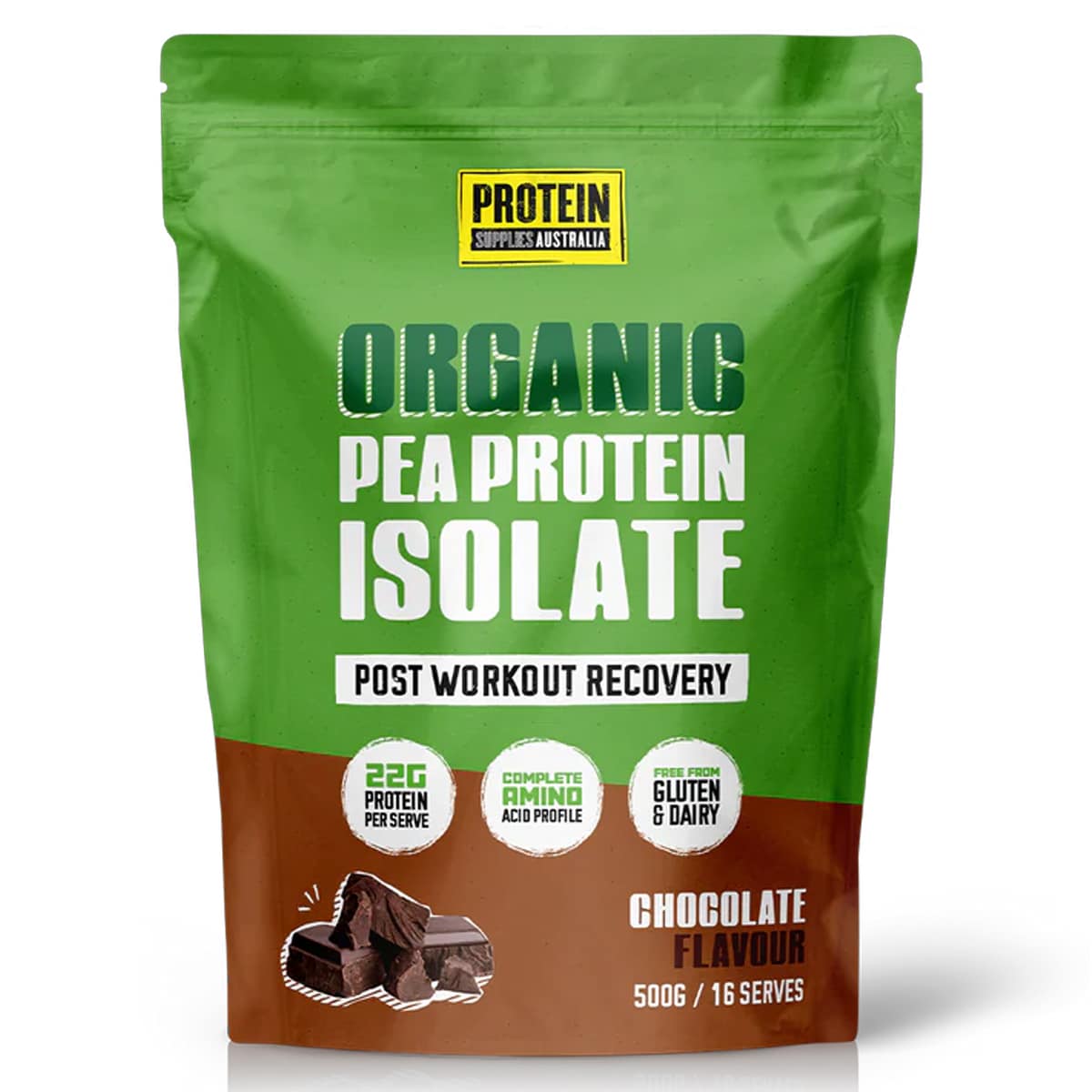
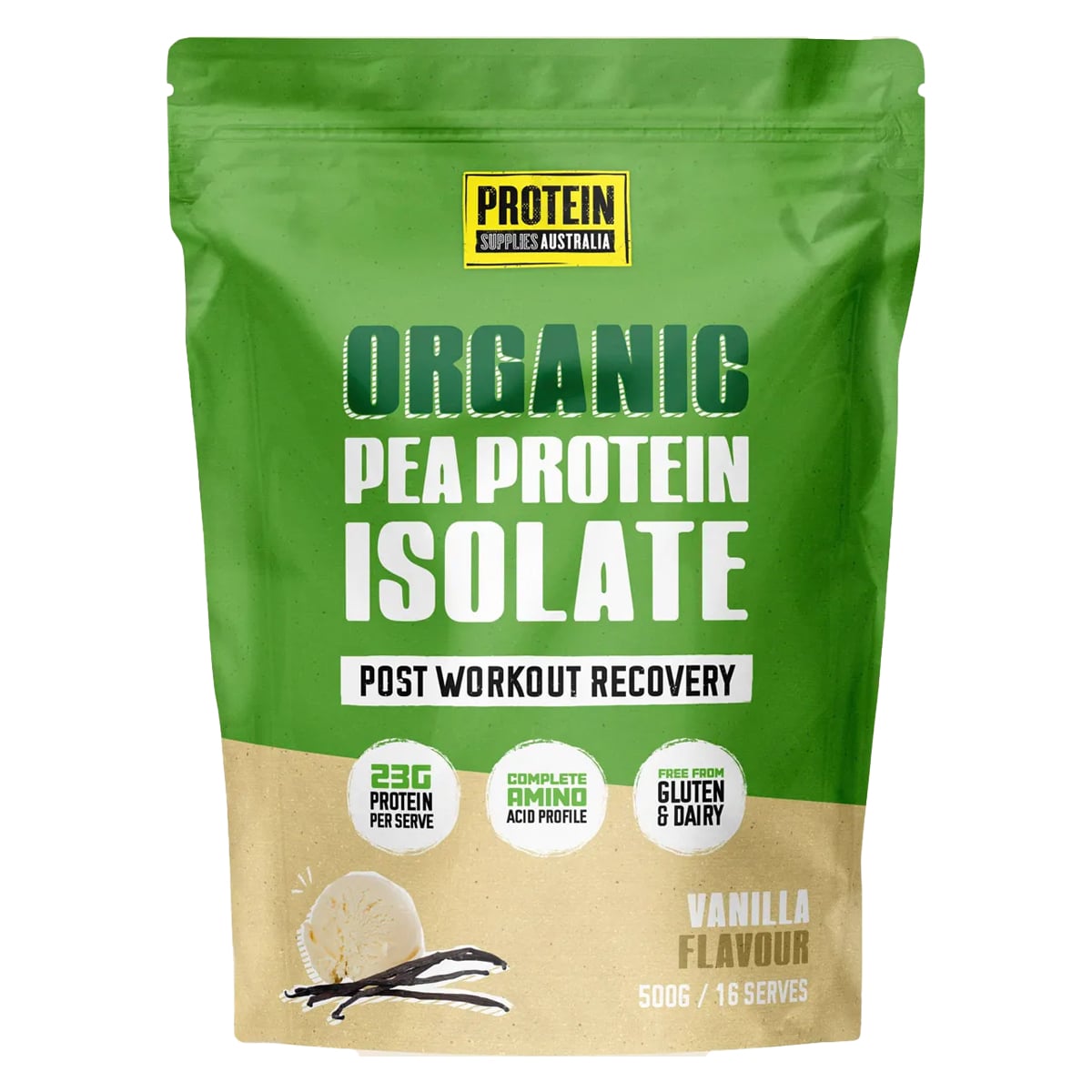
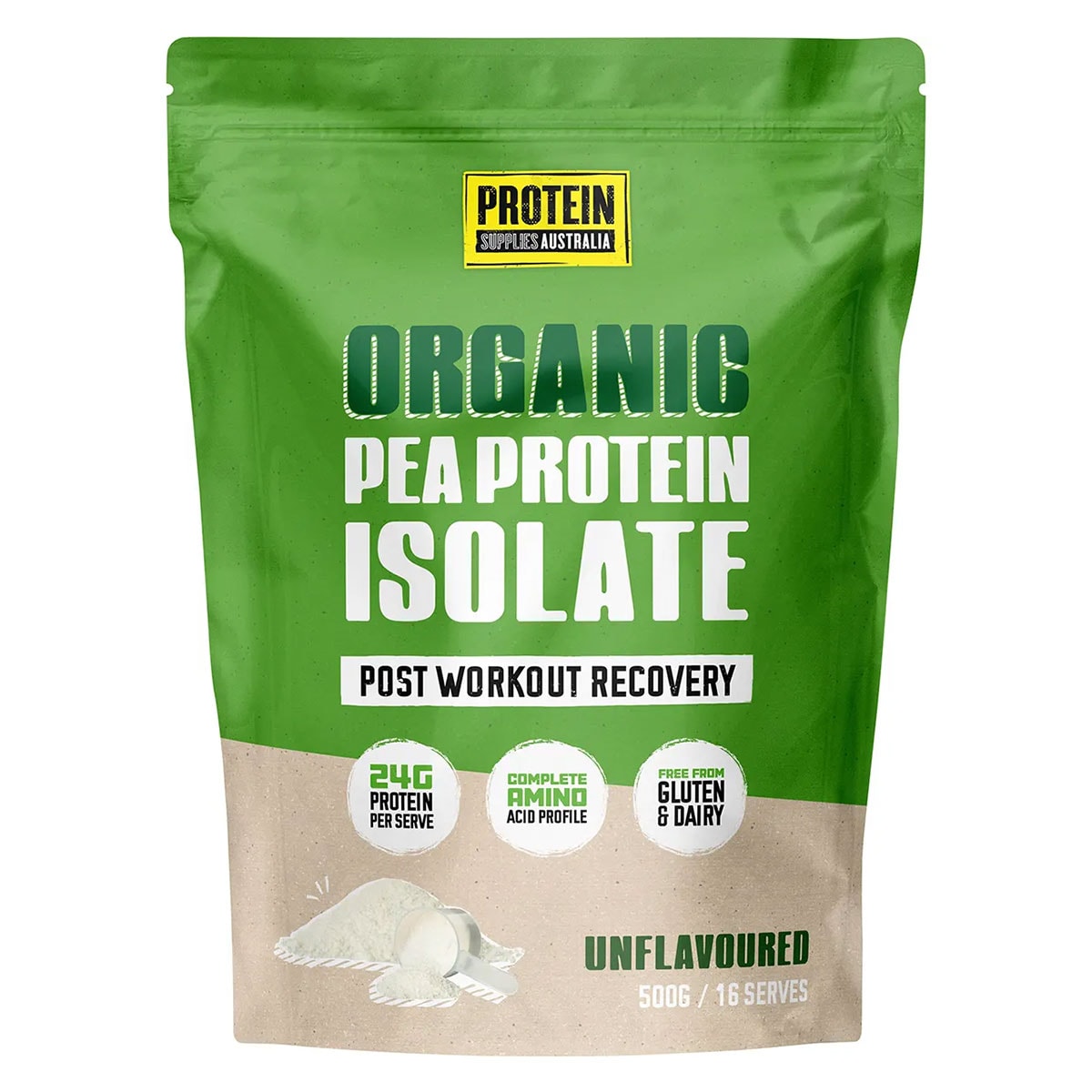
Plant-based (vegan) protein powder is described by Healthylife as an alternative to whey or casein proteins, suitable for vegans and vegetarians, and also potentially useful for people with allergies or intolerances. (Source: Healthylife – Vegan protein powders)
Healthylife also lists common plant-based options such as soy, pea and hemp proteins, noting rice protein is often mixed with other plant proteins to “complete its amino profile.” (Source: Healthylife – Protein powder supplements (category page))
How Plant-Based Protein Works in the Body
Myprotein explains that pea and rice proteins can be complementary proteins: pea protein is lower in methionine and higher in lysine, while rice protein is higher in methionine and lower in lysine, and combining them increases levels of both amino acids compared with either alone. (Source: Myprotein AU – Whey vs plant protein (complementary proteins))
Key Benefits: What the Evidence Says (from These Sources)
1) A practical way to increase protein intake without dairy
Myprotein describes vegan protein as a good option for people with allergies and intolerances and states it doesn’t contain any dairy, is “naturally gluten-free,” and “hypoallergenic” (as described on their page). It also states that a 25g serving provides between 18g and 20g of plant protein (as described on their page). (Source: Myprotein AU – Vegan protein in the lab)
2) Muscle support positioning (pea protein as a high-quality protein source)
Myprotein’s plant-based protein powders article states pea protein has been shown to be a high-quality protein source with evidence suggesting it can have the same effect on muscle mass as whey protein (as described on their page). (Source: Myprotein AU – Best plant-based protein powders)
3) Protein between meals (and “while you sleep” positioning)
Myprotein describes milk/casein powders as “packed with slow-releasing protein” that can help grow and maintain muscle between meals and even while you sleep. (This is included here as a comparison point because many people choosing plant-based proteins are comparing them with milk-based proteins.) (Source: Myprotein AU – Milk & casein category)
Whether plant-based protein provides the same “slow-release” properties as casein:Not specified on the source page.
Who Might Benefit Most
Vegans and vegetarians: Healthylife positions vegan protein as suitable for vegans and vegetarians. (Source: Healthylife – Vegan protein powders)
People who prefer dairy-free options: Musashi notes its Plant Protein contains no animal products and is positioned as ideal for vegetarians, vegans, or athletes with dairy intolerance (as described on their page). (Source: Musashi – Protein powders collection)
Athletes wanting a plant blend: Musashi describes its Plant Protein as a blend of pea, brown rice and chia proteins, positioned for athletes looking to maximise lean muscle and optimise recovery (as described on their product page). (Source: Musashi – Plant Protein)
Recommended Dosage and How to Take It
Exact dosage depends on the specific product and your protein goals. A universal “best dose” is Not specified on the source page. Use the serving size on your chosen product label.
Examples of per-serve nutrition from allowed sources:
Myprotein states a 25g serving of its vegan protein provides 18–20g of protein (as described on their page). (Source: Myprotein AU – Vegan protein in the lab)
Myprotein’s plant-based powders article states Pea Protein Isolate contains 21g of protein per scoop and 101kcals, and notes 3.5g fibre per serving (as described on their page). (Source: Myprotein AU – Best plant-based protein powders)
Best Time to Take Plant-Based Protein (Timing and With/Without Food)
True Protein’s vegan supplements guide states that taking a vegan-based protein powder within 15–30 minutes post workout kick-starts the recovery process and can help alleviate DOMS (as described on their page). (Source: True Protein – Vegan supplements & protein guide)
Whether you must take it within a specific window for results:Not specified on the source page.
Whether to take plant protein with or without food:Not specified on the source page.
True Protein describes “True Plant Protein” as a triple blend of yellow pea, faba bean and organic pumpkin seed proteins, and says it includes probiotics and digestive enzymes (as described on their page). (Source: True Protein – Plant Protein)
Musashi describes its Plant Protein as a blend of pea, brown rice and chia protein (as described on their page). (Source: Musashi – Plant Protein)
Universal checklist for purity/testing across all brands:Not specified on the source page.
Side Effects and Who Should Avoid It
Healthylife notes vegan protein may be a good alternative for those who suffer from allergies or intolerances (as described on their vegan protein page). (Source: Healthylife – Vegan protein powders)
Specific side effects, suitability for IBS/FODMAP sensitivity, pregnancy/breastfeeding guidance, and medical-condition exclusions:Not specified on the source page.
Drug and Supplement Interactions
Interactions for plant-based protein powders are Not specified on the source page.
True Protein’s article “The Benefits of a Plant-Based Protein Blend (Even if You’re Not Vegan)” explicitly positions plant-based protein blends as relevant even if you’re not vegan. (Source: True Protein – Plant protein blend benefits)
When should I take plant protein after training?
True Protein’s vegan supplements guide states that taking a vegan-based protein powder within 15–30 minutes post workout kick-starts recovery and can help alleviate DOMS (as described on their page). (Source: True Protein – Vegan supplements guide)
Important: This article is general information only and is not medical advice. All factual statements below come from the allowed merchant sources linked in the text. If a detail isn’t available on those pages, it is written exactly as: Not specified on the source page.
Vitamin C: Complete Guide to Its Benefits, Dosage & Sources Vitamin C: Complete Guide to Its Benefits, Dosage & Sources: health & fitness guide (realistic, label-first) Vitamin C: Complete Guide to Its Benefits, Dosage & Sources is listed as a Wellness supplement. This guide focuses on practical use in a health and fitness routine, without guessing ingredients or nutrition—always confirm…
Top 10 Protein Powders - Find The Most Popular Protein Products Top 10 Protein Powders - Find The Most Popular Protein Products: activewear-style guide (fit, comfort, and movement) Top 10 Protein Powders - Find The Most Popular Protein Products is listed as apparel. Here’s a practical guide to choosing fit, layering, and keeping it comfortable and durable for an active lifestyle.…
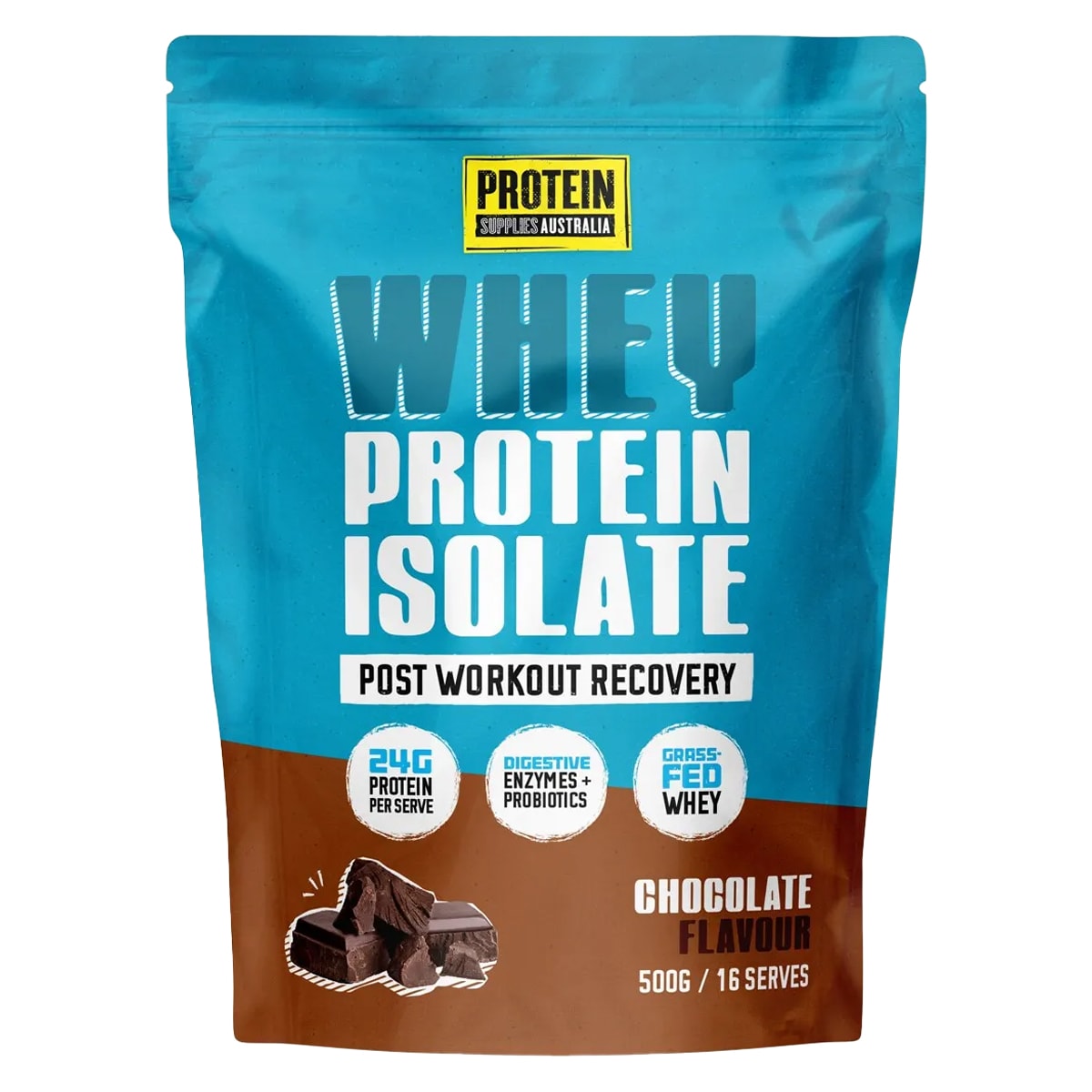
Protein Supplies Australia Whey Protein Isolate Peanut Butter 500g | Healthylife Protein Supplies Australia Whey Protein Isolate Peanut Butter 500g | Healthylife: health & fitness guide (realistic, label-first) Protein Supplies Australia Whey Protein Isolate Peanut Butter 500g | Healthylife is listed as a Protein supplement. This guide focuses on practical use in a health and fitness routine, without guessing ingredients or…
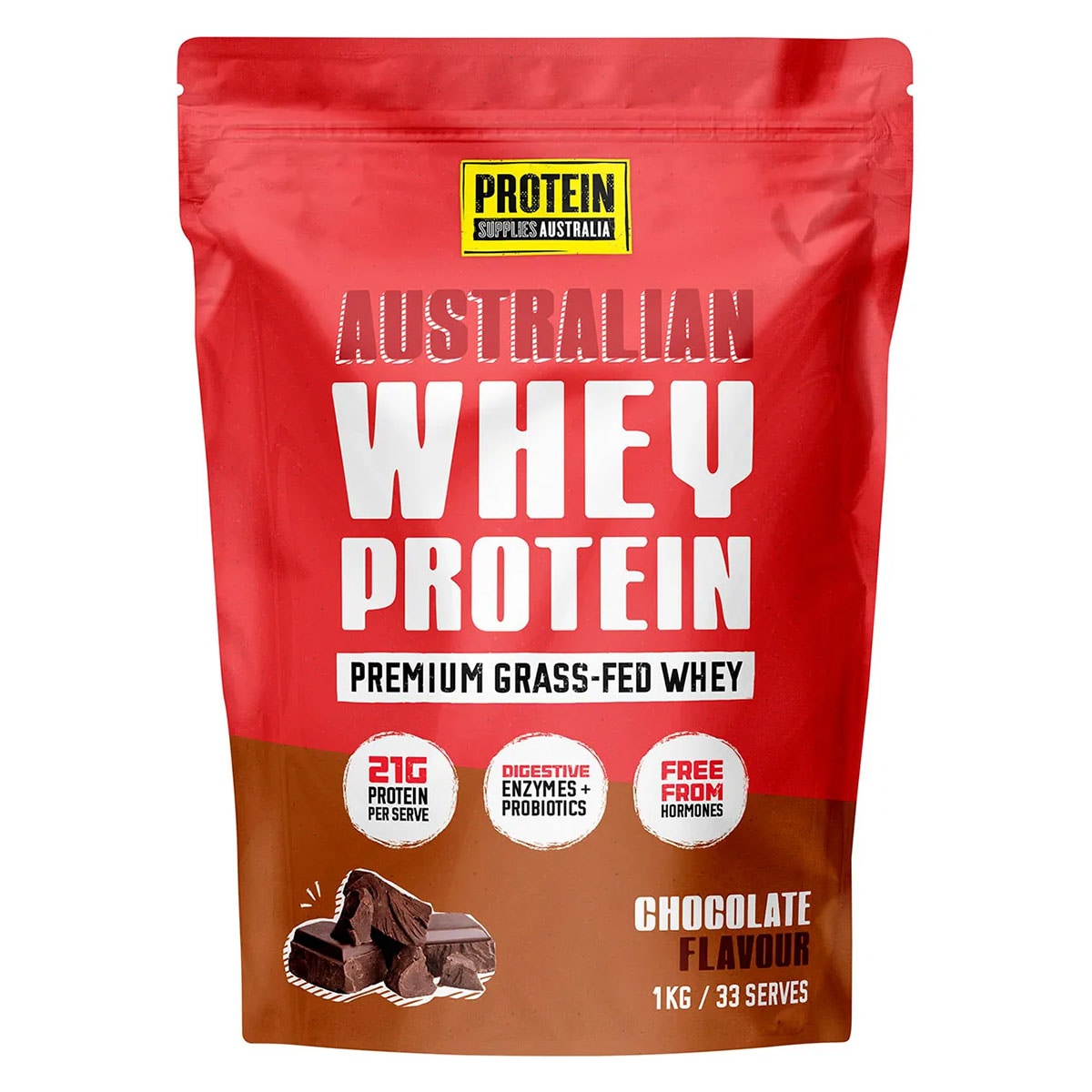
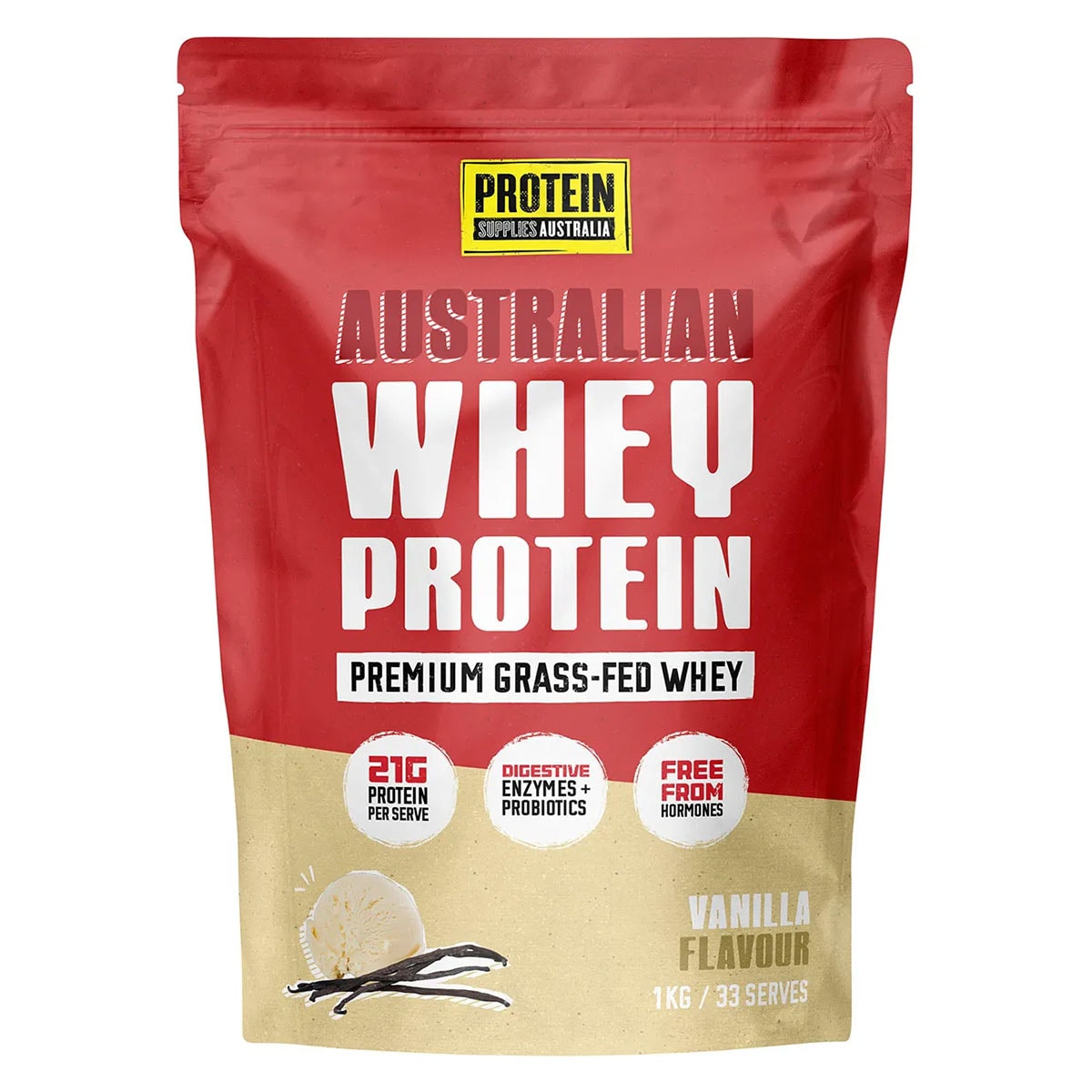
Protein Supplies Australia Whey Protein Powder Banana 500g | Healthylife Protein Supplies Australia Whey Protein Powder Banana 500g | Healthylife: health & fitness guide (realistic, label-first) Protein Supplies Australia Whey Protein Powder Banana 500g | Healthylife is listed as a Protein supplement. This guide focuses on practical use in a health and fitness routine, without guessing ingredients or nutrition—always confirm…
Protein Supplies Australia Whey Protein Isolate Banana 500g | Healthylife Protein Supplies Australia Whey Protein Isolate Banana 500g | Healthylife: health & fitness guide (realistic, label-first) Protein Supplies Australia Whey Protein Isolate Banana 500g | Healthylife is listed as a Protein supplement. This guide focuses on practical use in a health and fitness routine, without guessing ingredients or nutrition—always confirm…
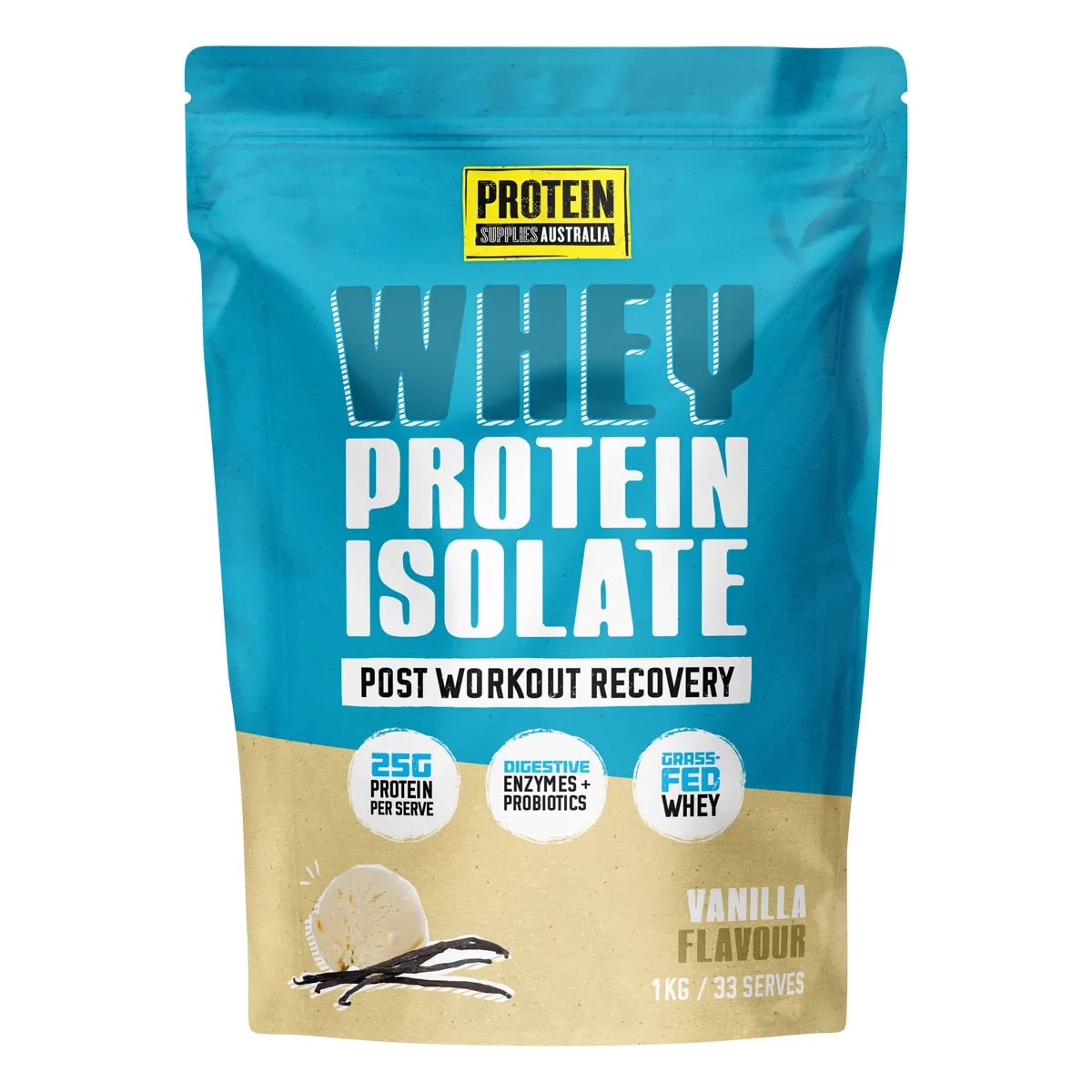
Protein Supplies Australia Whey Protein Isolate Chocolate 1kg | Healthylife Protein Supplies Australia Whey Protein Isolate Chocolate 1kg | Healthylife: health & fitness guide (realistic, label-first) Protein Supplies Australia Whey Protein Isolate Chocolate 1kg | Healthylife is listed as a Protein supplement. This guide focuses on practical use in a health and fitness routine, without guessing ingredients or nutrition—always confirm…