Here’s a clear, balanced, evidence-based article about Dandelion (and related supplements) — what research suggests, what remains uncertain, and how people commonly use it. I use “dandelion” to mean the plant generally (roots, leaves, teas or extracts).
🌿 What is Dandelion?
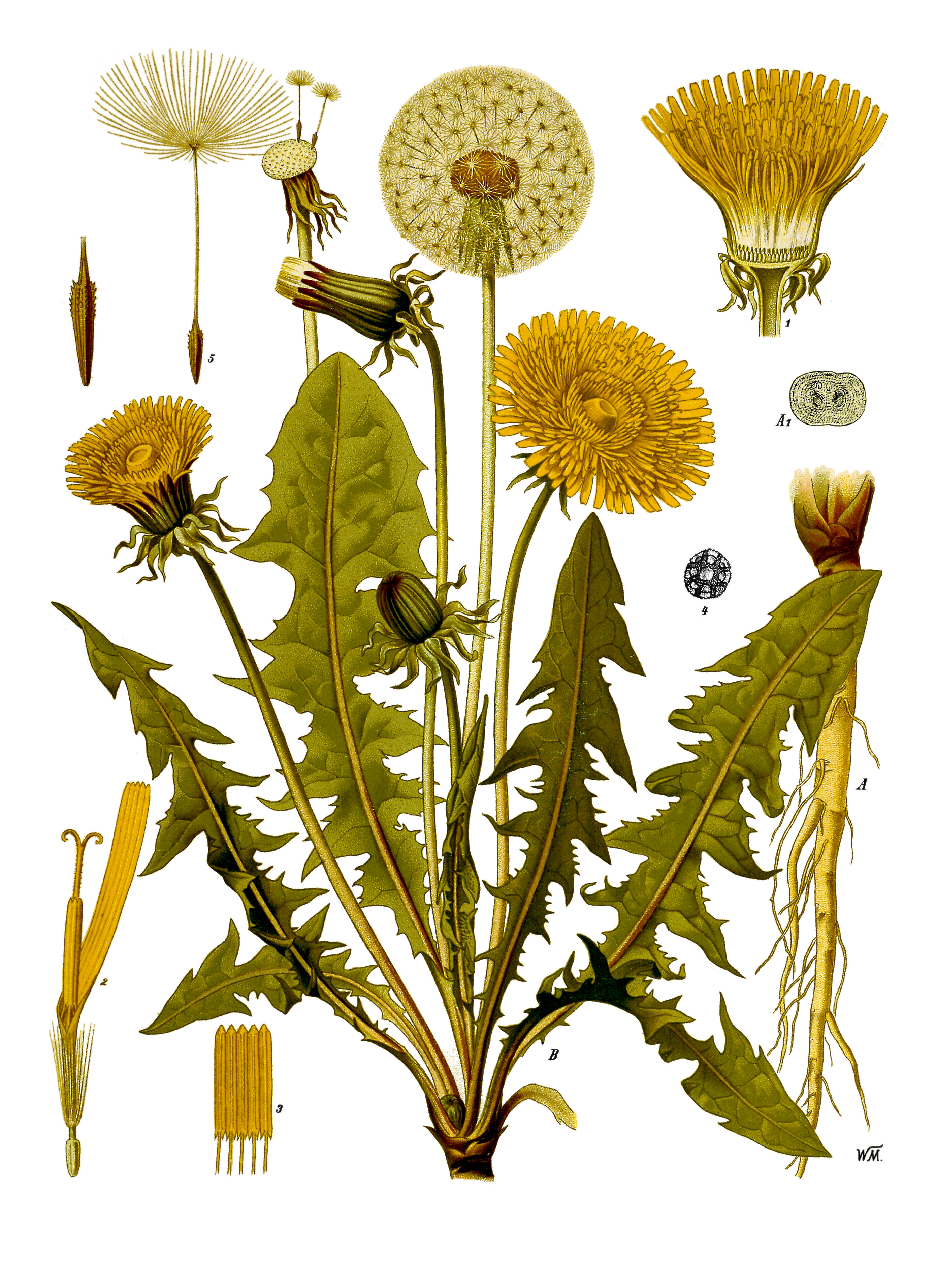
Dandelion (Latin: Taraxacum officinale) is a common flowering plant found worldwide. Every part — leaves, roots, flowers — has been used historically as food or herbal medicine. Wikipedia+2PeaceHealth+2
The leaves — often eaten raw in salads or cooked — contain minerals, fibre, vitamins and beneficial plant compounds. SpringerLink+1
The root is sometimes roasted or dried and used as a coffee substitute or turned into extracts, tinctures, teas or capsules. PMC+2PeaceHealth+2
Because of this nutrient and phytochemical content, dandelion has become popular as a “natural supplement,” often marketed to support digestion, liver health, detox, inflammation reduction and more.
✅ Potential Health Benefits of Dandelion (What Research Suggests)
Research on dandelion (leaf, root, extracts) is a mix of traditional use, animal and lab studies, and a few early human trials. Results are promising, but many claims still require larger, rigorous human research.
Here are the key areas where dandelion shows potential:
• Liver, Gallbladder & Digestive Support
Dandelion has been traditionally used to support digestion, stimulate bile flow, and aid in mild digestive problems. EBSCO+2PeaceHealth+2
Some data suggests dandelion may help manage gastrointestinal disorders such as dyspepsia, reflux, or mild gallbladder complaints. ScienceDirect+2PubMed+2
Its fibre/prebiotic components may support gut microbiome health and regularity. Healthline+1
• Antioxidant & Anti-Inflammatory Effects
Dandelion contains polyphenols, flavonoids, and other antioxidant compounds that help neutralise free radicals and may reduce oxidative stress. Dr. Axe+2Medical News Today+2
Some lab and animal studies show it can suppress inflammatory markers (e.g. TNF-α, IL-6), supporting general inflammation control. ResearchGate+2EBSCO+2
• Support for Liver Function & Detoxification
Because of its antioxidant and potential bile-stimulating effects, dandelion is often used in traditional medicine to support the liver’s detox function. PeaceHealth+2PMC+2
Animal studies have shown protective activity for the liver in cases of toxin exposure — though human data is limited. PMC+1
• Potential Metabolic & Blood Sugar Support
Some preliminary research suggests dandelion may influence lipid (fat) and carbohydrate metabolism — which could support healthy blood sugar and cholesterol levels. PMC+2SingleCare+2
Because of these effects, there’s interest in its role for metabolic health and possibly weight management, though evidence remains tentative. Medical News Today+1
• Mild Diuretic & Fluid Balance Effects
Dandelion has mild diuretic properties (promoting urine output), likely due to its potassium content — which may support fluid balance and blood pressure regulation in some individuals. Wikipedia+2PMC+2
For people with bloating or mild water retention, this diuretic effect might offer relief — though it’s not a replacement for medical diuretics when those are needed. PeaceHealth+1
• Nutrient Density — Vitamins, Minerals & Fiber
Dandelion leaves are a source of minerals (potassium, calcium, magnesium), vitamins, fibre, and antioxidants — making them a nutritious addition to a balanced diet. SpringerLink+2PMC+2
As a food (vs supplement), dandelion provides nutritional value without relying on highly processed products.
⚠️ Risks, Side Effects & Who Should Be Cautious
Dandelion is generally well tolerated — especially as a food. But like any supplement or herb, it’s not risk-free.
Allergies: People sensitive to ragweed, daisies, chrysanthemums or marigolds may react to dandelion (skin rash, hives, breathing issues). WebMD+1
Medication interactions: • Because dandelion may have mild diuretic or blood-thinning effects, those on anticoagulants, diuretics, diabetes medications, or blood pressure drugs should be cautious. NCCIH+2Peptiko.gr+2 • People with gallbladder disease or blocked bile ducts should avoid it, as dandelion may stimulate bile flow. EBSCO+1
Kidney issues or high potassium risk: Because of its potassium content and diuretic effects, those with kidney disease or impaired kidney function should avoid or use under medical supervision. Peptiko.gr+1
Pregnancy & Breastfeeding: There’s limited safety data, so many experts advise caution or avoidance during pregnancy and breastfeeding. NCCIH+1
Supplement regulation: As with many herbal supplements, quality can vary. Contaminants, incorrect dosages, or discrepancies can occur. It’s wise to choose third-party tested, reputable brands and consult a healthcare provider before use. Drugs.com+1
🧴 Common Forms of Dandelion Use (Food & Supplement)
Fresh leaves — eaten in salads, soups or cooked as greens
Dandelion tea — made from dried leaves or roots; often used for digestive or liver support
Dandelion root “coffee” — a caffeine-free coffee substitute made from roasted root
Capsules / tinctures / extracts — concentrated forms for ease of use
Fresh or dried root/leaf powders — added to teas, smoothies or meals
Dosage varies widely depending on form and purpose. For mild use (tea, food), typical intake is modest. For concentrated extracts or supplements, follow manufacturer or herbalist guidance and avoid excessive use.
🧠 Practical Why & When People Use Dandelion
People might include dandelion (food or supplement) in their routine when they’re after benefits such as:
Supporting liver and digestion (especially if they eat rich or heavy foods)
Encouraging healthy bile flow / gallbladder function
Supporting antioxidant intake and reducing inflammation
Helping mild fluid retention or bloating
Supporting overall mineral & micronutrient intake (via leaves)
Offering a gentle, natural prebiotic + fibre boost for gut health
Dandelion is not a “magic cure” — but as part of a balanced diet and healthy lifestyle, it can be a supportive, gentle herbal tool.
📌 Summary: Is Dandelion Worth Considering?
Yes — dandelion can offer a range of gentle, supportive health benefits when used wisely and safely:
Good for digestion, liver health, and mild detox support.
Provides antioxidants, fibre, and minerals when consumed as food.
Offers potential metabolic, anti-inflammatory and gut-health support.
Generally well tolerated — but not free of risks or interactions, especially for people with allergies, gallbladder/kidney issues, or on certain medications.
If you do try it, treat it like any supplement: start low, monitor how you feel, ensure good hydration, and consult your healthcare provider if you have existing health conditions or take medications.
Most popular products
Nature's Sunshine Dandelion Nature's Sunshine Dandelion: health & fitness guide (realistic, label-first) Nature's Sunshine Dandelion is listed as a Health & fitness product. This guide focuses on practical use in a health and fitness routine, without guessing ingredients or nutrition—always confirm those on the product label. Price (at time of import): $36.14 View…
Health Supplement - Superb Quality Health Supplements Online Health Supplement - Superb Quality Health Supplements Online: health & fitness guide (realistic, label-first) Health Supplement - Superb Quality Health Supplements Online is listed as a Health & fitness product. This guide focuses on practical use in a health and fitness routine, without guessing ingredients or nutrition—always confirm those on…
Cabot Health Breast Health Cabot Health Breast Health: health & fitness guide (realistic, label-first) Cabot Health Breast Health is listed as a Health & fitness product. This guide focuses on practical use in a health and fitness routine, without guessing ingredients or nutrition—always confirm those on the product label. Price (at time of import):…
Cabot Health Thyroid Health Cabot Health Thyroid Health: health & fitness guide (realistic, label-first) Cabot Health Thyroid Health is listed as a Health & fitness product. This guide focuses on practical use in a health and fitness routine, without guessing ingredients or nutrition—always confirm those on the product label. Price (at time of import):…
Vitamin C: Complete Guide to Its Benefits, Dosage & Sources Vitamin C: Complete Guide to Its Benefits, Dosage & Sources: health & fitness guide (realistic, label-first) Vitamin C: Complete Guide to Its Benefits, Dosage & Sources is listed as a Wellness supplement. This guide focuses on practical use in a health and fitness routine, without guessing ingredients or nutrition—always confirm…
Vitamins and Supplements for Men's Health Vitamins and Supplements for Men's Health: a realistic guide for health, training, and recovery Vitamins and Supplements for Men's Health is listed as a Micronutrient supplement. This is a practical, label-first guide to how products in this category are commonly used, what to look for, and how to fit it…