Amino Acids
Amino Acids for Training, Recovery & Active Living
Discover amino acid supplements, including essential amino acid (EAA) blends, branched-chain amino acids (BCAAs), L-carnitine and workout-focused formulas. Compare ingredients, formats and serving sizes to find an option that fits your nutrition and training routine.
Amino acids are the building blocks of protein, but not every supplement serves the same purpose. Total dietary protein, consistent exercise and good recovery habits remain the foundation.
Shop Amino Acid ProductsExplore Amino Acid Supplements
Essential Amino Acids (EAAs)
Blends containing essential amino acids the body cannot produce itself. The exact amounts and ratios vary by product.
BCAAs
Leucine, isoleucine and valine are three essential amino acids often marketed for workout routines. They do not replace a complete protein source.
L-Carnitine
Found in dedicated products and performance blends. Evidence for body-weight or performance benefits is mixed and depends on the context.
Amino & Electrolyte Blends
Convenient powders combining amino acids with electrolytes, especially for people who prefer a flavoured workout drink.
Showing all 11 resultsSorted by latest
-
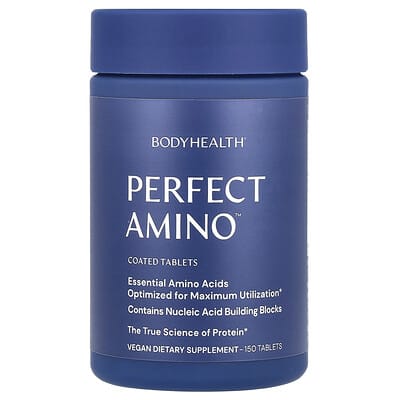
BodyHealth, Perfect Amino™, 150 Coated Tablets
$87.59 Read more at iherb.com -

Healthwise GABA Gamma Amino Butyric Acid Powder
$24.94 Read more at healthsupplements.com.au -

L Carnitine Amino Acid Powder
£37.99 Read more at myprotein.com -

THE EAA | Essential Amino Acid & Electrolyte Powder
£30.49 Read more at myprotein.com -

ATP Science Amino+ Amino & Electrolyte Blend Tropical Punch 375g | Healthylife
Read more at healthylife.com.au -
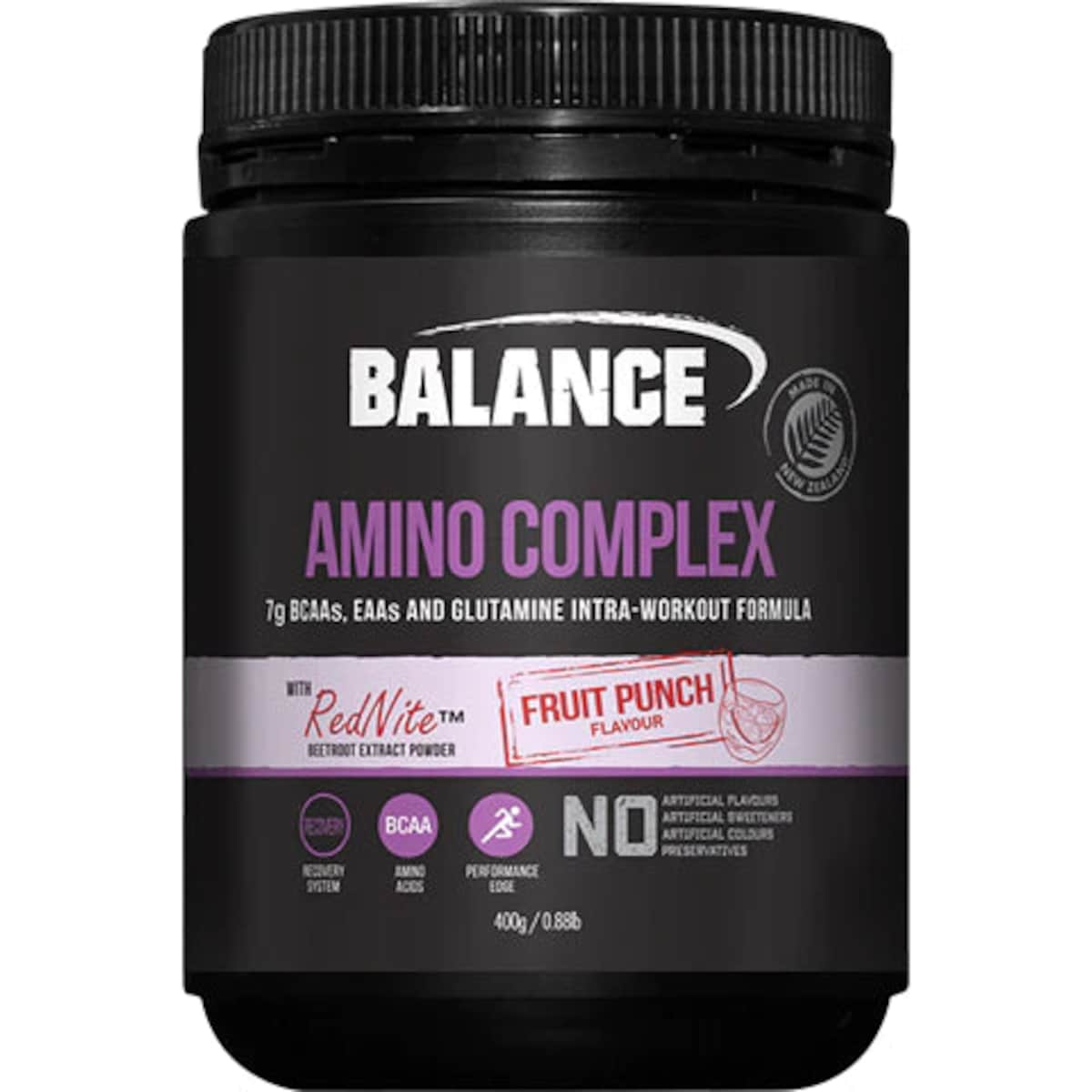
Balance Amino Complex Fruit Punch 400g | Healthylife
Read more at healthylife.com.au -
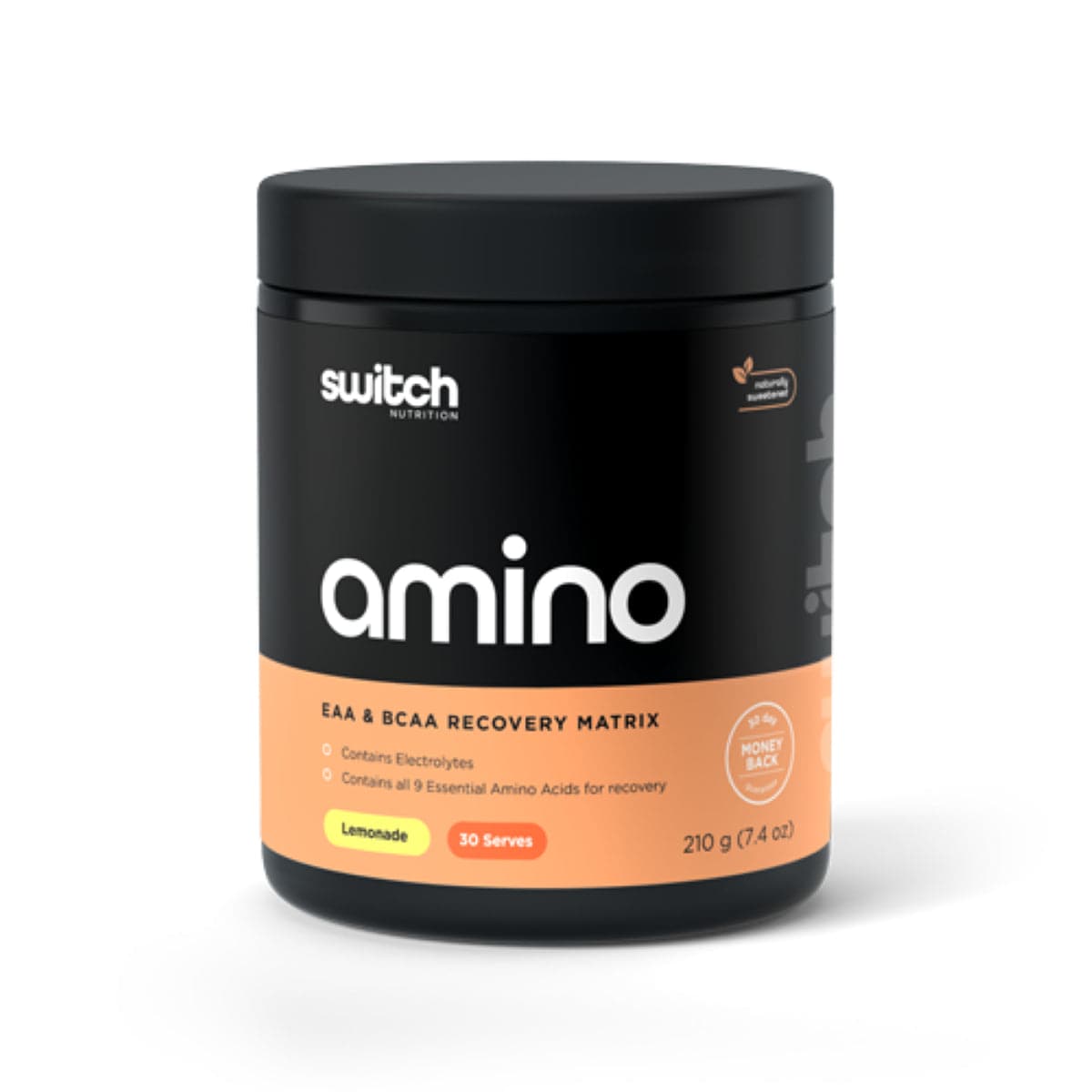
Switch Nutrition Amino EAA + BCAA Recovery Matrix Lemonade 210g | Healthylife
Read more at healthylife.com.au -
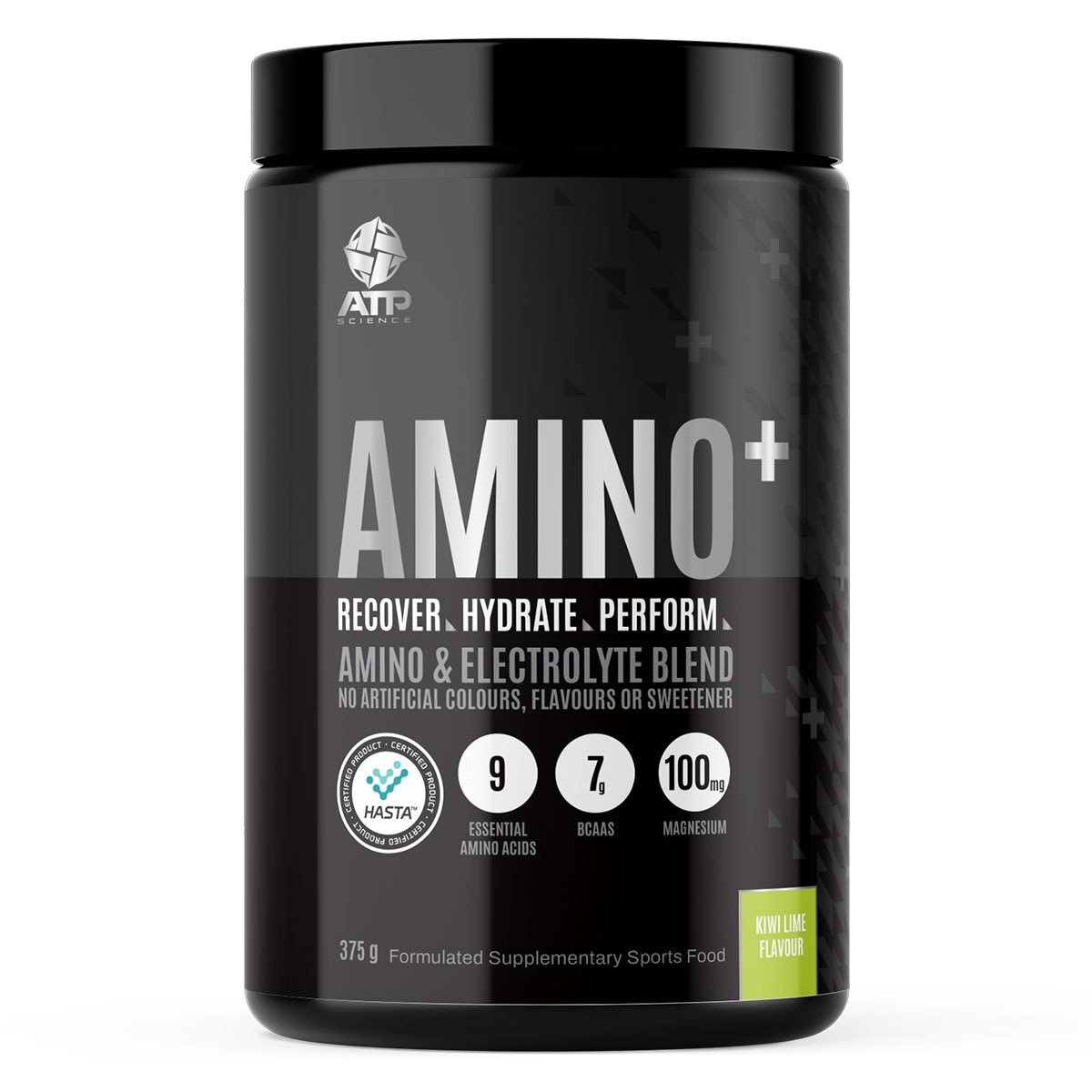
ATP Science Amino+ Amino & Electrolyte Blend Kiwi Lime 375g | Healthylife
Read more at healthylife.com.au -
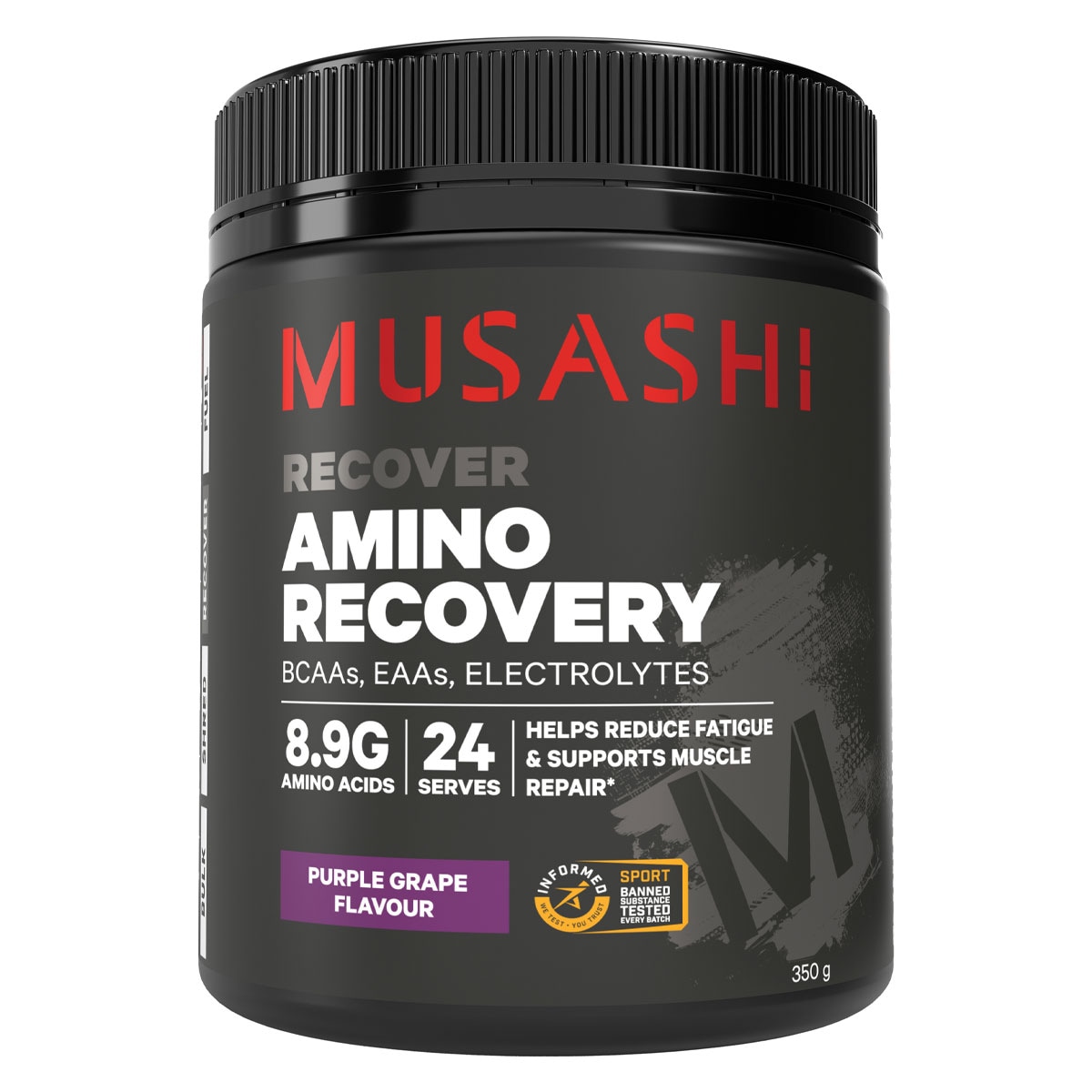
Musashi Amino Recovery Powder Purple Grape 350g | Healthylife
Read more at healthylife.com.au -
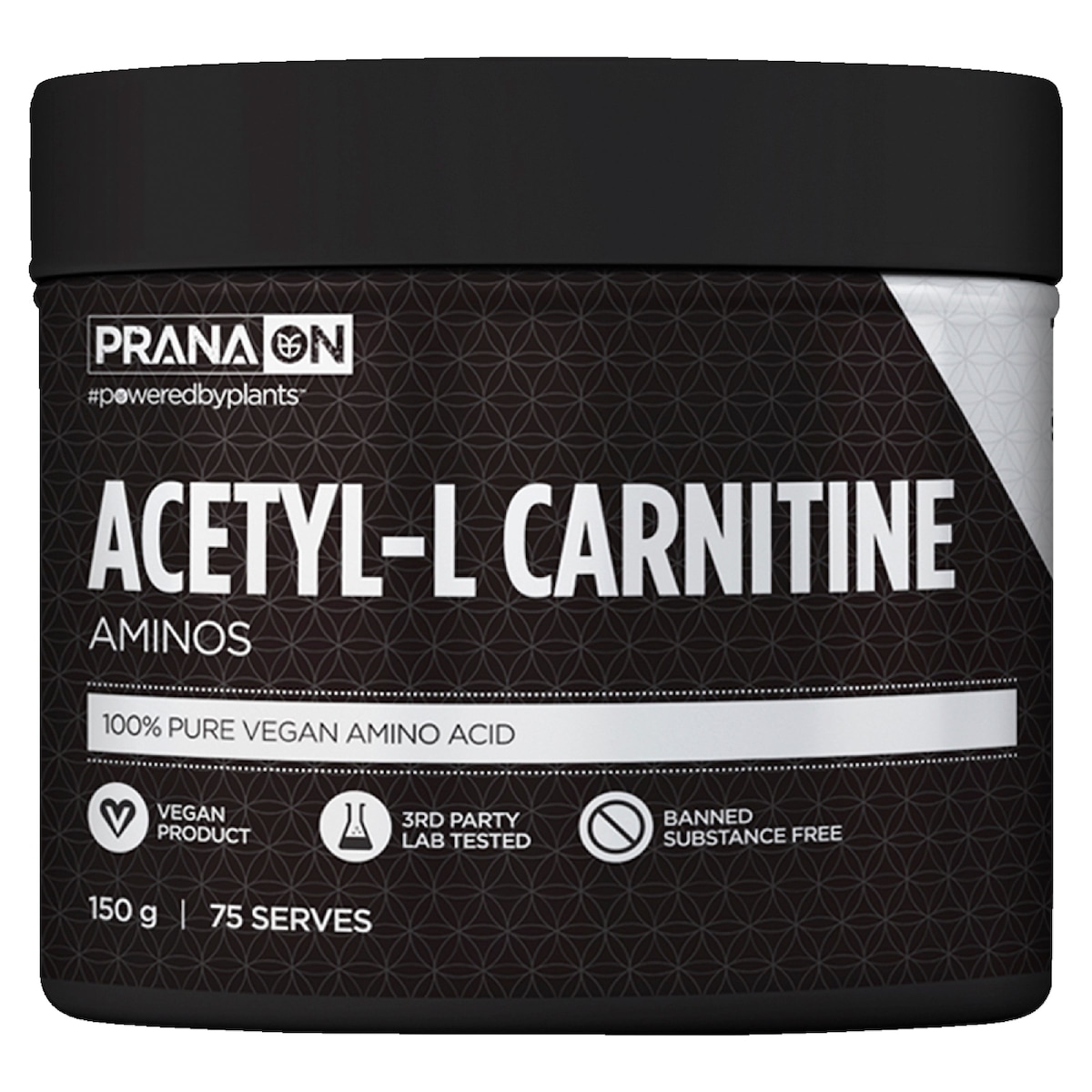
Pranaon Amino L-Carnitine 150g | Healthylife
Read more at healthylife.com.au -

Musashi Amino Recovery Powder Watermelon 350g | Healthylife
Read more at healthylife.com.au
How to Choose an Amino Acid Supplement
Start with your goal and your current food intake. If you already eat enough high-quality protein, additional amino acids may offer little benefit. When comparing products, review the amount of each active ingredient per serve rather than relying only on prominent label claims.
| Supplement type | What to know before buying |
|---|---|
| EAAs | Provide all nine essential amino acids when the formula is complete; look at the amount per serving. |
| BCAAs | Contain only three essential amino acids; alone they cannot provide all the building blocks needed for new muscle protein. |
| L-Carnitine | Marketed for metabolism and exercise, but results in studies vary. Do not assume it produces meaningful fat loss. |
| Recovery / electrolyte blends | Check amino acid amounts, sodium, added sugar, caffeine and other ingredients. |
Powders, Tablets or Capsules?
Powders can be convenient for mixing into water and comparing cost per serve. Capsules and tablets may suit travel and people who prefer not to mix drinks. Check serving sizes: one scoop or a few capsules may provide very different quantities across products.
What Matters Most for Muscle Recovery?
Consistent resistance training, adequate total protein, sufficient food, hydration and sleep are generally more important than adding a specialist amino acid product. A balanced protein source usually supplies the amino acids needed for muscle maintenance and repair.
Frequently Asked Questions
What is the difference between EAAs and BCAAs?
EAAs refers to all nine essential amino acids. BCAAs are a subset of three: leucine, isoleucine and valine. For muscle protein synthesis, all essential amino acids are required.
Do I need amino acids if I already use protein powder?
Often not. Complete protein powder normally provides the essential amino acids. Whether a separate product helps depends on your overall diet and specific needs.
Should I take amino acids before or after exercise?
There is no single best time for everyone. Meeting overall daily protein needs is usually more important than precisely timing a supplement.
Are amino acid supplements safe for everyone?
No. Some products contain additional stimulants or other active ingredients. Speak with a healthcare professional if you have medical conditions, take medicines, are pregnant or breastfeeding, or plan to use high doses.
Learn More
Read our practical guide to amino acids for training and recovery for more information about supplement options and how they fit into a fitness routine.
Affiliate disclosure: OntoFitness may earn a commission if you purchase through retailer links. Existing product links and tracking are not modified by this plugin.
Health disclaimer: This is general education, not personalised medical advice. Supplements should not replace a balanced diet or prescribed treatment. Consult a clinician or pharmacist for individual advice about interactions and suitability.