Protein powder is one of the most common supplements in health and fitness, but it is also one of the most misunderstood. At its core, protein powder is simply a convenient way to increase protein intake. Its main use is not to magically build muscle on its own, but to help people meet their daily protein needs when food alone is not practical, sufficient, or convenient. :contentReference[oaicite:0]{index=0}
That makes protein powder useful for gym-goers, athletes, busy adults, older people trying to maintain muscle, and anyone struggling to hit protein targets through meals alone. It is a supplement, not a replacement for a good diet. The real value is convenience, consistency, and helping support recovery, muscle maintenance, and muscle growth when it fits into a well-structured eating plan. :contentReference[oaicite:1]{index=1}
What Protein Is Actually Used For in the Body
Protein is essential for building, repairing, and maintaining body tissues. It provides amino acids that the body uses to support muscle tissue, enzymes, hormones, immune function, and many other structural and metabolic roles. In fitness terms, protein is especially relevant for muscle repair and remodelling after exercise. :contentReference[oaicite:2]{index=2}
This is why protein matters whether you lift weights or not. Strength trainers often focus on it because muscle adaptation is such an obvious benefit, but adequate protein intake also matters during ageing, injury recovery, weight loss, illness, and periods of reduced appetite. :contentReference[oaicite:3]{index=3}
What Protein Powder Is Used For
1. Meeting Daily Protein Needs More Easily
The most practical use of protein powder is helping people reach their daily protein intake target. Many people simply do not eat enough protein-rich foods consistently, especially at breakfast or after exercise. A scoop of protein powder can be an easy way to close that gap. :contentReference[oaicite:4]{index=4}
2. Supporting Muscle Growth with Resistance Training
Protein powder is often used to support muscle growth, but the important caveat is that it works best when combined with resistance training and adequate total daily protein intake. The powder itself is not the magic. It is the extra protein helping support muscle protein synthesis within a training program that matters. :contentReference[oaicite:5]{index=5}
3. Supporting Recovery After Exercise
Protein powder is commonly used after training because protein intake after exercise helps support muscle repair and recovery. It is especially practical when a full meal is not available soon after a workout, though the overall daily intake still matters more than obsessing over a narrow anabolic window. :contentReference[oaicite:6]{index=6}
4. Helping Preserve Muscle During Weight Loss
When people reduce calories to lose weight, protein becomes more important because it helps support satiety and preserve lean mass. Protein powder can be a convenient way to keep protein intake up while overall calories are lower. :contentReference[oaicite:7]{index=7}
5. Supporting Healthy Ageing
Older adults often need to pay more attention to protein because appetite, food intake, and muscle mass can decline with age. Protein powders can be useful here because they are quick, easy to consume, and can help support muscle maintenance when regular meals are not enough. :contentReference[oaicite:8]{index=8}
What Protein Powder Is Not
Protein powder is useful, but it is also overmarketed. It is not a steroid, not a meal-quality upgrade by itself, and not something every person needs. If you already get enough protein from normal meals, adding protein powder may offer little extra benefit. :contentReference[oaicite:9]{index=9}
It is also not automatically a weight-loss product. Some protein powders fit well into weight-loss diets, but many shakes and “mass gainer” products are calorie-dense. The label matters. :contentReference[oaicite:10]{index=10}
Do You Need Protein Powder to Build Muscle?
No. You can build muscle perfectly well using ordinary foods such as dairy, eggs, fish, meat, tofu, soy foods, beans, and lentils. Protein powder is mainly a convenience tool. It helps when eating enough protein-rich food every day is difficult, but it is not mandatory for muscle gain. :contentReference[oaicite:11]{index=11}
This is worth repeating because marketing often makes protein powder seem essential. It is not essential. It is simply efficient. :contentReference[oaicite:12]{index=12}
Who Might Benefit Most from Protein Powder?
People doing regular resistance training
Athletes with higher protein needs
Busy adults who miss meals or eat low-protein breakfasts
Older adults trying to maintain muscle
Vegetarians or vegans who want an easy protein boost
People dieting who want help hitting protein targets without a large meal volume :contentReference[oaicite:13]{index=13}
Whey, Casein, Soy, Pea and Plant Blends: What’s the Difference?
Protein powders come from different sources. Common types include whey, casein, soy, pea, hemp, egg, and mixed plant blends. Harvard notes that powders can come from milk, eggs, and many plant sources, and blends are common in vegan products. :contentReference[oaicite:14]{index=14}
Whey protein: a milk-derived protein that is popular for post-workout use because it is digested relatively quickly. :contentReference[oaicite:15]{index=15}
Casein protein: another milk protein, digested more slowly than whey. :contentReference[oaicite:16]{index=16}
Soy protein: a plant protein considered complete because it contains all nine essential amino acids. :contentReference[oaicite:17]{index=17}
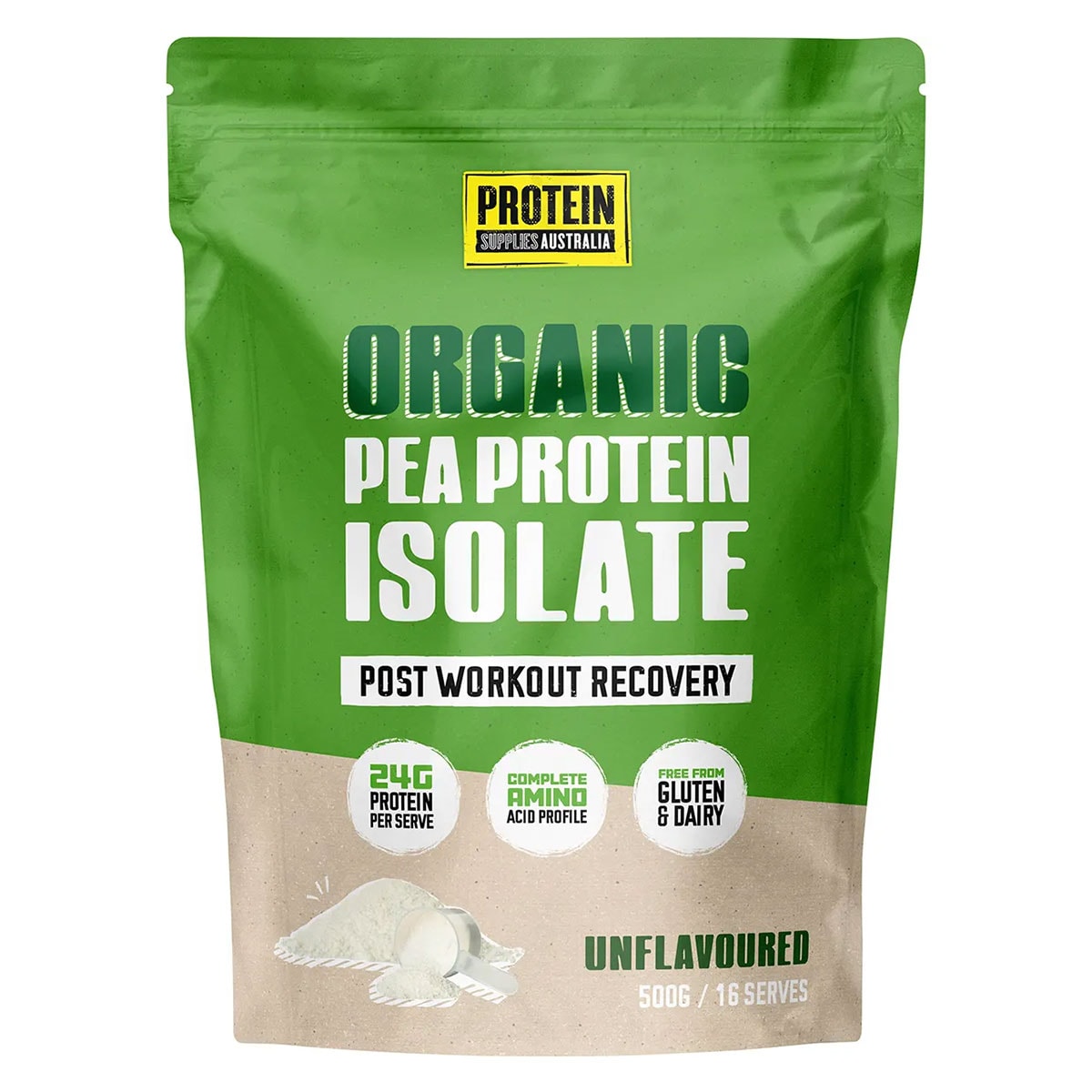
Pea and plant blends: useful dairy-free options; blends can help provide a broader amino acid profile. :contentReference[oaicite:18]{index=18}
For most people, the “best” protein powder is the one that fits their digestion, budget, dietary pattern, and total protein needs. Brand hype matters less than protein content, ingredient quality, tolerance, and whether you actually use it consistently. :contentReference[oaicite:19]{index=19}
How Much Protein Do People Usually Need?
Protein needs depend on age, size, activity, training goals, and whether someone is dieting, recovering, or trying to build muscle. General healthy-eating guidance is lower than sports-nutrition guidance, while active people often aim higher to support training adaptation and lean mass retention. The ISSN position stand supports higher protein intakes for exercising individuals than basic minimum requirements, particularly during training or calorie restriction. :contentReference[oaicite:20]{index=20}
That is one reason protein powder is popular in fitness: it helps active people hit higher practical intakes without having to cook another full meal. :contentReference[oaicite:21]{index=21}
When Is Protein Powder Most Useful?
Protein powder is most useful when convenience matters. That might be after training, during travel, on a busy morning, when appetite is poor, or when someone has trouble eating enough whole-food protein. It can also be handy in smoothies, oats, yoghurt bowls, or higher-protein snacks. :contentReference[oaicite:22]{index=22}
What matters most is not whether it is taken at the “perfect” time, but whether total daily protein intake is adequate and spread sensibly across the day. :contentReference[oaicite:23]{index=23}
Is Protein Powder Safe?
For most healthy adults, protein powder is generally safe when used in reasonable amounts as part of an overall balanced diet. But it is still a dietary supplement, and that matters. Harvard notes that protein powders are supplements and are not reviewed by the FDA for safety or effectiveness before sale, so product quality can vary. :contentReference[oaicite:24]{index=24}
This does not mean protein powders are inherently dangerous. It means shoppers should be sensible: read the label, check the ingredient list, watch out for unnecessary extras, and be cautious with products making extreme claims. :contentReference[oaicite:25]{index=25}
Who Should Be More Careful with Protein Powder?
Extra caution makes sense if you have kidney disease, a diagnosed metabolic condition affecting protein handling, severe food allergies, or digestive issues triggered by dairy, sweeteners, or certain additives. People with medical conditions should check with a doctor or dietitian before using high-protein supplements regularly. :contentReference[oaicite:26]{index=26}
It is also worth watching for lactose intolerance with some whey concentrates, and for added sugars, caffeine, herbal stimulants, or vitamin mega-doses in “all-in-one” powders that are sold as performance blends rather than plain protein. :contentReference[oaicite:27]{index=27}
Can Protein Powder Replace Meals?
It can fill a gap, but it should not routinely replace the quality of a well-balanced meal. Whole foods provide more than protein alone. They also supply fibre, vitamins, minerals, healthy fats, and a wider nutrient mix. Protein powder works best as a supplement to a strong diet, not as a long-term substitute for real food. :contentReference[oaicite:28]{index=28}
Protein Powder Myths That Need Clearing Up
“Protein powder builds muscle by itself”
No. Muscle growth depends on training stimulus, total diet, recovery, and adequate protein intake. The powder is just one practical way to help meet that intake. :contentReference[oaicite:29]{index=29}
“More protein is always better”
Not necessarily. Once protein needs are comfortably met, adding much more may offer little extra benefit for many people. :contentReference[oaicite:30]{index=30}
“Plant protein is inferior”
Not automatically. Soy is a complete protein, and a varied intake of plant foods or a good plant-protein blend can work well for many people. :contentReference[oaicite:31]{index=31}
“You need a shake immediately after every workout”
Post-workout protein can be useful, but total daily intake matters more than obsessing over a tiny timing window. :contentReference[oaicite:32]{index=32}
The Bottom Line on Protein Powder
Protein powder is mainly used to help people increase protein intake in a convenient way. Its most useful roles are supporting muscle growth with resistance training, helping recovery after exercise, preserving lean mass during weight loss, and making it easier to meet protein needs when real-life schedules get in the way. :contentReference[oaicite:33]{index=33}
It is not essential for everyone, and it is not better than whole food by default. But when used for the right reason, in the right amount, it can be one of the more practical and sensible supplements in the fitness world. :contentReference[oaicite:34]{index=34}
Quick Takeaways
Protein powder is mainly used to help people meet daily protein needs. :contentReference[oaicite:35]{index=35}
It can support muscle growth and recovery when combined with resistance training and adequate total protein intake. :contentReference[oaicite:36]{index=36}
It is useful for older adults, active people, busy people, and those struggling to get enough protein from food alone. :contentReference[oaicite:37]{index=37}
It is a convenience supplement, not a requirement for muscle gain. :contentReference[oaicite:38]{index=38}
Whey, soy, pea, and plant blends can all be useful depending on your needs and preferences. :contentReference[oaicite:39]{index=39}
Choose products carefully because supplements are not pre-approved for safety or effectiveness before sale. :contentReference[oaicite:40]{index=40}
Frequently Asked Questions
What is protein powder mainly used for?
Protein powder is mainly used to help people increase their daily protein intake in a convenient way. :contentReference[oaicite:41]{index=41}
Do you need protein powder to build muscle?
No. You can build muscle with ordinary protein-rich foods. Protein powder is mainly a convenience option. :contentReference[oaicite:42]{index=42}
Is whey better than plant protein?
Not for everyone. Whey is popular and effective, but soy and blended plant proteins can also work well depending on dietary preferences and total intake. :contentReference[oaicite:43]{index=43}
Can protein powder help with weight loss?
It can help support satiety and lean mass retention during calorie reduction, but it is not automatically a fat-loss product. :contentReference[oaicite:44]{index=44}
Is protein powder safe every day?
For most healthy adults, it is generally safe in reasonable amounts, but product quality varies and some people need medical advice first. :contentReference[oaicite:45]{index=45}
Can protein powder replace meals?
It can fill gaps, but it should not routinely replace the broader nutrition of balanced meals built from whole foods. :contentReference[oaicite:46]{index=46}
Medical note: This article is for general education only and does not replace medical advice. If you have kidney disease, a metabolic disorder, severe allergies, or ongoing digestive symptoms, speak with your doctor or dietitian before using protein powders regularly.
Most popular sponsored products
Protein Supplies Australia Whey Protein Powder Banana 500g | Healthylife Protein Supplies Australia Whey Protein Powder Banana 500g | Healthylife: health & fitness guide (realistic, label-first) Protein Supplies Australia Whey Protein Powder Banana 500g | Healthylife is listed as a Protein supplement. This guide focuses on practical use in a health and fitness routine, without guessing ingredients or nutrition—always confirm…
Protein Supplies Australia Whey Protein Powder Choc Peanut Butter 500g | Healthylife Protein Supplies Australia Whey Protein Powder Choc Peanut Butter 500g | Healthylife: health & fitness guide (realistic, label-first) Protein Supplies Australia Whey Protein Powder Choc Peanut Butter 500g | Healthylife is listed as a Protein supplement. This guide focuses on practical use in a health and fitness routine, without guessing…
Protein Supplies Australia Whey Protein Powder Chocolate 1kg | Healthylife Protein Supplies Australia Whey Protein Powder Chocolate 1kg | Healthylife: health & fitness guide (realistic, label-first) Protein Supplies Australia Whey Protein Powder Chocolate 1kg | Healthylife is listed as a Protein supplement. This guide focuses on practical use in a health and fitness routine, without guessing ingredients or nutrition—always confirm…
Protein Supplies Australia Whey Protein Powder Vanilla 1kg | Healthylife Protein Supplies Australia Whey Protein Powder Vanilla 1kg | Healthylife: health & fitness guide (realistic, label-first) Protein Supplies Australia Whey Protein Powder Vanilla 1kg | Healthylife is listed as a Protein supplement. This guide focuses on practical use in a health and fitness routine, without guessing ingredients or nutrition—always confirm…
Protein Supplies Australia 360 Whey Protein Powder Chocolate 1kg | Healthylife Protein Supplies Australia 360 Whey Protein Powder Chocolate 1kg | Healthylife: health & fitness guide (realistic, label-first) Protein Supplies Australia 360 Whey Protein Powder Chocolate 1kg | Healthylife is listed as a Protein supplement. This guide focuses on practical use in a health and fitness routine, without guessing ingredients or…
Protein Supplies Australia 360 Whey Protein Powder Vanilla Bean 1kg | Healthylife Protein Supplies Australia 360 Whey Protein Powder Vanilla Bean 1kg | Healthylife: health & fitness guide (realistic, label-first) Protein Supplies Australia 360 Whey Protein Powder Vanilla Bean 1kg | Healthylife is listed as a Protein supplement. This guide focuses on practical use in a health and fitness routine, without guessing…
Quick take: iHerb makes it easy to browse supplements, protein, wellness products, and healthy pantry staples in one place. It’s a handy option for comparing ingredients, brands, and customer reviews before choosing what suits your goals.
Quick take: iHerb makes it easy to browse supplements, protein, wellness products, and healthy pantry staples in one place. It’s a handy option for comparing ingredients, brands, and customer reviews before choosing what suits your goals.