Joint pain affects millions of people, especially as we age. While inflammation, arthritis, and cartilage wear-and-tear are common contributors, one overlooked cause is vitamin deficiency. Your joints rely on specific nutrients to build cartilage, reduce inflammation, protect connective tissue, and repair everyday damage.
When your body is low in these vitamins, joint pain, stiffness, reduced mobility, and inflammation can worsen — and many older adults are at higher risk.
Here are the key vitamins for joint pain relief, how they work, and the symptoms that may indicate you’re not getting enough.
⭐ 1. Vitamin D — Essential for Bone & Joint Strength
As we age, the skin produces less vitamin D, and many adults absorb it less efficiently. Limited sun exposure and medications (like steroids or anti-inflammatories) can also impair vitamin D balance.
⭐ 2. Vitamin C — Collagen Builder & Inflammation Fighter
Collagen is the main structural protein in cartilage, and vitamin C is required for collagen production.
Stomach acid declines with age, making it harder to absorb B12. Medications like metformin, proton-pump inhibitors, and chronic inflammation increase B-vitamin requirements.
⭐ Why Older Adults Are More Likely to Be Deficient
Aging naturally increases nutrient needs due to:
reduced stomach acid (affects B12 absorption)
less vitamin D production in the skin
weaker gut microbiome (affects K2 creation)
medication interactions
decreased appetite or limited diets
hormone changes
slower collagen production
This is why supplementation is often recommended for people over 50, especially those with arthritis, autoimmune disease, or chronic inflammation.
⭐ Answer Capsule: Quick Summary
Essential vitamins for joint pain relief include:
Vitamin D — strengthens bones & regulates inflammation
Vitamin C — boosts collagen and protects cartilage
Vitamin K2 — directs calcium away from joints
Vitamin E — reduces inflammation & oxidative stress
B6, B12, Folate — supports nerves, energy, inflammation control
Signs of deficiency often include: stiffness, pain, fatigue, bruising, slow healing, and weakness.
Older adults need higher intake due to lower absorption, reduced sun exposure, increased inflammation, and medication use.
⭐ FAQ: Vitamins for Joint Pain Relief
1. Can vitamins really reduce joint pain?
Yes — deficiencies in D, C, K2, E, and B-vitamins can directly worsen pain and inflammation.
2. How long does it take to see improvement?
Most people notice benefits in 4–8 weeks of consistent nutrient intake.
3. Can you take all these vitamins together?
Yes — many joint formulas combine them safely. But check for interactions if you take blood thinners or immune-modulating medications.
4. Do vitamins replace arthritis medications?
No. They support joint health and reduce inflammation but don’t replace prescribed treatments.
5. Are food sources enough?
Sometimes, but deficiencies are common — especially for vitamin D, B12, and K2.
Most popular products
Athelite Joint & Muscle Pain Relief Gel - 185g Athelite Joint & Muscle Pain Relief Gel - 185g: health & fitness guide (realistic, label-first) Athelite Joint & Muscle Pain Relief Gel - 185g is listed as a Health & fitness product. This guide focuses on practical use in a health and fitness routine, without guessing ingredients or nutrition—always confirm…
Athelite Lava Ice Joint & Muscle Pain Relief & Recovery Cream - 70g Athelite Lava Ice Joint & Muscle Pain Relief & Recovery Cream - 70g: health & fitness guide (realistic, label-first) Athelite Lava Ice Joint & Muscle Pain Relief & Recovery Cream - 70g is listed as a Health & fitness product. This guide focuses on practical use in a health and…
Athelite Beast Joint & Muscle Pain Relief & Recovery Spray - 100mL Athelite Beast Joint & Muscle Pain Relief & Recovery Spray - 100mL: health & fitness guide (realistic, label-first) Athelite Beast Joint & Muscle Pain Relief & Recovery Spray - 100mL is listed as a Health & fitness product. This guide focuses on practical use in a health and fitness routine,…
Athelite Lava Ice Joint & Muscle Pain Relief & Recovery Spray - 100mL Athelite Lava Ice Joint & Muscle Pain Relief & Recovery Spray - 100mL: health & fitness guide (realistic, label-first) Athelite Lava Ice Joint & Muscle Pain Relief & Recovery Spray - 100mL is listed as a Health & fitness product. This guide focuses on practical use in a health and…
Athelite Joint & Muscle Pain Relief Spray - 100mL Athelite Joint & Muscle Pain Relief Spray - 100mL: health & fitness guide (realistic, label-first) Athelite Joint & Muscle Pain Relief Spray - 100mL is listed as a Health & fitness product. This guide focuses on practical use in a health and fitness routine, without guessing ingredients or nutrition—always confirm…
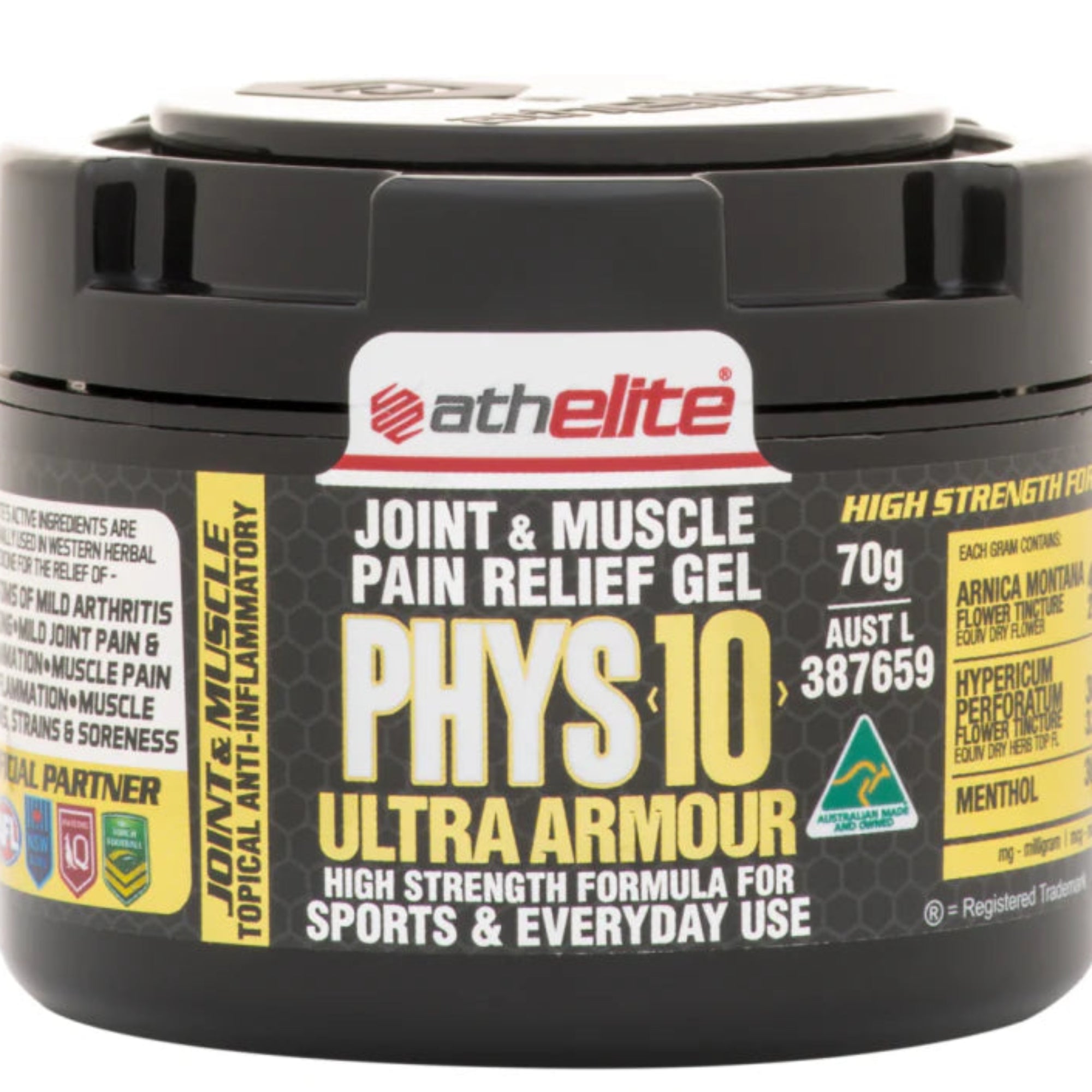
Athelite Joint & Muscle Pain Relief Gel - 125g Athelite Joint & Muscle Pain Relief Gel - 125g: health & fitness guide (realistic, label-first) Athelite Joint & Muscle Pain Relief Gel - 125g is listed as a Health & fitness product. This guide focuses on practical use in a health and fitness routine, without guessing ingredients or nutrition—always confirm…