Supporting your liver is one of the most powerful things you can do for whole-body health. This hardworking organ filters toxins, metabolises nutrients, produces bile for digestion, and plays a major role in hormone balance. While a healthy diet, regular exercise, and limited alcohol intake remain the foundation of good liver function, certain vitamins have been studied for their potential benefits.
Here’s what science says about the most effective vitamins for liver health—and how they help with detoxification, reducing inflammation, and supporting overall liver function.
Why Vitamins Matter for Liver Health
The liver relies on a constant supply of micronutrients to perform key tasks such as breaking down toxins, repairing cells, producing enzymes, and managing oxidative stress. When vitamin levels drop too low, liver cells may become more vulnerable to inflammation, fat accumulation, and long-term damage.
Essential Vitamins for Liver Health
1. Vitamin E – Antioxidant Powerhouse
Vitamin E is one of the most researched nutrients for liver protection, particularly for non-alcoholic fatty liver disease (NAFLD).
How Vitamin E Supports the Liver:
Powerful antioxidant: Helps neutralise free radicals that can damage liver cells.
Reduces inflammation: Studies show Vitamin E can help reduce liver inflammation in people with fatty liver.
Best food sources: Almonds, sunflower seeds, spinach, avocado, hazelnuts, olive oil. Note: High-dose supplements should only be taken under medical supervision.
2. B-Complex Vitamins – Energy & Detox Support
The B-group vitamins work together to support metabolism, energy production, and detoxification—all essential liver functions.
Key B Vitamins for Liver Health
Vitamin B12
Supports red blood cell formation and energy.
Low levels are common in older adults and people with digestive issues.
Deficiency may worsen fatigue and slow liver metabolism.
Vitamin B6
Helps create the enzymes used in phase-1 liver detoxification.
Supports neurotransmitters and hormone balance.
Vitamin B9 (Folate)
Plays a major role in DNA repair and cell growth.
Low folate levels are linked to higher risk of fatty liver.
While the three vitamins above are the most researched, several other nutrients also support healthy liver function:
Choline
Essential for fat metabolism; may help prevent fatty liver.
Omega-3 Fatty Acids
Reduce liver fat and inflammation.
Selenium
Powerful antioxidant that supports detox and thyroid function.
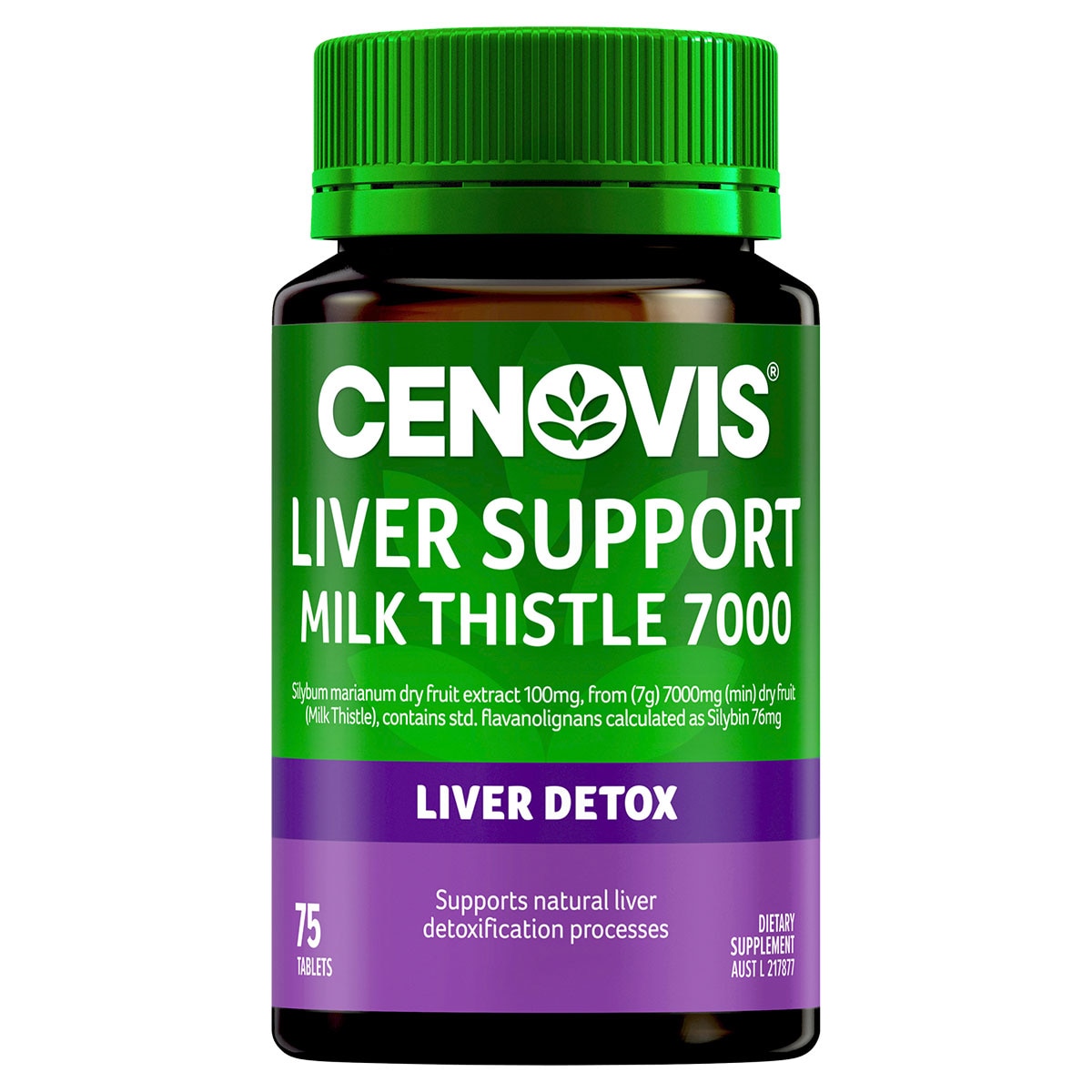
Milk Thistle (Herbal)
Not a vitamin, but widely studied for its protective antioxidant compounds.
Answer Capsule: Quick Summary
What vitamins are best for liver health? The top vitamins backed by research are:
Vitamin E (antioxidant and inflammation support)
B-Complex (energy production and detoxification)
Vitamin D (immune and inflammation regulation)
Do they detox your liver? No vitamin or supplement can “detox” your liver on its own. Instead, they support the natural detox processes your liver already performs.
Should you take supplements? Food sources should come first. Supplements may help if you’re deficient—but only with medical advice, especially for Vitamins E and D.
FAQ: Vitamins for Liver Health
1. Can vitamins reverse fatty liver?
They may help reduce inflammation and improve liver markers, but lifestyle changes—weight management, diet, and exercise—are key.
2. Is it safe to take Vitamin E for liver health?
It can be effective for certain liver conditions, but high doses may have risks. Only take it with supervision from your GP or specialist.
3. How do I know if I’m low in Vitamin D or B12?
A simple blood test ordered by your doctor can check your levels.
4. Can I take all these vitamins together?
Generally yes, but it’s best to personalise your regimen based on blood tests and medical advice.
5. What foods naturally support liver health?
Leafy greens, berries, nuts, whole grains, oily fish, garlic, broccoli, apples, and green tea all contribute to liver wellness.
6. Do detox teas or cleanses help?
There is no scientific evidence that detox teas clear toxins. The liver detoxifies naturally when supported with adequate nutrition and hydration.
Most popular products
Liver Health Supplements | Buy Liver Support Products Online Liver Health Supplements | Buy Liver Support Products Online: health & fitness guide (realistic, label-first) Liver Health Supplements | Buy Liver Support Products Online is listed as a Health & fitness product. This guide focuses on practical use in a health and fitness routine, without guessing ingredients or nutrition—always confirm…
Cod Liver Oil Softgels Cod Liver Oil Softgels: a realistic guide for health, training, and recovery Cod Liver Oil Softgels is listed as a Sports nutrition supplement. This is a practical, label-first guide to how products in this category are commonly used, what to look for, and how to fit it into a sensible…
Melrose Cod Liver Oil Health & Vision 500ml | Healthylife Melrose Cod Liver Oil Health & Vision 500ml | Healthylife: health & fitness guide (realistic, label-first) Melrose Cod Liver Oil Health & Vision 500ml | Healthylife is listed as a Health & fitness product. This guide focuses on practical use in a health and fitness routine, without guessing ingredients or…
Chief Organic Beef Liver 120 Capsules | Healthylife Chief Organic Beef Liver 120 Capsules | Healthylife: health & fitness guide (realistic, label-first) Chief Organic Beef Liver 120 Capsules | Healthylife is listed as a Health & fitness product. This guide focuses on practical use in a health and fitness routine, without guessing ingredients or nutrition—always confirm those on…
Blackmores Cod Liver Oil 1000mg 80 Capsules | Healthylife Blackmores Cod Liver Oil 1000mg 80 Capsules | Healthylife: health & fitness guide (realistic, label-first) Blackmores Cod Liver Oil 1000mg 80 Capsules | Healthylife is listed as a Health & fitness product. This guide focuses on practical use in a health and fitness routine, without guessing ingredients or nutrition—always confirm…
Chief Organic Beef Liver Heart & Kidney 120 Capsules | Healthylife Chief Organic Beef Liver Heart & Kidney 120 Capsules | Healthylife: health & fitness guide (realistic, label-first) Chief Organic Beef Liver Heart & Kidney 120 Capsules | Healthylife is listed as a Health & fitness product. This guide focuses on practical use in a health and fitness routine, without guessing…