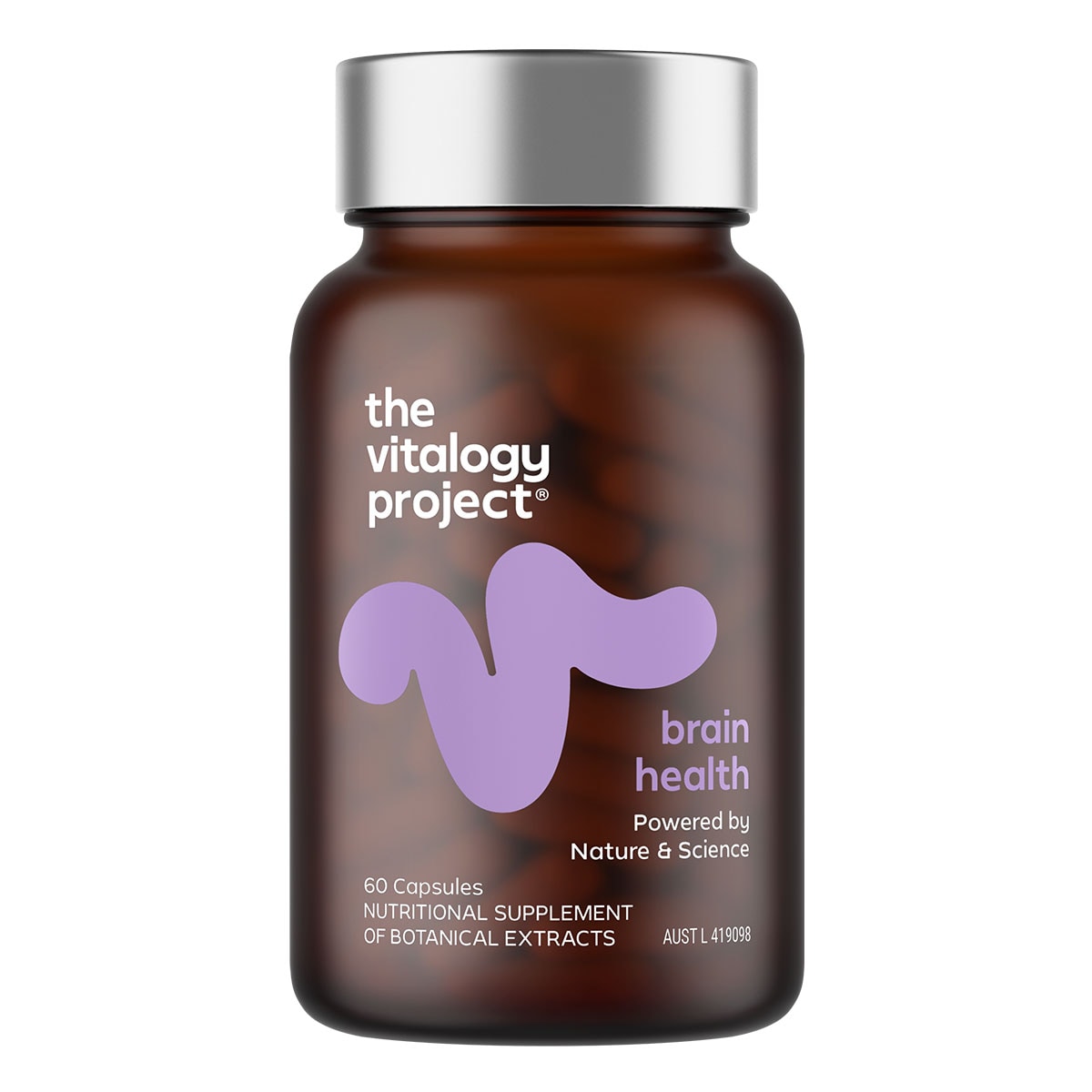
While there is no supplement that can guarantee prevention or cure of Alzheimer’s or dementia, research shows that some nutrients may support brain health, protect neurons, and reduce risk factors linked to cognitive decline.
Here’s a detailed breakdown:
Supplements That May Reduce the Risk of Alzheimer’s or Dementia
1. Omega-3 Fatty Acids (EPA & DHA)
Why: DHA is a major structural fat in the brain and supports memory and learning.
Evidence: Higher omega-3 intake is linked to slower cognitive decline and reduced dementia risk.
Sources: Fatty fish, fish oil, algal oil (vegan option).
Dosage: 1,000–2,000 mg/day (EPA + DHA).
2. Vitamin D
Why: Vitamin D receptors are found in brain regions tied to memory. Low levels are linked to higher dementia risk.
Evidence: Supplementing may improve cognition in deficient individuals.
Sources: Sunlight, fortified foods, supplements.
Dosage: 800–2,000 IU/day (more if deficient).
3. B Vitamins (B6, B12, Folate)
Why: These lower homocysteine, an amino acid linked to brain shrinkage and cognitive decline.
Evidence: In older adults with mild cognitive impairment, B vitamin supplementation slowed brain atrophy.
Why: Supports nerve signaling and protects against excitotoxicity (nerve overactivation).
Evidence: Low magnesium levels are associated with increased risk of dementia.
Best forms: Magnesium L-threonate may cross the blood–brain barrier more effectively.
5. Coenzyme Q10 (CoQ10)
Why: Supports mitochondrial energy production and reduces oxidative stress.
Evidence: May protect brain cells from damage, though human trials are still limited.
Dosage: 100–200 mg/day.
6. Curcumin (Turmeric Extract)
Why: Potent anti-inflammatory and antioxidant that may reduce amyloid plaque buildup.
Evidence: Populations with high turmeric consumption show lower dementia rates, but supplement studies are ongoing.
Tip: Look for curcumin + piperine (black pepper extract) for better absorption.
7. Resveratrol
Why: Antioxidant found in grapes and red wine; may improve blood flow to the brain.
Evidence: Some studies show it reduces amyloid buildup and protects neurons.
Dosage: 150–500 mg/day.
8. Vitamin E
Why: Protects brain cells from oxidative damage.
Evidence: High-dose vitamin E slowed functional decline in Alzheimer’s patients in some studies.
Caution: Doses above 400 IU/day may increase bleeding risk, especially with blood thinners.
9. Ginkgo Biloba
Why: Enhances blood flow to the brain and may improve memory.
Evidence: Mixed results—some trials show modest cognitive benefits, especially in mild dementia.
Dosage: 120–240 mg/day of standardized extract.
FAQs About Supplements and Brain Health
1. Can supplements prevent Alzheimer’s completely? No. They may support brain function and reduce risk, but genetics, age, and lifestyle play a much bigger role.
2. Which supplement has the strongest evidence? Omega-3s and B vitamins (B6, B12, folate) have the most consistent research for slowing cognitive decline.
3. Should I take vitamin D if I’m not deficient? Possibly. Low vitamin D is common, and even mild deficiency can affect brain health. Testing levels is best.
4. Is Ginkgo biloba effective for memory loss? Some people see improvements, but results are inconsistent. It may be more helpful for circulation-related memory problems.
5. Can diet replace supplements for brain protection? Yes — the Mediterranean or MIND diet (rich in leafy greens, berries, olive oil, nuts, and fish) is strongly linked to lower dementia risk. Supplements help if diet is lacking.
6. How long before supplements show results? For brain health, improvements are gradual. It often takes 6–12 months of consistent supplementation plus lifestyle support.
7. Are there risks with high-dose supplements? Yes. High-dose vitamin E, niacin, or poorly regulated herbal extracts can have side effects. Always follow safe dosage guidelines.
✅ Bottom line: Supplements like omega-3s, vitamin D, B vitamins, magnesium, CoQ10, curcumin, resveratrol, vitamin E, and ginkgo biloba may help protect brain health and reduce dementia risk. For best results, combine them with lifestyle strategies like regular exercise, good sleep, mental stimulation, and a brain-friendly diet.
Most popular sponsored products
Mens Scatter Brain T-Shirt Mens Scatter Brain T-Shirt: health & fitness guide (realistic, label-first) Mens Scatter Brain T-Shirt is listed as a Sports nutrition supplement. This article focuses on practical use in a health and fitness routine, without guessing ingredients or nutrition—always confirm those on the product label. Price (at time of import): $60.0…
Boys 8-16 Brain Dot Centre T-shirt Boys 8-16 Brain Dot Centre T-shirt: gym-to-weekend style (fit, comfort, and performance) Boys 8-16 Brain Dot Centre T-shirt is listed as fitness apparel. Here’s a practical guide to choosing the right fit, styling it for training, and keeping it comfortable and durable over time. Price (at time of import): $49.99…
Forest Hills Brain Dead Shoes Forest Hills Brain Dead Shoes: activewear-style guide (fit, comfort, and movement) Forest Hills Brain Dead Shoes is listed as apparel. Here’s a practical guide to choosing fit, layering, and keeping it comfortable and durable for an active lifestyle. Price (at time of import): $95.0 View details What it is Forest…
Forest Hills Brain Dead Shoes Forest Hills Brain Dead Shoes: activewear-style guide (fit, comfort, and movement) Forest Hills Brain Dead Shoes is listed as apparel. Here’s a practical guide to choosing fit, layering, and keeping it comfortable and durable for an active lifestyle. Price (at time of import): $95.0 View details What it is Forest…
Melrose MCT Brain Power Liquid Melrose MCT Brain Power Liquid: health & fitness guide (realistic, label-first) Melrose MCT Brain Power Liquid is listed as a Health & fitness product. This guide focuses on practical use in a health and fitness routine, without guessing ingredients or nutrition—always confirm those on the product label. Price (at time…
Vitaceuticals Advanced NR Brain Boost 30 Tablets | Healthylife Vitaceuticals Advanced NR Brain Boost 30 Tablets | Healthylife: health & fitness guide (realistic, label-first) Vitaceuticals Advanced NR Brain Boost 30 Tablets | Healthylife is listed as a Health & fitness product. This guide focuses on practical use in a health and fitness routine, without guessing ingredients or nutrition—always confirm…
Quick take: iHerb makes it easy to browse supplements, protein, wellness products, and healthy pantry staples in one place. It’s a handy option for comparing ingredients, brands, and customer reviews before choosing what suits your goals.
Quick take: iHerb makes it easy to browse supplements, protein, wellness products, and healthy pantry staples in one place. It’s a handy option for comparing ingredients, brands, and customer reviews before choosing what suits your goals.