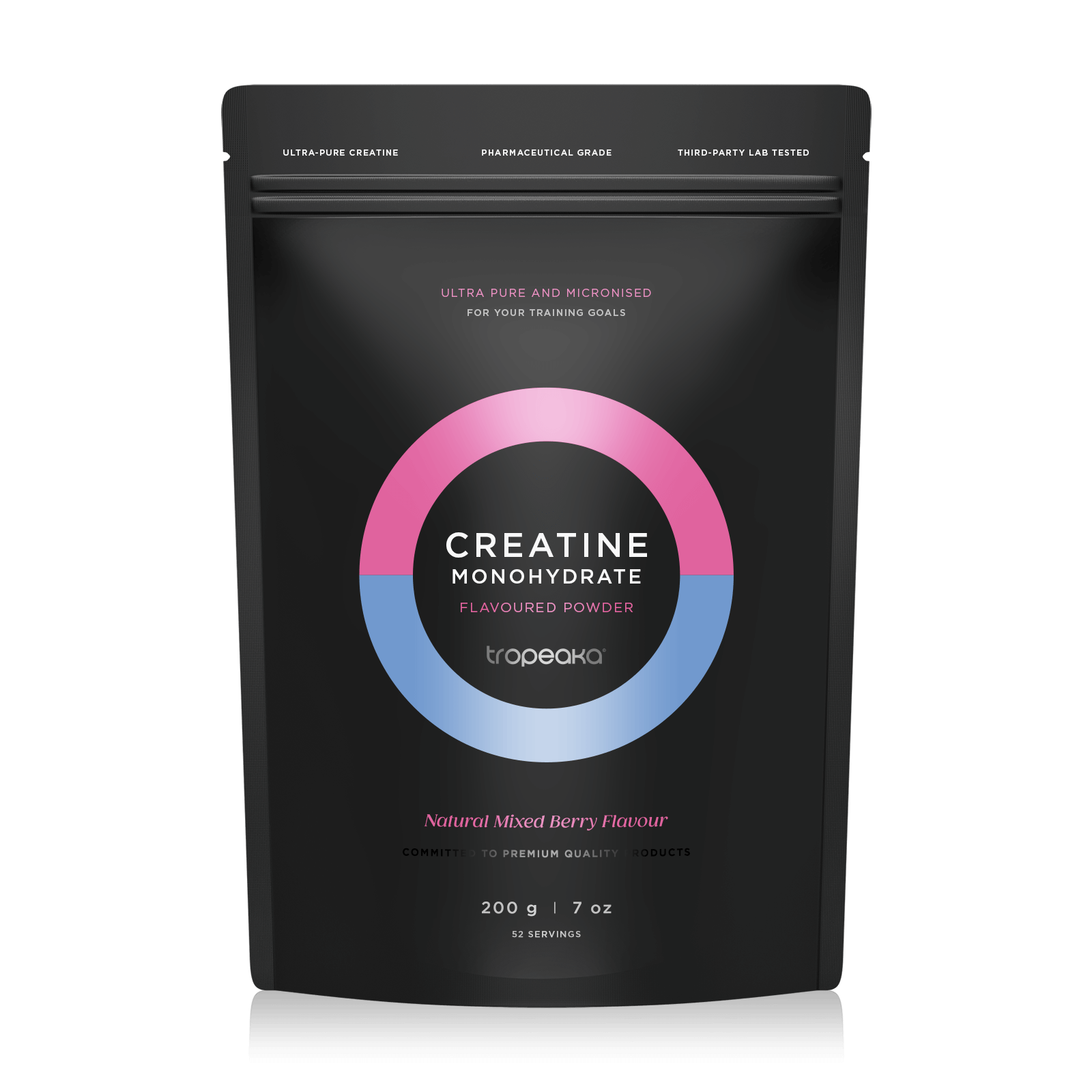
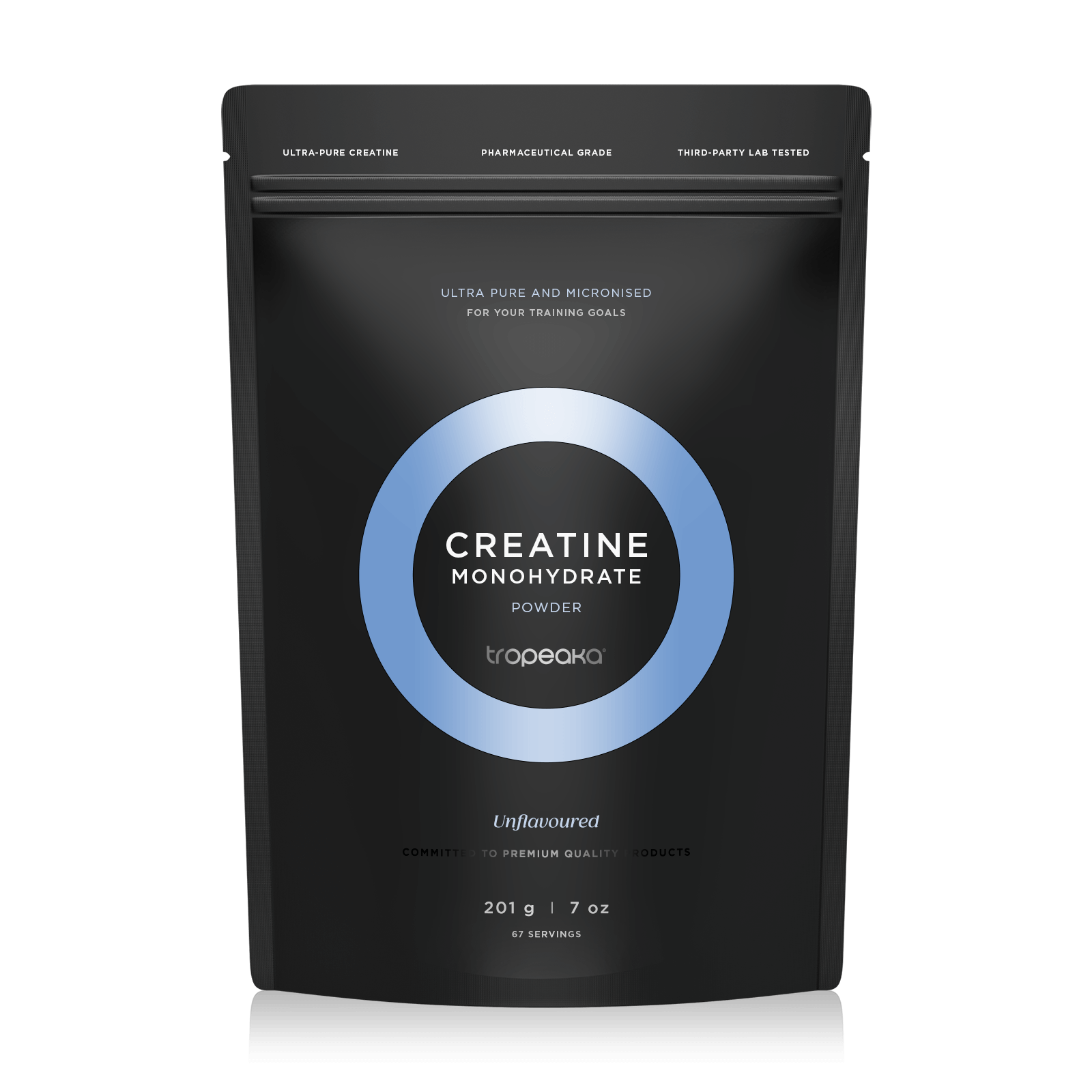
<a href="https://ontofitness.com/creatine-for-men-benefits-risks-and-what-the-evidence-says/">Creatine</a>: The Unknown Benefits You Should Know
Creatine is one of the most researched and effective supplements for building strength and muscle — but what many people don’t know is that its benefits extend far beyond the gym. From brain health to energy metabolism, creatine supports many key functions in the body that are vital for longevity, cognition, and overall well-being.
What Is Creatine?
Creatine is a naturally occurring compound found in your muscles and brain. It’s made from three amino acids — arginine, glycine, and methionine — and stored in your cells as phosphocreatine. This stored form acts like a quick energy reserve, helping your body generate ATP, the molecule that fuels every cell.
1. Boosts Brain Function and Mental Energy
Creatine doesn’t just power your muscles — it fuels your brain, too. Studies show that supplementing with creatine can improve short-term memory, reaction time, and mental clarity, especially during tasks that require quick thinking or sustained focus. This makes it especially beneficial for older adults, students, and those experiencing mental fatigue.
2. Supports Healthy Aging and Muscle Maintenance
As we age, muscle mass and strength naturally decline. Creatine helps counteract this by enhancing muscle energy, promoting strength gains, and improving balance. Combined with resistance training, it’s one of the most effective strategies to maintain mobility and independence later in life.
3. Improves Cellular Energy and Reduces Fatigue
By replenishing ATP stores faster, creatine allows cells to function efficiently under stress — whether from exercise or everyday activity. Many users report reduced fatigue, improved endurance, and faster recovery between workouts.
4. May Help with Depression and Mood Support
Emerging research suggests creatine may play a role in supporting mood and brain chemistry. Because the brain uses large amounts of energy to regulate neurotransmitters like serotonin and dopamine, maintaining cellular energy through creatine may support emotional well-being — particularly in women and those with low energy levels.
5. Protects Against Neurological Decline
Creatine shows promise in protecting nerve cells from damage and oxidative stress. Research is ongoing, but early studies indicate potential benefits in conditions such as Parkinson’s disease, ALS, and mild cognitive impairment.
6. Aids Bone Health
Creatine may also have a positive impact on bone density when combined with resistance exercise. By stimulating muscle strength and mechanical load, it indirectly supports stronger, healthier bones — an important benefit for older adults and postmenopausal women.
How to Take Creatine
The most studied and recommended form is creatine monohydrate. A daily dose of 3–5 grams is effective for most adults. You can take it any time of day, mixed with water, juice, or your post-workout shake. For best results, stay hydrated and use it consistently.
FAQs About Creatine
Do I need to load creatine?
Loading (20g/day for 5–7 days) helps saturate muscles faster, but it’s not essential. A consistent daily dose of 3–5g achieves the same effect over a few weeks.
Does creatine cause bloating or water retention?
Some people may experience mild water retention within muscles — this is intracellular (inside muscle tissue), not under the skin. It’s a sign your muscles are storing more energy and water for performance.
Is creatine safe for older adults?
Yes. Research shows creatine is safe and effective for adults of all ages. In fact, older adults may gain extra benefits in strength, mobility, and cognitive function.
Final Thoughts: Creatine is far more than a muscle supplement — it’s a powerful compound for brain health, energy, and longevity. Whether you’re training hard, staying active as you age, or simply want more mental clarity, creatine is one of the smartest and most affordable supplements you can add to your routine.
California Gold Nutrition, Sport, Pure Creatine Monohydrate, Unflavoured, 1 lb (454 g) Offer now available for the California Gold Nutrition, Sport, Pure Creatine Monohydrate, Unflavoured, 1 lb (454 g). On sale with world wide delivery. 5 g Creatine Monohydrate per Serving Unflavoured Powder Free from gluten, GMOs and soya California Gold Nutrition® Sport Creatine powder can be added to Electrolyte/Hydration/Endurance Beverages, Protein…
Quick take: iHerb makes it easy to browse supplements, protein, wellness products, and healthy pantry staples in one place. It’s a handy option for comparing ingredients, brands, and customer reviews before choosing what suits your goals.
Quick take: iHerb makes it easy to browse supplements, protein, wellness products, and healthy pantry staples in one place. It’s a handy option for comparing ingredients, brands, and customer reviews before choosing what suits your goals.