Beetroot Powder: What It’s Used For in Blood Flow and Endurance
Beetroot powder is one of the most popular “natural performance” supplements in sport. It is usually marketed for better blood flow, improved stamina, lower oxygen cost during exercise, and stronger endurance performance.
Some of that interest is justified. Beetroot is rich in dietary nitrate, and nitrate can be converted in the body into nitric oxide, a molecule involved in blood vessel widening and circulation. That is the real reason beetroot powder shows up in endurance and performance conversations.
But this is also a supplement category where the marketing can outrun the science. Beetroot powder is not a guaranteed performance booster, not every product contains the same amount of nitrate, and the biggest benefits are more likely in some settings than others.
What Beetroot Powder Actually Is
Beetroot powder is made from dried beetroot. Depending on the product, it may contain different amounts of natural nitrate, along with other plant compounds such as betalains and polyphenols.
This matters because when people talk about beetroot powder for performance, they are really talking mostly about nitrate delivery, not just “red vegetable goodness” in general.
How Beetroot Powder Works in the Body
The main performance pathway involves dietary nitrate. After you consume nitrate, bacteria in the mouth help convert it to nitrite, and that can then contribute to nitric oxide production in the body.
Nitric oxide helps blood vessels relax and widen, which is why beetroot powder is linked to blood flow. It may also help reduce the oxygen cost of exercise and improve muscle efficiency in some situations.
What Beetroot Powder Is Used For
1. Supporting Blood Flow
This is the most common reason people use it. Because nitrate can increase nitric oxide availability, beetroot powder is used to support circulation and blood vessel function. In a workout setting, that is one reason people associate it with better delivery of oxygen and nutrients to working muscles.
2. Improving Exercise Economy
One of the most interesting findings in beetroot research is that nitrate supplementation can reduce the oxygen cost of exercise in some settings. In simple terms, that means the body may be able to do the same work with slightly less oxygen demand.
3. Supporting Endurance Performance
Beetroot powder is widely used for endurance because nitrate supplementation has been linked to small improvements in exercise capacity and performance in some studies, particularly in recreational or moderately trained people.
4. Helping Some High-Intensity Intermittent Efforts
This is less widely understood, but nitrate may also help some types of sprint, multiple-sprint, and high-intensity intermittent exercise. That makes beetroot products relevant not only to endurance athletes, but also to some team-sport and repeated-effort settings.
Where Beetroot Powder Seems Most Useful
If beetroot powder helps, it seems most likely to help in situations such as:
endurance-style exercise
time-trial style efforts
exercise where efficiency matters
some repeated high-intensity efforts
recreational or moderately trained athletes more than highly trained endurance athletes
That last point matters. Highly trained endurance athletes often seem to benefit less, probably because their nitric oxide physiology and exercise economy are already highly developed.
Beetroot Powder vs Beetroot Juice: Not Always the Same
In research, beetroot juice concentrate is the best-studied source of nitrate. Beetroot powder may still work, but the big practical issue is that powders can vary a lot in nitrate content.
That means one powder may deliver a meaningful nitrate dose while another may mostly just add colour and marketing. This is one reason some sports-nutrition guidance is more confident about nitrate-rich beetroot juice concentrates than about generic beetroot powders.
The Dose Is About Nitrate, Not Just Powder Weight
This is one of the biggest mistakes people make. The useful dose is not really about how many grams of beet powder you take. It is about how much nitrate that powder provides.
Typical sports-performance protocols often aim for around 6 to 8 mmol of nitrate, or roughly 350 to 500 mg nitrate, taken about 2 to 3 hours before exercise. If a powder label does not tell you the nitrate content, it is hard to know whether it is likely to match what the research used.
When Should You Take It?
Beetroot nitrate is usually used either as a single acute dose taken a couple of hours before exercise or as a short loading period over several days. Current evidence suggests both acute and short chronic strategies can work, but the effect size is generally small rather than dramatic.
Does It Work for Everyone?
No. This is not a universally reliable supplement. Some people respond better than others, and the type of sport, training status, and actual nitrate dose all matter.
The evidence is strongest for some endurance and efficiency outcomes. Results in elite athletes are more mixed, and not every study finds a meaningful benefit.
What Can Reduce Its Effect?
Because oral bacteria are involved in nitrate conversion, antibacterial mouthwash can interfere with the pathway that helps turn dietary nitrate into nitric oxide. Some sports-nutrition guidance specifically advises avoiding mouthwash around beetroot supplementation if you are trying to get a performance benefit.
Possible Side Effects
Beetroot powder is often tolerated reasonably well, but a few side effects are common:
stomach discomfort in some people
red or pink urine
red or pink stools
possible light-headedness in people prone to low blood pressure
The colour changes can look alarming if you are not expecting them, but they are usually harmless.
Who Might Benefit Most?
recreational or moderately trained endurance athletes
people doing time trials or longer sustained efforts
athletes doing repeated high-intensity efforts
people who want to trial a nitrate-based pre-event strategy in training first
Who May Not Need It?
If your exercise is short, casual, or low intensity, beetroot powder is probably not a priority. It also may be less useful if you are already a very highly trained endurance athlete and are looking for a big noticeable jump in performance.
Beetroot Powder Myths That Need Clearing Up
“More beetroot powder always means better performance”
No. What matters is the nitrate dose, not just the scoop size.
“All beetroot powders work the same”
No. Nitrate content can vary a lot between products.
“It’s just for endurance athletes”
No. There is also evidence for some sprint, multiple-sprint, and intermittent high-intensity settings.
“It works like a stimulant”
No. Beetroot powder does not work like caffeine. It is about nitrate, nitric oxide, blood flow, and exercise efficiency.
The Bottom Line on Beetroot Powder
Beetroot powder is mainly used for its nitrate content, which may support blood flow, exercise economy, and some aspects of endurance and repeated high-intensity performance. The strongest practical use is as a nitrate-based performance aid rather than as a generic “superfood” powder.
But it is not a guaranteed edge. Product quality varies, nitrate content matters more than branding, and the benefits tend to be small and more likely in some athletes than others. The best way to use beetroot powder is with realistic expectations and only after testing it in training, not for the first time on an important race day.
Quick Takeaways
Beetroot powder is mainly used for its dietary nitrate content.
Nitrate can increase nitric oxide availability, which may support blood flow.
It may improve exercise economy and some endurance performance.
It may also help some sprint and repeated high-intensity efforts.
The useful dose depends on nitrate content, not just grams of powder.
Antibacterial mouthwash may reduce the benefit.
Beetroot juice concentrates are generally better studied than generic powders.
Frequently Asked Questions
What is beetroot powder mainly used for in sport?
It is mainly used for its nitrate content to support blood flow, exercise economy, and some endurance or repeated high-intensity performance.
Does beetroot powder improve endurance?
It may help some people, especially recreational or moderately trained athletes, but the effects are usually modest rather than dramatic.
Is beetroot powder good for blood flow?
It may support blood flow because dietary nitrate can increase nitric oxide availability.
How long before exercise should you take beetroot powder?
Typical nitrate strategies often use a dose about 2 to 3 hours before exercise.
Why does mouthwash matter with beetroot supplements?
Because oral bacteria help convert nitrate into nitrite, which is part of the pathway that supports nitric oxide production.
Is beetroot powder the same as beetroot juice shots?
Not necessarily. Juice concentrates are better studied, and powders can vary a lot in nitrate content.
Medical note: This article is for general education only and does not replace medical advice. If you have low blood pressure, kidney stone concerns, cardiovascular disease, or take prescription medication, speak with your doctor before using concentrated beetroot supplements regularly.
Most popular sponsored products
Power Super Foods Beetroot Powder Origin 170g | Healthylife Power Super Foods Power Super Foods Beetroot Powder Origin 170g. Powdered supplement (170g) Available from Healthylife; check current product details, price and availability before ordering.
JNX Sports, The Ripper, Fat Burner, Blood Orange, 5.4 oz (153 g) Offer now available for the JNX Sports, The Ripper, Fat Burner, Blood Orange, 5.4 oz (153 g). On sale with world wide delivery. Naturally & Artificial Flavours Dietary Supplement GMP Compliant Gluten Free Soy Free Sugar Free Vegan Friendly Energy Focus Shred Mood Immunity Appetite Control Formula The Ripper! fat…
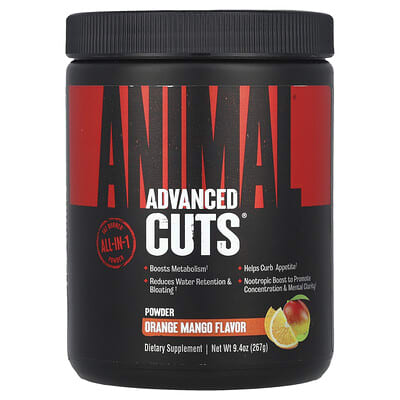
Animal, Advanced Cuts® Powder, Strawberry Watermelon, 8.4 oz (239.4 g) Offer now available for the Animal, Advanced Cuts® Powder, Strawberry Watermelon, 8.4 oz (239.4 g). On sale with world wide delivery. Fat Burner† All-In-1 Powder Boosts Metabolism Reduces Water Retention & Bloating Helps Curb Appetite Nootropic Boost to Promote Concentration & Mental Clarity Naturally & Artificially Flavoured Dietary Supplement EAC…
Quick take: iHerb makes it easy to browse supplements, protein, wellness products, and healthy pantry staples in one place. It’s a handy option for comparing ingredients, brands, and customer reviews before choosing what suits your goals.
Quick take: iHerb makes it easy to browse supplements, protein, wellness products, and healthy pantry staples in one place. It’s a handy option for comparing ingredients, brands, and customer reviews before choosing what suits your goals.