Soy Protein Powder Guide: Benefits, Uses, Safety and Where to Buy
Soy protein powder is a plant-based protein supplement made from soybeans. It is commonly used by people who want a dairy-free, vegan-friendly or lactose-free alternative to whey protein. Most soy protein powders use soy protein isolate, a concentrated form of soy protein that is usually low in fat and carbohydrates.
Soy Protein Isolate (Sample) Myvegan Soy Protein Isolate (Sample). Protein product Available from Myprotein; check current product details, price and availability before ordering.
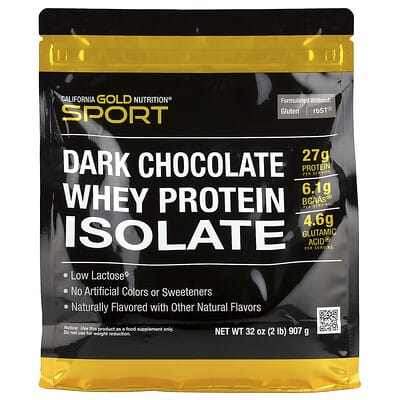
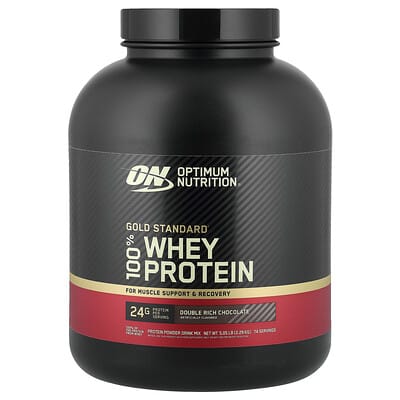
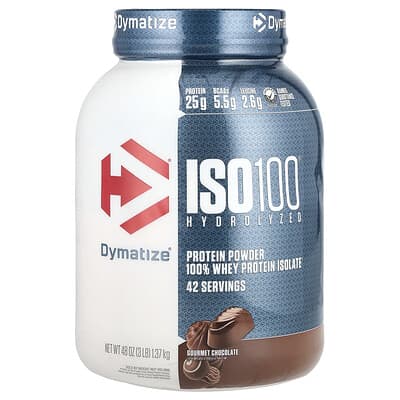
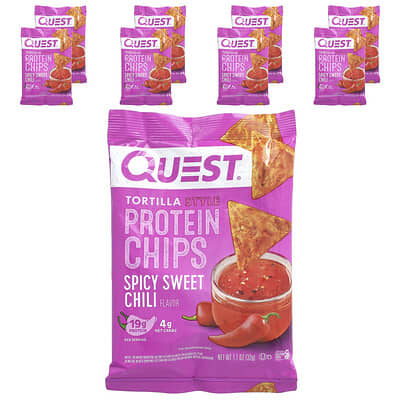
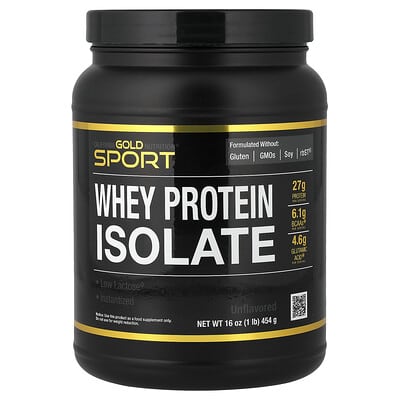
Quick take: iHerb makes it easy to browse supplements, protein, wellness products, and healthy pantry staples in one place. It’s a handy option for comparing ingredients, brands, and customer reviews before choosing what suits your goals.
Soy protein powder can be useful for smoothies, post-workout shakes, high-protein breakfasts, baking and meal support. It is especially popular with vegans, vegetarians, people who avoid dairy, and anyone wanting a plant-based protein option.
It is important to keep the claims realistic. Soy protein powder can help you increase protein intake, but it is not a magic weight-loss product, hormone treatment, cholesterol cure or medical supplement.
Affiliate disclosure: This article may contain merchant links. If you purchase through a link, we may earn a commission at no extra cost to you. Always check the product label, ingredients, allergens, serving size, shipping availability and import rules for your country before buying any supplement.
Quick Answer: What Is Soy Protein Powder?
Soy protein powder is made by processing soybeans to remove much of the fat and carbohydrate, leaving a higher-protein powder. The most common type is soy protein isolate, which is more concentrated than regular soy flour.
Soy protein powder is mainly used to increase daily protein intake. Protein helps support muscle maintenance, muscle growth when combined with resistance training, satiety and general nutrition.
People commonly use soy protein powder for:
Vegan or vegetarian protein support
Dairy-free protein shakes
Post-workout recovery nutrition
High-protein breakfasts
Protein smoothies
Baking protein muffins, pancakes or bars
Meal support when appetite is low
Replacing whey protein due to lactose intolerance or dairy avoidance
Soy protein powder is most useful when it helps you meet your daily protein needs. It works best as part of a balanced diet that includes whole foods such as vegetables, fruit, legumes, grains, nuts, seeds and healthy fats.
Potential Benefits of Soy Protein Powder
1. A Convenient Plant-Based Protein
Soy protein powder is convenient because it gives you a measured protein serve without needing to cook. This can be helpful after exercise, while travelling, or when you need a quick breakfast or snack.
2. Dairy-Free and Lactose-Free
For people who cannot tolerate whey or milk-based protein powders, soy protein can be a practical alternative. It is naturally free from dairy and lactose, although you should still check the label for cross-contamination warnings or added ingredients.
3. Useful for Muscle Support
Protein supports muscle maintenance and repair. Soy protein can be useful for people doing resistance training, walking, gym workouts or general exercise, provided total daily protein intake is adequate.
4. Low in Sugar and Fat
Many soy protein isolate powders are low in sugar and fat. This can make them useful for people who want protein without adding much extra carbohydrate or fat.
5. May Support a Heart-Conscious Diet
Soy foods and soy protein may slightly reduce LDL cholesterol when used as part of a diet low in saturated fat. However, soy protein alone is unlikely to make a major difference to heart health without broader diet and lifestyle changes.
Where to Buy Soy Protein Powder From Recommended Merchants
Using the previously recommended Skimlinks-friendly supplement merchants, the clearest soy protein powder options are from Myprotein, Bulk and Nutricost. I would not include Dr. Berg, Qunol, CocoaVia or Dr. Kellyann here unless their live product pages clearly show a relevant soy protein powder product.
Recommended Merchant Option: Myprotein Impact Soy Protein
Myprotein lists Impact Soy Protein as a soybean protein isolate powder with 25g protein per serving. It is positioned as a vegan protein option and is listed as low in sugar and fat, with several flavour options depending on your region.
Best for: people wanting a high-protein vegan powder from a large sports-nutrition brand.
Recommended Merchant Option: Bulk Soya Protein Isolate
Bulk lists Soya Protein Isolate as a plant-based protein powder with 24g protein per serving, low fat and low sugar. Bulk also describes it as containing all nine essential amino acids.
Best for: people wanting a vegan, dairy-free protein powder for training, smoothies or baking.
Recommended Merchant Option: Nutricost Soy Protein Isolate
Nutricost lists Soy Protein Isolate as a vegetarian, non-GMO and gluten-free product with 10g protein per serving. The product page also states that each batch is tested by independent ISO-accredited laboratories and manufactured in a GMP-compliant, FDA-registered facility.
Best for: people wanting a simple soy protein isolate from a general supplement supplier.
International delivery note: Delivery options, customs rules and supplement import restrictions vary by country. Before ordering, check the merchant’s checkout page, ingredient restrictions, duties, taxes and shipping availability for your location.
Soy Protein vs Whey vs Pea Protein
Protein Type
Best For
What to Know
Soy Protein Isolate
Vegans, vegetarians, dairy-free diets and lactose-free protein support
Contains soy, so it is not suitable for people with soy allergy
Whey Protein
People who tolerate dairy and want a widely used training protein
Not vegan and may not suit people with lactose intolerance or dairy sensitivity
Pea Protein
People avoiding soy and dairy
Often earthy in taste; may be blended with other plant proteins
Plant Protein Blends
People wanting a broader amino acid profile and varied texture
Check the ingredient list carefully, as blends may include soy, pea, rice, hemp or sweeteners
How to Choose a Quality Soy Protein Powder
1. Check the Protein Per Serving
Protein per serving can vary widely. Some soy protein powders provide around 10g per serving, while others provide more than 20g. Compare the serving size, scoop size and total number of servings per bag or tub.
2. Look at Sugar and Calories
Some flavoured protein powders contain sweeteners, sugars or extra calories. This may be fine for training or meal support, but it may not suit everyone. If you want more control, choose an unflavoured version and add your own fruit, cocoa, cinnamon or yoghurt alternative.
3. Check for Third-Party Testing
Quality testing matters with any supplement. Look for clear manufacturing standards, batch testing or independent laboratory testing where available.
4. Read the Allergen Statement
Soy is a major allergen. If you have a soy allergy, avoid soy protein powder completely. Also check for cross-contamination warnings if you have allergies to dairy, gluten, nuts or other ingredients.
5. Choose the Right Flavour
Soy protein can have a stronger taste and thicker texture than whey. Chocolate, vanilla, salted caramel and coffee-style flavours may be easier to use in shakes, while unflavoured soy protein may suit baking or savoury recipes.
6. Decide Whether You Want Pure Soy or a Blend
If you specifically want soy protein, choose a soy protein isolate product. If you simply want vegan protein, you may also compare pea protein, rice protein or plant protein blends.
Who Should Be Careful With Soy Protein Powder?
Soy protein powder is not suitable for everyone. Speak with a healthcare professional before using it regularly if you:
Have a soy allergy
Take thyroid medication such as levothyroxine
Have hypothyroidism and are unsure how soy fits into your diet
Have a history of hormone-sensitive cancer and have been advised to manage soy intake
Are pregnant or breastfeeding
Are buying for a child or teenager
Have kidney disease or have been told to limit protein
Already use several protein powders or fortified meal replacements
If you take levothyroxine, soy does not necessarily need to be avoided, but timing matters. Soy can make it harder for the body to absorb thyroid medication, so ask your doctor or pharmacist how far apart to take soy protein and your medication.
If you are using soy protein because of cholesterol concerns, do not stop prescribed medication or rely on soy protein alone. High cholesterol should be managed with proper medical advice, blood tests and a broader lifestyle plan.
How to Use Soy Protein Powder
Always follow the product label. The amount you need depends on your diet, body size, activity level and health goals.
Blend until smooth. If the texture is too thick, add more liquid. If it tastes too plain, add berries, cocoa, cinnamon or a small amount of honey or maple syrup.
Vegetarian, non-GMO, gluten-free and independently lab tested according to the product page
Soy Protein Powder FAQs
What is soy protein powder?
Soy protein powder is a plant-based protein supplement made from soybeans. Most products use soy protein isolate, a concentrated form of soy protein that is usually low in fat and carbohydrates.
Is soy protein powder vegan?
Most soy protein isolate powders are vegan, but always check the label. Some flavoured products may contain added ingredients or be made in facilities that handle dairy or other allergens.
Is soy protein powder good for muscle building?
Soy protein powder can support muscle maintenance and growth when combined with resistance training and enough total daily protein. It is a practical plant-based alternative to whey protein.
Is soy protein better than whey?
Not necessarily. Whey may suit people who tolerate dairy and want a traditional sports protein. Soy may suit people who are vegan, lactose-intolerant or avoiding dairy. The better choice depends on your diet, digestion, allergies and goals.
Does soy protein affect hormones?
Soy contains isoflavones, which are plant compounds often described as phytoestrogens. For most adults, moderate soy food intake is considered acceptable, but people with specific medical histories or hormone-sensitive conditions should ask their healthcare professional for personal advice.
Can soy protein help lower cholesterol?
Soy foods and soy protein may slightly lower LDL cholesterol, especially when they replace foods high in saturated fat. However, soy protein alone is not enough to manage high cholesterol for most people.
Can I take soy protein with thyroid medication?
If you take levothyroxine or other thyroid medication, ask your doctor or pharmacist about timing. Soy can make it harder for the body to absorb thyroid medication if taken too close together.
Is soy protein powder suitable for children?
Soy protein powder is not generally recommended for children unless advised by a healthcare professional. Children have different nutrition needs, and isolated soy products may not be appropriate without guidance.
Where can I buy soy protein powder from the recommended merchants?
Final Thoughts: Is Soy Protein Powder Worth Considering?
Soy protein powder can be a useful option if you want a plant-based, dairy-free and lactose-free protein supplement. It is especially practical for vegans, vegetarians, active adults and people who want a convenient way to increase protein intake.
Bottom line: soy protein powder is a practical protein tool, not a cure-all. Choose it if it suits your diet, digestion, allergies, training goals and health status.
Health disclaimer: This article is for general information only and is not medical advice. Dietary supplements are not medicines and are not intended to diagnose, treat, cure or prevent disease. Always speak with your healthcare professional before starting a new supplement, especially if you have thyroid disease, kidney disease, a soy allergy, take medication, are pregnant or are breastfeeding.
Most popular sponsored products
Soy Protein Isolate (Sample) Myvegan Soy Protein Isolate (Sample). Protein product Available from Myprotein; check current product details, price and availability before ordering.
Impact Soy Protein Myvegan Impact Soy Protein. Protein product Available from Myprotein; check current product details, price and availability before ordering.
Soy Protein Isolate Myvegan Browse Soy Protein Isolate at Myprotein; compare the current range, variants, pricing and availability on the merchant page.
Clear Protein | Clear Protein Drinks & Powders Myprotein Browse Clear Protein | Clear Protein Drinks & Powders at Myprotein; compare the current range, variants, pricing and availability on the merchant page.
Quick take: iHerb makes it easy to browse supplements, protein, wellness products, and healthy pantry staples in one place. It’s a handy option for comparing ingredients, brands, and customer reviews before choosing what suits your goals.
Quick take: iHerb makes it easy to browse supplements, protein, wellness products, and healthy pantry staples in one place. It’s a handy option for comparing ingredients, brands, and customer reviews before choosing what suits your goals.