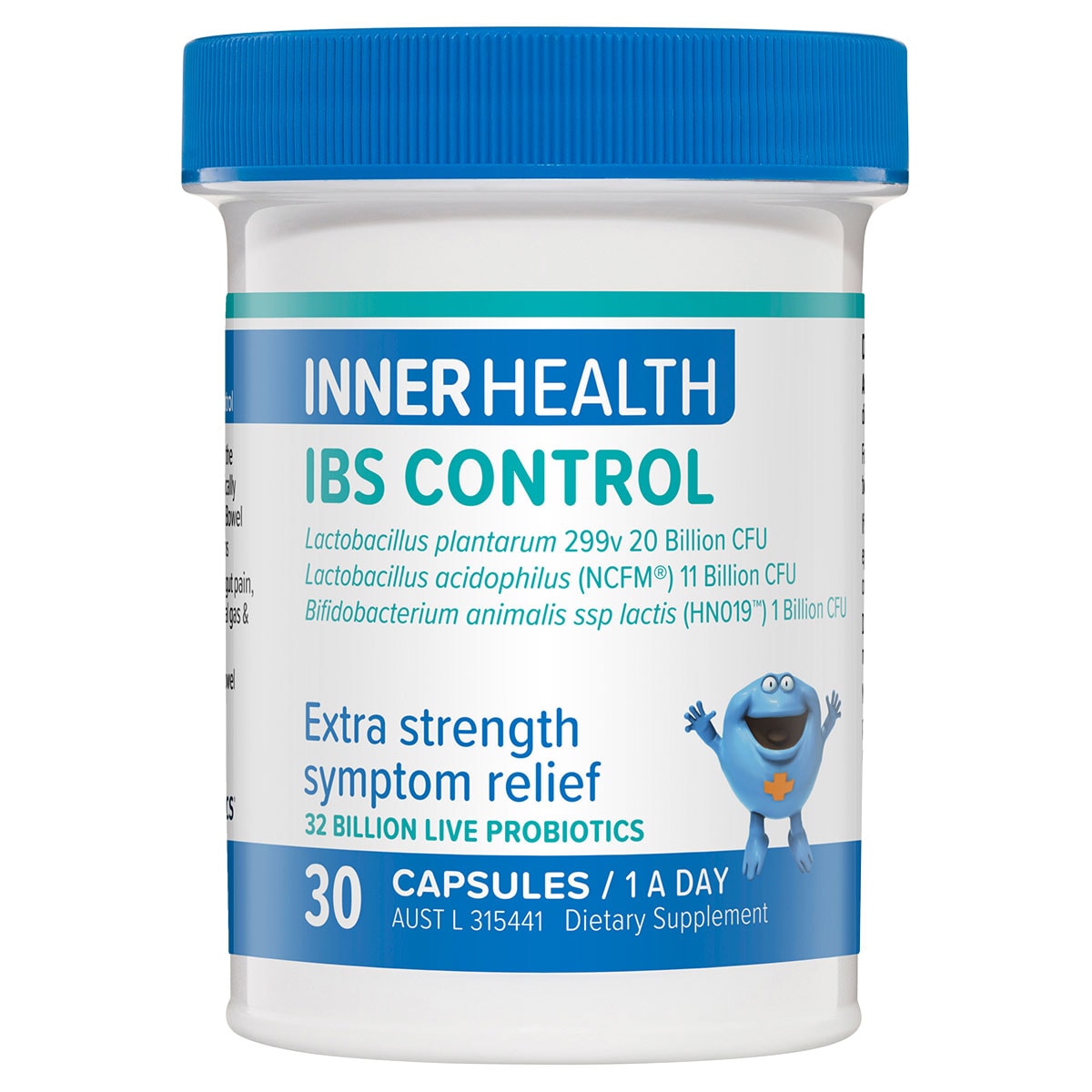
Probiotics and prebiotics are both linked with gut health, but they are not the same thing. The simplest way to understand the difference is this: probiotics are beneficial live microbes, while prebiotics are fibres or substrates that feed beneficial microbes already living in your gut.
In plain English, probiotics add selected friendly bacteria or yeasts, and prebiotics help nourish the good bacteria already there. Both can be useful, but they work differently and suit different needs.
Garden of Life, Dr Formulated Probiotics, Organic Kids + Probiotics +… Garden of Life Garden of Life, Dr Formulated Probiotics, Organic Kids + Probiotics + Vitamins C & D Chewables, Tasty Organic Watermelon, 30 Yummy Chewables. Check current details, price and availability at iHerb.
Quick take: iHerb makes it easy to browse supplements, protein, wellness products, and healthy pantry staples in one place. It’s a handy option for comparing ingredients, brands, and customer reviews before choosing what suits your goals.
Probiotics and prebiotics are often used for digestion, bowel regularity, bloating, gut microbiome support, immune support and general wellness. However, they are not miracle cures. The benefits depend on the specific strain, dose, product quality, diet, health status and reason for use.
Affiliate disclosure: This article may contain merchant links. If you purchase through a link, we may earn a commission at no extra cost to you. iHerb has been included at the reader’s request, although its affiliate cookie period may be shorter than the original merchant filter. Always check the product label, CFU count, strains, fibre type, allergens, storage instructions, medicine cautions, shipping availability and import rules before buying any supplement.
Quick Answer: Probiotics vs Prebiotics
Feature
Probiotics
Prebiotics
What they are
Live beneficial microorganisms
Fibres or substrates that feed beneficial microbes
Live yoghurt, kefir, sauerkraut, kimchi, miso, tempeh, kombucha
Onion, garlic, leek, asparagus, oats, legumes, chicory root, green banana, Jerusalem artichoke, apples
Best for
Targeted gut-support routines, antibiotic-associated diarrhoea support, specific strain-based needs
Feeding the microbiome, fibre intake, bowel regularity and long-term gut support
Main caution
Not suitable for everyone, especially severely ill or immunocompromised people without medical advice
Can cause gas, bloating or IBS symptoms if introduced too quickly
What Are Probiotics?
Probiotics are live microorganisms that may provide a health benefit when taken in adequate amounts. They are usually bacteria, but some probiotic products use beneficial yeasts.
Common probiotic groups include:
Lactobacillus
Bifidobacterium
Bacillus coagulans
Saccharomyces boulardii
Probiotics are often measured in CFU, which stands for colony-forming units. A product may list 1 billion, 10 billion, 20 billion, 50 billion or more CFU per serving. A higher CFU count is not automatically better. The strain, product quality, storage and reason for use matter just as much.
What Are Prebiotics?
Prebiotics are fibres or substrates that beneficial gut microbes can use as food. They help nourish the bacteria already living in your gut and can support the production of compounds such as short-chain fatty acids.
Common prebiotic ingredients include:
Inulin
Fructooligosaccharides / FOS
Galactooligosaccharides / GOS
Resistant starch
Psyllium husk
Partially hydrolysed guar gum
Acacia fibre
Kiwi fibre
Apple fibre
Prebiotics are usually found in plant foods and fibre supplements. They are often more important for long-term gut health than people realise, because beneficial microbes need regular food to thrive.
What Is a Synbiotic?
A synbiotic combines probiotics and prebiotics in one product. In simple terms, it gives you live microbes plus a fibre or substrate intended to support beneficial gut microbes.
Synbiotic products can be useful when you want an all-in-one gut-health supplement. However, they are not automatically better than taking probiotics and prebiotics separately. The formula still needs meaningful strains, sensible fibre amounts and good product quality.
Probiotic Foods vs Prebiotic Foods
Probiotic Food Sources
Live yoghurt with active cultures
Kefir
Sauerkraut with live cultures
Kimchi
Miso
Tempeh
Kombucha
Some fermented pickles
Important note: not all fermented foods are probiotic. Some are heat-treated, pasteurised or processed in ways that remove live microbes. A food needs live microorganisms and a health benefit to properly be considered probiotic.
Cooked and cooled potatoes or rice for resistant starch
Which Is Better: Probiotics or Prebiotics?
Neither is automatically better. They do different jobs.
Choose probiotics when you want a specific live-culture supplement, such as after antibiotics, during travel, or for a targeted gut-support routine.
Choose prebiotics when you want to improve fibre intake, support bowel regularity, feed beneficial gut bacteria and build a more gut-friendly diet long term.
Choose a synbiotic if you want both in one product and tolerate fibre well.
When Probiotics May Be Useful
Probiotics may be useful for:
General gut microbiome support
Antibiotic-associated diarrhoea support
Some IBS-related routines, depending on strain and person
Travel gut-support routines
People who do not eat fermented foods
People wanting targeted strains such as Lactobacillus, Bifidobacterium or Saccharomyces boulardii
Probiotics work best when matched to the goal. A probiotic that helps one situation may not help another. Strain specificity matters.
When Prebiotics May Be Useful
Prebiotics may be useful for:
Low fibre intake
Bowel regularity
Supporting beneficial gut bacteria
Long-term microbiome support
People who eat few plant foods
People wanting a food-first gut-health strategy
Prebiotics are usually best introduced slowly. Taking a large scoop of inulin on day one can cause gas, bloating or cramps, especially in people with IBS or sensitive digestion.
Where to Buy Probiotics and Prebiotics From Recommended Merchants
Using the recommended merchant list, the clearest options are from Nutricost, Myprotein, Bulk, Dr. Berg, Dr. Kellyann and iHerb. I would not list Qunol or CocoaVia as direct probiotic or prebiotic suppliers unless their live product pages clearly show dedicated gut-health products in this category.
Nutricost Probiotic Complex is listed with 10 or 50 billion CFU per capsule, 60 vegetarian capsules per bottle, and non-GMO, gluten-free and third-party testing claims.
Best for: people wanting a straightforward capsule probiotic from a supplement-focused merchant.
Nutricost Prebiotic Fiber Powder is available in unflavoured and fruit punch options and is positioned as an easy way to add prebiotic fibre to the diet.
Best for: people wanting a flavoured or unflavoured prebiotic fibre powder.
Recommended Synbiotic Option: Myprotein Synbiotic Gut Health Capsules
Myprotein Synbiotic Gut Health Capsules combine probiotic, prebiotic and postbiotic-style ingredients. The product lists ActiBio™ Bacillus coagulans and Bacillus subtilis, 555mg Actazin™ kiwi fibre, 300mg CoreBiome™ and added chloride.
Best for: people wanting an all-in-one capsule that combines probiotics, prebiotic fibre and postbiotic ingredients.
Recommended Probiotic/Synbiotic Option: Bulk PRO CULTURE™
Bulk PRO CULTURE™ contains five active bacterial strains, including Lactobacillus plantarum, Lactobacillus rhamnosus, Lactobacillus acidophilus, Bifidobacterium lactis and Bacillus coagulans, with 20 billion CFU per two-capsule serving. It also includes inulin and other synergistic ingredients.
Best for: athletes or active people wanting a more advanced live-culture formula that includes prebiotic support.
Bulk Fibre Plus combines fibre from chicory inulin, psyllium husk, flaxseed and apple fibre. It is broader than a pure prebiotic supplement but may suit people wanting both soluble and insoluble fibre.
Best for: people wanting a multi-fibre product rather than straight inulin.
Recommended Synbiotic Option: Dr. Berg Probiotics with Prebiotic Blend
Dr. Berg Probiotics with Prebiotic Blend provides 60 billion CFU per serving, ten probiotic strains and a concentrated prebiotic blend in delayed-release vegetable capsules.
Best for: people wanting a probiotic and prebiotic blend in one capsule product.
Recommended Synbiotic Option: Dr. Kellyann Harmony Probiotic Weight Management
Dr. Kellyann Harmony Probiotic Weight Management is positioned as a probiotic and prebiotic formula for digestion, bloating support and weight-management routines.
Best for: people wanting a probiotic/prebiotic product from Dr. Kellyann’s range.
Important note: weight-management claims should always be kept realistic. Probiotics do not replace protein, fibre, calorie awareness, movement or medical advice.
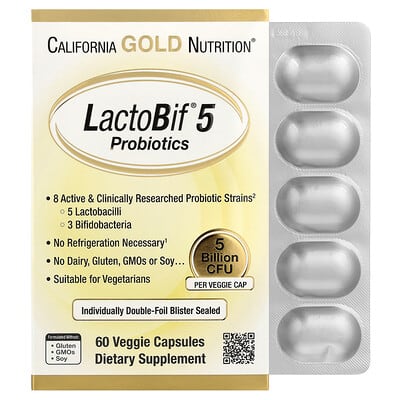
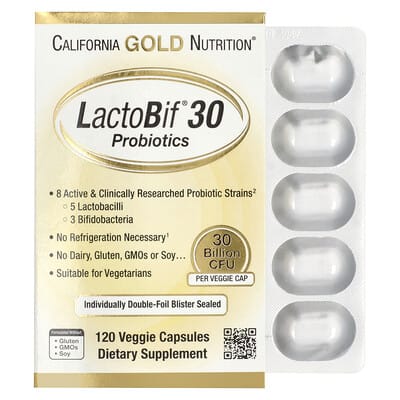
iHerb has a large probiotic category with capsules, powders, liquids, children’s formulas, women’s formulas, shelf-stable probiotics, refrigerated probiotics and strain-specific products.
Best for: readers who want the widest probiotic product choice and international delivery options.
A probiotic label should ideally list the genus, species and strain. For example, Lactobacillus rhamnosus GG is more specific than simply “Lactobacillus”. Strain details matter because probiotic benefits are not automatically shared by every strain.
2. Choose the Product for the Purpose
A travel probiotic, women’s probiotic, IBS-style probiotic, children’s probiotic and general daily probiotic may use different strains. Choose based on the need rather than the biggest CFU number.
3. Check Storage Instructions
Some probiotics need refrigeration. Others are shelf-stable. If the product requires refrigeration and has been stored poorly, the live cultures may not remain as strong.
4. Check Expiry Date
Probiotics are live microorganisms, so expiry matters. Look for products that guarantee CFU count through expiry, not only at the time of manufacture.
5. Start Low if You Are Sensitive
Some people experience temporary gas or bloating when starting probiotics. If you are sensitive, start with a lower dose and increase gradually if tolerated.
How to Choose a Prebiotic
1. Start With Food First
Prebiotic foods give you fibre plus vitamins, minerals and plant compounds. Good options include onions, garlic, leeks, oats, legumes, green banana, apples and asparagus.
2. Introduce Fibre Gradually
Prebiotic fibres can ferment in the gut and cause gas or bloating if introduced too quickly. Start with a small amount, then build slowly.
3. Choose the Right Fibre Type
Inulin is popular, but it can bother people with IBS or FODMAP sensitivity. Psyllium or partially hydrolysed guar gum may be gentler for some people.
4. Drink Enough Water
Fibre supplements need fluid. Taking fibre without enough water can worsen constipation or discomfort.
5. Do Not Chase High Doses
More fibre is not always better in one hit. Your gut usually adapts better to gradual increases.
Probiotics, Prebiotics and IBS
People with IBS often look at probiotics and prebiotics, but responses vary. Some probiotics may help certain IBS symptoms, while some prebiotic fibres, especially inulin and FOS, may worsen gas or bloating in sensitive people because they are fermentable.
If you have IBS, start cautiously. Consider trialling one product at a time and keeping a symptom diary. If you follow a low-FODMAP diet, check whether the prebiotic fibre fits your plan.
Probiotics After Antibiotics
Antibiotics can disturb the gut microbiome and may cause diarrhoea in some people. Some probiotic strains have been studied for antibiotic-associated diarrhoea support.
Practical tips:
Ask your doctor or pharmacist whether probiotics suit you.
Do not take probiotics at the exact same time as antibiotics unless advised.
Separate timing by a few hours if your pharmacist recommends it.
Continue eating fibre-rich foods if tolerated.
Seek medical advice for severe diarrhoea, blood, fever or dehydration.
Can You Take Probiotics and Prebiotics Together?
Yes, many people take them together. This is the idea behind synbiotic products. A probiotic introduces selected live microbes, while a prebiotic feeds beneficial microbes.
However, if you are new to both, it may be better to start one at a time. That way, if you get bloating, gas or discomfort, you will know which product is causing it.
Safety and Cautions
Probiotics and prebiotics are generally well tolerated by many healthy adults, but they are not suitable for everyone.
Be Careful With Probiotics If You:
Are severely immunocompromised
Are critically ill
Have a central venous catheter
Have recently had major surgery
Have pancreatitis or severe gut disease
Are buying for a premature infant or medically fragile child
Have recurrent infections or unexplained fever
Be Careful With Prebiotics If You:
Have IBS or FODMAP sensitivity
Have small intestinal bacterial overgrowth concerns
Have severe bloating or abdominal pain
Have inflammatory bowel disease flare-ups
Have bowel obstruction risk
Are on a medically restricted fibre diet
Possible side effects include gas, bloating, cramps, changes in bowel habits, diarrhoea or constipation. Severe symptoms should be checked by a healthcare professional.
Inulin, FOS, fibre blends and prebiotic/probiotic combinations
Probiotics vs Prebiotics FAQs
What is the difference between probiotics and prebiotics?
Probiotics are live beneficial microorganisms. Prebiotics are fibres or substrates that feed beneficial microbes already living in the gut.
Which is better, probiotics or prebiotics?
Neither is automatically better. Probiotics add selected microbes, while prebiotics feed beneficial microbes. Many people benefit from both, but the best choice depends on your goal and digestion.
What is a synbiotic?
A synbiotic is a product that combines live microorganisms with a prebiotic substrate. In simple terms, it combines probiotics and prebiotic support in one formula.
Are fermented foods the same as probiotics?
Not always. Fermented foods may contain live microbes, but they are not automatically probiotics unless they contain live microorganisms shown to provide a health benefit.
What foods are high in probiotics?
Live yoghurt, kefir, sauerkraut, kimchi, miso, tempeh and some fermented pickles may contain live microbes, depending on how they are made and stored.
What foods are high in prebiotics?
Onions, garlic, leeks, asparagus, chicory root, oats, legumes, green bananas, apples, Jerusalem artichokes and psyllium are good prebiotic or fibre-rich foods.
Can probiotics cause bloating?
Yes. Some people experience temporary gas, bloating or bowel changes when starting probiotics. If symptoms are severe or persistent, stop and seek advice.
Can prebiotics cause gas?
Yes. Prebiotic fibres ferment in the gut and can cause gas or bloating, especially when started too quickly or taken in large amounts.
Should I take probiotics after antibiotics?
Some probiotic strains may help support gut balance during or after antibiotics, but it depends on the person and product. Ask your doctor or pharmacist, especially if you are unwell or immunocompromised.
Can I take probiotics and prebiotics every day?
Many products are designed for daily use, but daily use is not necessary for everyone. Food-first gut support with fibre-rich plants and fermented foods is a sensible foundation.
Who should avoid probiotics?
People who are severely immunocompromised, critically ill, have central venous catheters, have severe gut disease, or are medically fragile should use probiotics only with medical advice.
Probiotics and prebiotics both support gut health, but they work differently. Probiotics add selected live microbes, while prebiotics feed beneficial microbes. For long-term gut health, prebiotic-rich foods and a high-fibre diet are often the foundation. Probiotics can be useful when you want targeted live-culture support.
Bottom line: probiotics are the “good microbes”; prebiotics are the “food for good microbes”. The best gut-health routine usually includes fibre-rich foods, fermented foods if tolerated, hydration, movement, sleep and a cautious approach to supplements if you have sensitive digestion.
Health disclaimer: This article is for general information only and is not medical advice. Probiotic and prebiotic supplements are not medicines and are not intended to diagnose, treat, cure or prevent disease. Speak with a healthcare professional before using probiotics if you are immunocompromised, critically ill, have a central venous catheter, have severe gut disease, recently had major surgery, are buying for an infant or medically fragile child, or have recurrent infections. Speak with a healthcare professional before using prebiotic fibre supplements if you have IBS, IBD, severe bloating, bowel obstruction risk, SIBO concerns, a medically restricted fibre diet, or persistent digestive symptoms.
Quick take: iHerb makes it easy to browse supplements, protein, wellness products, and healthy pantry staples in one place. It’s a handy option for comparing ingredients, brands, and customer reviews before choosing what suits your goals.
Quick take: iHerb makes it easy to browse supplements, protein, wellness products, and healthy pantry staples in one place. It’s a handy option for comparing ingredients, brands, and customer reviews before choosing what suits your goals.