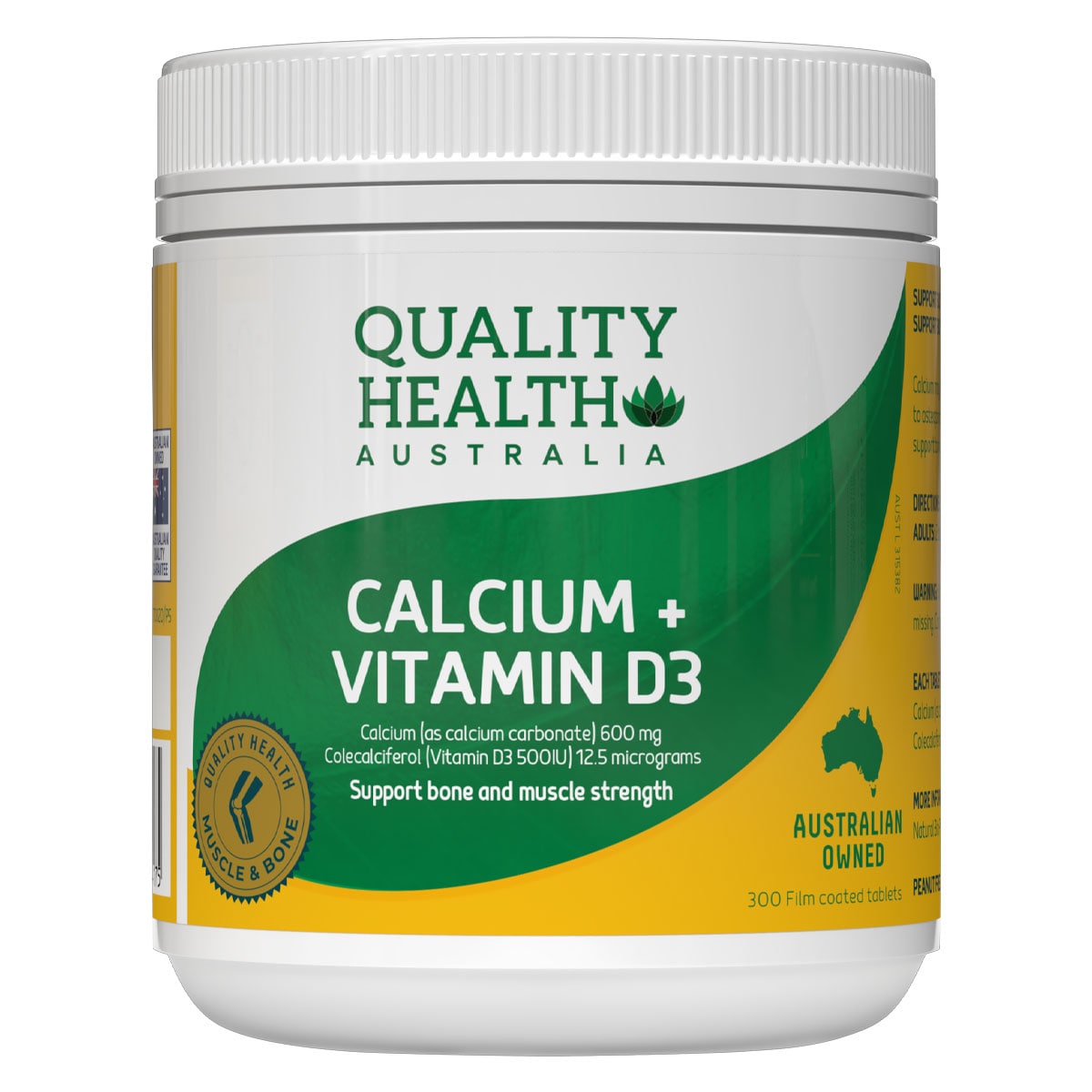
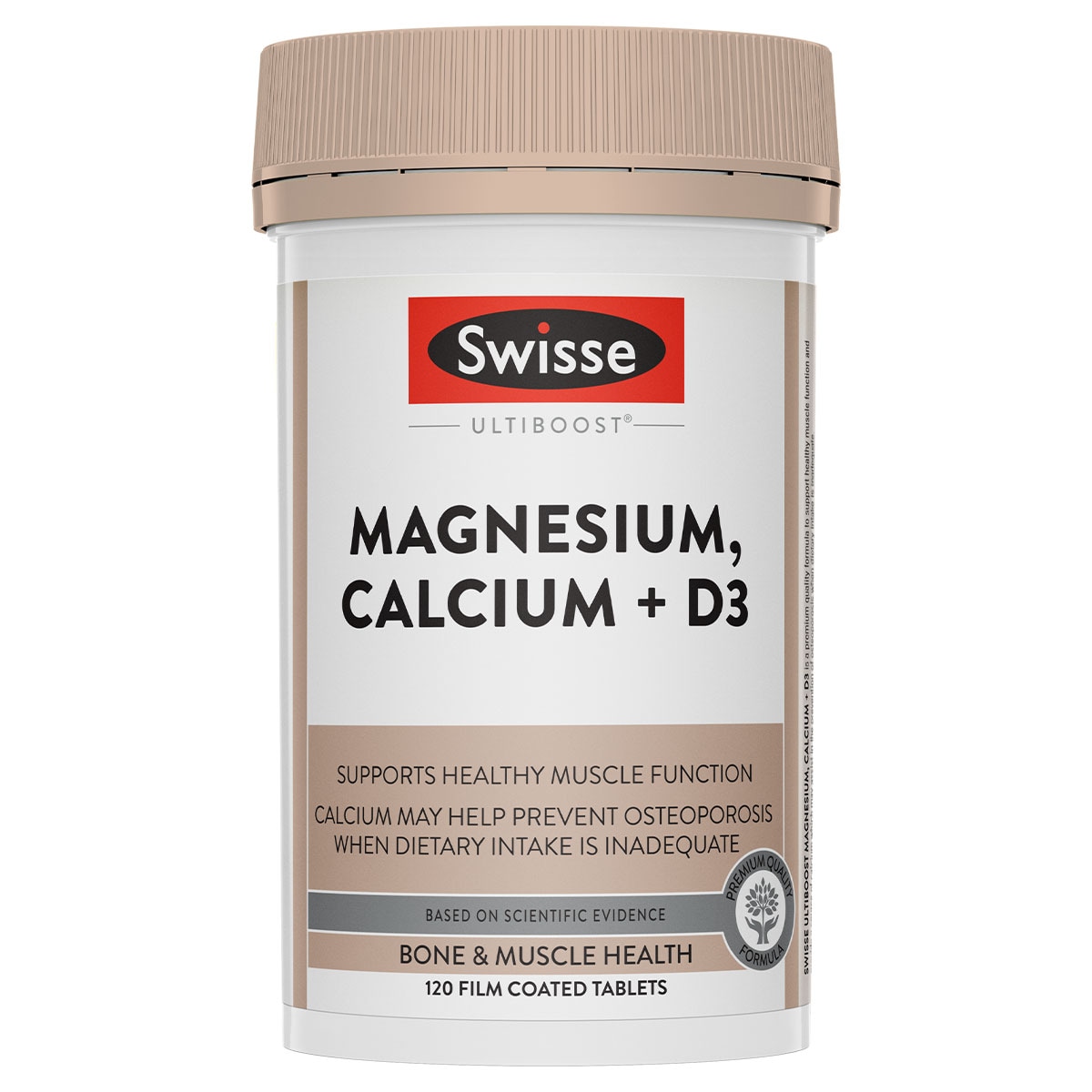
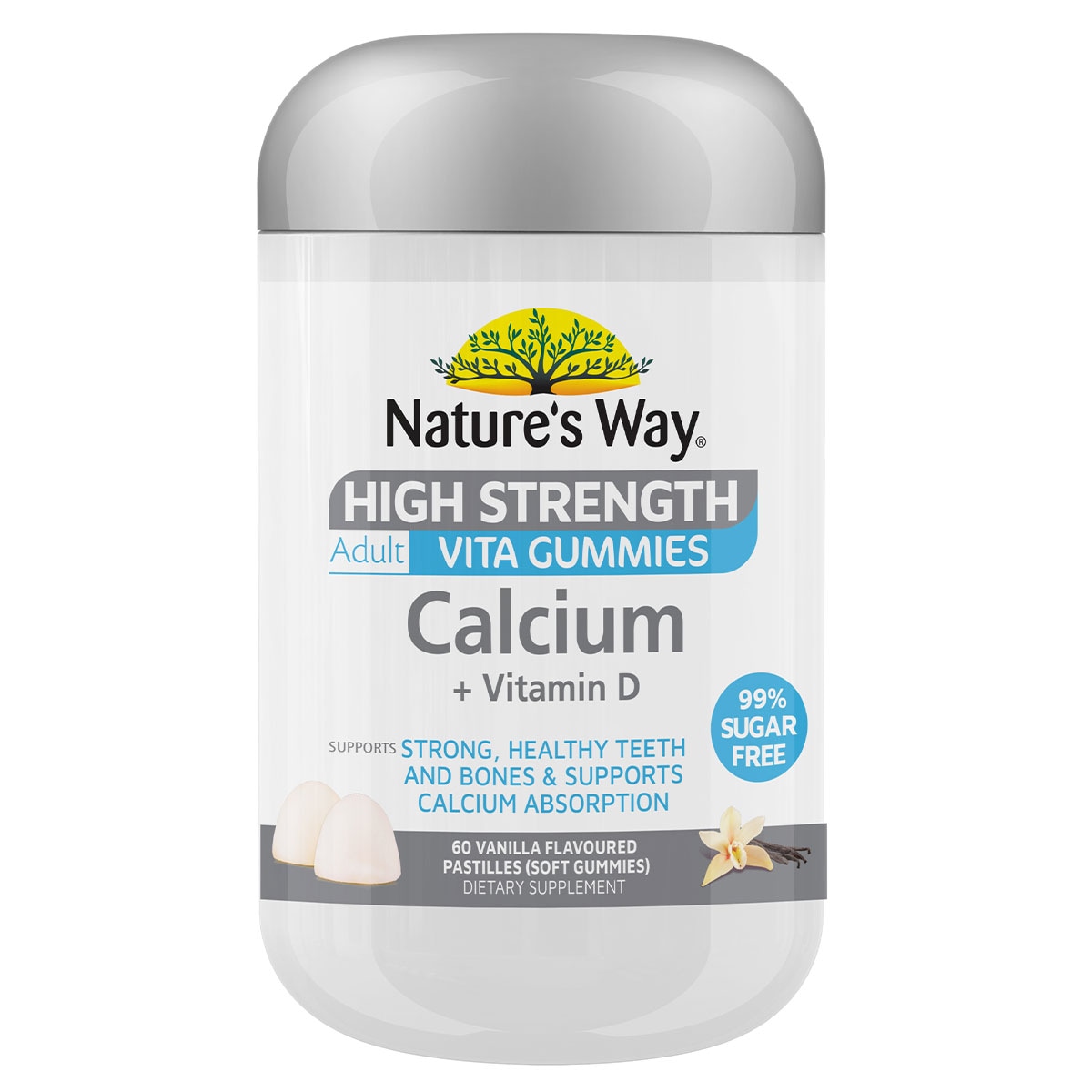
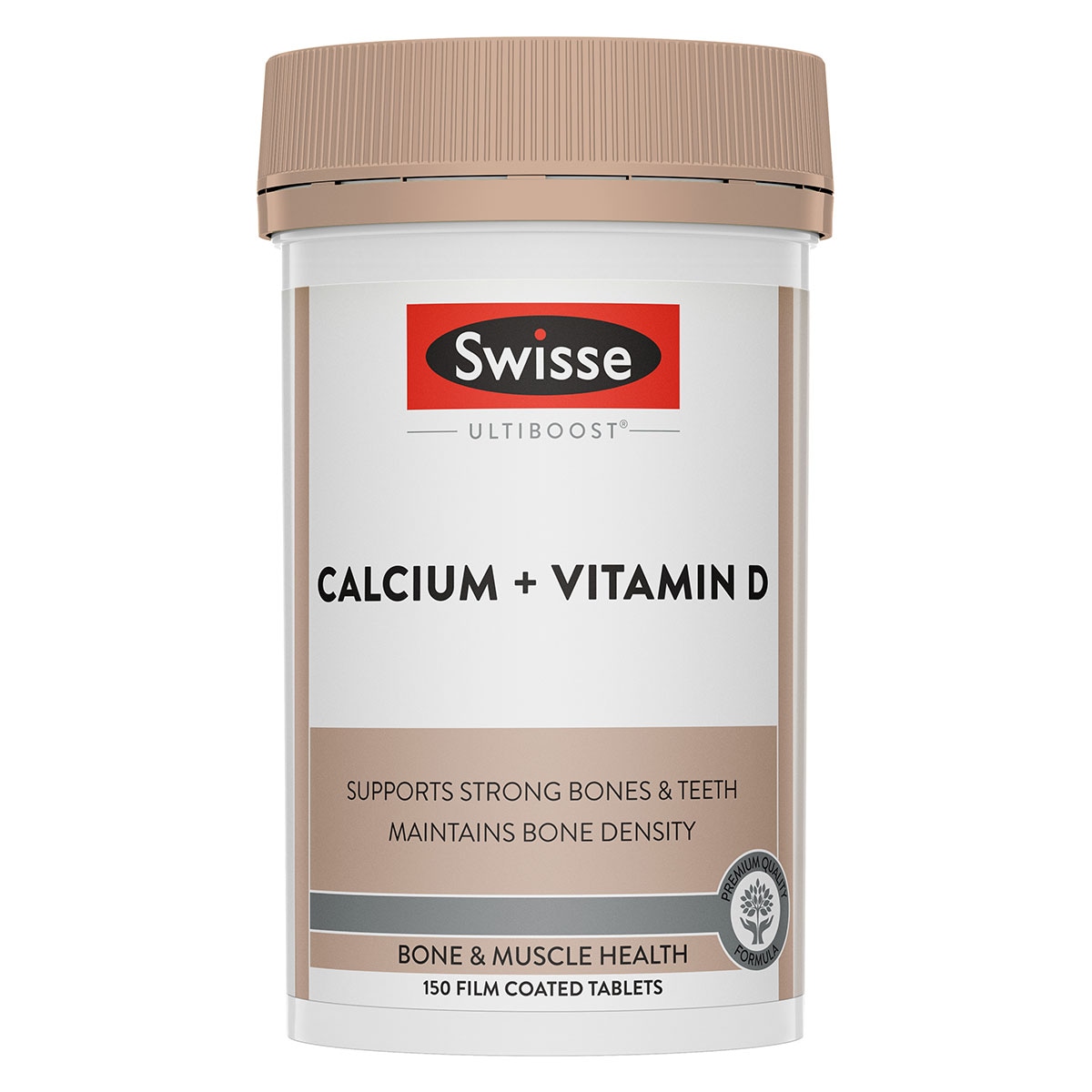
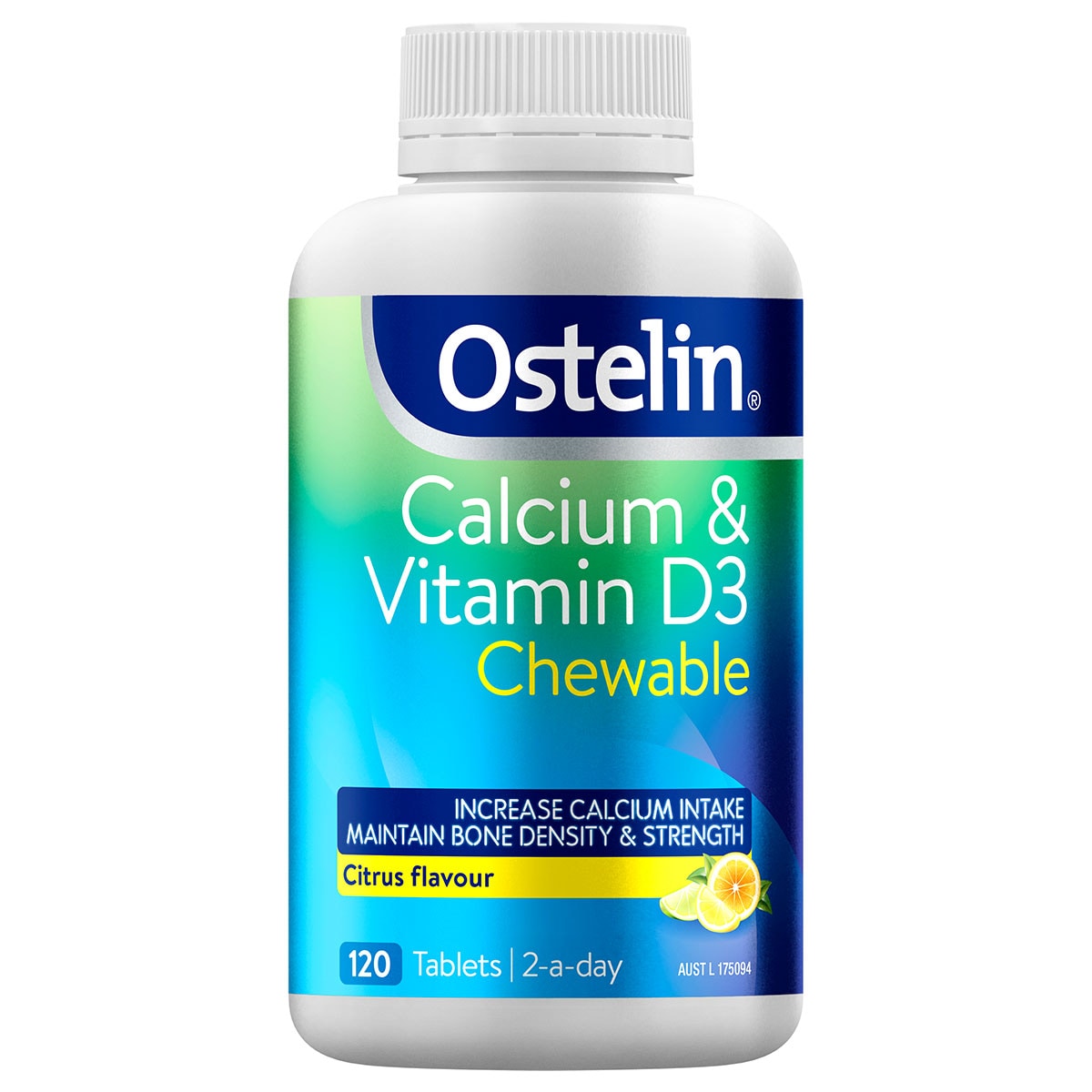
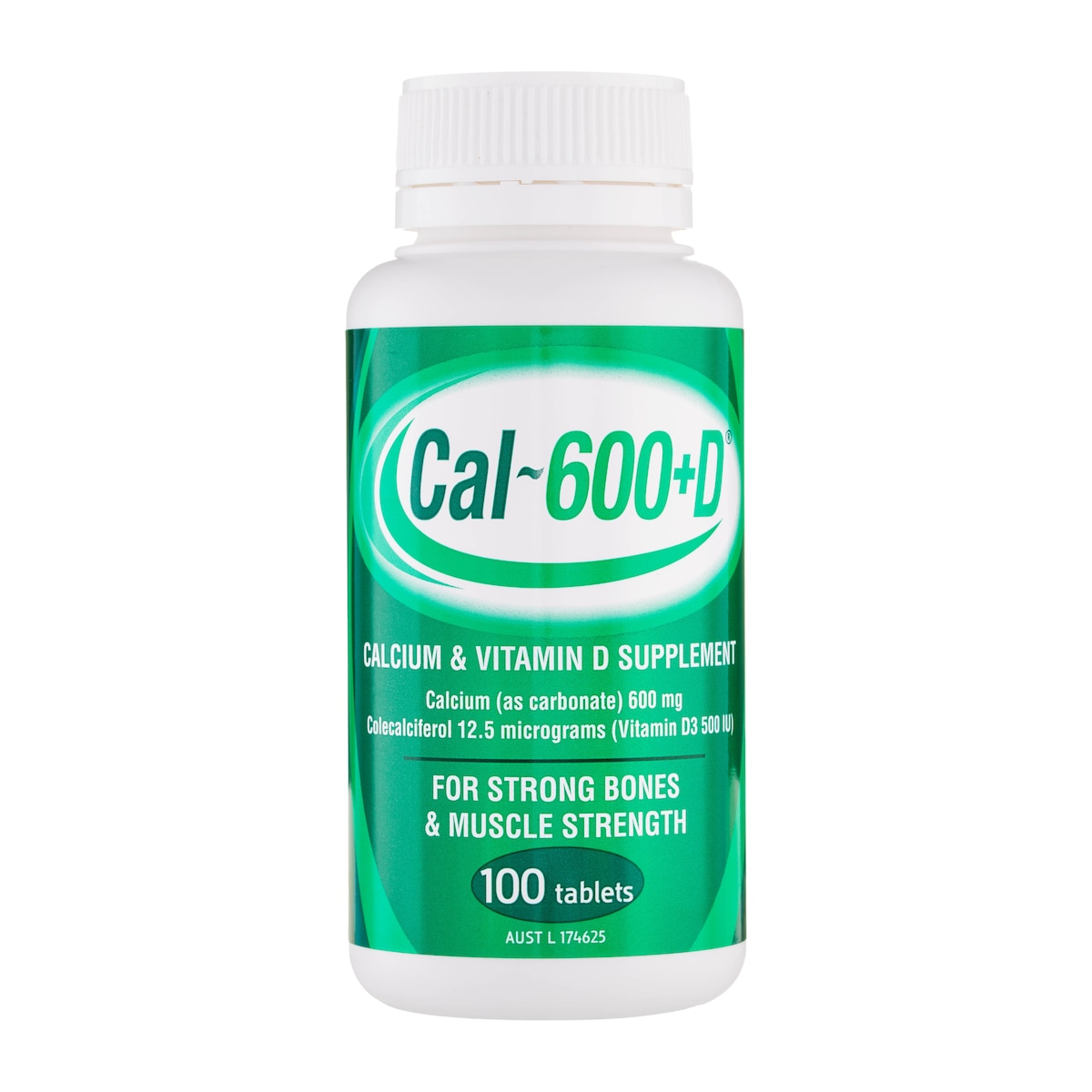
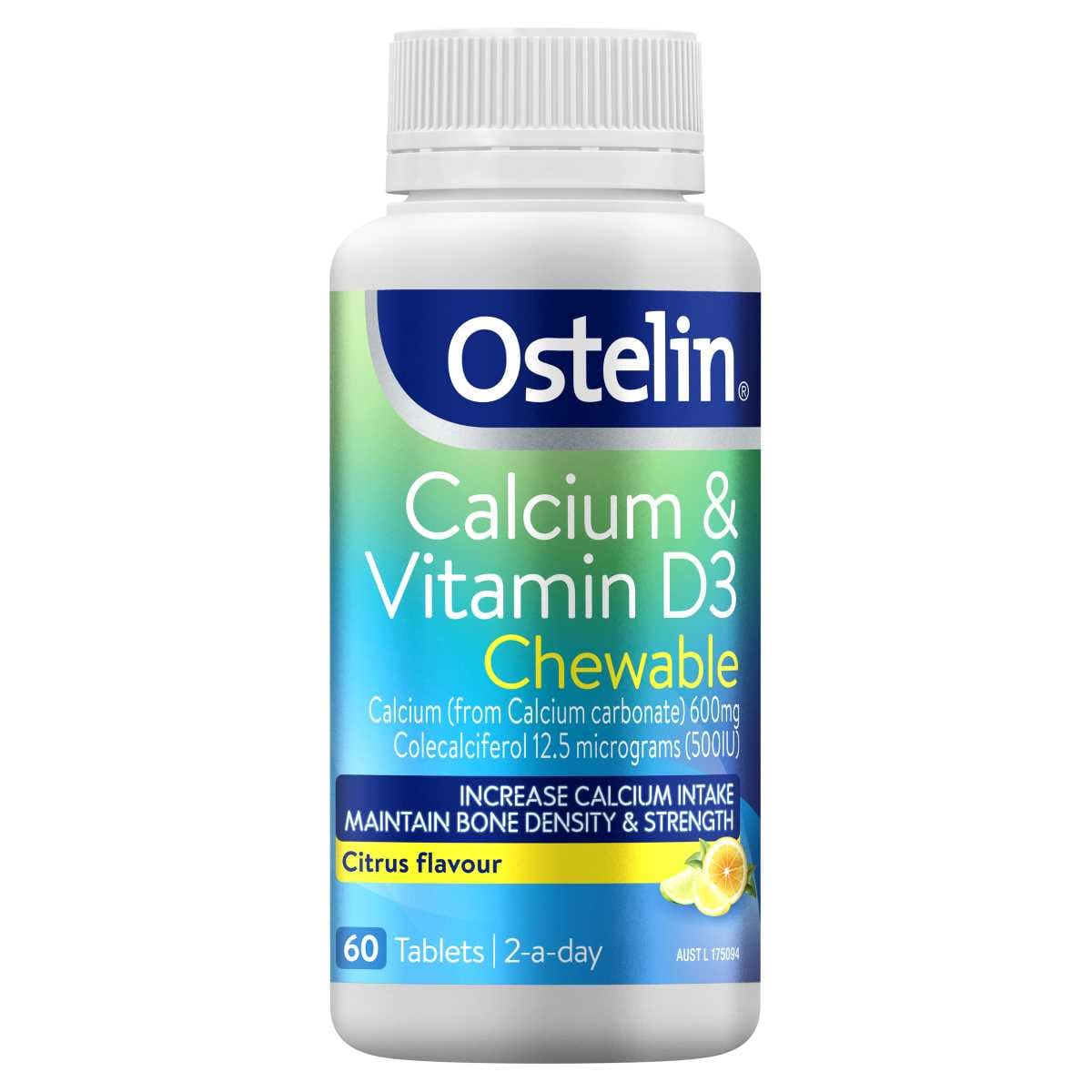
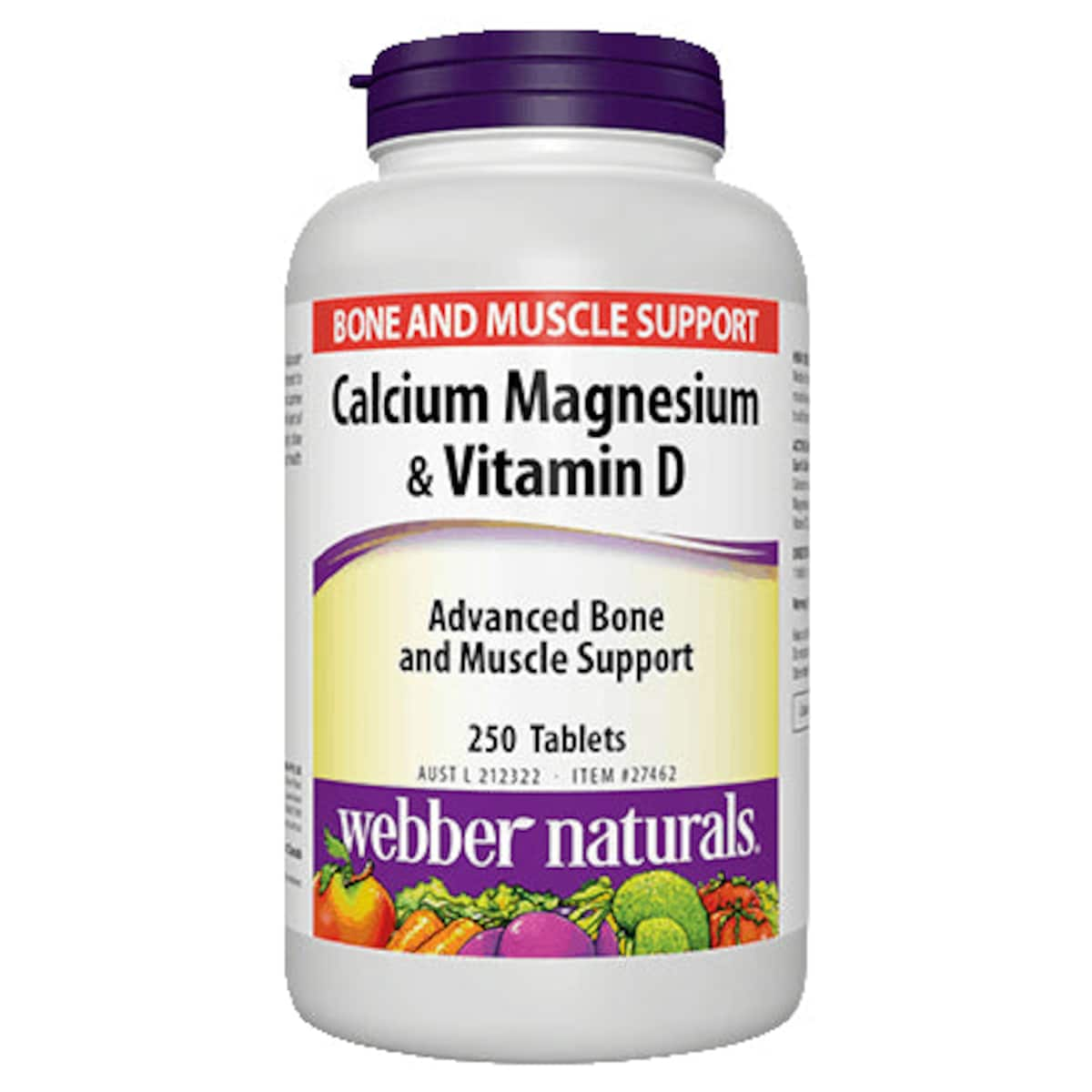
Calcium and Vitamin D3 are often taken together because they work closely in the body. Calcium is the main mineral used to build and maintain bones and teeth, while Vitamin D helps the body absorb calcium from the gut and maintain healthy calcium levels in the blood.
This is why many bone-health supplements combine both nutrients in one tablet, capsule, softgel or powder. Calcium provides the building material, while Vitamin D3 helps the body use it properly.
Quick take: iHerb makes it easy to browse supplements, protein, wellness products, and healthy pantry staples in one place. It’s a handy option for comparing ingredients, brands, and customer reviews before choosing what suits your goals.
However, calcium and Vitamin D3 supplements are not automatically needed by everyone. The best approach is to get as much calcium as possible from food, check Vitamin D status where relevant, and use supplements only when diet, sun exposure, age, bone health, medical history or blood tests suggest they are useful.
Affiliate disclosure: This article may contain merchant links. If you purchase through a link, we may earn a commission at no extra cost to you. iHerb has been included at the reader’s request, although its affiliate cookie period may be shorter than the original merchant filter. Always check the product label, elemental calcium amount, Vitamin D3 dose, added Vitamin K, allergens, medication interactions, shipping availability and import rules before buying any supplement.
Quick Answer: Why Are Calcium and Vitamin D3 Taken Together?
Calcium and Vitamin D3 are taken together because Vitamin D helps the body absorb calcium. Without enough Vitamin D, the body may not absorb calcium efficiently, which can affect bone mineralisation over time.
People commonly use calcium + Vitamin D3 supplements for:
Bone health support
Teeth support
Low calcium intake
Low Vitamin D status
Older adult bone-health routines
Post-menopause bone-health support
Osteoporosis or osteopenia support routines under medical guidance
People who avoid dairy or calcium-rich foods
People with limited sun exposure
People using supplements recommended by a doctor, pharmacist or dietitian
What Does Calcium Do?
Calcium is best known for bone and teeth health, but it does more than that. The body uses calcium for:
Most calcium in the body is stored in bones and teeth. If calcium intake is too low for a long time, the body may draw calcium from bone to keep blood calcium levels stable.
What Does Vitamin D3 Do?
Vitamin D3, also called cholecalciferol, is the form of Vitamin D made in the skin after sunlight exposure. It is also used in many supplements.
Vitamin D3 is commonly preferred in supplements because it generally raises and maintains Vitamin D blood levels better than Vitamin D2 for many people.
Why Calcium Alone May Not Be Enough
Taking calcium without enough Vitamin D may not be ideal because Vitamin D is needed for efficient calcium absorption. This is the main reason calcium and Vitamin D3 are often paired.
Think of it like this:
Calcium is the building material.
Vitamin D3 helps the body absorb and use the building material.
Protein, magnesium, Vitamin K, exercise and hormones also influence bone health.
Bone health is not about calcium alone. It is a whole-body process involving nutrition, movement, sunlight, hormones, muscle strength and age-related changes.
Who May Need Calcium + Vitamin D3?
Calcium + Vitamin D3 supplements may be worth discussing with a healthcare professional if you:
Do not eat dairy or calcium-fortified foods
Eat very little calcium-rich food
Have low Vitamin D levels on a blood test
Have osteopenia or osteoporosis
Are post-menopausal
Are an older adult with fracture risk
Have limited sun exposure
Cover most of your skin outdoors
Have darker skin and low sun exposure
Have malabsorption conditions
Take medicines that affect bone health, such as long-term corticosteroids
Have been advised to supplement by a doctor, pharmacist or dietitian
Food Sources of Calcium
Food is usually the best first source of calcium. Good calcium sources include:
Milk
Yoghurt
Cheese
Calcium-fortified plant milks
Calcium-set tofu
Sardines or salmon with edible bones
Kale and bok choy
Almonds
Tahini and sesame seeds
Fortified breakfast cereals
White beans
Food and Sun Sources of Vitamin D
Vitamin D is harder to get from food alone. The body can make Vitamin D when skin is exposed to sunlight, but sun exposure varies by season, age, skin tone, clothing, sunscreen use, latitude and lifestyle.
Food sources include:
Salmon
Sardines
Mackerel
Tuna
Egg yolks
Fortified milk
Fortified plant milks
Fortified cereals
UV-exposed mushrooms
Calcium Carbonate vs Calcium Citrate
Form
What It Means
Best For
What to Watch
Calcium Carbonate
Common, affordable calcium form with a high percentage of elemental calcium
People who can take calcium with meals
Best absorbed with food; may cause constipation or gas in some people
Calcium Citrate
Calcium bound to citric acid
People with low stomach acid, older adults, or those using acid-reducing medication
Usually contains less elemental calcium per tablet, so more tablets may be needed
How to Take Calcium + Vitamin D3
Check the label for elemental calcium, not just total compound weight.
Calcium is usually absorbed best in smaller doses, often around 500mg or less at one time.
Calcium carbonate is usually best taken with food.
Calcium citrate can usually be taken with or without food.
Vitamin D3 is fat-soluble and is often taken with a meal.
Do not stack multiple calcium, Vitamin D, multivitamin and bone-health formulas without checking totals.
Ask a pharmacist about spacing from thyroid medication, iron, zinc, antibiotics or osteoporosis medicines.
Where to Buy Calcium + Vitamin D3 From Recommended Merchants
Using the recommended merchant list, the clearest direct calcium + Vitamin D3 options are from Nutricost, Myprotein, Bulk and iHerb. Dr. Berg has related Vitamin D3/K2 and magnesium + D3 products, but I would not list those as direct calcium + D3 products. I could not verify a direct Dr. Kellyann calcium + D3 supplement, so I have not included it as a buying option.
Nutricost Calcium + Vitamin D3 Tablets provide 1,200mg calcium and 50mcg Vitamin D per two-tablet serving. The product page lists 240 tablets per bottle and describes the product as gluten-free, non-GMO and third-party tested.
Best for: people wanting a straightforward calcium + Vitamin D3 tablet from a supplement-focused merchant.
Important note: 1,200mg calcium per serving is a high amount. Many people will not need that much from supplements if they already get calcium from food.
Recommended Merchant Option: Nutricost Women Calcium + Vitamin D3
Nutricost Women Calcium + Vitamin D3 provides 600mg calcium and 12.5mcg Vitamin D3 per serving. The product page lists 180 capsules and 60 servings per bottle.
Best for: people wanting a lower-calcium serving than the 1,200mg Nutricost tablet product.
Related Merchant Option: Nutricost Calcium + Magnesium + Zinc Citrates with Vitamin D3
Nutricost also lists a calcium, magnesium, zinc and Vitamin D3 powder. This is a broader mineral formula rather than a simple calcium + D3 tablet.
Best for: people wanting a multi-mineral powder that includes calcium and Vitamin D3.
Important note: this product also contains magnesium and zinc, so check your total mineral intake if you already use multivitamins, magnesium, zinc or bone-health formulas.
Myprotein Calcium & Vitamin D3 Tablets provide calcium and Vitamin D in a simple tablet format. The product page lists 800mg calcium and 5mcg Vitamin D per two-tablet serving.
Best for: people who already shop with Myprotein and want a simple calcium + D3 product.
Recommended Merchant Option: iHerb Calcium + Vitamin D3 Range
iHerb carries a wide range of calcium + Vitamin D3 supplements, including tablets, softgels, powders, chewables and formulas with magnesium or Vitamin K.
Best for: readers who want the widest product choice and international delivery options.
Dr. Berg D3 & K2 Vitamin provides Vitamin D3 with Vitamin K2 and MCTs. This is not a calcium supplement, but it is a related Vitamin D3/K2 product for people comparing bone-health support formulas.
Best for: people specifically looking for a D3 + K2 formula rather than calcium + D3.
Important note: Vitamin K2 products need caution if you take warfarin.
The label should show how much actual calcium is provided per serving. This matters more than the weight of the calcium compound.
2. Do Not Automatically Choose the Highest Dose
If you already get calcium from milk, yoghurt, cheese, fortified plant milks, tofu or leafy greens, you may only need a smaller top-up dose, not a high-dose 1,200mg supplement.
3. Consider Splitting Calcium Intake
Calcium is usually absorbed better in smaller amounts. If you need a larger daily supplement dose, it may be better split across the day rather than taken all at once.
4. Choose the Right Calcium Form
Calcium carbonate is common and affordable, but usually best with food. Calcium citrate may suit people with low stomach acid or those using acid-reducing medication.
5. Watch Vitamin D3 Dose
Vitamin D3 is useful, but more is not always better. High-dose D3 can cause high calcium levels if overused. Blood testing is the best way to personalise Vitamin D dosing.
6. Check for Vitamin K
Some bone formulas add Vitamin K1 or K2. This may suit some people, but it is a major caution for people taking warfarin.
7. Avoid Stacking Bone Formulas
Do not combine calcium + D3, multivitamins, magnesium formulas, D3/K2 products and bone-health blends without checking the total calcium, Vitamin D, magnesium, zinc and Vitamin K amounts.
Safety and Cautions
Calcium + Vitamin D3 supplements can be useful, but they are not risk-free.
Speak with a healthcare professional before using calcium + Vitamin D3 if you:
Have kidney stones or a history of calcium oxalate stones
Have kidney disease or reduced kidney function
Have high blood calcium
Have hyperparathyroidism
Have sarcoidosis or granulomatous disease
Take thiazide diuretics
Take digoxin or heart rhythm medication
Take thyroid medication such as levothyroxine
Take osteoporosis medicines such as bisphosphonates
Take antibiotics such as tetracyclines or quinolones
Take iron, zinc or magnesium supplements
Take warfarin and the product contains Vitamin K
Are pregnant or breastfeeding
Are buying for a child
Possible side effects include constipation, gas, bloating, stomach upset, nausea or kidney stone risk in susceptible people. Too much Vitamin D can raise calcium levels too high, which can cause thirst, frequent urination, nausea, weakness, confusion, kidney problems or abnormal heart rhythm.
Related Vitamin D3/K2 option, not a calcium supplement
Calcium + Vitamin D3 FAQs
Why are calcium and Vitamin D3 taken together?
They are taken together because Vitamin D helps the body absorb calcium and maintain calcium levels needed for bone mineralisation.
Is calcium good for bones?
Yes. Calcium is a major building block of bones and teeth. It also supports muscle, nerve, blood clotting and heart function.
Is Vitamin D3 better than Vitamin D2?
Vitamin D3 is commonly used because it generally raises and maintains Vitamin D blood levels better than Vitamin D2 for many people.
Should everyone take calcium + Vitamin D3?
No. Some people get enough calcium from food and enough Vitamin D from sun exposure, food or existing supplements. Supplements are most useful when intake or blood levels are low, or when medically advised.
Can calcium supplements cause constipation?
Yes. Calcium supplements can cause constipation, gas or bloating in some people. Taking smaller doses, drinking enough water and choosing a different calcium form may help.
Can calcium + Vitamin D3 cause kidney stones?
High calcium intake from supplements may increase kidney stone risk in susceptible people. People with a history of kidney stones should seek medical advice before supplementing.
When is the best time to take calcium + Vitamin D3?
Calcium carbonate is usually best taken with food. Vitamin D3 is fat-soluble and is commonly taken with a meal. If taking a larger calcium dose, splitting it across the day may improve absorption.
Can I take calcium with thyroid medication?
Calcium can interfere with absorption of thyroid medication such as levothyroxine. Ask your pharmacist how many hours to separate them.
Can I take calcium + Vitamin D3 with magnesium?
Yes, many people do, and some formulas combine them. However, check total mineral intake and separate calcium from certain medications if needed.
Can I take calcium + D3 with Vitamin K2?
Some bone-health formulas combine calcium, D3 and K2. Vitamin K2 is not suitable for everyone, especially people taking warfarin, unless medically advised.
Final Thoughts: Are Calcium + Vitamin D3 Worth Taking?
Calcium + Vitamin D3 can be useful when calcium intake is low, Vitamin D levels are low, or bone-health support is needed. They are often paired because Vitamin D helps the body absorb and use calcium properly.
Bottom line: calcium is the bone-building mineral, and Vitamin D3 helps the body absorb it. Use supplements to fill real gaps, not to stack high doses blindly. Food, sunlight, blood testing, strength training and medical advice all matter for long-term bone health.
Health disclaimer: This article is for general information only and is not medical advice. Calcium and Vitamin D3 supplements are not medicines and are not intended to diagnose, treat, cure or prevent disease. Speak with a healthcare professional before using calcium + Vitamin D3 if you have kidney stones, kidney disease, high blood calcium, hyperparathyroidism, sarcoidosis, heart rhythm problems, are pregnant or breastfeeding, take thiazide diuretics, digoxin, thyroid medication, antibiotics, osteoporosis medication, iron, zinc, magnesium, warfarin, or are buying for a child. Seek medical advice for unexplained bone pain, fractures, severe weakness, confusion, excessive thirst, frequent urination or symptoms of high calcium.
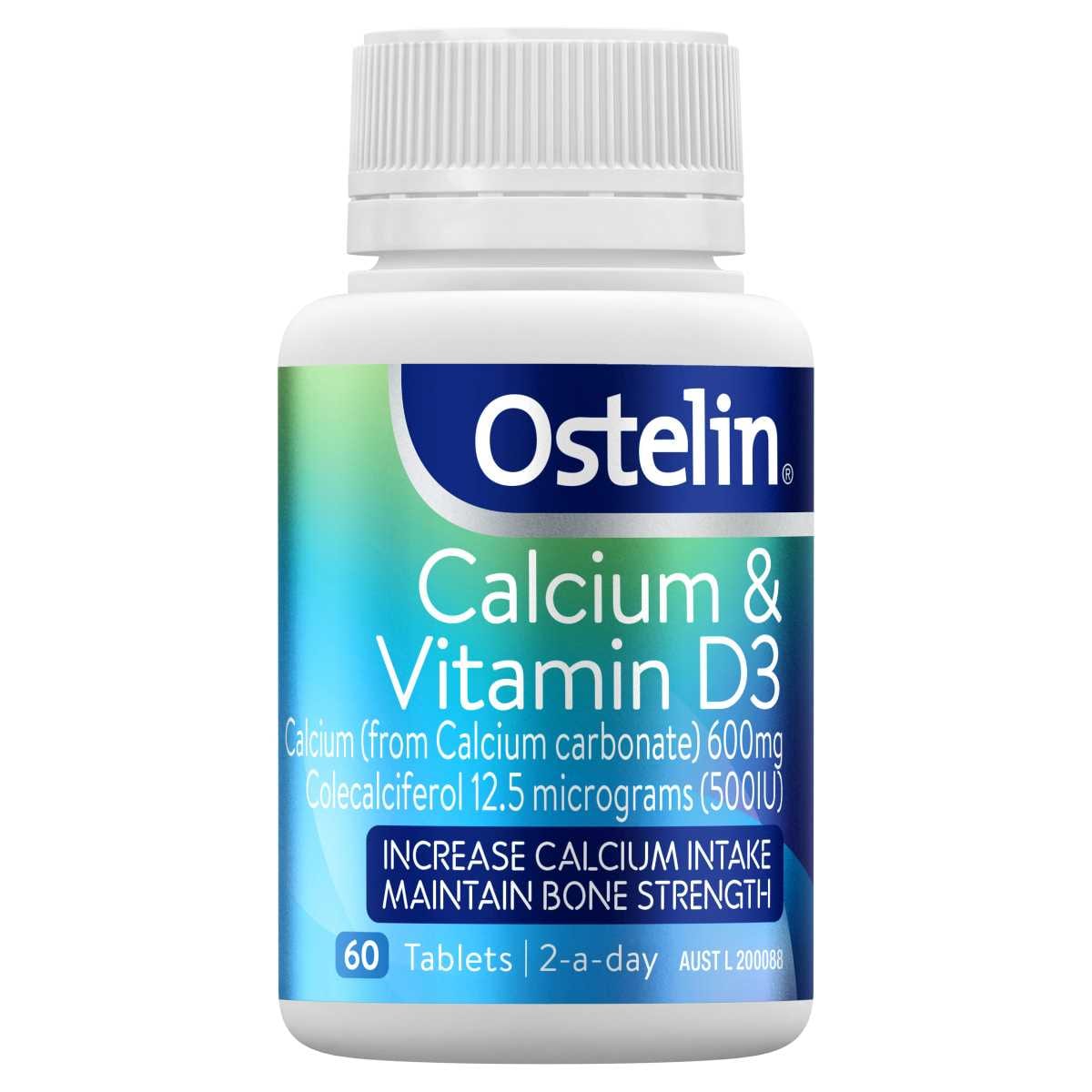
Ostelin Calcium & Vitamin D3 Minis 250 Tablets | Healthylife Ostelin Ostelin Calcium & Vitamin D3 Minis 250 Tablets. Tablet supplement (250 Tablets) Available from Healthylife; check current product details, price and availability before ordering.
Quick take: iHerb makes it easy to browse supplements, protein, wellness products, and healthy pantry staples in one place. It’s a handy option for comparing ingredients, brands, and customer reviews before choosing what suits your goals.
Quick take: iHerb makes it easy to browse supplements, protein, wellness products, and healthy pantry staples in one place. It’s a handy option for comparing ingredients, brands, and customer reviews before choosing what suits your goals.