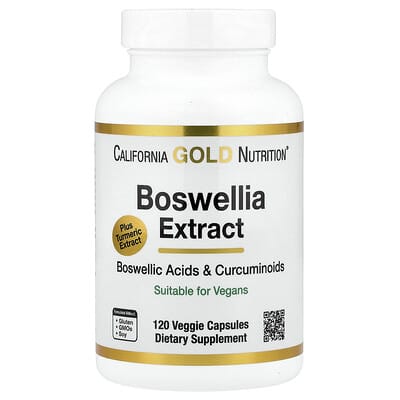
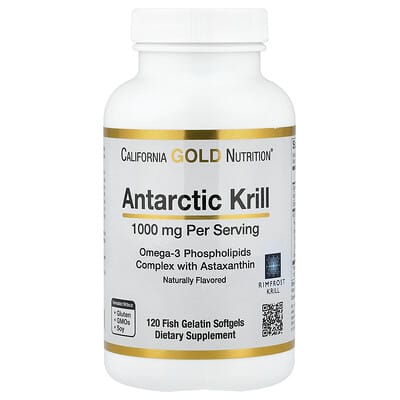
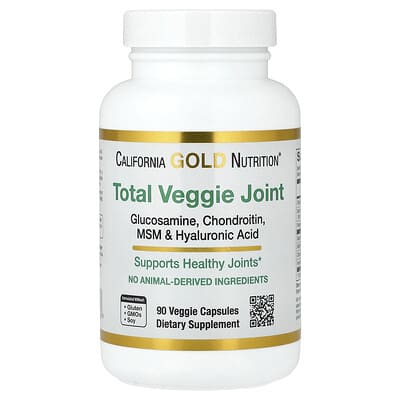
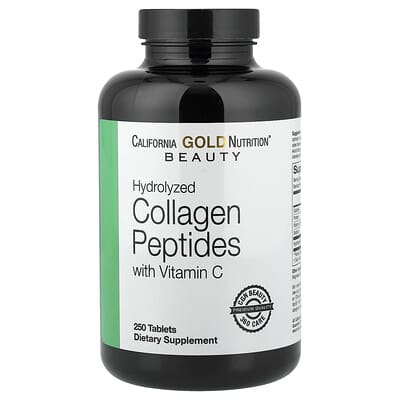
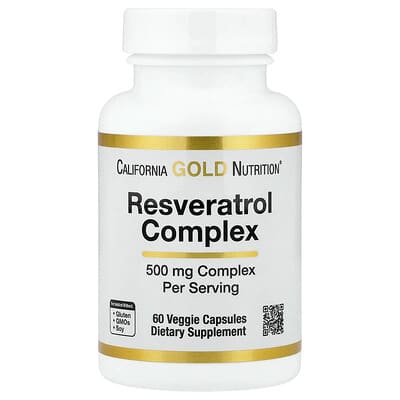
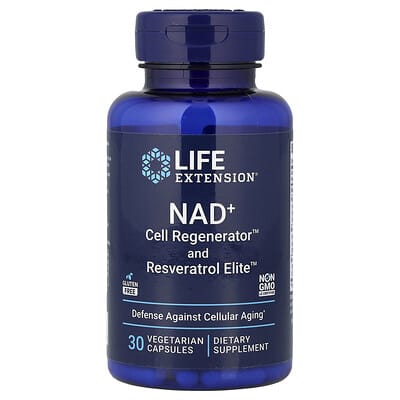
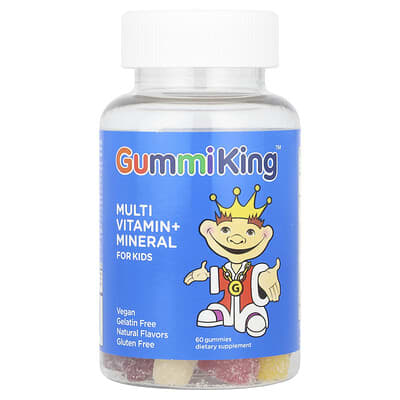
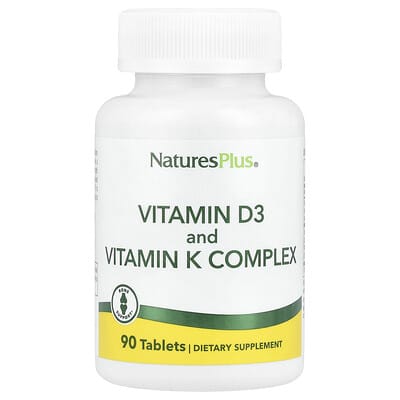
Supplements are products designed to add nutrients or other compounds to your diet. They can include vitamins, minerals, herbs, botanicals, amino acids, protein powders, probiotics, prebiotics, omega-3 oils, collagen, creatine, fibre powders and other wellness products.
Some supplements are useful. Some are unnecessary. Some are poorly chosen, overused, or taken for claims that are stronger than the evidence. The most important question is not “Are supplements good or bad?” but “Do you personally need this supplement, at this dose, for a real reason?”
Vitamins, Minerals & Dietary Supplements for Health & Wellness | Health… Offer now available for the Vitamins, Minerals & Dietary Supplements for Health & Wellness | Health Supplements. On sale with world wide delivery. Shop premium vitamins, minerals & dietary supplements for immunity, energy, digestion and overall wellness. Buy trusted health supplements online in Australia.. Browse our extensive range of products.…
Quick take: iHerb makes it easy to browse supplements, protein, wellness products, and healthy pantry staples in one place. It’s a handy option for comparing ingredients, brands, and customer reviews before choosing what suits your goals.
For many people, a balanced diet, enough protein, fibre-rich foods, sunlight, sleep, exercise and regular medical checks matter more than a cupboard full of pills. But supplements can help when they fill a genuine gap, support a specific goal, or are recommended after blood tests or professional advice.
Affiliate disclosure: This article may contain merchant links. If you purchase through a link, we may earn a commission at no extra cost to you. iHerb has been included at the reader’s request, although its affiliate cookie period may be shorter than the original merchant filter. Always check the product label, dose, ingredients, allergens, medicine interactions, shipping availability and import rules before buying any supplement.
Quick Answer: Do You Really Need Supplements?
You may need supplements if you have a confirmed deficiency, a restricted diet, low intake of certain nutrients, pregnancy-related needs, low Vitamin D, poor absorption, older age, bone-health concerns, vegan or vegetarian nutrition gaps, heavy training demands, or a specific recommendation from a healthcare professional.
You may not need supplements if you already eat well, have normal blood tests, take no restricted diet, get enough sun safely, meet your protein and fibre needs, and are only buying supplements because of social media trends or vague “wellness” claims.
What Counts as a Supplement?
Supplements can come in many forms, including:
Capsules
Tablets
Softgels
Powders
Gummies
Liquid drops
Sprays
Protein shakes
Effervescent tablets
Herbal tinctures
Functional drink mixes
Common supplement categories include:
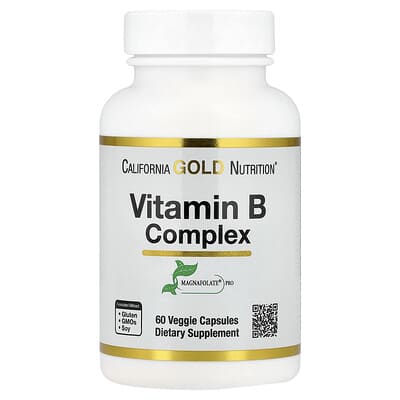
Vitamins: Vitamin D3, B12, Vitamin C, Vitamin K2, Vitamin A, Vitamin E and B-complex formulas.
Minerals: magnesium, zinc, calcium, iron, selenium, iodine and electrolytes.
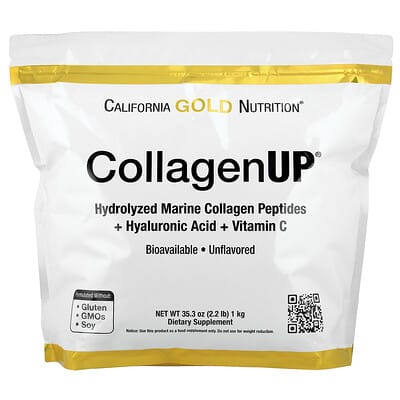
Protein supplements: whey protein, soy protein, vegan protein, collagen peptides and meal replacement powders.
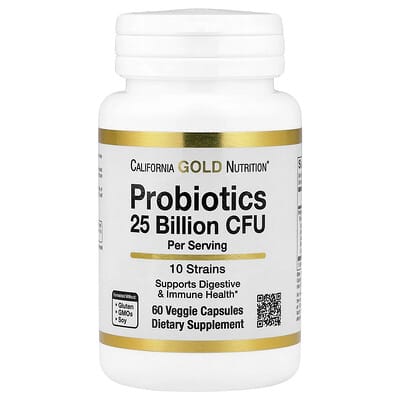
Gut-health supplements: probiotics, prebiotics, fibre powders and digestive enzymes.
Sports supplements: creatine, electrolytes, protein powders, amino acids and carbohydrate powders.
Herbal and botanical supplements: turmeric, ashwagandha, milk thistle, ginseng, berberine, citrus bergamot and black seed oil.
A supplement should supplement the diet, not replace it. Whole foods provide fibre, protein, healthy fats, vitamins, minerals, antioxidants and thousands of plant compounds that do not fit neatly into a capsule.
For example:
An orange gives Vitamin C, fibre, fluid and flavonoids.
Salmon gives protein, omega-3 fats, selenium, iodine and Vitamin D.
Greek yoghurt gives protein, calcium, B12 and probiotics if live cultures are present.
Lentils give fibre, protein, folate, magnesium, iron and prebiotic carbohydrates.
Pumpkin seeds give magnesium, zinc, healthy fats and protein.
Supplements are best used to fill gaps, not to cover up a poor diet.
Who Is More Likely to Benefit From Supplements?
1. People With a Diagnosed Deficiency
If blood tests show low Vitamin D, B12, iron, folate or another nutrient, a targeted supplement may be useful. This is one of the clearest reasons to supplement.
2. Vegans and Some Vegetarians
Vegan diets usually need reliable Vitamin B12. Depending on diet quality, vegans may also need attention to iron, zinc, iodine, calcium, Vitamin D, omega-3 and protein.
3. Older Adults
Older adults may need more attention to Vitamin D, calcium, protein, B12, magnesium, creatine, omega-3 and fibre. Appetite, absorption, medication use, bone health and muscle maintenance can all change with age.
4. Pregnant or Breastfeeding People
Pregnancy has specific nutrient needs, especially folic acid, iodine, iron, Vitamin D and sometimes omega-3. Pregnancy supplements should be chosen carefully and ideally with professional guidance.
5. People With Low Sun Exposure
Vitamin D may be low in people who spend most time indoors, cover most skin outdoors, live in low-sun climates, have darker skin, are older, or avoid sun exposure.
6. People With Restricted Diets
People avoiding dairy, gluten, meat, fish, eggs or large food groups may need targeted nutrients depending on what they remove and what they replace it with.
7. People With Gut or Absorption Issues
Coeliac disease, inflammatory bowel disease, bariatric surgery, chronic diarrhoea, pancreatic issues and some medications can affect nutrient absorption.
8. Active People and Older Adults Doing Strength Training
Protein powder, creatine and electrolytes may be useful for some active people, especially if food intake, muscle recovery or hydration needs are difficult to meet through meals alone.
9. People Taking Certain Medicines
Some medicines affect nutrient levels or absorption. For example, long-term metformin can affect B12 status in some people, and acid-reducing medicines may affect certain nutrients. Always ask your doctor or pharmacist before adding supplements to regular medication.
When Supplements May Be a Waste of Money
Supplements may be unnecessary if:
You already meet your nutrient needs through food.
You are taking a supplement without knowing why.
The product relies on vague claims such as “detox”, “cleanse” or “boost everything”.
You are taking multiple products with overlapping ingredients.
You are using supplements instead of fixing sleep, protein, fibre, alcohol intake or exercise.
You are chasing social media trends without checking evidence or safety.
You are taking high doses “just in case”.
The Most Common Useful Supplements
Supplement
When It May Be Useful
Main Caution
Vitamin D3
Low Vitamin D, limited sun exposure, bone-health routines
Too much can raise calcium levels; blood testing helps guide dose
Vitamin B12
Vegan diets, low B12, older adults, some medication use
Deficiency symptoms need proper testing and treatment
Magnesium
Low intake, muscle and nerve support, sleep-support routines
Kidney disease and medication interactions need caution
Kidney stones, high calcium and medicine spacing matter
Iron
Confirmed low iron or low ferritin
Do not take iron unless needed; excess iron can be harmful
Omega-3
Low oily fish intake, heart-health routines, triglyceride support under guidance
High doses may increase bleeding concerns or interact with medicines
Protein Powder
Low protein intake, strength training, older adults, busy meals
Does not replace a balanced diet; kidney disease needs advice
Creatine
Strength training, muscle support, older adult function routines
Kidney disease or kidney-risk medication requires medical advice
Probiotics
Targeted gut-health support, some antibiotic-associated diarrhoea routines
Not suitable for severely immunocompromised or critically ill people without advice
Fibre / Prebiotics
Low fibre intake, bowel regularity, gut microbiome support
Can worsen bloating if started too quickly, especially with IBS
Supplements That Need Extra Caution
High-Dose Vitamin A
Too much preformed Vitamin A can be toxic and is especially risky during pregnancy or when trying to conceive.
High-Dose Vitamin D
Vitamin D is useful when levels are low, but very high doses can cause high calcium levels and kidney problems.
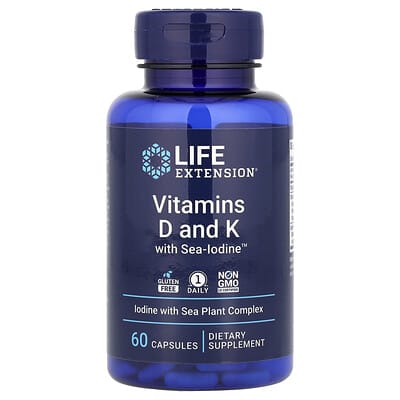
Vitamin K
Vitamin K1 and K2 can interfere with warfarin. Do not change Vitamin K supplements if you take warfarin unless your doctor approves it.
High-Dose Vitamin B6
Too much B6 over time can cause nerve symptoms such as tingling, numbness or burning.
Iron
Iron should generally be guided by blood tests. Too much iron can be harmful, especially for people who do not need it.
Herbal “Detox” Products
Detox teas, liver cleanses and aggressive herbal blends can contain laxatives, diuretics, stimulants or herbs that interact with medicines.
Weight-Loss, Bodybuilding and Sexual Performance Supplements
These categories have a higher risk of exaggerated claims, hidden stimulants, contamination or unsafe ingredients. Be especially careful with products bought from unknown overseas sellers or marketplaces.
How to Know If You Need a Supplement
Use this simple checklist before buying:
What problem am I trying to solve? Be specific. “Energy”, “health” or “detox” is too vague.
Can this be checked with a blood test? Vitamin D, B12, iron, folate and thyroid-related issues often need testing.
Can food fix the gap first? Sometimes the answer is more protein, vegetables, fibre, dairy alternatives or oily fish.
Is the dose sensible? Avoid mega-doses unless prescribed.
Does it overlap with what I already take? Many supplements double up on zinc, magnesium, B6, Vitamin D, selenium or iodine.
Does it interact with medication? Ask a pharmacist if you take regular medicines.
Is the claim realistic? Be wary of “cure”, “reverse”, “melt fat”, “detox”, “anti-ageing miracle” or “clinically proven” without clear evidence.
Is the seller reputable? Choose known merchants and transparent brands.
Food First: The Nutrients Supplements Often Try to Replace
Before buying several supplements, check whether your diet includes:
Magnesium: pumpkin seeds, nuts, oats, legumes, spinach and dark chocolate.
Iron: red meat, poultry, seafood, lentils, beans, tofu, spinach and fortified cereals.
Vitamin C: citrus, kiwi fruit, berries, capsicum and broccoli.
Omega-3: salmon, sardines, mackerel, trout, chia, flax and walnuts.
Fibre: oats, beans, lentils, vegetables, fruit, seeds and whole grains.
Probiotic foods: live yoghurt, kefir, kimchi, sauerkraut and fermented foods if tolerated.
Where to Buy Supplements From Recommended Merchants
Using the recommended merchant list from this supplement series, the best general options are Nutricost, Myprotein, Bulk, Dr. Berg, Dr. Kellyann and iHerb. Use each merchant for the product type they are strongest in rather than assuming every store is best for every supplement.
Recommended Merchant: Nutricost
Nutricost is useful for straightforward single-ingredient supplements, vitamins, minerals, amino acids, protein powders, creatine, electrolytes, probiotics and targeted formulas.
Best for: simple formulas, clear serving sizes and broad supplement variety.
Myprotein is strongest for protein powders, creatine, sports nutrition, electrolytes, vitamins, minerals, collagen, vegan proteins and convenient supplement formats.
Best for: sports nutrition, protein, creatine, active-lifestyle supplements and value bundles.
iHerb has one of the widest supplement ranges, including vitamins, minerals, herbs, probiotics, protein powders, collagen, beauty supplements, sports nutrition and natural health products from many brands.
Best for: wide product choice, brand comparison, customer reviews and international delivery options.
A good supplement label should clearly show the active ingredients, dose per serving, serving size, other ingredients, allergens, warnings and directions.
2. Avoid Proprietary Blends When Possible
“Proprietary blend” can hide the exact dose of each ingredient. This makes it harder to know whether you are getting a meaningful dose or too much of something.
3. Check for Third-Party Testing
Look for testing claims or certifications where possible, especially for protein powders, creatine, sports supplements, fish oil and products used by athletes.
4. Match the Supplement to the Goal
Do not take a multivitamin when you only need B12. Do not take a hair formula when the real issue might be low iron or thyroid problems. Do not take a “liver detox” when the better answer may be less alcohol and better blood tests.
5. Start With One Product at a Time
If you start five supplements at once and feel better or worse, you will not know which product caused the change. Start slowly and track effects.
6. Check Medicine Interactions
Supplements can interact with medicines. Common interaction examples include:
Vitamin K with warfarin
Calcium or magnesium with thyroid medication
Magnesium, calcium, iron or zinc with some antibiotics
St John’s wort with many medicines
High-dose fish oil or Vitamin E with blood thinners
Berberine with diabetes medicines
Iron with thyroid medication or some antibiotics
7. Be Careful With High Doses
More is not always better. High doses of Vitamin A, Vitamin D, Vitamin B6, iron, selenium, zinc, iodine, calcium and some herbs can cause harm.
Do Multivitamins Work?
Multivitamins can be useful as a nutritional safety net for some people, especially those with poor intake, restricted diets or higher needs. But they are not a substitute for a healthy diet and they are not proven to make every healthy person live longer, feel better or prevent disease.
A multivitamin may make sense if:
Your diet is inconsistent.
You eat very little variety.
You are older and appetite is lower.
You are travelling for long periods.
You are recovering from illness.
You have been advised to use one.
A multivitamin may be unnecessary if you already eat a balanced diet and have no known gaps.
Do “Natural” Supplements Mean Safe?
No. Natural does not automatically mean safe. Herbs, botanicals and concentrated extracts can still have strong biological effects, interact with medicines, affect the liver, change blood clotting, affect blood pressure or cause allergic reactions.
Examples of natural products that still need caution include:
Omega-3, fibre, plant sterols, citrus bergamot in some routines
Do not replace prescribed cholesterol or blood pressure medicine without advice
Hydration and exercise
Electrolytes, protein, creatine
Plain water is enough for many everyday situations
FAQs
What are supplements?
Supplements are products designed to add nutrients or other compounds to your diet. They can include vitamins, minerals, herbs, protein powders, probiotics, fibre, collagen, creatine, omega-3 and other wellness products.
Do most people need supplements?
Many people do not need supplements if they eat a varied diet and have no specific deficiencies or medical needs. Supplements are most useful when they fill a real gap.
Are supplements safe?
Some are safe for many people at sensible doses, but supplements can still cause side effects, interact with medicines, or be unsafe in certain health conditions.
What supplements are worth taking?
The most useful supplements are usually targeted ones: Vitamin D if low, B12 for vegans or deficiency, iron only if needed, calcium if intake is low, protein if intake is low, creatine for strength training, and fibre if fibre intake is poor.
Are multivitamins necessary?
Not always. A multivitamin can help some people with poor intake or restricted diets, but it does not replace healthy food and may be unnecessary if your diet is already good.
Can supplements replace a healthy diet?
No. Supplements can fill gaps, but they cannot replace the full benefits of whole foods, fibre, protein, healthy fats and a balanced eating pattern.
Should I get blood tests before taking supplements?
Blood tests are useful for nutrients such as Vitamin D, B12, iron, ferritin and folate. Testing is especially important if you have fatigue, hair loss, anaemia, numbness, bone concerns or persistent symptoms.
Can supplements interact with medication?
Yes. Calcium, magnesium, iron, zinc, Vitamin K, fish oil, St John’s wort, turmeric, berberine and many herbs can interact with medicines. Ask a pharmacist if you take regular medication.
Are gummy supplements as good as capsules?
Sometimes, but gummies may contain sugar, sweeteners or lower doses. They are convenient, but the label still matters.
Are expensive supplements better?
Not necessarily. A simple, well-dosed, third-party-tested product is often better than an expensive blend with unclear ingredients.
Supplements can be helpful, but only when they serve a clear purpose. The best supplement routine is usually simple, targeted and based on real needs rather than trends.
If you eat well and have no known deficiencies, you may not need much beyond food, movement, sleep and sunlight. If you have low Vitamin D, low B12, low iron, low calcium intake, poor protein intake, gut-health issues, bone concerns or training goals, the right supplement can make sense.
For broad product choice, browse iHerb Supplements. For simple formulas, compare Nutricost. For protein, creatine and active-lifestyle products, compare Myprotein and Bulk. For D3/K2, magnesium, electrolytes and wellness blends, compare Dr. Berg. For collagen and bone broth products, compare Dr. Kellyann.
Bottom line: supplements are tools, not magic. Use them to fill real gaps, choose quality products, avoid unnecessary mega-doses, and check with a healthcare professional if you take medication or have health conditions.
Health disclaimer: This article is for general information only and is not medical advice. Supplements are not medicines unless specifically regulated and labelled as such, and they are not intended to diagnose, treat, cure or prevent disease. Speak with a healthcare professional before using supplements if you are pregnant or breastfeeding, take medication, have kidney disease, liver disease, heart disease, cancer, autoimmune disease, diabetes, high blood pressure, blood-clotting issues, are scheduled for surgery, or are buying for a child. Seek medical advice for persistent fatigue, unexplained weight loss, hair loss, anaemia, numbness, tingling, severe digestive symptoms, bone pain or other ongoing symptoms.
Most popular sponsored products
Vitamins, Minerals & Dietary Supplements for Health & Wellness | Health Supplements Offer now available for the Vitamins, Minerals & Dietary Supplements for Health & Wellness | Health Supplements. On sale with world wide delivery. Shop premium vitamins, minerals & dietary supplements for immunity, energy, digestion and overall wellness. Buy trusted health supplements online in Australia.. Browse our extensive range of products.…
SmartyPants, Kids Organic, Multi & Omegas Gummies, Mixed Berry and Cherry, 120 Gummies Offer now available for the SmartyPants, Kids Organic, Multi & Omegas Gummies, Mixed Berry and Cherry, 120 Gummies. On sale with world wide delivery. USDA Organic Non-GMO Project Verified Clean Label Project® - Purity Award 134 mg omega-3 from organic flaxseed oil Vitamins C and D for immune support Vitamin…
Quick take: iHerb makes it easy to browse supplements, protein, wellness products, and healthy pantry staples in one place. It’s a handy option for comparing ingredients, brands, and customer reviews before choosing what suits your goals.
Quick take: iHerb makes it easy to browse supplements, protein, wellness products, and healthy pantry staples in one place. It’s a handy option for comparing ingredients, brands, and customer reviews before choosing what suits your goals.