Choosing the right supplement can feel confusing. There are vitamins, minerals, herbs, protein powders, collagen, probiotics, prebiotics, electrolytes, creatine, omega-3 oils and hundreds of “wellness” blends all claiming to support energy, sleep, immunity, gut health, hair growth, skin, joints, bones or healthy ageing.
The best supplement is not always the most popular one. It is the one that matches your real health goal, fills a genuine gap, has a sensible dose, suits your body, and does not clash with your medications or health conditions.
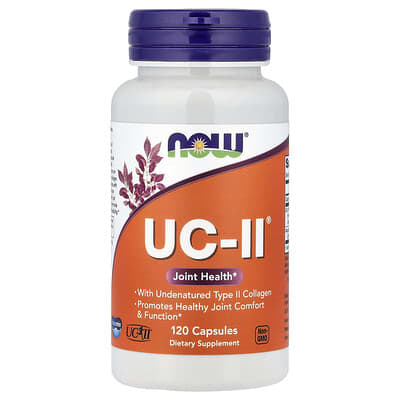
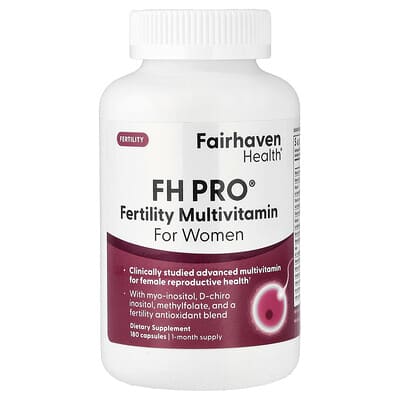
Quick take: iHerb makes it easy to browse supplements, protein, wellness products, and healthy pantry staples in one place. It’s a handy option for comparing ingredients, brands, and customer reviews before choosing what suits your goals.
Before buying anything, ask one simple question: What am I trying to improve, and is this supplement the right tool for that job?
Affiliate disclosure: This article may contain merchant links. If you purchase through a link, we may earn a commission at no extra cost to you. iHerb has been included at the reader’s request, although its affiliate cookie period may be shorter than the original merchant filter. Always check the product label, dose, ingredients, allergens, safety warnings, medicine interactions, shipping availability and import rules before buying any supplement.
Quick Answer: How Do You Choose the Right Supplement?
Choose a supplement by matching it to a clear goal, checking whether you actually need it, reviewing the dose, checking safety warnings, avoiding ingredient overlap, and choosing a reputable merchant.
A good supplement decision usually follows these steps:
Define your goal: energy, sleep, bone health, muscle, digestion, immunity, heart health, skin, joints or general wellness.
Check the likely cause: diet gap, deficiency, lifestyle issue, age-related change, training need, medication effect or medical condition.
Use food first where possible: supplements should fill gaps, not replace a poor diet.
Use blood tests where relevant: especially for Vitamin D, B12, iron, ferritin and folate.
Choose targeted products: avoid taking a complex blend when you only need one nutrient.
Check for duplication: many formulas overlap on zinc, magnesium, Vitamin D, B6, selenium and iodine.
Check medicine interactions: ask a pharmacist if you take regular medication.
Review after a trial period: stop what is not helping or no longer needed.
Step 1: Start With Your Health Goal
The right supplement depends on the goal. A product for muscle support is different from a product for bone health. A gut-health fibre powder is different from a probiotic. A sleep-support magnesium product is different from a caffeine-loaded energy blend.
Sleep, protein, vaccination, hygiene and overall health matter more than mega-dose supplements.
Step 2: Decide Whether You Need a Supplement at All
Not everyone needs supplements. Many people can meet their needs through food, sunlight, movement and sleep. Supplements are most useful when there is a real reason for them.
You May Benefit From Supplements If You:
Have a diagnosed deficiency
Have low Vitamin D, B12, iron, ferritin or folate on blood tests
Follow a vegan, vegetarian or restricted diet
Are pregnant, breastfeeding or trying to conceive
Are an older adult with lower appetite or bone-health concerns
Have low calcium or protein intake
Have limited sun exposure
Have gut or absorption problems
Train regularly and struggle to meet protein or hydration needs
Have been advised to supplement by a doctor, pharmacist or dietitian
You May Not Need Supplements If You:
Eat a varied, nutrient-rich diet
Have no known deficiencies
Are taking products only because of social media trends
Already take several overlapping formulas
Are using supplements instead of improving sleep, protein, fibre or exercise
Are buying high-dose products “just in case”
Step 3: Match the Supplement to the Goal
For Energy and Fatigue
Do not automatically reach for a B-complex or energy booster. Fatigue can come from many causes, including poor sleep, low iron, low B12, low Vitamin D, thyroid problems, medication, inflammation, stress or not eating enough protein and calories.
Useful supplements may include:
Vitamin B12: especially for vegans, older adults or low B12 status.
Iron: only if blood tests show low iron or ferritin, or if advised.
Vitamin D3: if blood levels are low or sun exposure is limited.
Magnesium: if intake is low or muscle tension is part of the picture.
B-complex: useful for broad B-vitamin support, but check B6 and niacin doses.
For Bone Health
Bone health is not just calcium. It involves calcium, Vitamin D, magnesium, protein, Vitamin K, resistance training, weight-bearing movement, hormones and fall prevention.
Useful supplements may include:
Calcium + Vitamin D3: if calcium intake is low or bone-health support is needed.
Vitamin D3: if blood levels are low.
Vitamin K2: sometimes used with D3, but avoid with warfarin unless medically advised.
Magnesium: supports bone and muscle function.
Protein or collagen: useful if protein intake is low or connective tissue support is a goal.
For Muscle, Strength and Healthy Ageing
For older adults or active people, the strongest supplement basics are usually protein and creatine, paired with resistance training.
Useful supplements may include:
Protein powder: whey, soy, vegan protein or collagen depending on the goal.
Creatine monohydrate: useful for strength training and muscle support.
Electrolytes: useful for heavy sweating, heat or endurance activity.
Vitamin D3: if levels are low.
Magnesium: if intake is low or cramps/tension are an issue.
For Gut Health
Gut-health supplements should be chosen carefully because probiotics, prebiotics and fibre all work differently.
Useful supplements may include:
Probiotics: live microorganisms used for targeted gut support.
Prebiotics: fibres that feed beneficial gut bacteria.
Soluble fibre: such as psyllium, inulin or partially hydrolysed guar gum.
Digestive enzymes: useful only in specific cases, not for everyone.
Magnesium: some forms may help bowel regularity, but dose matters.
If you have IBS, reflux, inflammatory bowel disease, persistent diarrhoea, severe bloating, blood in stool, unexplained weight loss or ongoing pain, get proper medical advice before experimenting with multiple gut supplements.
For Hair, Skin and Nails
Beauty supplements can help when they fill real nutrition gaps, but they will not fix every cause of hair thinning, brittle nails or ageing skin.
Useful supplements may include:
Collagen peptides: may support skin hydration and elasticity modestly.
Biotin: useful if intake is low, but high-dose biotin can interfere with blood tests.
Zinc and selenium: support normal hair and nail maintenance, but excess can cause problems.
Vitamin C: supports normal collagen formation.
Iron, B12, folate and Vitamin D: only if low or medically relevant.
For Heart Health and Cholesterol Support
Heart-health supplements should never replace prescribed medication or medical review. They make the most sense alongside diet, exercise, weight management, blood pressure control and blood tests.
Useful supplements may include:
Soluble fibre: such as psyllium or oat beta-glucan.
Omega-3: especially if oily fish intake is low.
Citrus bergamot: sometimes used for cholesterol-support routines.
CoQ10: sometimes used by people on statins, under guidance.
Magnesium: if intake is low and blood pressure or muscle function is a concern.
For Sleep and Stress Support
Sleep supplements are often over-marketed. Start with caffeine timing, alcohol intake, sleep schedule, light exposure, stress, pain and possible sleep apnoea before relying on pills.
Useful supplements may include:
Magnesium glycinate: commonly used for relaxation and sleep-support routines.
Glycine: sometimes used in evening routines.
L-theanine: used for calm-focus routines.
5-HTP or herbal blends: need more caution, especially with antidepressants or other medicines.
Step 4: Check the Dose Carefully
Supplement labels can be misleading if you do not know what to look for. Always check:
Serving size: one tablet, two capsules, one scoop or several gummies?
Amount per serving: not just amount per capsule or per bottle.
Elemental mineral amount: especially for magnesium, calcium, zinc and iron.
Percentage of daily value: high percentages are not always better.
Added ingredients: sweeteners, caffeine, herbs, colours, fillers or allergens.
Overlap with other products: especially Vitamin D, zinc, selenium, iodine, magnesium and B6.
Step 5: Avoid These Common Supplement Mistakes
Mistake 1: Taking Too Many Products at Once
If you start six supplements at the same time, you will not know which one helped or caused side effects. Start one product at a time and review it.
Mistake 2: Doubling Up on Ingredients
A multivitamin, hair formula, magnesium blend, sleep product and immunity product may all contain B6, zinc, magnesium, selenium or Vitamin D. Too much can cause problems.
Mistake 3: Choosing Mega-Doses Without Testing
High doses of Vitamin A, Vitamin D, B6, iron, selenium, zinc, iodine and calcium can be risky. More is not always better.
Mistake 4: Ignoring Medication Interactions
Supplements can interact with medication. Always check with a pharmacist if you take regular medicines.
Mistake 5: Believing “Natural” Means Safe
Natural products can still affect the liver, kidneys, hormones, blood pressure, blood clotting or medication levels.
Mistake 6: Using Supplements Instead of Medical Care
Persistent fatigue, hair loss, anaemia, numbness, tingling, digestive symptoms, unexplained weight loss, chest pain, severe joint swelling or memory changes should not be self-treated with supplements alone.
Step 6: Check Safety Before Buying
Speak with a healthcare professional before starting supplements if you:
Take prescription medication
Take blood thinners such as warfarin
Have kidney disease
Have liver disease
Have heart disease or heart rhythm problems
Have high blood pressure
Have diabetes
Have cancer or are having cancer treatment
Have autoimmune disease
Are pregnant or breastfeeding
Are buying for a child
Are scheduled for surgery
Have allergies to fish, shellfish, soy, dairy, egg, gluten or herbs
Step 7: Choose a Reputable Merchant
Using the recommended merchant list from this supplement series, these are practical places to compare products. Choose the merchant based on the type of supplement you need.
Nutricost
Nutricost is useful for straightforward single-ingredient supplements, vitamins, minerals, creatine, amino acids, protein powders, electrolytes, probiotics and targeted formulas.
Best for: simple formulas, clear supplement categories and broad product choice.
Bulk is useful for protein powders, creatine, collagen, vitamins, minerals, electrolytes, prebiotics, probiotics, fibre and active-lifestyle supplements.
Best for: powder formats, sports nutrition, collagen, protein and simple supplement staples.
iHerb has one of the widest supplement ranges, including vitamins, minerals, herbs, probiotics, prebiotics, protein powders, collagen, sports nutrition and natural health products from many brands.
Best for: comparing brands, reading customer reviews and finding a wide range of international supplement options.
If you are buying supplements in Australia, look for clear labelling and check whether the product has an Australian Register of Therapeutic Goods number where required. Many complementary medicines have an AUST L number on the label. This does not mean the product is guaranteed to work for every person, but it is part of Australia’s regulatory system for listed medicines.
Be careful with unverified overseas products, especially weight-loss, bodybuilding, sexual performance, hormone, sleep and herbal “detox” supplements. These categories are more likely to have exaggerated claims or hidden ingredients.
When to Get Blood Tests Before Choosing a Supplement
Blood tests are especially useful before supplementing for:
Vitamin D
Vitamin B12
Iron and ferritin
Folate
Thyroid function
Kidney function before creatine, magnesium or high-dose minerals
Liver function before herbal blends or high-dose supplements
Calcium levels before high-dose Vitamin D or calcium
Testing helps you avoid guessing, wasting money or taking something you do not need.
How Long Should You Try a Supplement?
Different supplements need different trial periods.
Supplement Type
Typical Trial Period
What to Track
Magnesium for sleep or muscle tension
2 to 4 weeks
Sleep quality, cramps, digestive tolerance
Creatine
8 to 12 weeks
Strength, training performance, body weight, tolerance
Collagen peptides
8 to 12 weeks
Skin hydration, nail strength, joint comfort
Probiotics
2 to 8 weeks
Bloating, bowel pattern, digestive comfort
Vitamin D, B12, iron or folate
Usually guided by blood tests
Repeat blood tests, symptoms, medical advice
Supplement Red Flags
Be cautious if a supplement claims to:
Cure disease
Replace medication
Detox your liver overnight
Melt fat without diet or exercise
Reverse ageing
Regrow cartilage
Prevent Alzheimer’s disease
Balance all hormones
Work for everyone
Have no side effects because it is natural
Real supplements have limits. The more dramatic the claim, the more careful you should be.
FAQs
How do I know which supplement is right for me?
Start with your health goal, check whether food or lifestyle changes can fix the gap, use blood tests where relevant, choose a targeted supplement, and check medication interactions before buying.
Should I take a multivitamin or individual supplements?
A multivitamin can be useful if your diet is inconsistent, but individual supplements are often better when you know the specific gap, such as Vitamin D, B12, iron, magnesium or calcium.
What supplements are best for energy?
Energy supplements depend on the cause. B12, iron, Vitamin D or magnesium may help if levels are low, but fatigue can also come from sleep, thyroid problems, inflammation, medication, stress or illness.
What supplements are best for older adults?
Older adults often pay attention to protein, Vitamin D, calcium, B12, magnesium, creatine, omega-3 and fibre, depending on diet, blood tests, bone health, muscle strength and medical advice.
What supplements are best for muscle?
Protein powder and creatine monohydrate are two of the most practical options, especially when combined with resistance training and enough total protein.
What supplements are best for gut health?
Fibre, prebiotics and probiotics may help, depending on the person. Start slowly with fibre and choose probiotics based on your goal rather than only the highest CFU count.
Can supplements interact with medication?
Yes. Calcium, magnesium, iron, zinc, Vitamin K, fish oil, St John’s wort, turmeric, berberine and many herbs can interact with medicines. Ask a pharmacist if you take regular medication.
Are expensive supplements better?
Not always. A simple, well-dosed, transparent product is often better than an expensive proprietary blend with unclear amounts.
Should I take supplements every day?
Some supplements are designed for daily use, but not everyone needs daily supplements. Use them for a clear reason and review whether they are still needed.
The right supplement should match a real health goal. Do not buy products just because they are trending, heavily promoted, or labelled as natural. Start with food, sleep, movement, hydration and blood tests where needed. Then choose targeted products that make sense for your body.
If you want simple single-ingredient supplements, compare Nutricost. If you want protein, creatine and active-lifestyle supplements, compare Myprotein and Bulk. If you want electrolytes, D3/K2, magnesium or wellness blends, compare Dr. Berg. If you want collagen and bone broth products, compare Dr. Kellyann. If you want the widest supplement range, browse iHerb Supplements.
Bottom line: the best supplement is not the one with the boldest claim. It is the one that fills a real gap, suits your health goal, has a sensible dose, and is safe for your medication and medical history.
Health disclaimer: This article is for general information only and is not medical advice. Supplements are not intended to diagnose, treat, cure or prevent disease unless specifically regulated and labelled as medicines. Speak with a healthcare professional before using supplements if you are pregnant or breastfeeding, take medication, have kidney disease, liver disease, heart disease, cancer, autoimmune disease, diabetes, high blood pressure, blood-clotting issues, are scheduled for surgery, or are buying for a child. Seek medical advice for persistent fatigue, unexplained weight loss, hair loss, anaemia, numbness, tingling, severe digestive symptoms, bone pain, chest pain, memory changes or other ongoing symptoms.
Vitamins, Minerals & Dietary Supplements for Health & Wellness | Health Supplements Offer now available for the Vitamins, Minerals & Dietary Supplements for Health & Wellness | Health Supplements. On sale with world wide delivery. Shop premium vitamins, minerals & dietary supplements for immunity, energy, digestion and overall wellness. Buy trusted health supplements online in Australia.. Browse our extensive range of products.…
Michael's Health, Fat Metabolism Factors™, 90 Vegetarian Tablets Offer now available for the Michael's Health, Fat Metabolism Factors™, 90 Vegetarian Tablets. On sale with world wide delivery. Michael's Health Naturopathic Programmes Since 1984 lecithin Guggul Gum Iodine and More... Food Supplement Certified Kosher Pareve ChromeMate® Family-run and Operated Fat Metabolism Factors™ Ideal for weight management Nutrients for metabolism…
Metagenics, CandiBactin-AR®, Gut Health, 120 Capsules Offer now available for the Metagenics, CandiBactin-AR®, Gut Health, 120 Capsules. On sale with world wide delivery. Practitioner Recommended Crafted With Plant-Based Ingredients Scientifically Designed Supports Gut and Respiratory Health Food Supplement Certified gluten-free Certified B Corporation CandiBactin-AR® features concentrated aromatic essential oils and herbal extracts for gut and respiratory…
Cabot Health Livatone Plus Turmeric Liver & Digestive Support 240 | Healthylife Cabot Health Offer now available for the Cabot Health Livatone Plus Turmeric Liver & Digestive Support 240 | Healthylife. On sale with world wide delivery. Cabot Health Livatone Plus, supports optimal digestive and gallbladder function. The formula could assist the liver in repairing and regenerating itself.. Browse our extensive range of products.…
Quick take: iHerb makes it easy to browse supplements, protein, wellness products, and healthy pantry staples in one place. It’s a handy option for comparing ingredients, brands, and customer reviews before choosing what suits your goals.
Quick take: iHerb makes it easy to browse supplements, protein, wellness products, and healthy pantry staples in one place. It’s a handy option for comparing ingredients, brands, and customer reviews before choosing what suits your goals.