Iron is an essential mineral for men, but it is one of those nutrients that needs balance. Too little iron can lead to deficiency and anemia, while too much iron can damage the body. That is why iron is very different from supplements that are casually taken “just in case.”
For men, iron matters because it helps carry oxygen in the blood and supports muscle function. At the same time, adult men usually need less iron than women of reproductive age, and unnecessary supplementation can create problems rather than benefits.
If you are thinking about taking iron, it helps to understand what it clearly does, who may actually need more attention, and why self-prescribing it without a reason is not always a smart move.
Iron is a mineral found in every cell of the body. It is considered essential because the body cannot make it, so it has to come from food or supplements when needed.
The human body needs iron to make hemoglobin, the oxygen-carrying protein in red blood cells, and myoglobin, the protein in muscles that helps store oxygen. Iron is also needed for growth, development, and normal body function.
Why Men Take Iron
Men usually think about iron for one or more of these reasons:
to correct low iron after blood loss or poor absorption
Some of these reasons are more appropriate than others. Iron is not a general energy booster for healthy men with normal iron levels. It is most useful when there is actual deficiency, low iron stores, or a medically identified need.
What Iron Clearly Does
Iron’s clearest role is helping carry oxygen through the body. Hemoglobin in red blood cells carries oxygen from the lungs to tissues, while myoglobin in muscles stores oxygen for muscle use.
That makes iron especially important for blood health, physical function, and overall energy metabolism. But more iron is not automatically better. The goal is adequacy, not overload.
Iron Deficiency in Men
When iron levels become too low, iron deficiency anemia can develop. Red blood cells become smaller and contain less hemoglobin, so the blood carries less oxygen throughout the body.
Possible symptoms include weakness, tiredness, lack of energy, trouble with concentration and memory, shortness of breath, and reduced ability to work and exercise. In some men, low iron may also show up as fatigue that seems out of proportion to activity levels.
In adult men, iron deficiency should not always be brushed off as “just low iron.” It can be linked to poor diet, blood loss, gastrointestinal disease, problems with nutrient absorption, or other medical issues that deserve proper assessment.
How Much Iron Men Need
Adult men aged 19 to 50 generally need 8 mg of iron per day. Adults aged 51 and older also generally need 8 mg per day.
Men who eat a mostly plant-based diet may need more attention to iron intake because the body does not absorb nonheme iron from plant foods as well as heme iron from animal foods. Vegetarians who do not eat meat, poultry, or seafood may need almost twice as much iron as the standard recommendation suggests.
Food Sources and Heme vs Nonheme Iron
Iron in food comes in two forms: heme iron and nonheme iron. Heme iron is found in animal foods and is absorbed more efficiently. Nonheme iron is found in plant foods and fortified products.
Good food sources include lean meat, seafood, poultry, iron-fortified cereals and breads, white beans, lentils, spinach, kidney beans, peas, nuts, dried fruits, eggs, liver, oysters, salmon, tuna, and whole grains.
Your body absorbs iron from plant foods better when those foods are eaten with meat, poultry, or seafood, and with foods rich in vitamin C such as citrus fruits, strawberries, tomatoes, sweet peppers, and broccoli.
When Iron Supplements May Be Used
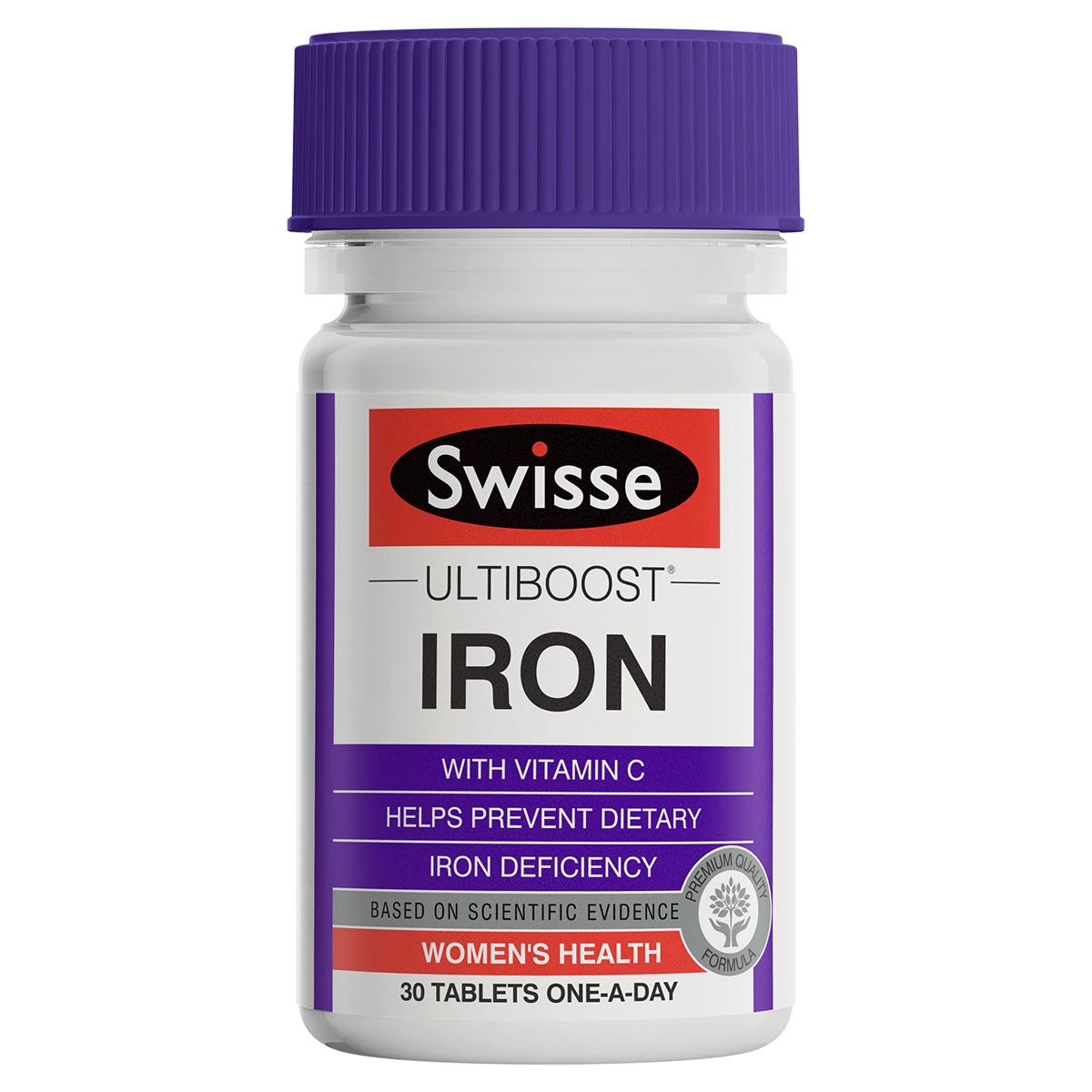
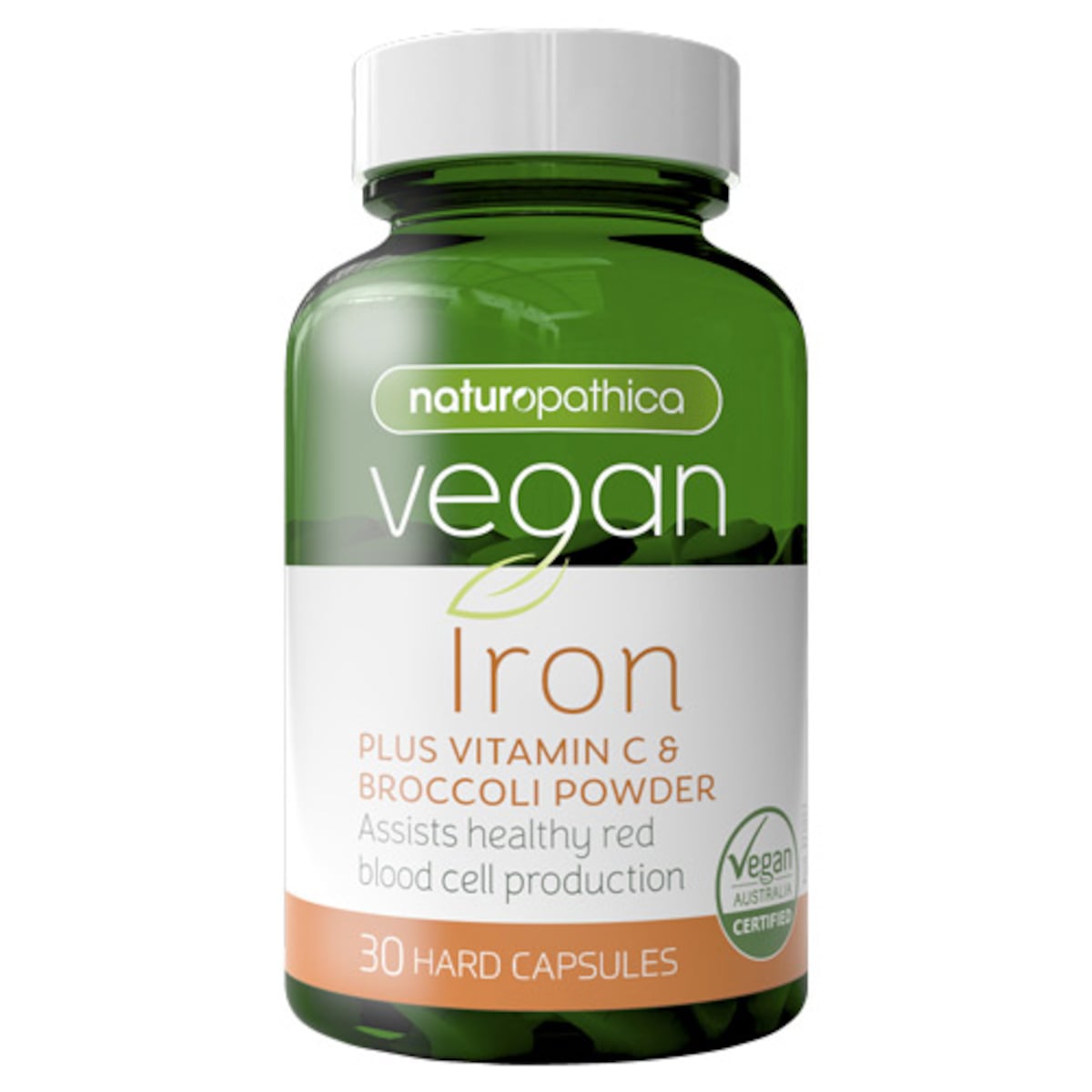
Iron supplements are used to treat or prevent anemia when dietary iron intake is not enough or when a doctor identifies iron deficiency or low iron stores. Common supplement forms include ferrous sulfate, ferrous gluconate, and ferrous fumarate.
But iron should not be taken casually without a reason. In adult men, low iron often deserves investigation before treatment, because the cause matters. A ferritin test and other iron studies are often more useful than guessing.
Side Effects and Safety
High-dose iron supplements can cause constipation, nausea, abdominal pain, vomiting, diarrhea, and general stomach upset. Iron taken on an empty stomach can be especially irritating.
Too much iron can be dangerous. Large amounts may cause ulcers, organ damage, coma, convulsions, and death. The adult upper limit for iron is 45 mg per day from all sources unless a doctor advises otherwise.
There is also an important inherited condition called hemochromatosis, in which the body absorbs too much iron and stores it in organs such as the liver, heart, and pancreas. Men with hemochromatosis should not self-prescribe iron supplements.
Medication Interactions
Iron supplements can interact with medications and other supplements. Official sources note interactions with levodopa, levothyroxine, proton pump inhibitors, calcium supplements, and certain antibiotics such as doxycycline, minocycline, and tetracycline.
If you take prescription medication regularly, it is worth checking with your doctor or pharmacist before starting iron, especially if you also use calcium or thyroid medicine.
Frequently Asked Questions
Is iron good for men?
Yes, iron is essential for men because it helps make hemoglobin and myoglobin and supports normal oxygen transport, muscle function, growth, and development.
How much iron do men need daily?
Adult men generally need 8 mg of iron per day.
What are signs of low iron in men?
Low iron can cause tiredness, weakness, low energy, shortness of breath, and trouble with concentration and memory. More severe deficiency can lead to iron deficiency anemia.
Should men take iron supplements routinely?
No. Iron supplements should not be taken casually unless there is a clear reason, because too much iron can be harmful and low iron in men often needs medical evaluation.
What foods are high in iron?
Good sources include lean red meat, seafood, poultry, liver, oysters, fortified cereals, beans, lentils, spinach, eggs, dried fruits, and whole grains.
Can men get too much iron?
Yes. Too much iron can cause stomach problems and, in higher amounts, serious toxicity. Men with hemochromatosis are at particular risk of iron overload.
Disclaimer
This article is for general information only and is not medical advice. Iron deficiency and iron overload both need proper assessment. Symptoms such as fatigue, weakness, shortness of breath, stomach problems, or ongoing low ferritin should not be self-diagnosed. Iron supplements can cause side effects, interact with medications, and become dangerous if taken in excess. Men should speak with a doctor or pharmacist before starting iron, especially if they have gastrointestinal symptoms, blood loss, a history of ulcers, thyroid disease, Parkinson’s disease, hemochromatosis, or take antibiotics, calcium, or levothyroxine.
Final word: For men, iron matters because it supports oxygen transport and muscle function, but the goal is balance. The smartest reason to care about iron is to meet your needs safely and investigate low iron properly rather than taking extra “just in case.”
21st Century, Iron, 65 mg, 120 Tablets 21st Century 21st Century, Iron, 65 mg, 120 Tablets. Includes 120 Tablets, 65 mg. Check current details, price and availability at iHerb.
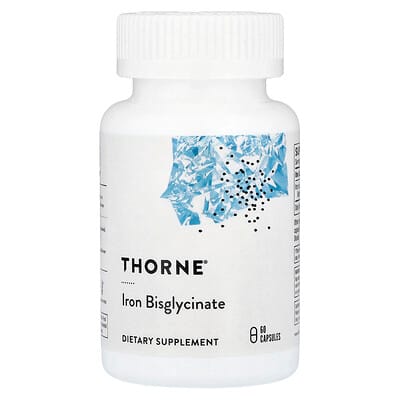
Thorne, Advanced Iron Complex, 60 Capsules Thorne Thorne, Advanced Iron Complex, 60 Capsules. Includes 60 Capsules. Check current details, price and availability at iHerb.
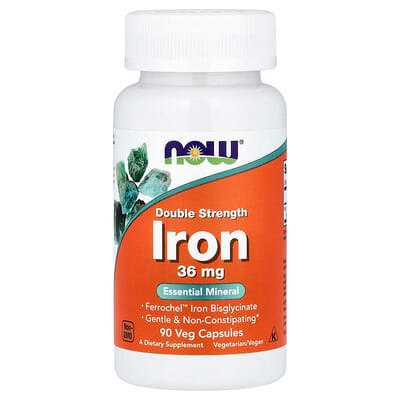
NOW Foods, Iron, 18 mg, 120 Veg Capsules NOW Foods NOW Foods, Iron, 18 mg, 120 Veg Capsules. Includes 18 mg. Check current details, price and availability at iHerb.
Quick take: iHerb makes it easy to browse supplements, protein, wellness products, and healthy pantry staples in one place. It’s a handy option for comparing ingredients, brands, and customer reviews before choosing what suits your goals.
Quick take: iHerb makes it easy to browse supplements, protein, wellness products, and healthy pantry staples in one place. It’s a handy option for comparing ingredients, brands, and customer reviews before choosing what suits your goals.