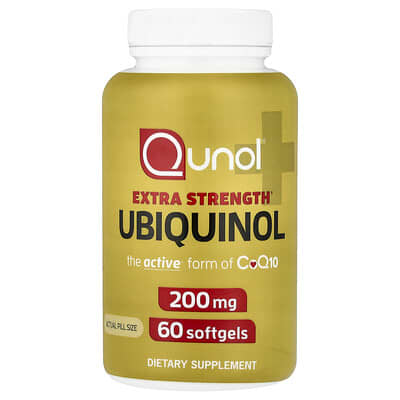
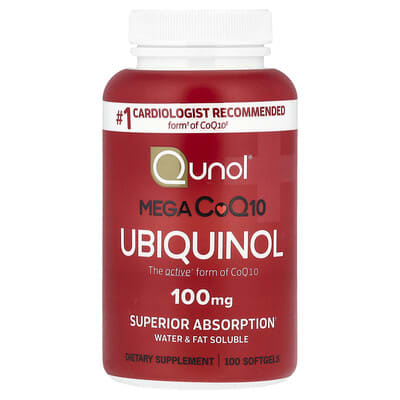
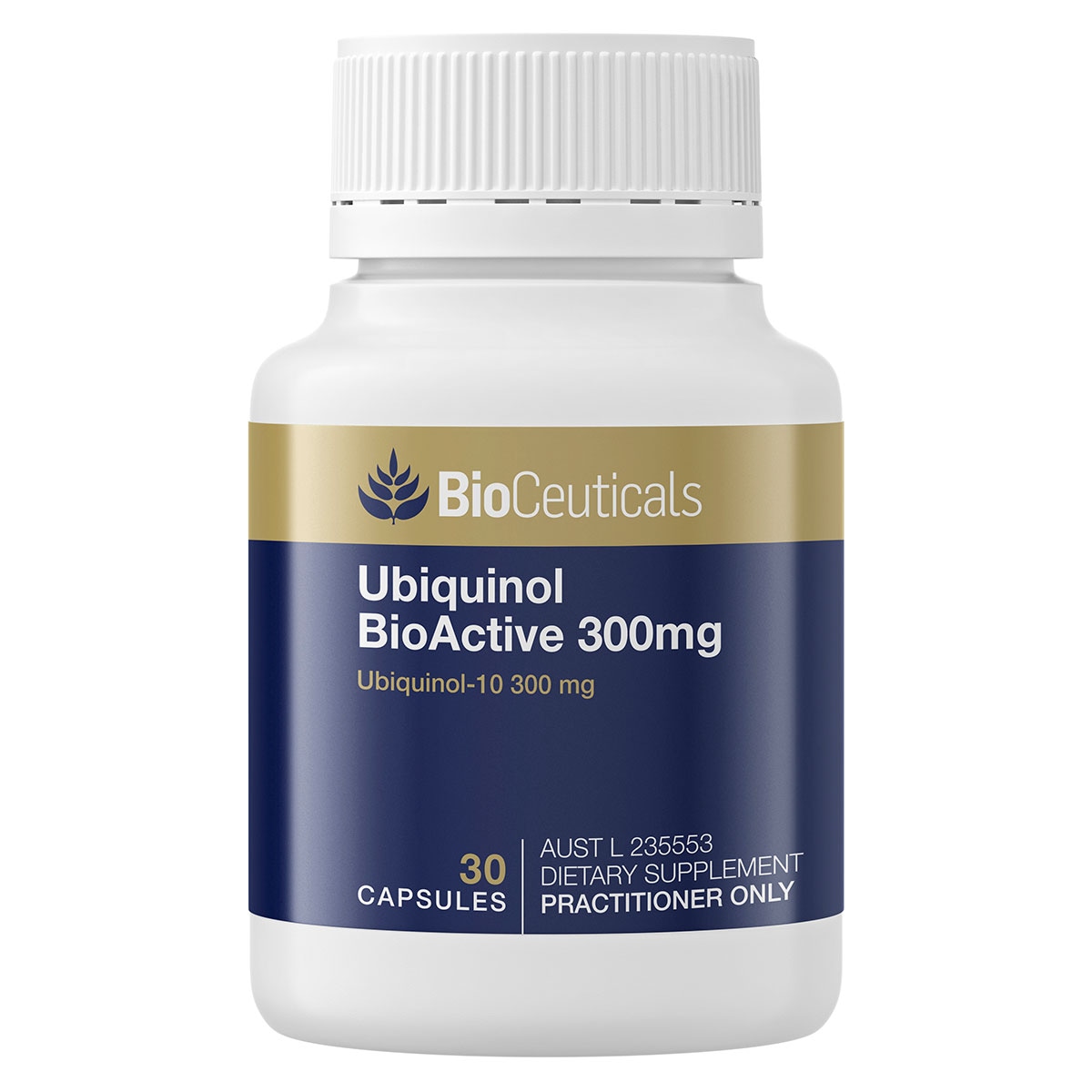
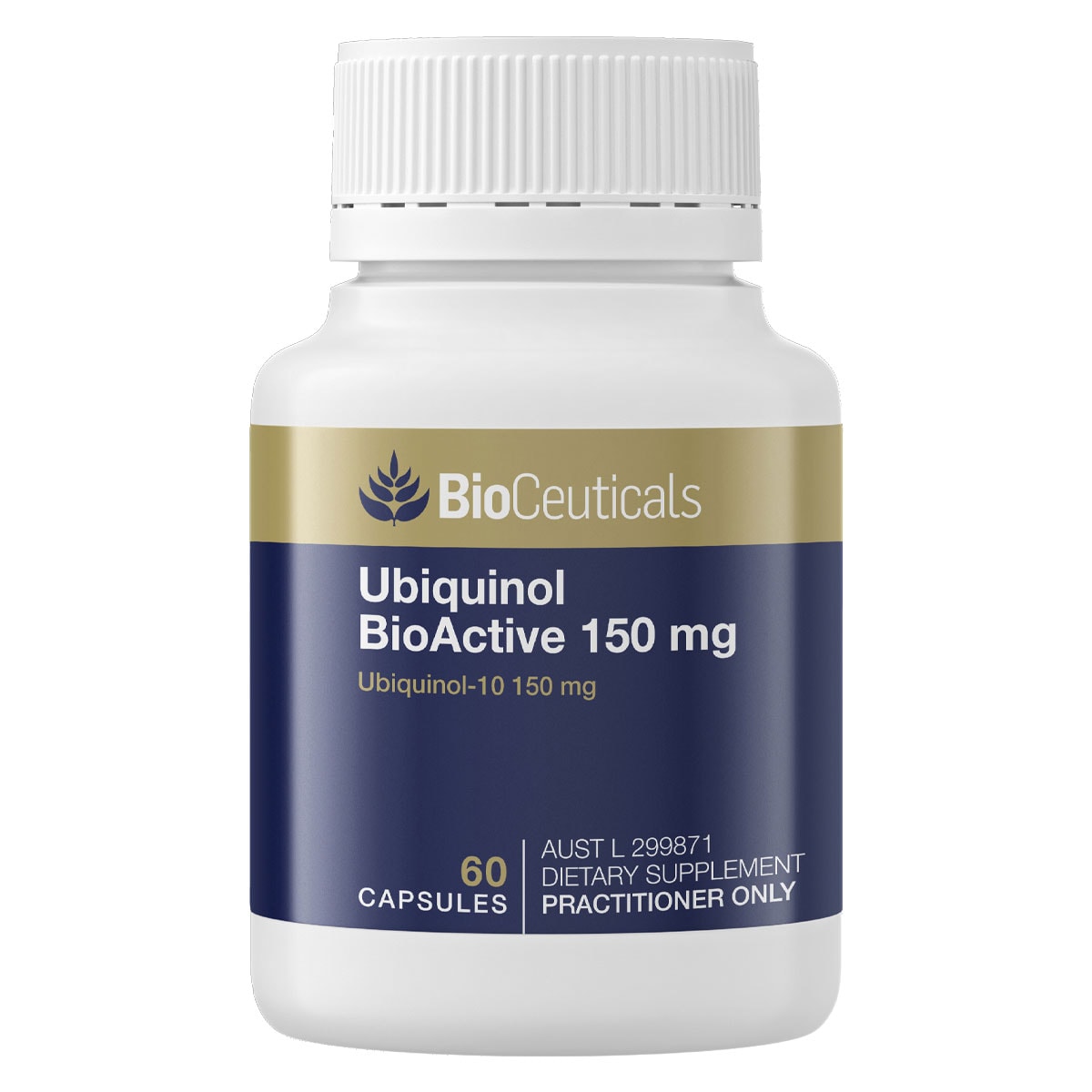
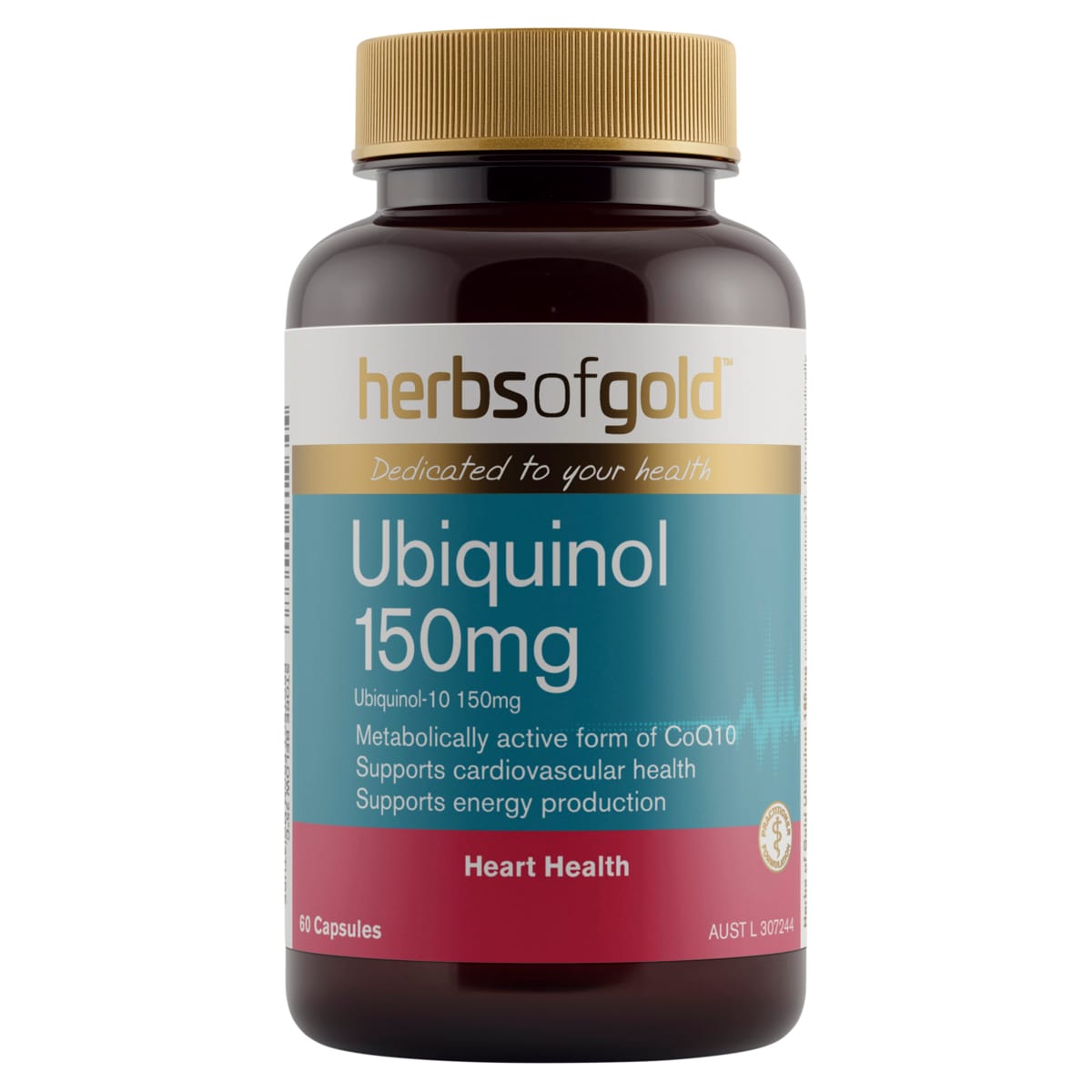
Ubiquinol is the reduced form of coenzyme Q10 (CoQ10), a naturally occurring compound that helps cells produce energy and also functions as an antioxidant. The body makes CoQ10 naturally, and it is especially concentrated in organs with high energy requirements such as the heart. Ubiquinol supplements are commonly taken for heart health, energy production, migraine prevention and by some people taking cholesterol-lowering statin medicines, although the scientific evidence varies considerably depending on the intended use.
Most popular sponsored products
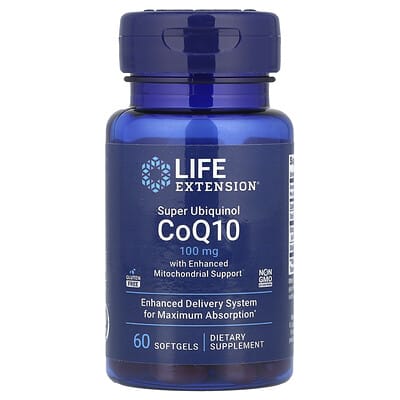
Life Extension, Super Ubiquinol CoQ10 with Enhanced Mitochondrial Support, 30 Softgels Offer now available for the Life Extension, Super Ubiquinol CoQ10 with Enhanced Mitochondrial Support, 30 Softgels. On sale with world wide delivery. Gluten-free Non-GMO LE Certified Enhanced Delivery System for Maximum Absorption Food Supplement Made with Quality Q+ ® , Kaneka Ubiquinol™ What Is Super Ubiquinol CoQ10? CoQ10 is essential…
Quick take: iHerb makes it easy to browse supplements, protein, wellness products, and healthy pantry staples in one place. It’s a handy option for comparing ingredients, brands, and customer reviews before choosing what suits your goals.
Answer Capsule: Ubiquinol is the reduced form of coenzyme Q10 (CoQ10), a substance involved in mitochondrial energy production and antioxidant protection. Supplements can raise blood CoQ10 levels and may be useful in certain circumstances. Research on CoQ10 suggests possible benefits for people with heart failure and limited evidence for reducing migraine frequency. Evidence for statin-related muscle pain is mixed. Ubiquinol is generally well tolerated, but it can interact with medicines including warfarin and should not be used as a substitute for prescribed cardiovascular or other medical treatment.
What Is Ubiquinol?
Ubiquinol is one of the two main forms of coenzyme Q10. CoQ10 naturally cycles between two forms in the body:
Ubiquinone: The oxidised form of CoQ10.
Ubiquinol: The reduced form of CoQ10.
The body can convert one form into the other as required. Both forms participate in normal cellular processes, and most of the CoQ10 circulating in the bloodstream is present as ubiquinol.
CoQ10 is sometimes described as a vitamin-like substance, but it is not an essential vitamin because the human body can manufacture it.
What Does Ubiquinol Do in the Body?
One of CoQ10’s most important functions occurs inside structures within cells called mitochondria. Mitochondria help convert energy from food into adenosine triphosphate, or ATP, which cells use as a source of energy.
CoQ10 participates in the mitochondrial electron transport chain, an essential part of ATP production. This is one reason why tissues with high energy requirements, including heart muscle, contain substantial amounts of CoQ10.
Ubiquinol also has antioxidant activity. Antioxidants help limit oxidative damage caused by reactive molecules known as free radicals.
Why Do People Take Ubiquinol?
Ubiquinol is marketed for a wide range of conditions, but not every advertised use is supported by strong clinical evidence. Some of the more common reasons people take it are discussed below.
1. Heart Health
CoQ10 has been extensively investigated in cardiovascular medicine because the heart has very high energy requirements.
Research involving people with chronic heart failure has produced some encouraging findings. Several systematic reviews and clinical trials suggest that adding CoQ10 to standard medical treatment may improve some outcomes and may reduce heart-failure-related hospitalisation and mortality.
However, study quality and results have varied, and much of the evidence concerns CoQ10 generally rather than ubiquinol specifically.
CoQ10 or ubiquinol should never be used to replace prescribed heart-failure medication. Anyone with heart failure or another cardiovascular condition should discuss supplementation with their doctor because CoQ10 can interact with some medicines.
2. Statins and Muscle Symptoms
Statins are highly effective medicines used to reduce cholesterol and cardiovascular risk. Statin treatment can also lower circulating CoQ10 concentrations, which led researchers to investigate whether CoQ10 supplements could reduce statin-associated muscle symptoms.
The results are mixed. Some clinical trials and meta-analyses have reported reductions in muscle discomfort, while others have found little or no meaningful benefit.
A person experiencing muscle pain while taking a statin should not simply stop the medication and substitute ubiquinol. Muscle symptoms should be discussed with the prescribing doctor because other causes may need to be investigated and changes to the statin type or dose may be appropriate.
Most popular sponsored products
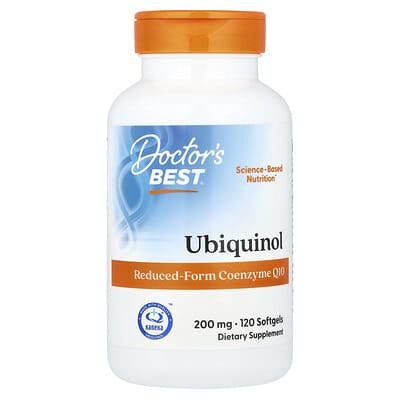
Doctor's Best, Ubiquinol, 200 mg, 30 Softgels Doctor's Best Doctor's Best, Ubiquinol, 200 mg, 30 Softgels. Includes 30 Softgels, 200 mg. Check current details, price and availability at iHerb.
Quick take: iHerb makes it easy to browse supplements, protein, wellness products, and healthy pantry staples in one place. It’s a handy option for comparing ingredients, brands, and customer reviews before choosing what suits your goals.
CoQ10 has also been studied as a preventive supplement for migraine.
Research suggests it may modestly reduce the frequency or duration of migraine attacks in some people. However, the available studies are relatively small, so CoQ10 is better regarded as a possible complementary option rather than an established cure for migraine.
People who experience frequent, severe or changing headaches should seek medical assessment rather than relying solely on supplements.
4. Energy and Fatigue
Because CoQ10 is directly involved in mitochondrial energy production, ubiquinol is frequently promoted as an energy supplement.
Taking ubiquinol increases circulating CoQ10 levels, but this does not necessarily mean that a healthy person will notice a substantial increase in energy.
Fatigue has many possible causes, including inadequate sleep, anaemia, thyroid disorders, infections, medication effects, nutritional deficiencies and other medical conditions. Persistent or unexplained fatigue should therefore be investigated rather than automatically treated with supplements.
5. Exercise Performance
CoQ10 has been investigated for exercise performance because of its role in mitochondrial energy production and oxidative metabolism.
Some studies have reported small changes in exercise performance or measures of oxidative stress, while others have found little meaningful effect. There is currently insufficient evidence to consider ubiquinol a reliable sports-performance enhancer.
6. Healthy Ageing
CoQ10 concentrations and the body’s ability to maintain CoQ10 status can change with age, which has contributed to interest in ubiquinol supplements among older adults.
However, raising the amount of CoQ10 in the blood does not automatically translate into improved memory, increased lifespan or prevention of age-related disease.
For example, a recent randomised trial in adults aged 60 and older found that 200 mg of ubiquinol daily greatly increased blood CoQ10 levels but did not produce significant overall improvements in cognitive function, blood pressure, arterial stiffness, inflammation or oxidative-stress measurements compared with placebo.
Ubiquinol should therefore not be regarded as a proven anti-ageing treatment.
Ubiquinol vs Ubiquinone: What Is the Difference?
Ubiquinol and ubiquinone are not completely different nutrients. They are two forms of the same CoQ10 molecule and the body continuously converts between them.
Ubiquinol supplements are often advertised as being more absorbable than ubiquinone, particularly for older adults. Some small studies have found greater increases in blood CoQ10 after taking certain ubiquinol products.
However, this is not universally true. Other research has demonstrated that a well-formulated ubiquinone product can be absorbed as well as or better than some ubiquinol preparations.
The formulation of the supplement can therefore be just as important as whether the label says ubiquinol or ubiquinone.
Once absorbed, much of the CoQ10 circulating in the blood is found as ubiquinol regardless of whether the original supplement contained ubiquinol or ubiquinone.
Is Ubiquinol Better for Older People?
Ubiquinol is often marketed specifically to adults over 40 or 50 because the body’s CoQ10 metabolism may change with age.
It may be a practical option for older adults, and some studies have shown good absorption of ubiquinol in this age group. However, there is not enough evidence to say that every older person needs a ubiquinol supplement or that ubiquinol will necessarily provide greater clinical benefits than a well-absorbed ubiquinone product.
Potential Benefits of Ubiquinol
Raises circulating CoQ10 concentrations.
Participates in normal mitochondrial energy production.
Has antioxidant activity.
May have a useful complementary role in some people with heart failure when used alongside standard treatment.
May modestly reduce migraine frequency or duration in some people.
May help some people experiencing statin-associated muscle symptoms, although evidence is inconsistent.
Generally causes few serious adverse effects when used appropriately.
Disadvantages and Limitations of Ubiquinol
It is not a cure: Ubiquinol does not cure heart disease, migraine, high cholesterol or other medical conditions.
Evidence varies: Some popular claims have much stronger evidence than others.
Ubiquinol-specific research is limited: Many clinical studies have investigated CoQ10 or ubiquinone rather than ubiquinol specifically.
Usually more expensive: Ubiquinol supplements can cost considerably more than ubiquinone products.
Absorption claims can be exaggerated: Product formulation substantially affects bioavailability.
Possible medicine interactions: Of particular importance is the interaction with warfarin.
Benefits may not be noticeable: Raising blood CoQ10 does not guarantee that a person will feel different.
Supplement quality varies: Dose, purity and formulation differ between manufacturers.
How Much Ubiquinol Should You Take?
There is no single recommended ubiquinol dose suitable for everyone.
Commercial supplements commonly provide around 50 to 200 mg per serving, while research studies involving CoQ10 have used a much wider range of doses depending on the condition being investigated.
A higher dose is not automatically more effective.
People considering ubiquinol for a diagnosed medical condition should discuss the appropriate dose with their doctor or pharmacist rather than attempting to reproduce doses used in clinical trials.
Should Ubiquinol Be Taken With Food?
Yes. CoQ10 is fat soluble, so absorption is generally better when a supplement is taken with food, particularly a meal that contains some dietary fat.
This is also why many ubiquinol and CoQ10 supplements are supplied in oil-based softgel capsules.
What Is the Best Time to Take Ubiquinol?
There is no proven single best time of day to take ubiquinol.
Taking it with breakfast or lunch can be convenient because these meals often contain some fat, which can aid absorption.
A small number of people report difficulty sleeping after CoQ10 supplementation. Someone who notices this effect may prefer to take it earlier in the day rather than shortly before bed.
How Long Does Ubiquinol Take to Work?
Ubiquinol is not an instant-acting stimulant. Blood CoQ10 levels can increase after supplementation, but potential clinical effects generally take longer to assess.
Studies investigating conditions such as migraine, heart failure or muscle symptoms typically administer CoQ10 for weeks or months rather than expecting an immediate effect from a single dose.
Does Ubiquinol Lower Blood Pressure?
CoQ10 is sometimes promoted as a natural treatment for high blood pressure, but the evidence does not show a sufficiently reliable or substantial blood-pressure-lowering effect to replace established hypertension treatment.
Anyone taking blood-pressure medication should also be cautious about adding supplements without discussing them with a healthcare professional.
Does Ubiquinol Lower Cholesterol?
Ubiquinol should not be regarded as a substitute for cholesterol-lowering medication.
Its association with statins primarily comes from the observation that statins can reduce circulating CoQ10 concentrations. This does not mean that ubiquinol provides the same cardiovascular protection or cholesterol reduction as a statin.
Can Ubiquinol Help With Statin Muscle Pain?
Possibly, but the research is inconsistent.
Some controlled studies and more recent analyses have reported modest reductions in statin-associated muscle pain with CoQ10 supplementation. Other systematic reviews have found no significant benefit.
This means a trial of CoQ10 may be reasonable for some patients after discussion with their healthcare professional, but it cannot be guaranteed to solve statin-related muscle symptoms.
Is Ubiquinol Safe?
CoQ10 supplements are generally well tolerated. Serious adverse effects have not been commonly reported in clinical studies.
Possible mild side effects can include:
Upset stomach.
Nausea.
Diarrhoea.
Reduced appetite.
Abdominal discomfort.
Headache.
Occasional sleep disturbance.
Taking the supplement with food may reduce digestive discomfort for some people.
Who Should Be Careful With Ubiquinol?
Anyone taking prescription medication should check with a doctor or pharmacist before starting a regular CoQ10 or ubiquinol supplement.
Particular caution is appropriate for people who:
Take warfarin or another anticoagulant medication.
Take medication for high blood pressure.
Use insulin or other medicines for diabetes.
Are undergoing treatment for cancer.
Are pregnant or breastfeeding.
Are preparing for surgery.
Have a significant cardiovascular or other chronic medical condition.
Ubiquinol and Warfarin
One of the most important potential interactions involves warfarin.
CoQ10 may reduce the anticoagulant effect of warfarin in some people. A change in warfarin effectiveness can have serious consequences, so anyone taking warfarin should not start or stop ubiquinol without discussing it with the healthcare professional responsible for monitoring their anticoagulation.
What Should You Look for When Buying Ubiquinol?
Check that the label specifies ubiquinol rather than simply using the general term CoQ10.
Check the actual number of milligrams supplied per capsule or serving.
Choose a reputable manufacturer.
Look for independent quality or purity testing where available.
Check the complete ingredient list for unnecessary additives or allergens.
Consider an oil-based softgel because CoQ10 is fat soluble.
Be wary of claims that the product can cure heart disease, reverse ageing or replace prescription medication.
Ubiquinol Pros and Cons
Pros
Naturally occurring form of CoQ10.
Important biological role in cellular energy production.
Provides antioxidant activity.
Readily available in convenient softgel formulations.
Can substantially increase blood CoQ10 concentrations.
May be useful as a complementary treatment in selected situations.
Generally well tolerated.
Cons
More expensive than many ubiquinone supplements.
Not every advertised benefit is supported by good-quality evidence.
There is no guarantee of increased energy or improved wellbeing.
Ubiquinol has not been proved superior to every ubiquinone formulation.
Can interact with medications.
Long-term supplementation represents an ongoing expense.
It cannot replace established medical treatment.
Frequently Asked Questions About Ubiquinol
What is ubiquinol good for?
Ubiquinol supplies the reduced form of CoQ10 and increases CoQ10 levels in the body. CoQ10 has been studied most extensively in cardiovascular health, heart failure, migraine prevention and statin-associated muscle symptoms. The strength of evidence differs between these uses.
Is ubiquinol the same as CoQ10?
Ubiquinol is a form of CoQ10. CoQ10 exists primarily as reduced ubiquinol and oxidised ubiquinone, and the body can convert between the two forms.
Is ubiquinol better than CoQ10?
Ubiquinol is not separate from CoQ10; it is one form of it. Some ubiquinol formulations are absorbed very well, but research does not establish that every ubiquinol supplement is superior to every ubiquinone supplement.
Is ubiquinol better absorbed than ubiquinone?
Some studies have found higher blood CoQ10 concentrations following certain ubiquinol formulations, but other research demonstrates that formulation has a major influence on absorption. A high-quality ubiquinone formulation can also be well absorbed.
Can you take ubiquinol every day?
Daily dosing has been used in many clinical studies. For healthy adults, CoQ10 is generally well tolerated, but people taking medication or managing a medical condition should discuss regular use with a healthcare professional.
Should I take ubiquinol in the morning or at night?
There is no established best time. Taking it with a meal is more important because CoQ10 is fat soluble. People who find it interferes with sleep may prefer morning or lunchtime.
Can I take ubiquinol with a statin?
CoQ10 is frequently taken by people using statins, especially when they experience muscle symptoms. However, evidence that it reliably prevents or treats statin-related muscle pain is mixed. Do not discontinue a statin without consulting the prescribing doctor.
Does ubiquinol give you more energy?
CoQ10 plays an essential role in cellular energy production, but supplementation does not necessarily make a healthy person feel more energetic. Evidence for using ubiquinol as a general energy booster is limited.
Does ubiquinol help the heart?
Research on CoQ10 in people with heart failure has produced encouraging results, including possible reductions in hospitalisation and mortality when used alongside standard treatment. It is not, however, a replacement for prescribed cardiovascular medicines, and not all of this research used ubiquinol specifically.
Can ubiquinol prevent heart disease?
There is not enough evidence to recommend ubiquinol as a stand-alone method of preventing cardiovascular disease. Controlling blood pressure and cholesterol, avoiding smoking, exercising regularly and following appropriate medical treatment have much stronger supporting evidence.
Does ubiquinol help migraines?
There is limited evidence that CoQ10 supplementation may modestly reduce migraine frequency and duration in some people. More high-quality research is required.
Does ubiquinol improve memory?
There is currently insufficient evidence to recommend ubiquinol for improving memory or preventing cognitive decline. Recent research in healthy older adults found that ubiquinol increased blood CoQ10 concentrations but did not significantly improve overall cognitive performance compared with placebo.
Can ubiquinol reverse ageing?
No. Ubiquinol has antioxidant functions and plays a role in cellular energy metabolism, but there is no convincing evidence that taking a supplement reverses human ageing or substantially extends lifespan.
Can I take ubiquinol with vitamins?
Ubiquinol can generally be taken alongside common vitamin and mineral supplements. The more important consideration is whether it interacts with prescription medicines or whether a combination supplement contains unnecessarily high amounts of other ingredients.
Do I need ubiquinol if I eat a healthy diet?
Most healthy people do not require a CoQ10 supplement simply because CoQ10 is involved in important biological processes. The body produces CoQ10 naturally, and small quantities are also obtained from food.
What foods contain CoQ10?
CoQ10 occurs naturally in foods including organ meats, meat, poultry, oily fish, nuts, seeds and some vegetable oils. Dietary quantities are generally much lower than those provided by concentrated supplements.
The Bottom Line
Ubiquinol is the reduced form of coenzyme Q10 and plays legitimate biological roles in mitochondrial energy production and antioxidant protection. Supplementation can effectively increase circulating CoQ10 levels, but higher blood levels should not automatically be interpreted as proof of improved health or increased energy.
The strongest areas of interest involve cardiovascular health, particularly heart failure, along with migraine prevention and possible relief of statin-associated muscle symptoms. Even in these areas, the evidence ranges from promising to mixed, and many studies investigate CoQ10 generally rather than ubiquinol specifically.
Ubiquinol is generally well tolerated and may be a useful supplement for selected people, but it is not an anti-ageing cure, an alternative to statins or a replacement for established heart treatments. Anyone taking warfarin, cardiovascular medication, diabetes medication or other important prescription medicines should discuss ubiquinol with their doctor or pharmacist before using it regularly.
This article provides general information only and is not intended to diagnose, prevent or treat a medical condition or replace individual advice from a qualified healthcare professional.
“`
Most popular sponsored products
Life Extension, Super Ubiquinol CoQ10 with Enhanced Mitochondrial Support, 30 Softgels Offer now available for the Life Extension, Super Ubiquinol CoQ10 with Enhanced Mitochondrial Support, 30 Softgels. On sale with world wide delivery. Gluten-free Non-GMO LE Certified Enhanced Delivery System for Maximum Absorption Food Supplement Made with Quality Q+ ® , Kaneka Ubiquinol™ What Is Super Ubiquinol CoQ10? CoQ10 is essential…
Quick take: iHerb makes it easy to browse supplements, protein, wellness products, and healthy pantry staples in one place. It’s a handy option for comparing ingredients, brands, and customer reviews before choosing what suits your goals.
Quick take: iHerb makes it easy to browse supplements, protein, wellness products, and healthy pantry staples in one place. It’s a handy option for comparing ingredients, brands, and customer reviews before choosing what suits your goals.