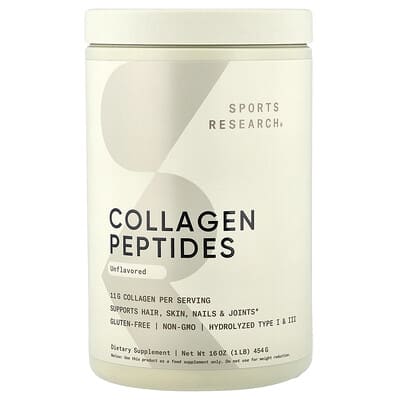
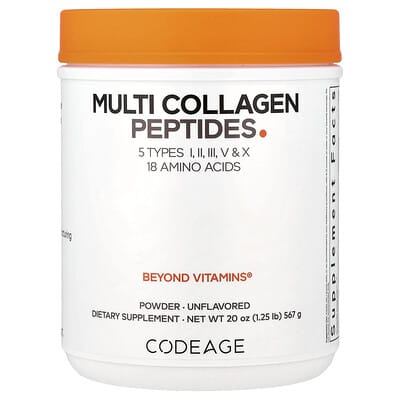
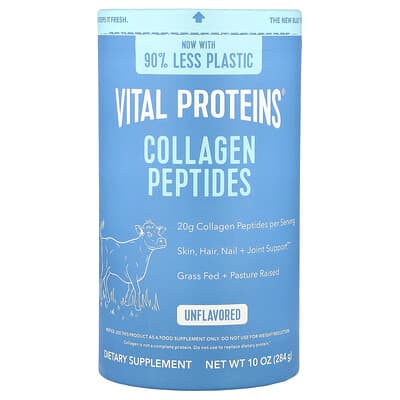
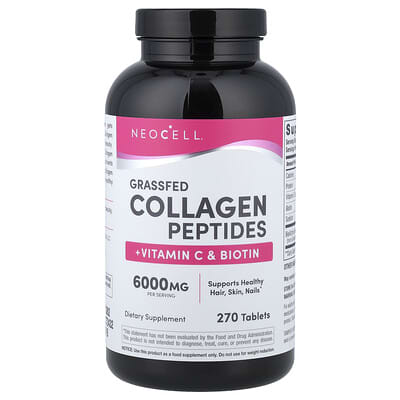
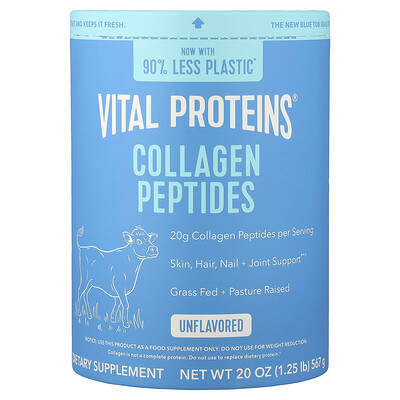
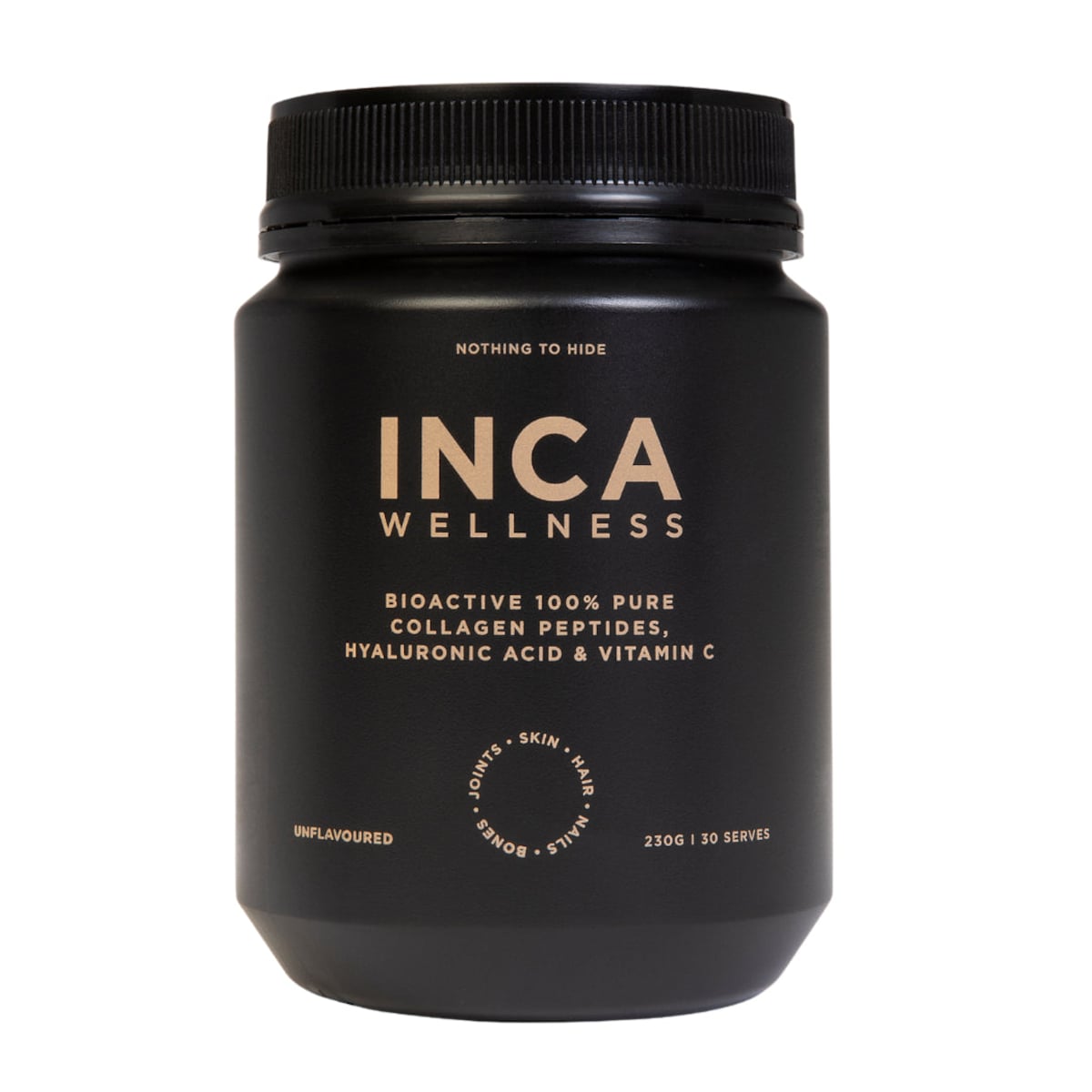
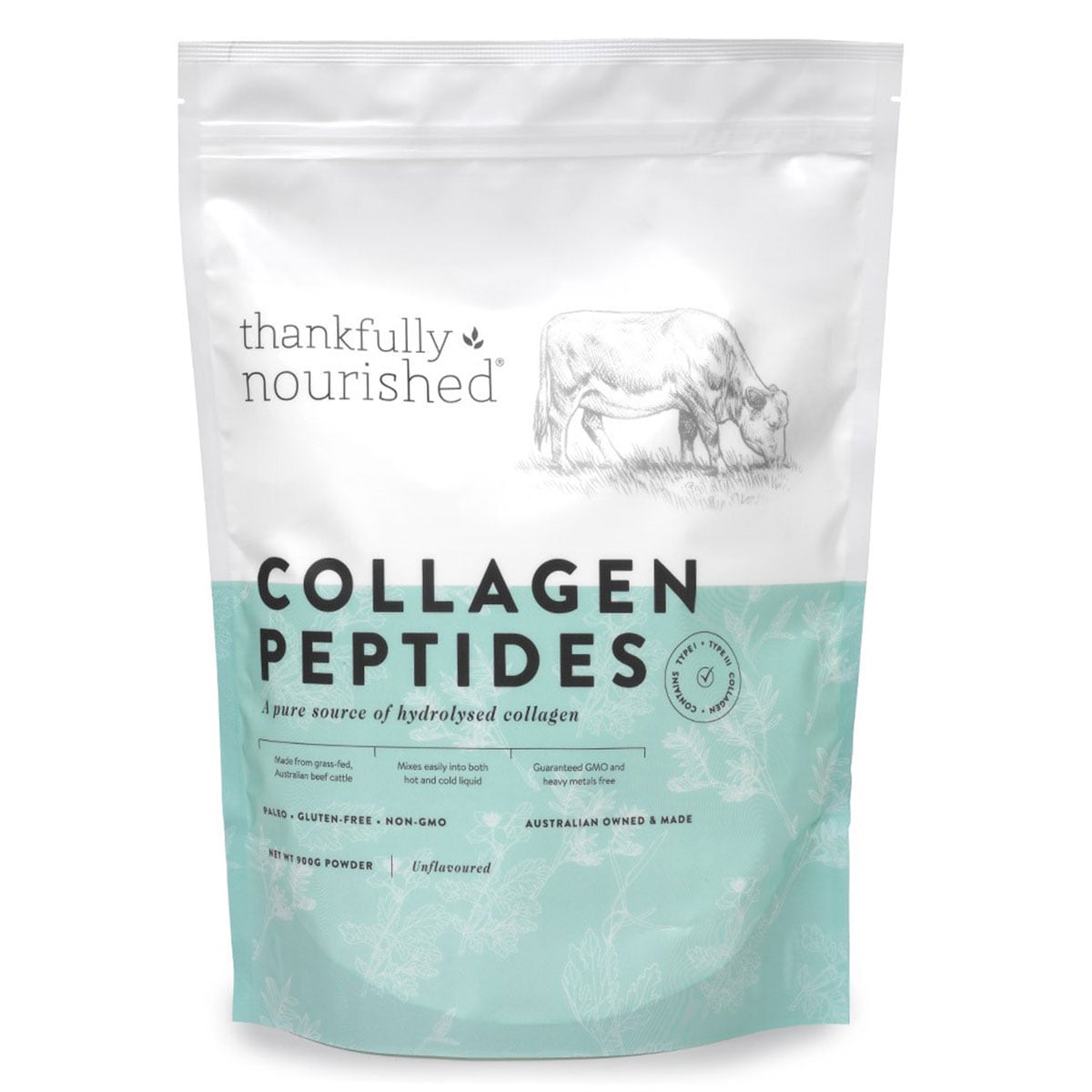
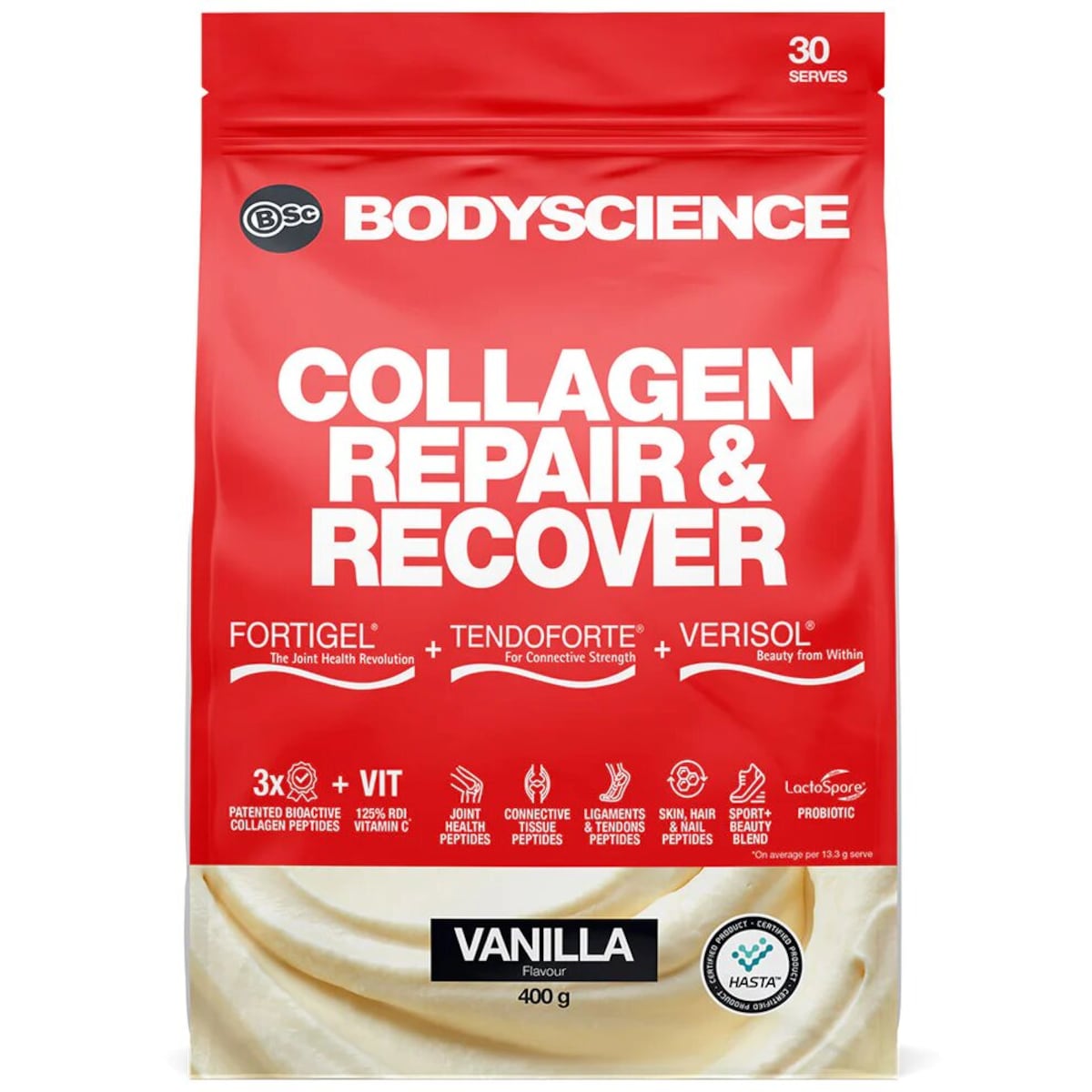
Collagen peptides are small pieces of collagen protein produced by breaking collagen down through a process called hydrolysis. They are commonly sold as powders, capsules and ready-to-drink supplements and are promoted for skin, joint, bone and connective-tissue health. Although collagen peptides provide useful amino acids and some research suggests potential benefits, they should not be viewed as a cure for ageing, arthritis or other health conditions.
Great Lakes Wellness, Grass-Fed Bovine Collagen Peptides, Unflavoured, 16 oz (454 g) Offer now available for the Great Lakes Wellness, Grass-Fed Bovine Collagen Peptides, Unflavoured, 16 oz (454 g). On sale with world wide delivery. Supports 5 Signs of Ageing Well Dissolves 2x Faster vs. Leading Brands Skin Hair Nails Joints Digestion 20 g Collagen Per Serving Dietary Supplement Glyphosate Free, Gluten…
Quick take: iHerb makes it easy to browse supplements, protein, wellness products, and healthy pantry staples in one place. It’s a handy option for comparing ingredients, brands, and customer reviews before choosing what suits your goals.
Answer Capsule: Collagen peptides are hydrolysed collagen proteins that are easier to dissolve and digest than intact collagen. They are mainly used to supplement dietary protein and are marketed for skin, joints, tendons, bones and nails. Research suggests possible benefits for joint symptoms and some measures of skin hydration and elasticity, but results are inconsistent and many studies are small or industry funded. Collagen is generally well tolerated, but it is not a complete replacement for high-quality dietary protein and results are not guaranteed.
What Are Collagen Peptides?
Collagen is the most abundant structural protein in the human body. It forms an important part of skin, bones, cartilage, tendons, ligaments and other connective tissues.
Collagen peptides, sometimes called hydrolysed collagen or collagen hydrolysate, are produced by breaking long collagen proteins into smaller chains of amino acids called peptides. This makes the product easier to dissolve in liquids and allows the peptides and amino acids to be absorbed through the digestive system.
After collagen is eaten, the body does not simply transport intact collagen directly to the skin or joints. It is digested into smaller peptides and amino acids. The body then uses these building blocks according to its needs.
Where Do Collagen Peptides Come From?
Most commercial collagen supplements are made from animal tissues that naturally contain large amounts of collagen.
Bovine collagen: Usually derived from cattle and commonly contains type I and type III collagen.
Marine collagen: Usually made from fish skin or scales and is predominantly type I collagen.
Porcine collagen: Derived from pigs and has a collagen profile similar to human collagen.
Chicken collagen: Often associated with cartilage and type II collagen products.
Hydrolysed collagen peptides should not be confused with undenatured type II collagen. Undenatured type II collagen is a different supplement that is usually taken in much smaller amounts and has been studied specifically for joint health.
What Are Collagen Peptides Used For?
People take collagen peptides for several reasons. Some uses have more scientific evidence than others.
1. Joint Health
One of the better-researched uses of collagen supplements is joint health. Studies involving people with knee osteoarthritis have reported modest reductions in joint pain and improvements in physical function in some participants.
This does not mean collagen rebuilds a damaged joint or cures osteoarthritis. It may help symptoms in some people, but exercise, maintaining muscle strength, healthy body weight where appropriate and medical treatment remain important components of joint care.
2. Skin Hydration and Elasticity
Collagen supplements are widely marketed for reducing wrinkles and improving skin elasticity. Some clinical trials have reported improvements in skin hydration, elasticity and wrinkle measurements after several weeks or months of supplementation.
However, the evidence is not conclusive. Many studies have been small, some have used products containing additional ingredients, and a substantial amount of the research has been funded by supplement manufacturers. More independent, high-quality research is required.
For preventing premature skin ageing, measures such as sun protection and avoiding smoking have much stronger established evidence.
3. Bones
Collagen makes up a substantial part of the organic structure of bone. Researchers have therefore investigated whether collagen supplements could help support bone metabolism and bone mineral density.
Some small studies have produced encouraging results, particularly in postmenopausal women, but collagen should not be considered a treatment for osteoporosis. Adequate calcium, vitamin D, resistance exercise and appropriate medical treatment remain much more established strategies for maintaining bone health.
4. Tendons, Ligaments and Exercise
Because collagen is an important component of tendons and ligaments, collagen peptides have also been investigated in athletes and physically active people.
Some research suggests collagen or gelatin taken in conjunction with exercise may support connective-tissue collagen synthesis. However, there is not yet strong evidence showing that collagen supplementation prevents injuries or dramatically accelerates recovery.
5. Muscle and Protein Intake
Collagen contributes protein and can therefore increase a person’s total daily protein intake. However, collagen is not an ideal protein for building muscle because its essential amino-acid profile is less complete than proteins such as whey, milk, eggs, soy or meat.
Collagen is particularly rich in the amino acids glycine and proline but relatively low in several essential amino acids and contains very little leucine compared with whey protein.
For someone whose primary goal is muscle growth, a complete protein source is generally a better choice. Collagen may instead be used as an additional source of protein rather than the person’s main protein supplement.
6. Nails
Small studies have suggested that collagen supplementation may improve brittle nails or nail growth in some people. The evidence remains limited, however, and nail problems can also be caused by nutritional deficiencies, skin disorders, medications and medical conditions.
7. Hair
Collagen supplements are frequently advertised for stronger or thicker hair, but direct human evidence supporting these claims is weak. Hair is primarily composed of keratin rather than collagen.
Collagen supplies amino acids that the body can use to make proteins, but there is currently insufficient evidence to say that taking collagen peptides reliably increases hair growth or prevents hair loss.
Potential Benefits of Collagen Peptides
Provide an additional source of dietary protein.
Easy to mix into drinks and foods.
May modestly improve joint pain and function in some people.
May improve skin hydration or elasticity in some users.
Provide glycine, proline and hydroxyproline, amino acids associated with connective tissue.
Usually have little flavour when unflavoured.
Generally well tolerated by healthy adults.
Possible Disadvantages and Limitations
Benefits are not guaranteed: Research results vary considerably between studies.
Some evidence is industry funded: This makes independent research particularly important.
Not a complete protein: Collagen should not replace a varied diet containing good-quality protein.
Cost: Regular supplementation can become expensive.
Animal derived: Conventional collagen is unsuitable for vegans and usually unsuitable for vegetarians.
Possible digestive symptoms: Some people experience bloating, fullness, nausea or an unpleasant taste.
Allergy risk: Marine collagen may be inappropriate for someone with fish allergies, while other products can contain allergens or additional ingredients.
Product quality varies: Supplements may differ in purity, source, dose and manufacturing standards.
How Much Collagen Should You Take?
There is no single scientifically established collagen dose that is appropriate for every purpose. Clinical studies have used a wide range of doses, commonly several grams of hydrolysed collagen per day.
Many commercially available products provide approximately 5 to 10 grams per serving, although this does not mean that everyone needs this amount or that taking more will produce better results.
The most sensible approach is to follow the manufacturer’s recommended serving unless a healthcare professional has advised otherwise.
How Long Does Collagen Take to Work?
Collagen is not expected to produce immediate visible changes. Studies examining skin and joint outcomes have generally used supplementation for several weeks or months.
If collagen does provide a benefit, changes are likely to be gradual. A person who notices no meaningful improvement after a reasonable trial period may decide that continuing the supplement is not worthwhile.
Does Collagen Need Vitamin C?
Vitamin C plays an essential role in the body’s normal production of collagen. A person therefore needs adequate vitamin C in their overall diet.
It is not necessary for most people to take a high-dose vitamin C supplement every time they consume collagen. Eating sufficient vitamin C from foods such as citrus fruits, kiwifruit, berries, capsicum, tomatoes and vegetables is normally adequate.
Can Collagen Peptides Be Added to Coffee, Tea or Cocoa?
Yes. Hydrolysed collagen peptides can normally be mixed into hot or cold drinks, including coffee, tea, cocoa and smoothies.
Heating collagen changes protein structure, but collagen peptides have already been hydrolysed into small peptide chains. Normal hot-drink temperatures do not make the amino acids disappear or make collagen nutritionally useless.
Unflavoured collagen peptides can also be mixed into yoghurt, porridge, soups and other foods.
Are Collagen Peptides Better Than Whey Protein?
Neither is universally better; they have different nutritional characteristics.
Whey protein is rich in essential amino acids and leucine and is generally a better choice when the main objective is stimulating muscle protein synthesis.
Collagen peptides are particularly rich in glycine, proline and hydroxyproline and are most often used because of their potential role in connective tissues.
Someone can use both, but collagen should not automatically replace high-quality dietary protein.
What Should You Look for When Buying Collagen?
Choose a product that clearly identifies its collagen source.
Check the amount of collagen provided per serving rather than relying on front-label advertising.
Look for products with minimal unnecessary ingredients if you want plain collagen.
Check for allergens, particularly with marine collagen.
Use reputable manufacturers with appropriate quality-control procedures.
Consider products independently tested for purity and contaminants where available.
Be cautious of products promising to reverse ageing, cure arthritis or regrow hair.
Is Collagen Safe?
Collagen peptides are generally well tolerated by healthy adults when consumed in normal supplement amounts. Reported problems are usually mild and may include digestive discomfort, bloating, nausea or an unpleasant aftertaste.
People with food allergies should check the collagen source carefully. Fish-derived collagen, for example, may not be appropriate for someone with a fish allergy.
People who have been advised to restrict dietary protein, are pregnant or breastfeeding, take multiple medications, or have significant medical conditions should discuss regular supplement use with an appropriate healthcare professional.
Collagen Peptides: Pros and Cons
Pros
Convenient source of protein.
Easily dissolves in many drinks and foods.
Possible benefit for knee joint symptoms.
Possible modest benefits for skin hydration and elasticity.
Generally well tolerated.
Neutral-tasting unflavoured versions are widely available.
Cons
Evidence for many advertised benefits remains limited.
Research quality varies.
Results may take months and may not occur at all.
Not the best standalone protein for muscle building.
Usually animal derived.
Can be relatively expensive for long-term use.
Supplement quality and ingredient purity can vary between manufacturers.
Frequently Asked Questions About Collagen Peptides
Do collagen peptides really work?
Possibly, depending on the reason for taking them. Research suggests that some collagen products may modestly improve joint symptoms and certain measurements of skin hydration or elasticity. Evidence for hair growth and many other advertised benefits is much weaker.
Can collagen remove wrinkles?
No supplement has been shown to remove wrinkles. Some collagen studies report small improvements in skin hydration, elasticity or wrinkle measurements, but the overall evidence is mixed. Sun protection remains much more important for limiting UV-related skin ageing.
Can collagen cure arthritis?
No. Collagen is not a cure for arthritis. Some studies involving knee osteoarthritis have found improvements in pain and physical function, but it should be regarded as a possible supplementary strategy rather than a replacement for established treatment.
Does collagen help hair grow?
There is currently insufficient good-quality human evidence to conclude that collagen supplements promote hair growth or prevent hair loss.
Does collagen help nails?
There is limited preliminary evidence suggesting collagen may improve brittle nails in some people, but larger controlled studies are needed.
Can you take collagen every day?
Many studies have involved daily use, and collagen peptides are generally well tolerated by healthy adults. Follow the product directions and consider your overall protein intake rather than assuming that a larger dose is better.
Can collagen peptides be taken with other supplements?
Plain collagen can generally be consumed alongside common vitamins and minerals. Combination collagen products may already contain vitamin C, biotin, minerals or other ingredients, so checking the complete ingredient list can help avoid unnecessarily duplicating supplements.
Is collagen vegan?
No. Conventional collagen comes from animal tissue, commonly cattle, fish, pigs or chickens. Products sold as “vegan collagen” usually contain nutrients intended to support the body’s own collagen production rather than actual animal collagen.
What is the difference between collagen and gelatin?
Both come from collagen. Gelatin consists of larger partially broken-down collagen molecules and forms a gel when cooled. Hydrolysed collagen peptides are broken into smaller pieces, dissolve more readily and generally do not form a gel.
What is the best time of day to take collagen?
There is no strong evidence that morning, afternoon or evening supplementation provides substantially different results. Consistent intake is more relevant than the particular time of day.
Should collagen be taken on an empty stomach?
No. There is no good evidence that collagen must be taken on an empty stomach. It can be consumed with meals or between meals.
Is more collagen better?
No. Taking increasingly large quantities has not been shown to produce proportionally greater benefits. Extra protein that the body does not specifically need for collagen production can simply be used for other metabolic purposes.
The Bottom Line
Collagen peptides are a convenient source of hydrolysed collagen protein and may have useful applications for some people, particularly those interested in joint health or increasing their dietary intake of collagen-derived amino acids.
The research is promising in some areas but far less certain than many advertising claims suggest. Evidence is strongest for possible modest improvements in some joint symptoms, while evidence concerning skin remains mixed and claims involving hair, dramatic wrinkle reduction or reversal of ageing are not well supported.
Collagen is best considered an optional supplement rather than an essential nutrient or miracle anti-ageing treatment. A balanced diet containing adequate protein, fruit and vegetables, regular exercise, appropriate sun protection and evidence-based medical care remain considerably more important for long-term health.
This article provides general information and is not intended to diagnose, treat or replace advice from a qualified healthcare professional.
Great Lakes Wellness, Grass-Fed Bovine Collagen Peptides, Unflavoured, 16 oz (454 g) Offer now available for the Great Lakes Wellness, Grass-Fed Bovine Collagen Peptides, Unflavoured, 16 oz (454 g). On sale with world wide delivery. Supports 5 Signs of Ageing Well Dissolves 2x Faster vs. Leading Brands Skin Hair Nails Joints Digestion 20 g Collagen Per Serving Dietary Supplement Glyphosate Free, Gluten…
Quick take: iHerb makes it easy to browse supplements, protein, wellness products, and healthy pantry staples in one place. It’s a handy option for comparing ingredients, brands, and customer reviews before choosing what suits your goals.
Quick take: iHerb makes it easy to browse supplements, protein, wellness products, and healthy pantry staples in one place. It’s a handy option for comparing ingredients, brands, and customer reviews before choosing what suits your goals.