Ashwagandha is one of the most heavily marketed herbal supplements for women. It is commonly promoted for stress, anxiety, sleep, hormone balance, menopause, fertility, and general wellbeing.
Some of that marketing has a partial basis in research, but the evidence is not equally strong across all of those claims. The best-supported uses are short-term support for perceived stress and some aspects of sleep. Claims about hormone balance, menopause relief, and female fertility are much less certain.
If you are considering ashwagandha, the smartest approach is to separate what the evidence actually supports from what supplement marketing often promises.
Ashwagandha, also known as Withania somnifera, is an herb used in traditional Ayurvedic medicine. Supplements usually contain extracts made from the root, the leaf, or a combination of root and leaf.
It is often described as an adaptogen, but that label does not guarantee a specific clinical effect. What matters more is what human studies actually show for the specific reason you want to use it.
Why Women Take Ashwagandha
Women commonly take ashwagandha for one or more of these reasons:
to reduce stress
to support sleep
to feel calmer during demanding periods
to try to support “hormone balance”
to explore options for menopause or fertility support
Those reasons are not equally evidence-based. The strongest research support is for stress and sleep. The evidence is not strong enough to confidently recommend ashwagandha for menopause, female infertility, or broad hormone balance.
Ashwagandha for Stress and Sleep
This is where ashwagandha has the best support. Clinical studies summarized by NIH sources suggest that some ashwagandha extracts may reduce perceived stress, lower cortisol, and improve some sleep-related outcomes over 6 to 12 weeks.
Benefits have been reported in both men and women, and the sleep benefits appear to be more noticeable in people who already have insomnia or poor sleep. However, the studies have used different products and doses, so there is no single clearly proven product or dosing rule that fits everyone.
Ashwagandha is better viewed as a short-term option for stress or stress-related sleep problems, not as a guaranteed long-term solution.
Hormone Balance and Women’s Health Claims
Ashwagandha is often sold to women as if it broadly balances hormones, eases menopause, and supports fertility. Official NCCIH guidance is much more cautious than that. It states that there is not enough evidence to determine whether ashwagandha is helpful for menopause or female infertility.
That does not mean it can never help a woman feel better. It means the current evidence is not strong enough to treat it as a proven women’s-hormone supplement.
If you are dealing with irregular periods, fertility concerns, hot flashes, or major mood changes, supplements should not replace proper medical evaluation. Thyroid problems, perimenopause, PCOS, medication effects, and other conditions can all overlap with symptoms people loosely describe as “hormone imbalance.”
Thyroid and Hormone Cautions
Ashwagandha may affect thyroid function. NIH sources note small clinical findings showing changes in thyroid hormone levels, and they also describe case reports of thyrotoxicosis in women who were taking ashwagandha extract. In those reports, symptoms improved after the supplement was stopped.
That does not prove that every woman who takes ashwagandha will have a thyroid problem. But it does mean women with thyroid disease, thyroid symptoms, or thyroid medication use should be especially careful and should not self-prescribe it casually.
Side Effects and Safety
Ashwagandha appears to be generally well tolerated in short-term studies lasting up to about 3 months, but long-term safety is still unclear. Common side effects are usually mild and include stomach upset, loose stools, nausea, and drowsiness.
More serious problems have also been reported. Official NIH sources note rare cases linking ashwagandha supplements to liver injury. Ashwagandha may also interact with medications for diabetes, blood pressure, immune suppression, sedation, seizures, and thyroid conditions.
Who Should Avoid It
Ashwagandha should be avoided during pregnancy and should not be used while breastfeeding. Official sources also advise against its use in people with autoimmune disorders, thyroid disorders, and those who are about to have surgery.
If you have liver disease, thyroid disease, autoimmune illness, or take regular prescription medicine, it is important to check with your doctor or pharmacist before trying ashwagandha.
Frequently Asked Questions
Is ashwagandha good for women?
It may be useful for some women, especially for short-term stress support and possibly some aspects of sleep. It is not a proven all-purpose women’s hormone supplement.
Can ashwagandha help women sleep?
Some studies suggest certain ashwagandha extracts may improve sleep quality, sleep duration, and sleep onset, especially in people with insomnia, but the effects are generally modest.
Does ashwagandha balance female hormones?
There is not enough evidence to say that ashwagandha reliably balances female hormones. Claims about menopause and female fertility remain unproven.
Is ashwagandha safe during pregnancy?
No. Official NIH and NCCIH sources say it should be avoided during pregnancy and should not be used while breastfeeding.
Can ashwagandha affect the thyroid?
Yes, it may. Research and case reports suggest that ashwagandha can affect thyroid function, so women with thyroid conditions or thyroid medication should be careful.
How long is ashwagandha considered safe to use?
Current official guidance says it appears to be tolerated for up to about 3 months, but long-term safety is not clear.
Disclaimer
This article is for general information only and is not medical advice. Ashwagandha is a dietary supplement, not a proven treatment for hormone imbalance, menopause, infertility, anxiety disorders, or chronic insomnia. It may cause stomach upset, loose stools, nausea, drowsiness, thyroid-related effects, and rare liver problems. It should be avoided during pregnancy and should not be used while breastfeeding. Always speak with your doctor or pharmacist before starting ashwagandha, especially if you have thyroid disease, autoimmune disease, liver disease, fertility concerns, severe mood symptoms, or take prescription medication.
Final word: For women, ashwagandha is most credible as a short-term supplement for stress and sleep support. It is much less convincing as a catch-all solution for hormones, menopause, or fertility.
I kept the women’s-health claims conservative. The article emphasizes that the strongest evidence is for short-term support with perceived stress and some aspects of sleep, while NCCIH says there is not enough evidence to determine whether ashwagandha helps with menopause or female infertility. �
NCCIH +1
The safety section is also tightened to official guidance: ashwagandha appears to be tolerated for up to about 3 months, common side effects include stomach upset, loose stools, nausea, and drowsiness, and rare liver injury cases have been reported. NIH and NCCIH also advise avoiding it during pregnancy and breastfeeding, and using caution with thyroid disease, autoimmune disease, surgery, and medications such as sedatives, thyroid drugs, blood pressure medicines, diabetes medicines, and immunosuppressants. �
NCCIH +2
I also made the thyroid section more careful than most supplement pages. NIH notes that ashwagandha may affect thyroid function, and the health professional fact sheet describes case reports of thyrotoxicosis in women taking ashwagandha extract, with symptoms resolving after the supplement was stopped. �
Most popular sponsored products
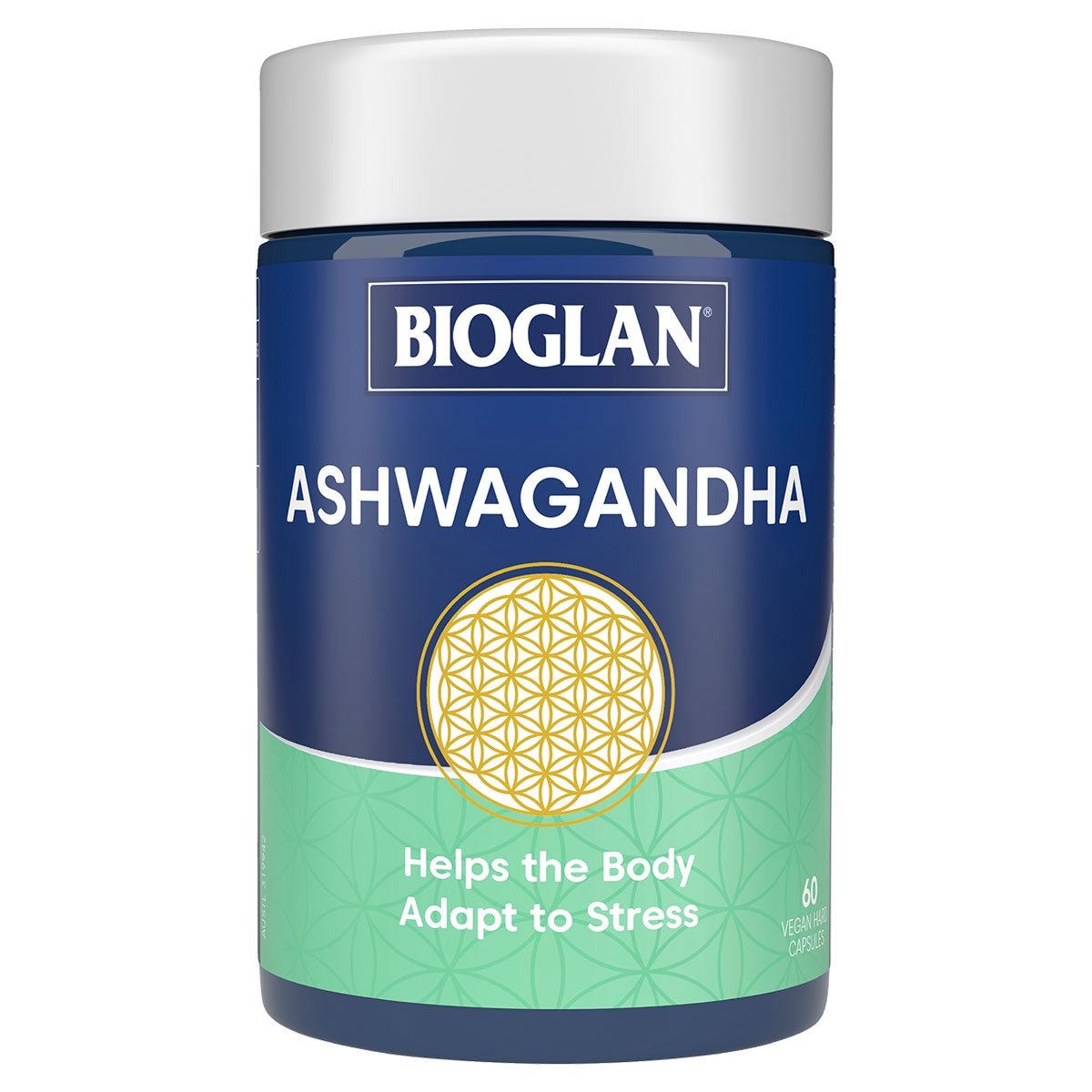
Bioglan Ashwagandha Plus 60 Tablets | Healthylife Offer now available for the Bioglan Ashwagandha Plus 60 Tablets | Healthylife. On sale with world wide delivery. Bioglan Ashwagandha Plus has the organic Ashwagandha KSM-66 extract. It helps relieve symptoms of stress, mild anxiety and irritability, also has vit B5 & lemon balm.. Browse our extensive range of products.…
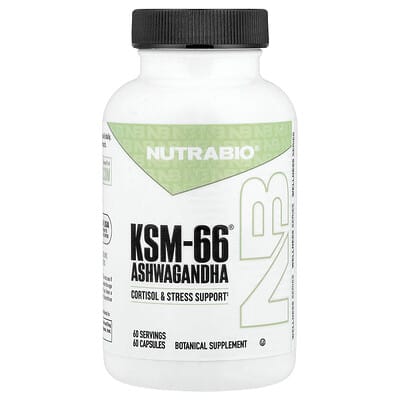
NutraBio, KSM-66®, Ashwagandha, 90 Capsules NutraBio NutraBio, KSM-66®, Ashwagandha, 90 Capsules. Includes 90 Capsules. Check current details, price and availability at iHerb.
Quick take: iHerb makes it easy to browse supplements, protein, wellness products, and healthy pantry staples in one place. It’s a handy option for comparing ingredients, brands, and customer reviews before choosing what suits your goals.
Quick take: iHerb makes it easy to browse supplements, protein, wellness products, and healthy pantry staples in one place. It’s a handy option for comparing ingredients, brands, and customer reviews before choosing what suits your goals.