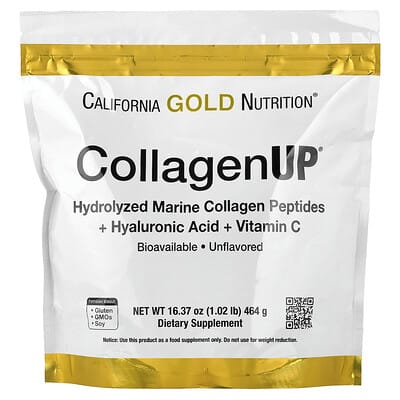
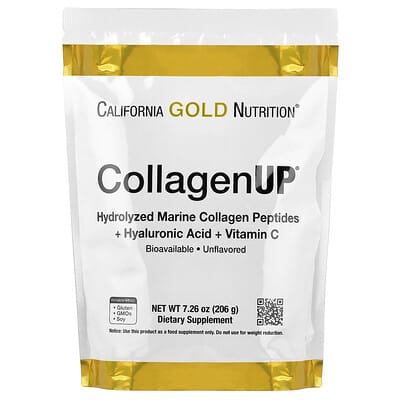
Collagen Peptides: Can They Support Cartilage and Joint Health?
Interest in collagen peptides has grown among people looking to support joint comfort, mobility and inflammation. But biological plausibility, traditional use and promising laboratory findings are not the same as proof that a supplement works in people.
This evidence-based guide explains what is known, what remains uncertain and how to make a safer decision.
What is collagen peptides?
Oral collagen is digested; claims that it directly rebuilds knee cartilage are not established.
Potential benefits: what does the research actually show?
Some trials report modest improvements in joint discomfort, but evidence is heterogeneous and often industry-funded.
Research findings must be interpreted in context. Small studies, short follow-up periods, different product formulations and subjective outcomes can make a treatment appear more effective than it really is. An improvement in a blood marker or laboratory mechanism does not necessarily translate into better everyday health.
Who might consider it?
People with a clear, measurable goal may wish to discuss this option with their GP, pharmacist or relevant specialist. A supplement is most reasonable when its possible benefits, costs and risks are understood and it does not delay effective care.
What should you look for on the label?
The exact ingredient and form, rather than a vague proprietary blend.
The amount per serving and any standardisation information.
Independent quality testing where available.
Allergen statements, additional stimulants and overlapping vitamins or minerals.
Clear manufacturer contact details and realistic claims.
Dosage and timing
There is no universally established dose that reliably improves joint comfort, mobility and inflammation for all adults. Clinical studies may use particular extracts or doses that are not interchangeable with retail products. Follow product directions only after confirming suitability with a healthcare professional; do not assume that more is better.
Side effects, interactions and precautions
Check fish, bovine or other source allergies and consider total protein needs.
Pregnant or breastfeeding people, those with significant liver or kidney disease, and anyone taking prescription medicines should seek individual advice. Tell your clinician about every supplement you use, particularly before surgery or when managing chronic conditions.
What works alongside—or better than—supplements?
Strength training, appropriate aerobic activity, joint-friendly movement and a tailored physiotherapy programme are foundations of joint care.
Build meals around adequate protein, vegetables, legumes, whole grains and unsaturated fats. A sustainable eating pattern matters more than one anti-inflammatory superfood.
Persistent pain, swelling or loss of function should be assessed so that osteoarthritis, inflammatory arthritis and other causes are distinguished.
How to judge whether it is helping
Choose a specific goal, such as remembering appointments or walking more comfortably.
Record your baseline symptoms and relevant daily habits.
Avoid starting several new supplements simultaneously.
Review any change with your healthcare professional and consider cost and side effects.
Stop and seek advice if you develop concerning symptoms.
Frequently asked questions
Will it regrow cartilage or cure arthritis?
No. Current evidence does not show that this supplement rebuilds cartilage or cures arthritis.
How long should I trial it?
Discuss a time-limited trial with your clinician, track pain and function, and stop if there is no meaningful benefit or adverse effects occur.
Is natural always safer?
No. Natural products can have pharmacological effects, contamination risks and clinically important interactions. The quality of evidence matters more than whether an ingredient is described as natural.
Affiliate disclosure: OntoFitness.com may earn a commission from qualifying purchases. Merchant eligibility and tracking depend on the site’s Skimlinks configuration.
Final thoughts
Collagen peptides may be worth discussing for selected goals, but the evidence does not justify sweeping promises. Prioritise proven care, monitor meaningful outcomes and use supplements cautiously.
Medical disclaimer: General educational information only. It does not replace diagnosis, individual medical advice or prescribed treatment.
Most popular sponsored products
Brain and Brawn Optimal Body Collagen Protein 100% Bovine Collagen Peptides Offer now available for the Brain and Brawn Optimal Body Collagen Protein 100% Bovine Collagen Peptides. On sale with world wide delivery. Buy Brain and Brawn Optimal Body Collagen Protein 100% Bovine Collagen Peptides at Best Prices from HealthSupplements.com.au. Browse our extensive range of Brain And Brawn products. Found on…
Swisse Beauty Collagen Glow with Collagen Peptides Offer now available for the Swisse Beauty Collagen Glow with Collagen Peptides. On sale with world wide delivery. Buy Swisse Beauty Collagen Glow with Collagen Peptides at Best Prices from HealthSupplements.com.au. Browse our extensive range of Swisse products. Found on the safe and secure website healthsupplements.com.au.
Gelatin Health Joint Collagen 450g | Healthylife Gelatin Gelatin Health Joint Collagen 450g. (450g) Available from Healthylife; check current product details, price and availability before ordering.
Quick take: iHerb makes it easy to browse supplements, protein, wellness products, and healthy pantry staples in one place. It’s a handy option for comparing ingredients, brands, and customer reviews before choosing what suits your goals.
Quick take: iHerb makes it easy to browse supplements, protein, wellness products, and healthy pantry staples in one place. It’s a handy option for comparing ingredients, brands, and customer reviews before choosing what suits your goals.