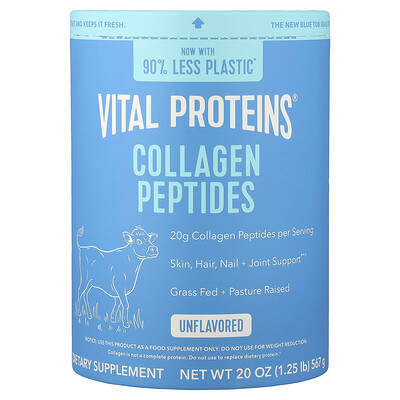
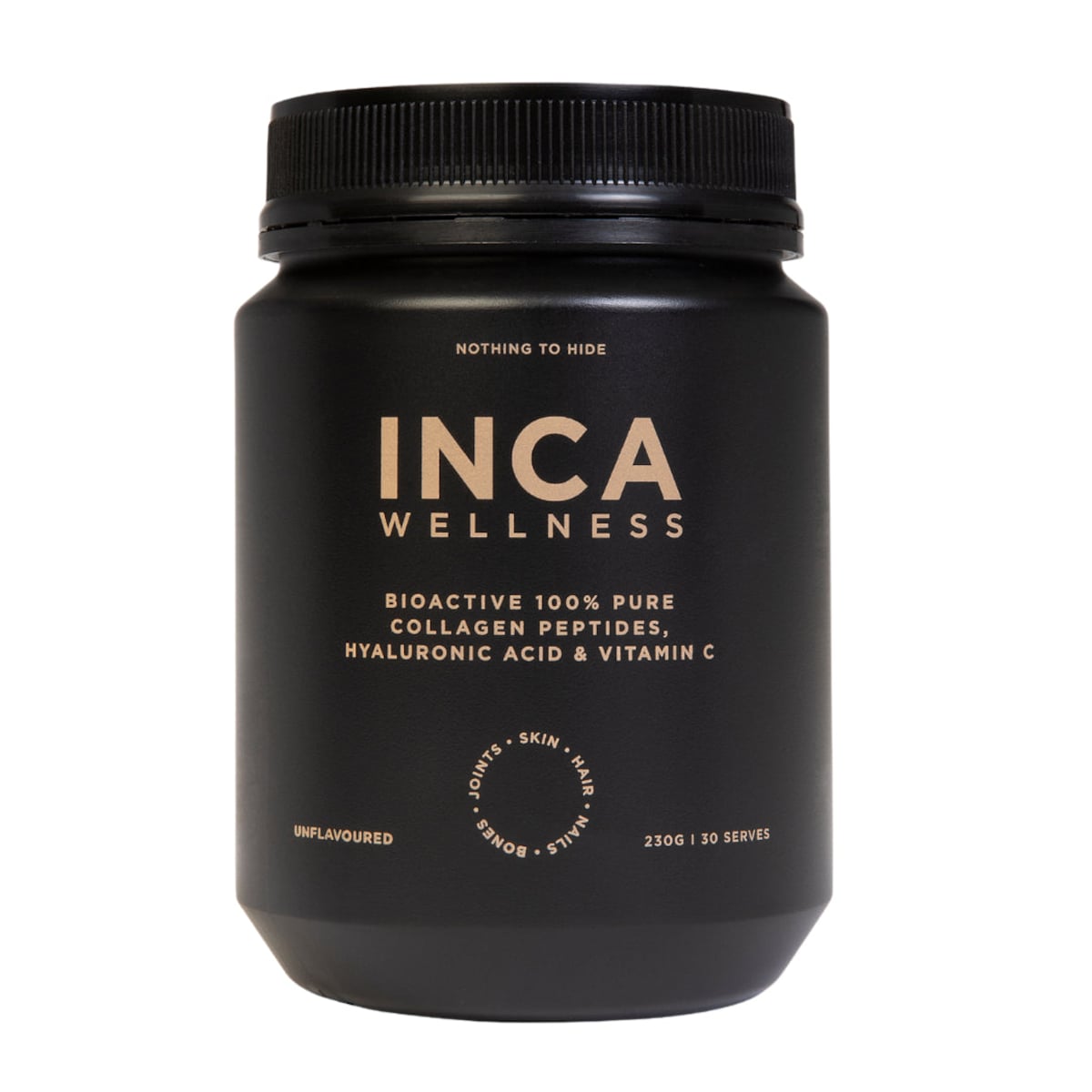
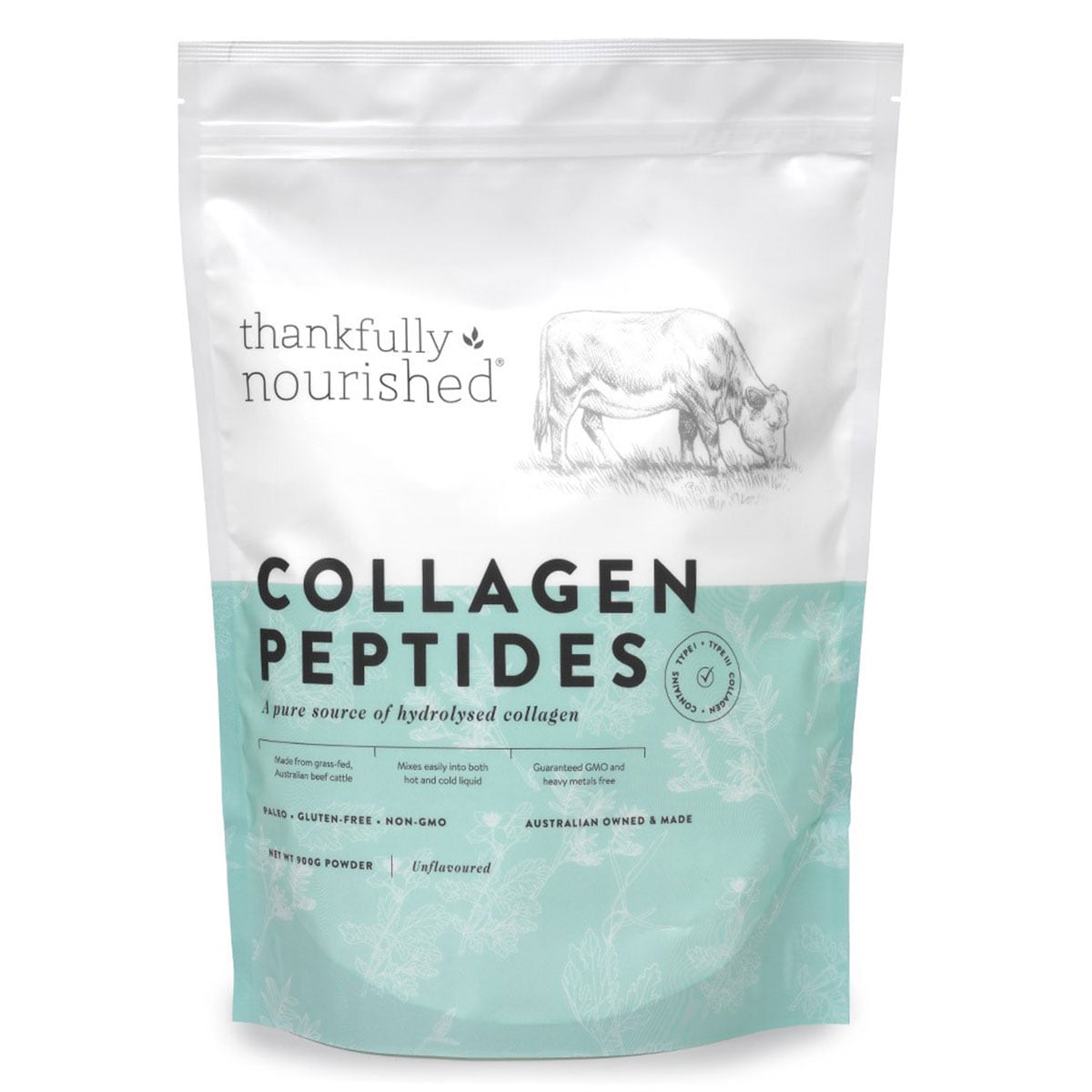
Collagen peptides are one of the most popular beauty and joint-support supplements. They are made from collagen protein that has been broken down, or hydrolysed, into smaller peptides so they are easier to mix, digest and absorb.
Collagen is the main structural protein in the body. It helps give strength and flexibility to skin, tendons, ligaments, cartilage, bones, blood vessels and connective tissue. Natural collagen production declines with age and can also be affected by sun exposure, smoking, high alcohol intake, poor protein intake, low vitamin C, illness and general lifestyle factors.
Quick take: iHerb makes it easy to browse supplements, protein, wellness products, and healthy pantry staples in one place. It’s a handy option for comparing ingredients, brands, and customer reviews before choosing what suits your goals.
So, do collagen peptides really help skin and joints? The honest answer is: they may help modestly, especially when used consistently for at least 8 to 12 weeks, but they are not a miracle cure. The strongest evidence is for skin hydration and elasticity. Joint evidence is promising for some people, especially those with osteoarthritis, activity-related joint pain or tendon issues, but results vary.
Affiliate disclosure: This article may contain merchant links. If you purchase through a link, we may earn a commission at no extra cost to you. iHerb has been included at the reader’s request, although its affiliate cookie period may be shorter than the original merchant filter. Always check the product label, collagen source, dose, allergens, vitamin C content, shipping availability and import rules before buying any supplement.
Quick Answer: Are Collagen Peptides Worth Taking?
Collagen peptides may be worth considering if you want support for skin hydration, skin elasticity, fine lines, nail strength, joint comfort or connective tissue recovery. They work best when taken consistently and paired with enough total protein, vitamin C, resistance training, healthy joints, sun protection and a nutrient-rich diet.
People commonly use collagen peptides for:
Skin hydration and elasticity
Fine-line and wrinkle support
Hair, skin and nail routines
Brittle nail support
Joint comfort
Osteoarthritis support routines
Tendon and ligament support
Healthy ageing routines
Protein support in coffee, smoothies or breakfast bowls
The key point is this: collagen peptides can support the body with amino acids used in connective tissue, but they do not automatically rebuild skin, cartilage or joints on their own.
Collagen peptides are hydrolysed collagen. This means collagen protein has been broken into smaller peptide chains. These smaller peptides dissolve more easily in hot or cold liquids and are easier to use in powders, capsules, drinks and protein blends.
You may see collagen peptides labelled as:
Hydrolysed collagen
Collagen hydrolysate
Bioactive collagen peptides
Marine collagen peptides
Bovine collagen peptides
Multi collagen peptides
These terms are often used in similar ways. The most important things to check are the source, collagen type, grams per serving and whether the product includes vitamin C.
Do Collagen Peptides Help Skin?
Collagen peptides have some of the better evidence in the beauty supplement category. Human studies suggest that oral hydrolysed collagen may improve skin hydration, elasticity and wrinkles when used consistently.
How Collagen May Support Skin
Collagen peptides may help skin by supplying amino acids such as glycine, proline and hydroxyproline. These are building blocks used in collagen-rich tissues. Some research also suggests collagen peptides may signal skin cells called fibroblasts to support collagen and extracellular matrix production.
What Skin Results Are Realistic?
Realistic skin benefits may include:
Better skin hydration
Improved elasticity
Subtle softening of fine lines
Support for skin firmness
Improved nail strength in some people
Unrealistic claims include:
“Erases wrinkles”
“Reverses ageing”
“Works in a few days”
“Replaces sunscreen”
“Tightens loose skin dramatically”
Skin changes usually take time. Most people need at least 8 to 12 weeks of consistent use before judging results.
Do Collagen Peptides Help Joints?
Collagen peptides may support joint comfort in some people, especially those with mild joint pain, osteoarthritis or connective tissue stress from training. The research is not perfect, but there is enough evidence to treat collagen as a reasonable supportive option for some joint-health routines.
How Collagen May Support Joints
Joints, cartilage, tendons and ligaments contain collagen-rich connective tissue. Collagen peptides provide amino acids that may support connective tissue turnover, especially when combined with exercise or rehabilitation.
For tendon and ligament support, collagen is often discussed alongside vitamin C and mechanical loading. In plain English, this means collagen may make the most sense when paired with the right strengthening exercises rather than taken while doing nothing else.
What Joint Results Are Realistic?
Realistic joint benefits may include:
Reduced joint discomfort in some people
Support for tendon and ligament routines
Improved comfort during activity
Support during rehabilitation when paired with exercise
Complementary support for mild osteoarthritis symptoms
Unrealistic claims include:
“Regrows cartilage”
“Cures arthritis”
“Replaces physiotherapy”
“Works instantly”
“Reverses joint degeneration”
Types of Collagen
Collagen Type
Common Source
Most Often Used For
What to Know
Type I
Bovine hide, marine collagen
Skin, hair, nails, bones and tendons
Most common collagen type in the body
Type II
Chicken cartilage, sternum cartilage
Joint and cartilage support
Different from standard Type I/III beauty collagen powders
Type III
Bovine collagen
Skin, blood vessels and connective tissue
Often paired with Type I in beauty collagen products
Types V and X
Multi-collagen blends
Broader connective tissue formulas
Usually included in multi-collagen products, not always necessary for everyone
Bovine vs Marine vs Chicken Collagen
Bovine Collagen
Bovine collagen comes from cows and is usually rich in Type I and Type III collagen. It is commonly used for skin, hair, nails and general connective tissue support.
Marine Collagen
Marine collagen comes from fish and is usually rich in Type I collagen. It is popular in beauty formulas because Type I collagen is strongly associated with skin and connective tissue.
Chicken Collagen
Chicken collagen is often used for Type II collagen products, especially joint-focused formulas. Multi-collagen products may include chicken collagen along with bovine and marine sources.
Where to Buy Collagen Peptides From Recommended Merchants
Using the recommended merchant list, the clearest collagen peptide options are from Nutricost, Myprotein, Bulk, Dr. Berg, Dr. Kellyann and iHerb. I would not list Qunol or CocoaVia as direct collagen peptide suppliers unless their live product pages clearly show dedicated collagen peptide products.
Recommended Merchant Option: Nutricost Multi Collagen Hair, Skin & Nails Formula
Nutricost Multi Collagen Hair, Skin & Nails Formula features grass-fed bovine collagen, hydrolysed chicken collagen and marine collagen. It is available in chocolate and unflavoured options.
Best for: people wanting a multi-source collagen formula for beauty and joint-support routines.
Important note: this product contains animal-derived collagen and may include fish or chicken sources, so check allergens carefully.
Recommended Merchant Option: Nutricost Multi Collagen
Nutricost Multi Collagen is made with hydrolysed collagen peptides and is available in unflavoured and chocolate options. It is designed to mix into drinks, smoothies, soups or recipes.
Best for: people wanting a versatile collagen powder from a supplement-focused merchant.
Recommended Merchant Option: Myprotein Collagen Protein
Myprotein Collagen Protein is made with highly purified collagen peptides and is promoted as a high-protein collagen powder. It can be mixed into shakes and used to support daily protein intake.
Best for: people who already shop with Myprotein and want a collagen peptide protein powder.
Related Merchant Option: Myprotein Impact Whey Protein + Collagen
Myprotein Impact Whey Protein + Collagen combines whey protein with bovine collagen peptides and vitamin C. This is not a pure collagen peptide product, but it may suit people wanting both whey protein and collagen in one shake.
Best for: people wanting a combined muscle protein and collagen formula.
Recommended Merchant Option: Bulk Collagen Supplements Range
Bulk has a dedicated collagen range, including collagen powders, collagen and vitamin C formulas, collagen coffee, collagen hot chocolate and skin-focused products.
Best for: people who want to compare several collagen formats in one place.
Recommended Merchant Option: Bulk Collagen & Vitamin C Powder
Bulk Collagen & Vitamin C Powder combines hydrolysed collagen with vitamin C. The product page lists 12g collagen and 30% of the daily recommended intake of vitamin C per serving.
Best for: people wanting collagen with vitamin C already included for skin, bones and joint-support routines.
Recommended Merchant Option: Dr. Berg Multi Collagen Peptides
Dr. Berg Multi Collagen Peptides provides 15.5g collagen peptides per serving from wild-caught, pasture-raised and grass-fed sources. The formula includes collagen types I, II, III, V and X, plus vitamin C and biotin.
Best for: people wanting a multi-collagen powder with added vitamin C and biotin.
Important note: this product may contain fish and egg ingredients, so check allergen details before buying.
Recommended Merchant Option: Dr. Kellyann Collagen Peptides
Dr. Kellyann Collagen Peptides is an unflavoured grass-fed bovine hydrolysed collagen powder. The product page lists 10g collagen peptides, 9g protein and 35 calories per scoop.
Best for: people wanting a simple unflavoured bovine collagen powder that mixes into coffee, smoothies, soups or recipes.
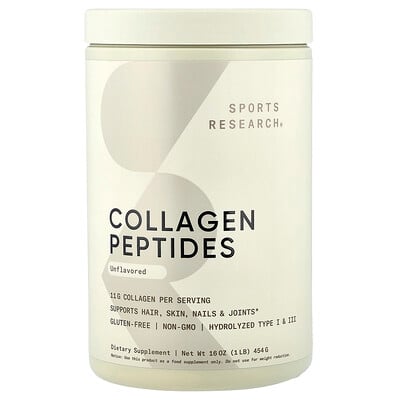
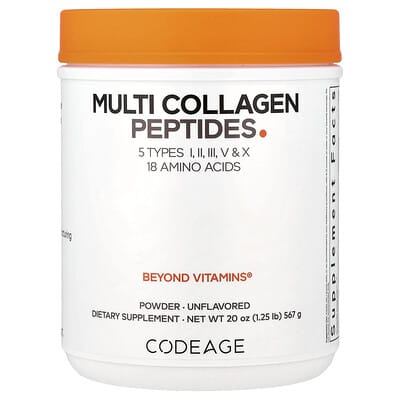
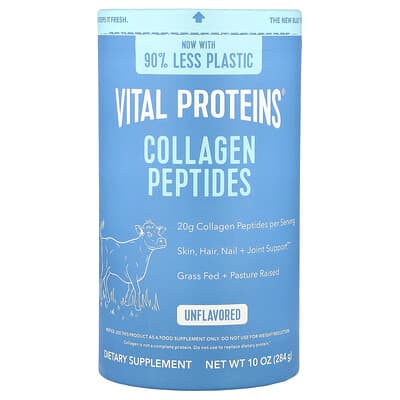
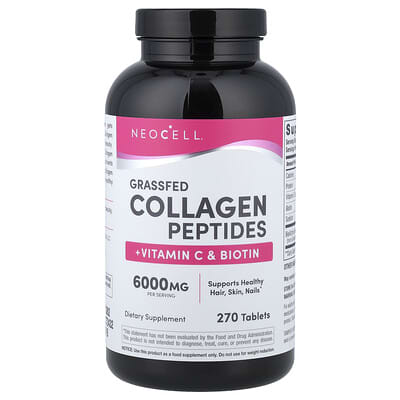
iHerb has a large collagen category with bovine collagen peptides, marine collagen, Type II collagen, collagen gummies, collagen capsules and beauty-focused collagen formulas.
Best for: readers who want the widest collagen product choice and international delivery options.
Hydrolysed collagen peptides are broken down into smaller chains. This is the form most commonly used in skin and joint studies and the form that mixes best into drinks.
2. Check the Grams Per Serving
Many useful collagen powders provide around 5g to 15g collagen per serving. Capsules often provide much less unless you take several capsules. If you want a meaningful collagen dose, powder is usually the most practical format.
3. Choose the Right Source
Bovine collagen: common, versatile and usually rich in Type I and III collagen.
Marine collagen: popular for skin-focused routines and usually rich in Type I collagen.
Chicken collagen: often used for Type II joint-support formulas.
Multi collagen: blends bovine, marine, chicken or eggshell membrane sources.
4. Look for Vitamin C
Vitamin C supports normal collagen formation. You can choose a collagen product with vitamin C added, or simply take collagen with vitamin-C-rich foods such as kiwi fruit, berries, citrus, capsicum or broccoli.
5. Check Allergens
Collagen is animal-derived. Marine collagen contains fish. Some multi-collagen products may include chicken, egg or fish ingredients. Collagen is not vegan.
6. Avoid Overhyped Claims
Good collagen products should not promise to erase wrinkles, regrow cartilage, reverse ageing, cure arthritis or rebuild joints overnight. Look for realistic wording and transparent labels.
How Much Collagen Should You Take?
There is no single perfect collagen dose for everyone. Most collagen peptide products provide between 5g and 15g per serving.
Goal
Common Supplement Range
Notes
Skin hydration and elasticity
Around 2.5g to 10g daily
Use consistently for 8 to 12 weeks before judging results
Hair, skin and nails
Around 5g to 10g daily
Nail changes take time because nails grow slowly
Joint comfort
Around 5g to 15g daily
Works best alongside strength work, mobility and weight management where relevant
Tendon or ligament support
Often around 10g to 15g with vitamin C
Most relevant when paired with a targeted exercise or rehab program
Always follow the product label unless your healthcare professional gives different advice.
When Is the Best Time to Take Collagen?
For skin and general beauty routines, timing is not critical. The most important factor is taking it consistently.
For tendon and ligament support, some sports nutrition approaches use collagen with vitamin C around 30 to 60 minutes before targeted tendon or ligament loading exercises. This is more relevant for rehab or performance routines than casual beauty use.
How to Use Collagen Peptides
Mix into coffee or tea
Add to smoothies
Stir into oats or porridge
Mix into yoghurt
Add to soups or broths
Use in protein balls or baking recipes
Take with vitamin-C-rich fruit
Unflavoured collagen is usually easiest to use because it can be added to both sweet and savoury foods.
Collagen Peptides vs Protein Powder
Collagen peptides are a protein source, but they are not a complete protein in the same way as whey, soy, egg or meat. Collagen is low in some essential amino acids and does not provide the same muscle-building amino acid profile as whey protein.
Use collagen for connective tissue, skin and joint-support routines. Use complete proteins such as whey, soy, eggs, fish, meat, dairy, legumes and mixed plant proteins to meet your broader daily protein needs.
Collagen Peptides vs Gelatin
Gelatin is partially hydrolysed collagen. It gels when mixed with liquid and is useful in cooking. Collagen peptides are more broken down and usually dissolve in hot or cold liquids without gelling.
For convenience, collagen peptides are usually easier to use daily.
Collagen Peptides vs Bone Broth
Bone broth contains collagen-derived amino acids and minerals, but the exact collagen amount varies by product and preparation. Collagen peptides are more concentrated and easier to dose accurately.
Bone broth can be a nourishing food. Collagen peptides are more practical if you want a measured daily collagen dose.
Safety and Cautions
Collagen peptides are generally well tolerated by many adults, but they are not suitable for everyone.
Speak with a healthcare professional before using collagen supplements if you:
Have fish, shellfish, egg, chicken or beef allergies
Have kidney disease or need protein restriction
Have liver disease
Are pregnant or breastfeeding
Are buying for a child
Have gout or high uric acid concerns
Have a medically restricted diet
Have unexplained joint swelling, redness or severe pain
Have sudden hair loss, skin disease or unexplained weight loss
Possible side effects include bloating, fullness, mild digestive upset, reflux, unpleasant taste, or allergy symptoms in sensitive people.
Food and Lifestyle Support for Collagen
Collagen supplements work best when your overall diet and lifestyle support collagen production and protect existing collagen.
Bovine, marine, Type II, capsules, powders, gummies and beauty formulas
Collagen Peptides FAQs
What are collagen peptides?
Collagen peptides are hydrolysed collagen proteins broken into smaller peptides. They are easier to mix and digest than regular collagen or gelatin.
Do collagen peptides really help skin?
They may help modestly. Research suggests hydrolysed collagen can support skin hydration, elasticity and wrinkle appearance when taken consistently for several weeks or months.
Do collagen peptides really help joints?
They may help some people with joint comfort, especially those with osteoarthritis, activity-related joint pain or tendon and ligament stress. They work best alongside exercise, strengthening and good overall nutrition.
How long does collagen take to work?
Most people should allow at least 8 to 12 weeks before judging skin or joint results. Nails and connective tissue may take longer.
Is marine collagen better than bovine collagen?
Not always. Marine collagen is usually Type I and popular for skin. Bovine collagen usually provides Type I and III and is versatile. The best choice depends on allergies, budget, source preference and goal.
Is collagen vegan?
No. Real collagen comes from animal sources such as bovine hide, fish, chicken or eggshell membrane. Vegan “collagen builders” do not contain collagen; they provide nutrients that support collagen formation.
Should collagen be taken with vitamin C?
Vitamin C supports normal collagen formation. You can choose a product with vitamin C included or take collagen with vitamin-C-rich foods such as kiwi, citrus, berries or capsicum.
Can collagen replace protein powder?
No. Collagen is not a complete protein and is low in some essential amino acids. It can add protein, but it should not replace complete protein sources such as whey, soy, eggs, fish, meat, dairy or balanced plant proteins.
Can collagen cause side effects?
Possible side effects include bloating, fullness, reflux, taste issues or allergic reactions in sensitive people. Check fish, egg, chicken or beef allergens depending on the product.
Final Thoughts: Do Collagen Peptides Really Help Skin and Joints?
Collagen peptides are not hype-free, but they are not useless either. They have reasonable evidence for modest improvements in skin hydration, elasticity and wrinkle appearance, and they may help joint comfort in some people when taken consistently. The best results usually come when collagen is paired with enough protein, vitamin C, exercise, sun protection and healthy lifestyle habits.
If your main goal is skin, look for hydrolysed Type I or Type I/III collagen with vitamin C. If your main goal is joints, consider multi-collagen or Type II collagen options and combine them with strengthening or rehabilitation work. If you want a simple unflavoured daily powder, compare Dr. Kellyann Collagen Peptides. If you want a larger multi-collagen serving, compare Dr. Berg Multi Collagen Peptides. If you want collagen plus vitamin C, compare Bulk Collagen & Vitamin C Powder. If you want the widest range, browse iHerb Collagen Supplements.
Bottom line: collagen peptides may help skin and joints, but consistency, dose and lifestyle matter. Think of collagen as supportive nutrition, not a quick cosmetic fix or arthritis cure.
Health disclaimer: This article is for general information only and is not medical advice. Collagen peptide supplements are not medicines and are not intended to diagnose, treat, cure or prevent disease. Speak with a healthcare professional before using collagen supplements if you are pregnant or breastfeeding, have kidney disease, liver disease, gout, food allergies, unexplained joint swelling, severe joint pain, sudden hair loss, skin disease, unexplained weight loss, or are buying for a child. Avoid collagen products containing fish, egg, chicken or beef if you are allergic or sensitive to those ingredients.
Great Lakes Wellness, Grass-Fed Bovine Collagen Peptides, Unflavoured, 16 oz (454 g) Offer now available for the Great Lakes Wellness, Grass-Fed Bovine Collagen Peptides, Unflavoured, 16 oz (454 g). On sale with world wide delivery. Supports 5 Signs of Ageing Well Dissolves 2x Faster vs. Leading Brands Skin Hair Nails Joints Digestion 20 g Collagen Per Serving Dietary Supplement Glyphosate Free, Gluten…
Quick take: iHerb makes it easy to browse supplements, protein, wellness products, and healthy pantry staples in one place. It’s a handy option for comparing ingredients, brands, and customer reviews before choosing what suits your goals.
Quick take: iHerb makes it easy to browse supplements, protein, wellness products, and healthy pantry staples in one place. It’s a handy option for comparing ingredients, brands, and customer reviews before choosing what suits your goals.