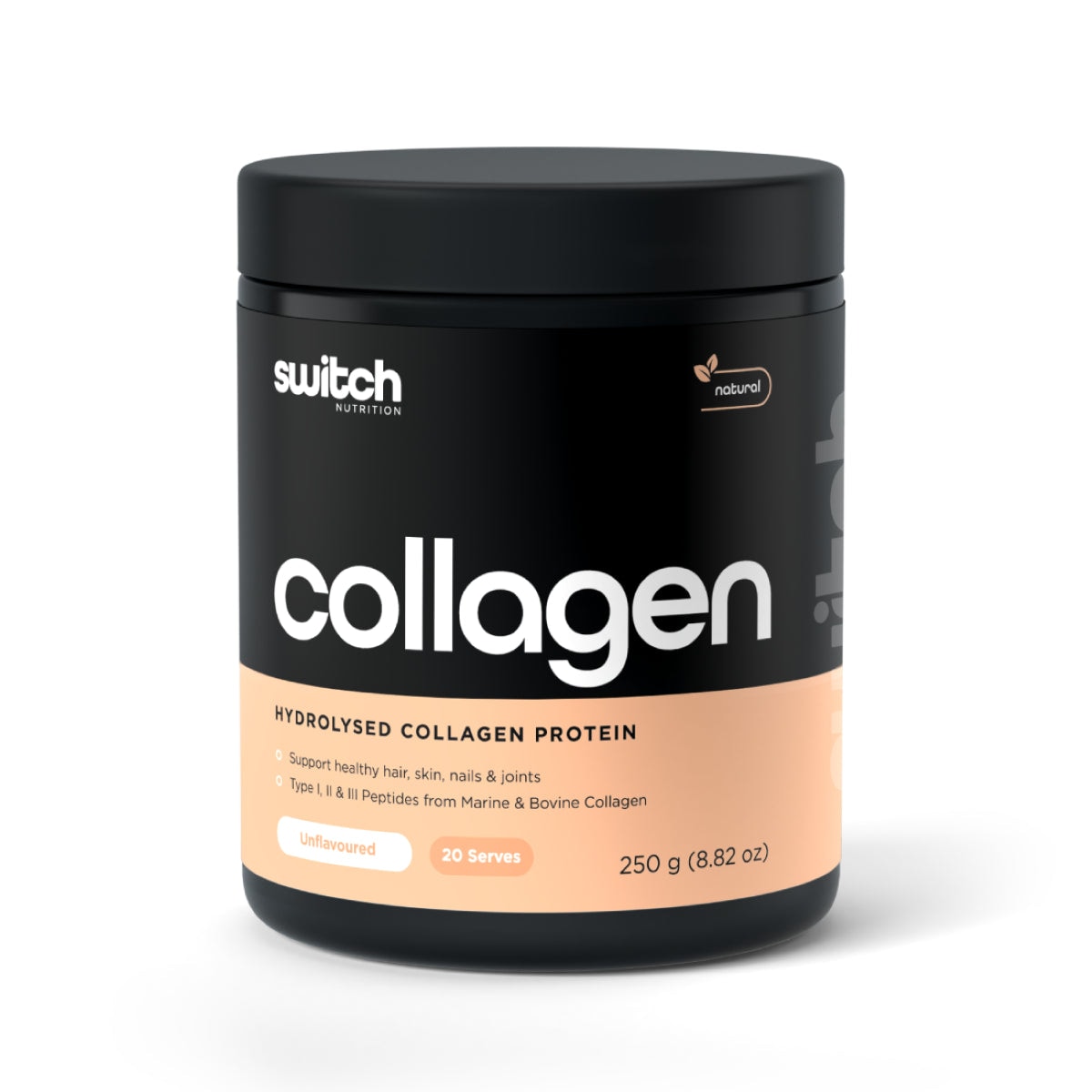
Collagen is one of the most heavily marketed supplements in health and fitness. It is sold for better skin, fewer wrinkles, stronger joints, improved bones, healthier nails, muscle support, and “anti-ageing” in general. But what is collagen actually used for, and what does the evidence really say?
The honest answer sits somewhere between the hype and the scepticism. Collagen is a structural protein found throughout the body, and collagen supplements are mainly used for skin support, joint support, and sometimes bone-health support. There is some encouraging research in those areas, but the benefits appear modest, product-specific, and still not settled enough to justify miracle-level claims. :contentReference[oaicite:0]{index=0}
What Collagen Actually Is
Collagen is the most abundant protein in the human body. It helps provide structure and strength to skin, bones, tendons, ligaments, cartilage, and other connective tissues. In simple terms, collagen is one of the materials your body uses to hold itself together. :contentReference[oaicite:1]{index=1}
As people age, natural collagen production declines. That is one reason collagen supplements have become so popular, especially among people interested in skin ageing, joint comfort, mobility, and healthy ageing more broadly. :contentReference[oaicite:2]{index=2}
What Collagen Supplements Are Usually Made From
Most collagen supplements are made from animal sources such as bovine, marine, chicken, or porcine collagen. Many products are sold as collagen peptides or hydrolysed collagen, which means the collagen has been broken down into smaller peptides intended to make it easier to digest and absorb. :contentReference[oaicite:3]{index=3}
What Collagen Is Used For
1. Skin Hydration and Elasticity
This is one of the biggest selling points for collagen. Harvard’s Nutrition Source notes that most research on collagen supplements relates to skin and joint health, and some randomized trials have found improvements in skin elasticity and hydration. More recent reviews suggest there may be modest benefits for wrinkles and skin moisture, but the field is still evolving and not every expert agrees on how convincing the evidence is. :contentReference[oaicite:4]{index=4}
That means the sensible claim is not “collagen reverses skin ageing.” A more accurate claim is that some collagen peptide products may modestly improve skin hydration or elasticity in some people over a period of weeks to months. :contentReference[oaicite:5]{index=5}
2. Joint Comfort and Mobility
Collagen is also commonly used for joint support, especially for osteoarthritis or activity-related joint discomfort. Harvard notes that some trials have found collagen supplements can improve joint mobility and reduce joint pain, including in osteoarthritis and in some athletes. Reviews in the nutrition literature also suggest certain collagen preparations may support joint health, though product type and study quality vary. :contentReference[oaicite:6]{index=6}
In plain language: collagen may help some people with joint symptoms, especially knee or osteoarthritis-related discomfort, but it is not a guaranteed fix and it does not replace exercise, weight management, or medical care. :contentReference[oaicite:7]{index=7}
3. Bone Health Support
Some people take collagen for bone health, especially postmenopausal women. A randomized controlled trial found specific collagen peptides increased bone mineral density and favourably affected bone markers in postmenopausal women with age-related bone loss. Newer reviews also suggest potential bone benefits, particularly when collagen is combined with calcium and vitamin D, but this remains an emerging rather than fully established use. :contentReference[oaicite:8]{index=8}
That makes collagen interesting in bone-health discussions, but not a substitute for better-established priorities such as resistance training, adequate protein, calcium, vitamin D, and appropriate medical treatment where needed. :contentReference[oaicite:9]{index=9}
4. Muscle Support with Resistance Training
Collagen is sometimes used alongside strength training, especially in older adults. Some sources note that when collagen is taken as part of a resistance-training program, it may help support muscle mass or body composition, but this is not the same as saying collagen is the best muscle-building protein. Collagen is lower in some essential amino acids, including leucine, than proteins like whey. :contentReference[oaicite:10]{index=10}
For muscle growth specifically, collagen is usually better viewed as a connective-tissue or adjunct protein rather than the obvious first-choice protein supplement for maximising muscle protein synthesis. :contentReference[oaicite:11]{index=11}
What Collagen Is Not Proven to Do
Collagen is often marketed for stronger hair, thicker nails, dramatic wrinkle reversal, total joint repair, and broad anti-ageing benefits. Some of these claims have very limited evidence. Harvard has noted that there have not been human studies showing collagen supplementation improves hair growth, shine, volume, or thickness, and broader beauty claims often outrun the science. :contentReference[oaicite:12]{index=12}
So while collagen may have some uses, it is not a magic anti-ageing powder and it should not be treated that way. :contentReference[oaicite:13]{index=13}
Why Collagen Gets So Much Attention
Collagen sits right at the intersection of beauty, fitness, and healthy ageing. It appeals to people who want better skin, less joint stiffness, stronger bones, and better recovery, all from one scoop. That is powerful marketing territory. But supplements that sound broad usually have narrower real-world evidence. :contentReference[oaicite:14]{index=14}
Food vs Supplements
Your body makes collagen from amino acids and nutrients you get from food, which is why a balanced diet still matters. Cleveland Clinic notes that scientific research is lacking for most collagen supplements and that a well-balanced diet provides the raw ingredients your body needs to make collagen naturally. :contentReference[oaicite:15]{index=15}
That does not mean supplements cannot help. It means they should be seen as optional add-ons, not replacements for overall nutrition. :contentReference[oaicite:16]{index=16}
How Long Does Collagen Take to Work?
In studies that do show benefit, collagen is usually taken daily for several weeks to several months. Skin and joint outcomes are not overnight effects. If a product helps, the changes are usually gradual rather than dramatic. :contentReference[oaicite:17]{index=17}
Is Collagen Safe?
Collagen supplements are generally well tolerated for most people, but they are still supplements and product quality varies. People with allergies to the source material, such as fish or bovine products, need to read labels carefully. As with other supplements, quality control and ingredient transparency matter. :contentReference[oaicite:18]{index=18}
Who Should Be More Careful?
Extra caution makes sense if you have food allergies to fish, shellfish, eggs, or bovine ingredients, or if you are using multi-ingredient beauty powders with added herbs, vitamins, or stimulants. If you have a medical condition, are pregnant, or take regular medication, it is sensible to check with a health professional before using supplements routinely. :contentReference[oaicite:19]{index=19}
Collagen Myths That Need Clearing Up
“Collagen rebuilds all your joints”
No. Some studies suggest certain collagen products may modestly improve joint pain or mobility, but that is not the same as rebuilding damaged joints. :contentReference[oaicite:20]{index=20}
“Collagen is the best protein for muscle”
No. Collagen may have a role alongside training, but it is not usually the first choice if the main goal is maximising muscle protein synthesis. Proteins like whey are generally better suited to that purpose. :contentReference[oaicite:21]{index=21}
“Collagen definitely fixes wrinkles”
The evidence is mixed. Some studies suggest modest improvements in skin hydration and elasticity, while other reviews say the evidence is not yet strong enough to support confident anti-ageing claims. :contentReference[oaicite:22]{index=22}
The Bottom Line on Collagen
Collagen supplements are mainly used for skin support, joint comfort, and sometimes bone-health support. There is some promising evidence, especially for skin hydration, elasticity, and certain joint symptoms, but the benefits appear modest and product-specific rather than dramatic. :contentReference[oaicite:23]{index=23}
The most honest conclusion is this: collagen may be useful for some people, particularly in the context of healthy ageing and joint support, but it is not a miracle supplement. Food quality, strength training, overall protein intake, and consistent health habits still matter more. :contentReference[oaicite:24]{index=24}
Quick Takeaways
Collagen is the body’s main structural protein and supports skin, bones, cartilage, tendons, and connective tissue. :contentReference[oaicite:25]{index=25}
Collagen supplements are mainly used for skin, joints, and sometimes bone support. :contentReference[oaicite:26]{index=26}
Some studies show modest improvements in skin hydration and elasticity. :contentReference[oaicite:27]{index=27}
Some studies suggest certain collagen products may help joint pain or mobility, especially in osteoarthritis. :contentReference[oaicite:28]{index=28}
Bone benefits look promising in some studies, especially in postmenopausal women, but this is still an emerging area. :contentReference[oaicite:29]{index=29}
Collagen is not the best stand-alone protein choice for muscle gain compared with proteins like whey. :contentReference[oaicite:30]{index=30}
Collagen supplements are not a magic anti-ageing fix. :contentReference[oaicite:31]{index=31}
Frequently Asked Questions
What is collagen mainly used for?
Collagen is mainly used for skin support, joint comfort, and sometimes bone-health support. :contentReference[oaicite:32]{index=32}
Does collagen really help skin?
Some studies suggest certain collagen supplements may modestly improve skin hydration and elasticity, but the benefits appear modest rather than dramatic. :contentReference[oaicite:33]{index=33}
Can collagen help joints?
Some evidence suggests certain collagen products may help reduce joint pain or improve mobility, especially in osteoarthritis, but it is not a guaranteed fix. :contentReference[oaicite:34]{index=34}
Is collagen good for bones?
Some research suggests specific collagen peptides may help bone mineral density in postmenopausal women, but collagen is still only one part of a bigger bone-health plan. :contentReference[oaicite:35]{index=35}
Is collagen the best protein for building muscle?
No. Collagen may support connective tissues and may have a role with training, but proteins like whey are generally better choices for muscle-building nutrition. :contentReference[oaicite:36]{index=36}
How long does collagen take to work?
When collagen helps, the effects are usually gradual and studies commonly run for several weeks to several months. :contentReference[oaicite:37]{index=37}
Medical note: This article is for general education only and does not replace medical advice. If you have allergies, a medical condition, or take regular medication, speak with your doctor before using collagen supplements regularly.
Most popular sponsored products
Collagen Peptides Protein Powder | Naked Collagen - 20 oz Collagen Peptides Protein Powder | Naked Collagen - 20 oz: a realistic guide for health, training, and recovery Collagen Peptides Protein Powder | Naked Collagen - 20 oz is listed as a Protein supplement. This is a practical, label-first guide to how products in this category are commonly used, what…
Collagen Peptides with Hyaluronic Acid | Naked Collagen Advanced - 1.3 LB Collagen Peptides with Hyaluronic Acid | Naked Collagen Advanced - 1.3 LB: a realistic guide for health, training, and recovery Collagen Peptides with Hyaluronic Acid | Naked Collagen Advanced - 1.3 LB is listed as a Collagen. This is a practical, label-first guide to how products in this category are…
Vanilla Collagen Creamer | Naked Collagen Creamer Vanilla Collagen Creamer | Naked Collagen Creamer: a realistic guide for health, training, and recovery Vanilla Collagen Creamer | Naked Collagen Creamer is listed as a Collagen. This is a practical, label-first guide to how products in this category are commonly used, what to look for, and how to fit…
Marine Collagen Peptides Protein Powder | Naked Marine Collagen Marine Collagen Peptides Protein Powder | Naked Marine Collagen: a realistic guide for health, training, and recovery Marine Collagen Peptides Protein Powder | Naked Marine Collagen is listed as a Protein supplement. This is a practical, label-first guide to how products in this category are commonly used, what to look…
Vanilla Collagen Peptides Powder | Naked Collagen - 1.2 LB Vanilla Collagen Peptides Powder | Naked Collagen - 1.2 LB: a realistic guide for health, training, and recovery Vanilla Collagen Peptides Powder | Naked Collagen - 1.2 LB is listed as a Collagen. This is a practical, label-first guide to how products in this category are commonly used, what to…
Chocolate Collagen Peptides Powder | Naked Collagen - 1.3 LB Chocolate Collagen Peptides Powder | Naked Collagen - 1.3 LB: a realistic guide for health, training, and recovery Chocolate Collagen Peptides Powder | Naked Collagen - 1.3 LB is listed as a Collagen. This is a practical, label-first guide to how products in this category are commonly used, what to…
Quick take: iHerb makes it easy to browse supplements, protein, wellness products, and healthy pantry staples in one place. It’s a handy option for comparing ingredients, brands, and customer reviews before choosing what suits your goals.
Quick take: iHerb makes it easy to browse supplements, protein, wellness products, and healthy pantry staples in one place. It’s a handy option for comparing ingredients, brands, and customer reviews before choosing what suits your goals.