Creatine has become one of the most popular supplements for building muscle, improving strength and supporting exercise performance. But is it really worth taking, and does the timing make a difference?
Unlike many supplements promoted for muscle growth, creatine has decades of scientific research supporting its effectiveness.
It is also increasingly attracting attention for healthy ageing, particularly among older adults wanting to maintain muscle strength, mobility and independence.
From a natural health and fitness perspective, I consider creatine monohydrate one of the more useful supplements when combined with appropriate exercise and nutrition.
However, understanding how it works, how much to take and when to be cautious is important.
Creatine works best alongside progressive resistance training, adequate nutrition and consistent exercise.
What Exactly Is Creatine?
Creatine is a naturally occurring compound made by the body from amino acids.
It is produced mainly through processes involving the liver and kidneys, and is also obtained from foods such as meat and fish.
Approximately 95% of the body’s creatine is stored in skeletal muscle, largely as free creatine and phosphocreatine.
Phosphocreatine helps regenerate adenosine triphosphate (ATP), the molecule cells use to supply energy.
During short, demanding activities such as lifting weights or sprinting, the body uses ATP rapidly.
Having greater phosphocreatine stores allows ATP to be regenerated more quickly, supporting repeated bursts of high-intensity exercise.
How Does Creatine Help Build Muscle?
Creatine does not directly build muscle in the same way that dietary protein supplies amino acids for muscle tissue.
Instead, it helps you perform demanding exercise more effectively.
With regular resistance training, creatine may allow you to:
Complete additional repetitions.
Maintain performance across demanding sets.
Improve strength and power.
Increase training volume over time.
Achieve greater gains in lean body mass.
These improvements can contribute to greater muscle development over weeks and months.
Some early weight gain is caused by additional water stored inside muscles rather than new muscle tissue.
My natural health perspective: Creatine is a useful training aid, not a shortcut. The greatest benefits come when it supports a consistent exercise programme.
What Are the Main Benefits of Creatine?
1. Improved Muscle Strength
Creatine is particularly effective for repeated, short-duration, high-intensity exercise.
Research consistently supports improvements in strength and power when supplementation is combined with suitable training.
2. Greater Muscle Growth
Creatine can increase gains in lean body mass during resistance training.
However, not all measured increases in lean mass represent new muscle protein, particularly during the early weeks.
3. Better High-Intensity Performance
Activities involving short bursts of effort, such as sprinting, weightlifting and certain team sports, may benefit from increased muscle creatine stores.
4. Supporting Healthy Ageing
Age-related muscle loss, known as sarcopenia, can gradually reduce strength, balance and physical independence.
Studies involving older adults suggest creatine combined with resistance training may improve strength and lean body mass.
Results vary, and creatine should not replace exercise or adequate protein intake.
5. Possible Brain Health Benefits
Creatine also participates in energy metabolism in the brain.
Researchers are investigating possible effects on memory, mental fatigue and cognitive performance.
Although preliminary findings are interesting, creatine has not been proven to prevent dementia or reverse cognitive ageing.
How Much Creatine Should You Take Daily?
For most healthy adults, a common evidence-based maintenance amount is 3–5 grams of creatine monohydrate daily.
This amount is widely used in research and is generally sufficient to increase muscle creatine stores over time.
Approach
Typical Research Dose
Purpose
Daily maintenance
3–5 g daily
Gradually increases and maintains muscle creatine
Optional loading phase
Approximately 20 g daily, divided into four doses, for 5–7 days
Increases muscle creatine more quickly
After loading
3–5 g daily
Maintains increased stores
Rest days
Same maintenance dose
Maintains muscle creatine stores
These amounts are general research protocols rather than personalised medical instructions.
Do You Need a Creatine Loading Phase?
No. Loading is optional.
A loading phase generally involves taking approximately 20 grams daily, divided into smaller doses, for five to seven days.
This increases muscle creatine stores more rapidly.
Alternatively, taking 3–5 grams daily without loading generally produces similar muscle saturation after approximately three to four weeks.
For most recreational gym users, I prefer the simpler daily maintenance approach because it is easier to follow and may cause fewer digestive complaints.
When Is the Best Time to Take Creatine?
One of the most common questions is whether creatine should be taken before or after exercise.
The evidence suggests that daily consistency matters more than precise timing.
Creatine works by gradually increasing muscle stores rather than producing an immediate stimulant-like effect.
Some small studies have explored whether post-workout supplementation offers an advantage, but the evidence is not strong enough to establish a clearly superior time.
Practical Options
With breakfast.
After training with a protein shake.
With lunch or dinner.
At another convenient time that supports regular use.
Taking creatine with food may improve tolerability for some people.
You do not need to take it immediately before training.
Should You Take Creatine on Rest Days?
Yes. Creatine is generally taken daily, including days without exercise.
The objective is to maintain elevated muscle creatine stores.
Missing an occasional dose is unlikely to eliminate the benefits, but consistent use is the simplest approach.
Can You Mix Creatine with Coffee, Tea or Hot Water?
Creatine monohydrate can be mixed into water, juice, milk, protein shakes or other suitable drinks.
It may also be mixed into warm drinks, although prolonged exposure to heat and acidic liquids can gradually convert some creatine into creatinine.
For practical use, mix creatine shortly before drinking rather than preparing it many hours in advance.
Creatine and caffeine can generally be consumed on the same day. Research on whether high caffeine intakes interfere with some creatine-related performance effects is mixed.
There is no established requirement to separate ordinary coffee consumption from creatine supplementation.
Which Type of Creatine Is Best?
Creatine supplements are sold in several forms, including:
Maintaining muscle strength is important for protecting mobility and physical function.
However, creatine is not a treatment for rheumatoid arthritis and has not been shown to control autoimmune inflammation or prevent joint damage.
People taking methotrexate, baricitinib or other long-term medicines should discuss supplementation with their healthcare professional, particularly when regular kidney and liver monitoring is required.
There is no well-established direct interaction between standard-dose creatine and these medicines, but research specifically examining the combinations is limited.
Creatine, Protein and Muscle Growth
Creatine and protein have different roles.
Protein supplies amino acids needed to repair and build muscle tissue.
Creatine helps regenerate energy during demanding exercise.
Combining adequate dietary protein, progressive resistance training and creatine may be more useful than relying on any one approach alone.
For many healthy, resistance-training adults, approximately 1.2–1.6 grams of protein per kilogram of body weight daily is a practical target, although individual requirements vary.
People with kidney disease or other conditions affecting protein needs should obtain personalised advice.
Can Women Take Creatine?
Yes. Creatine can benefit women as well as men.
Women may experience improvements in strength and exercise performance, particularly when supplementation accompanies resistance training.
There is also growing interest in creatine for women during and after menopause, although research remains less extensive than in some other populations.
Pregnant or breastfeeding women should avoid supplementation unless specifically advised by a qualified healthcare professional because safety evidence is insufficient.
Although some small studies have investigated hormonal changes, research does not show a consistent or meaningful increase in testosterone from creatine supplementation.
Its benefits for muscle growth are primarily related to energy availability and improved training performance.
Who Should Speak to a Doctor Before Taking Creatine?
People with diagnosed kidney disease.
People with significant liver or other chronic medical conditions.
People taking medicines that may affect kidney function.
People with unexplained abnormal kidney blood tests.
Pregnant or breastfeeding women.
People taking multiple prescription medicines who require regular blood monitoring.
Choose products from reputable manufacturers, preferably with independent quality testing.
Shop Creatine and Sports Nutrition
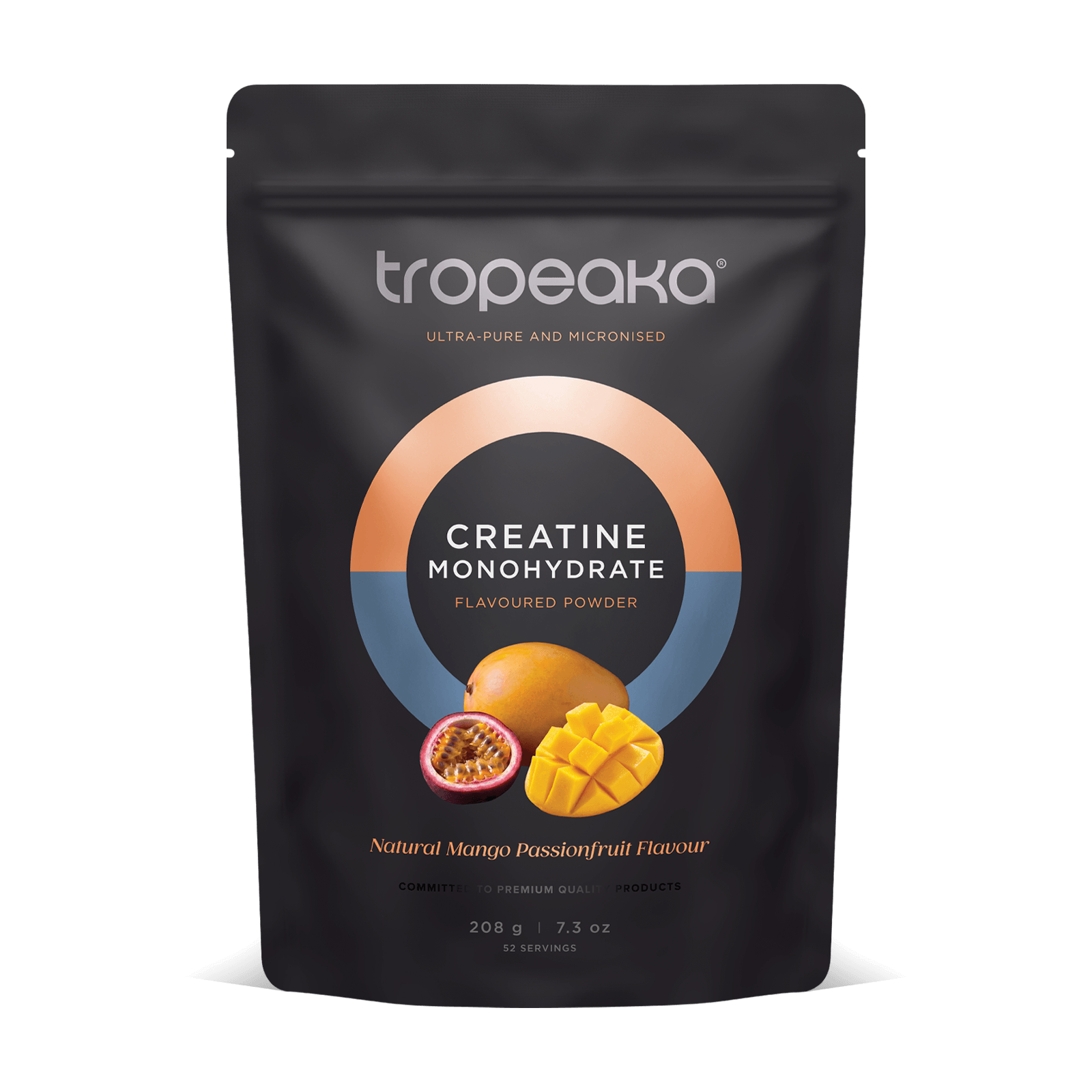
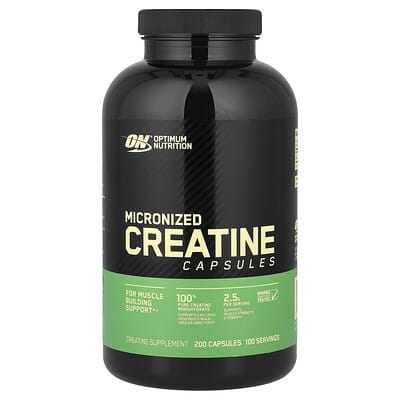
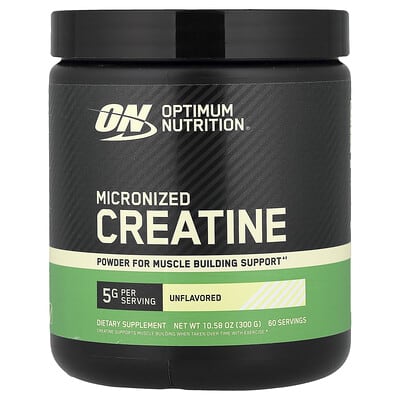
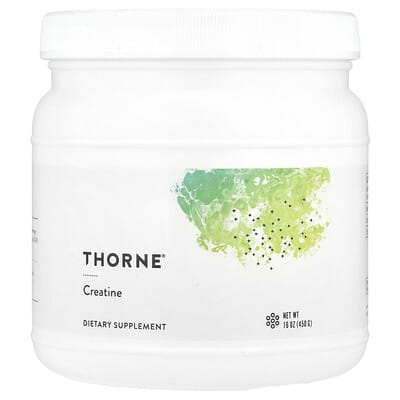
If you are considering creatine, a straightforward creatine monohydrate powder is generally a sensible starting point.
There is usually no need to pay more for elaborate blends or products claiming dramatically superior absorption.
Affiliate disclosure: This website may earn a commission from qualifying purchases at no additional cost to you. Merchant eligibility and affiliate tracking may vary.
Frequently Asked Questions
How long does creatine take to work?
With a standard daily dose of 3–5 grams, muscle creatine stores generally increase over approximately three to four weeks. Loading can achieve saturation more quickly.
Is 5 grams of creatine every day enough?
For most healthy adults, 5 grams daily is within the commonly studied maintenance range. Individual needs may vary.
Should I take creatine before or after exercise?
Either is acceptable. Daily consistency matters more than precise timing.
Can I take creatine without going to the gym?
Yes, but the strongest evidence for muscle growth and strength involves combining creatine with resistance training.
Does creatine cause hair loss?
There is no convincing clinical evidence that creatine supplementation causes hair loss.
Can I take creatine with whey protein?
Yes. Creatine and whey protein can be mixed together. They support different aspects of exercise performance and muscle development.
Do I need to cycle creatine?
No. There is no established need to cycle creatine on and off for healthy adults using standard maintenance doses.
Is creatine suitable for people over 70?
Creatine may support resistance-training benefits in older adults, but individual medical conditions, kidney function and medications should be considered.
Final Thoughts: My Natural Health Perspective
Creatine stands out because its benefits are supported by substantially more research than many supplements marketed for muscle growth and healthy ageing.
For healthy adults, creatine monohydrate at a standard daily maintenance dose is a practical and generally well-tolerated option.
However, it is not a replacement for strength training, adequate protein, recovery or appropriate medical care.
For older adults, maintaining muscle strength may be particularly valuable because it supports mobility and independence.
My recommendation is simple: choose creatine monohydrate, use it consistently if appropriate for your health, and combine it with regular resistance exercise and nutritious food.
Long-term progress comes from consistent habits, not complicated supplement schedules.
Medical disclaimer: This article provides general educational information and does not replace medical advice. People with kidney disease, significant medical conditions or complex medication regimens should consult their healthcare professional before starting creatine supplementation.
Most popular sponsored products
The Benefits of Taking Creatine + HMB Together | Wellness Hub Offer now available for the The Benefits of Taking Creatine + HMB Together | Wellness Hub. On sale with world wide delivery. Should you stack creatine and HMB? Learn the science behind combining creatine for power output with HMB for muscle preservation, including optimal dosages and who benefits most.. Browse…
Wonder Foods Creatine Offer now available for the Wonder Foods Creatine. On sale with world wide delivery. Buy Wonder Foods Creatine at Best Prices from HealthSupplements.com.au. Browse our extensive range of Wonder Foods products. Found on the safe and secure website healthsupplements.com.au.
Vivo 100% Pure Creatine Monohydrate Offer now available for the Vivo 100% Pure Creatine Monohydrate. On sale with world wide delivery. Buy Vivo 100% Pure Creatine Monohydrate at Best Prices from HealthSupplements.com.au. Browse our extensive range of Vivo Alk products. Found on the safe and secure website healthsupplements.com.au.
Musashi Creatine Powder Offer now available for the Musashi Creatine Powder. On sale with world wide delivery. Buy Musashi Creatine Powder at Best Prices from HealthSupplements.com.au. Browse our extensive range of Musashi products. Found on the safe and secure website healthsupplements.com.au.
Famous Nutrition Protein + Creatine Offer now available for the Famous Nutrition Protein + Creatine. On sale with world wide delivery. Buy Famous Nutrition Protein + Creatine at Best Prices from HealthSupplements.com.au. Browse our extensive range of Famous Nutrition products. Found on the safe and secure website healthsupplements.com.au.
Famous Nutrition Protein + Creatine Offer now available for the Famous Nutrition Protein + Creatine. On sale with world wide delivery. Buy Famous Nutrition Protein + Creatine at Best Prices from HealthSupplements.com.au. Browse our extensive range of Famous Nutrition products. Found on the safe and secure website healthsupplements.com.au.
Quick take: iHerb makes it easy to browse supplements, protein, wellness products, and healthy pantry staples in one place. It’s a handy option for comparing ingredients, brands, and customer reviews before choosing what suits your goals.
Quick take: iHerb makes it easy to browse supplements, protein, wellness products, and healthy pantry staples in one place. It’s a handy option for comparing ingredients, brands, and customer reviews before choosing what suits your goals.